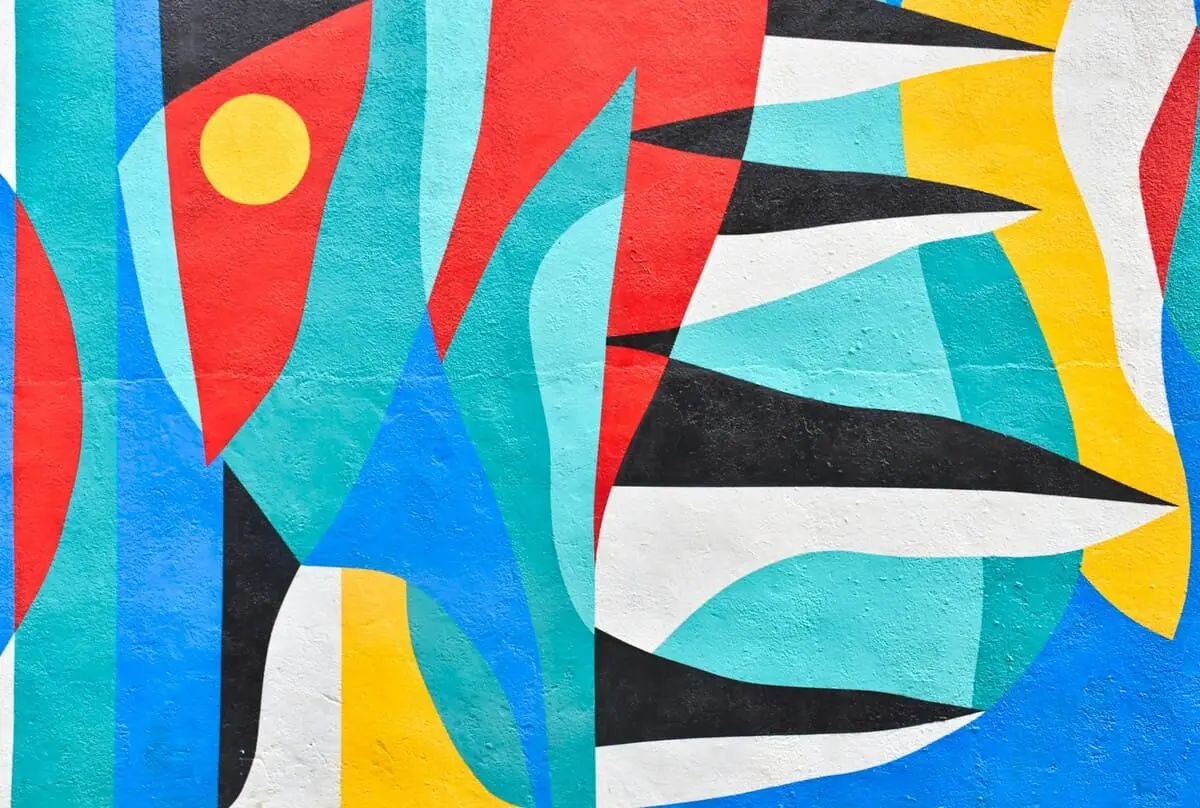
Abstract patterns bring creativity, movement, and individuality to textile design. From expressive brushstrokes and fluid color gradients to irregular shapes and bold compositions, abstract printed fabrics help designers transform artistic ideas into distinctive textile products.
With modern digital textile technology, abstract fabric printing allows fashion brands, interior designers, independent creators, and small businesses to turn original artwork into custom printed fabrics. Instead of relying only on ready-made patterns, businesses can develop exclusive designs that reflect their own aesthetic and brand identity.
Custom abstract fabrics can be used for clothing, curtains, cushion covers, bags, accessories, quilting projects, and many other textile applications. Digital printing is particularly useful for designs featuring multiple colors, intricate details, and painterly effects.
Whether you are developing a fashion collection, creating contemporary home textiles, or testing a new product concept, this guide explains how abstract fabric printing works, which fabrics to choose, how to prepare artwork, and what to consider when ordering custom printed fabrics.
For a broader overview of materials, production methods, and ordering considerations, explore the Custom Fabric Printing Guide.
What Is Abstract Fabric Printing?
Abstract fabric printing is the process of applying non-representational artwork, expressive shapes, color fields, brushstrokes, or other artistic patterns to textile materials.
Unlike realistic floral prints or clearly defined geometric repeats, abstract designs focus on visual expression rather than depicting specific objects. They may use organic forms, irregular lines, layered colors, or spontaneous marks to create a distinctive appearance.
Common abstract fabric designs include:
- Painterly patterns: Brushstrokes, watercolor effects, and expressive marks.
- Color-block patterns: Large areas of contrasting or complementary colors.
- Organic abstract patterns: Flowing shapes inspired by nature without directly representing recognizable objects.
- Geometric abstraction: Simplified shapes arranged in artistic compositions.
- Marbled patterns: Swirling colors and fluid, stone-like effects.
- Textured abstract patterns: Layered marks and visual effects that suggest depth or surface texture.
Custom abstract fabric printing gives designers control over the artwork, color palette, pattern scale, and intended product application.
Why Choose Custom Abstract Printed Fabric?
1. Create a Distinctive Design Identity
Abstract patterns can help brands establish a recognizable visual style. A carefully developed color palette or original artwork can become a signature element across a product collection.
This is useful for independent fashion labels, interior design studios, artists, and businesses seeking alternatives to generic patterns.
2. Reproduce Complex Artistic Details
Abstract artwork often contains gradients, layered colors, fine lines, and irregular shapes. Digital textile printing can reproduce many of these details without requiring a separate physical screen for every color.
The final result still depends on the fabric, ink system, printing method, and finishing process.
3. Adapt One Design to Multiple Products
A single abstract artwork may be adapted for different products, such as dresses, scarves, cushion covers, curtains, and bags. Designers can also adjust the scale or placement of a pattern to suit different applications.
4. Support Small-Batch Product Development
Digital printing can make custom artwork practical for sample development and smaller production runs, depending on the supplier’s capabilities and the selected fabric.
For businesses that need flexible order quantities, see our guide to Low MOQ Custom Fabric Printing.
Popular Abstract Fabric Pattern Styles
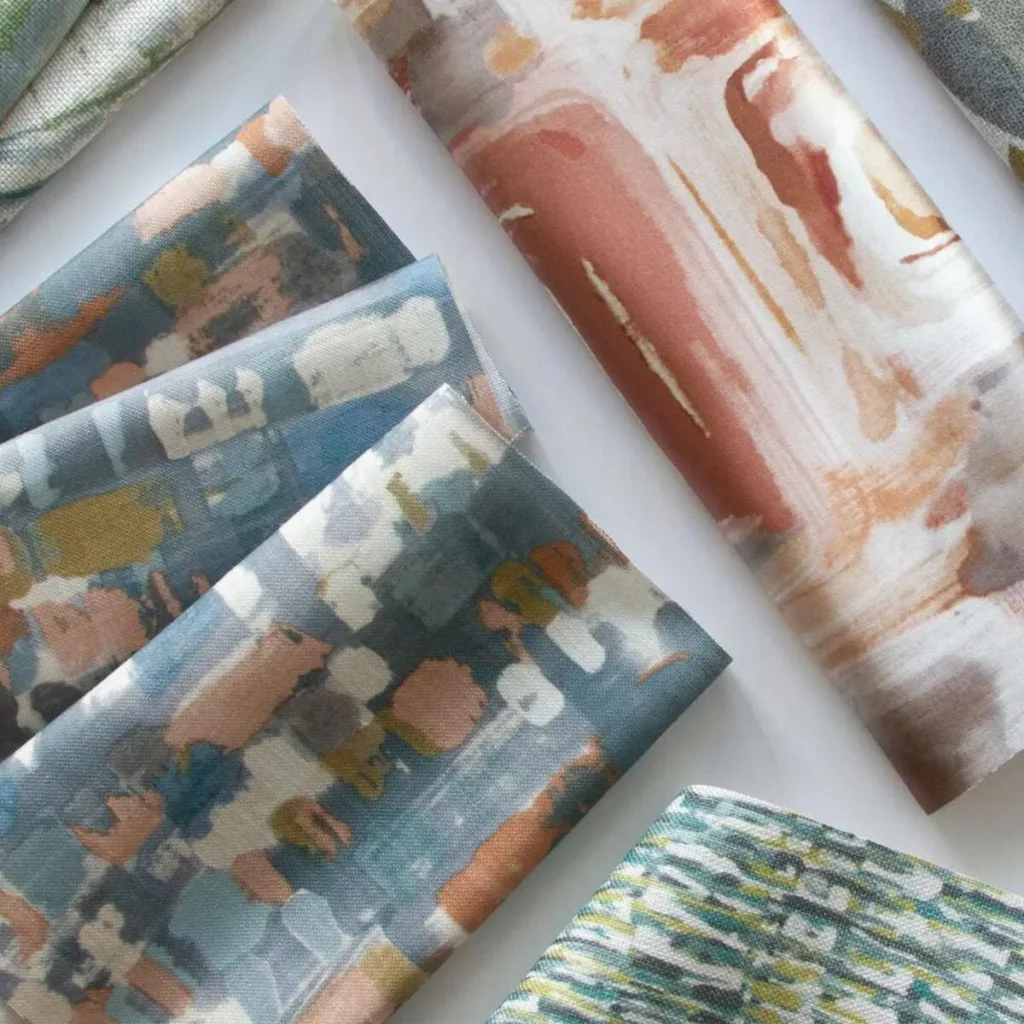
Choosing a clear design direction helps determine the best fabric, print scale, and color palette.
Painterly Abstract Fabric
Painterly patterns imitate the expressive qualities of painting, including visible brushstrokes, blended colors, and loose compositions.
They are suitable for statement garments, scarves, contemporary home décor, and artistic textile collections.
Watercolor Abstract Fabric
Watercolor-inspired designs use soft transitions, translucent-looking color areas, and fluid edges. They can create a light, organic appearance for dresses, blouses, scarves, and decorative textiles.
Geometric Abstract Fabric
Geometric abstraction combines recognizable shapes with unconventional arrangements, overlapping forms, or unexpected proportions.
It is suitable for contemporary fashion and interiors. Explore our related guide to Geometric Fabric Printing for more structured pattern ideas.
Organic Abstract Fabric
Organic abstract designs use irregular curves, flowing forms, and natural-looking compositions. They may evoke landscapes, water, stones, or plant forms without directly illustrating them.
Bold Color-Block Fabric
Color-block patterns emphasize large, clearly defined areas of color. They can work well for modern apparel, statement accessories, and interiors where color plays a central role.
Marbled and Fluid Abstract Fabric
Marbled designs feature swirling lines, flowing color transitions, and irregular patterns. Depending on the artwork and scale, they can be used for fashion textiles, accessories, and decorative products.
What Fabrics Can Be Used for Abstract Fabric Printing?
The right fabric depends on the product’s intended use, required hand feel, drape, durability, and compatible printing process.
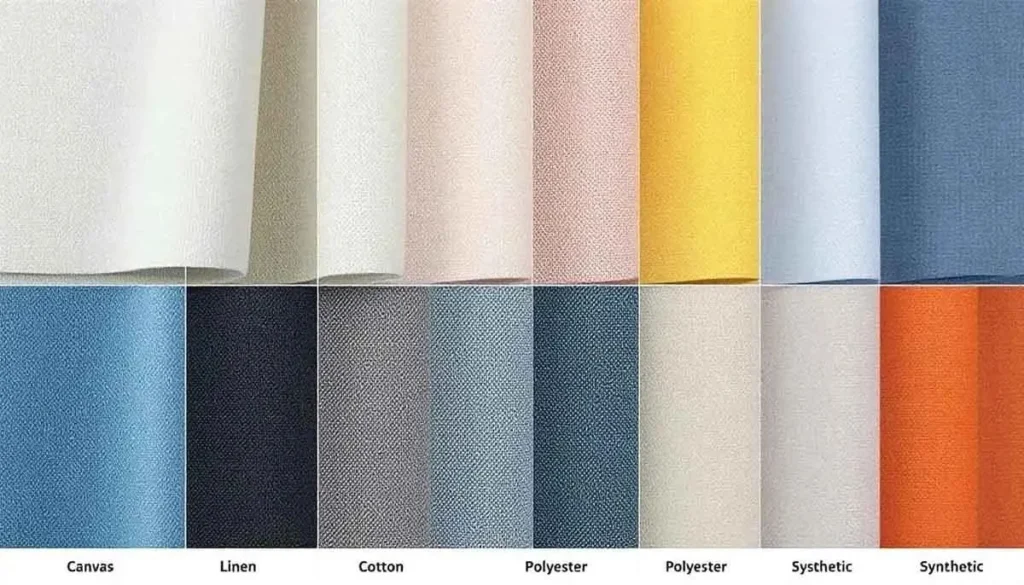
Cotton Abstract Fabric
Cotton is a versatile choice for apparel, quilting, and many home textile products. It offers a soft, familiar hand feel and is available in a variety of constructions and weights.
Common applications include shirts, dresses, quilting fabrics, cushion covers, and selected baby products.
Learn more about Cotton Fabric Printing.
Linen Abstract Fabric
Linen has a distinctive natural texture and works well for relaxed clothing and home décor. Its visible weave can contribute to the appearance of an abstract design.
Common applications include summer garments, curtains, table textiles, and decorative cushions.
Read our guide to Linen Fabric Printing.
Polyester Abstract Fabric
Polyester is used in many fashion, accessory, and performance textile applications. The suitable printing process depends on the fabric construction and ink system; disperse-dye sublimation is commonly associated with suitable polyester fabrics.
Abstract gradients and multicolor artwork can be effective on polyester when the printing process is properly matched to the material.
Explore Polyester Fabric Printing.
Rayon Abstract Fabric
Rayon is often chosen for its soft feel and flowing drape. It can be suitable for dresses, blouses, scarves, and other lightweight fashion products, subject to the specific fabric and printing process.
Canvas Abstract Fabric
Canvas has a more structured feel and can be used for tote bags, pouches, accessories, and decorative products. Its weight and surface should be considered when choosing the print design and intended application.
Learn more about Canvas Fabric Printing.
Velvet Abstract Fabric
Velvet offers a pile surface and a distinctive visual texture. Abstract patterns on velvet may create a rich decorative effect, although the pile can influence how a design appears and how consistently it prints.
Potential applications include selected home décor products, upholstery projects, and fashion textiles.
Read Velvet Fabric Printing.
What Printing Methods Are Used for Abstract Fabrics?
Digital Textile Printing
Digital textile printing applies artwork to fabric using a digital printing system and a compatible ink formulation.
It is useful for designs with multiple colors, gradients, fine details, and complex compositions. It can also support design variation without requiring a separate screen for each color.
The correct ink and fixation process depend on the fiber content and fabric construction.
Read our overview of Digital Fabric Printing.
Screen Printing
Screen printing transfers color through prepared screens. It can be appropriate for larger production runs or designs with a controlled number of colors.
However, screen preparation and setup can make frequent design changes less convenient than digital printing.
Dye Sublimation Printing
Dye sublimation is commonly used with suitable polyester textiles. Under the appropriate heat and pressure conditions, disperse dyes transfer into the polyester material.
It can be useful for abstract artwork featuring gradients and vivid colors, but it is not a universal process for every fiber type.
Choosing the Right Method
Before production, confirm the fabric composition, printing compatibility, required color performance, washing expectations, and intended use. When the final result is important, testing a sample of the actual fabric is a sensible step.
Print quality should be evaluated according to the intended use of the finished fabric. Depending on the product, relevant checks may include colorfastness to washing, rubbing, or light exposure. The AATCC textile testing standards provide recognized methods for evaluating textile properties and performance.
The Abstract Fabric Printing Process
Custom abstract textile production typically involves the following stages.
Step 1: Create or Select Your Artwork
Prepare an original abstract illustration, digital painting, color-block composition, or repeat pattern. Confirm whether the design should repeat continuously across the fabric or appear as a single placement.
Step 2: Select the Fabric
Choose the material based on the finished product. Apparel may require softness and drape, while bags may need a heavier, more structured fabric.
Step 3: Prepare the Artwork File
Check the design dimensions, resolution, repeat boundaries, color settings, and final print scale. Make sure important details will remain visible at the intended size.
See our detailed guide to Prepare Artwork for Fabric Printing.
Step 4: Review the Printing Requirements
Confirm the selected fabric, compatible ink system, print width, and finishing requirements with the supplier. Different materials may require different production workflows.
Step 5: Print the Fabric
The prepared design is transferred to the fabric using the selected printing process. Color appearance can vary with fiber content, surface texture, pretreatment, and print settings.
Step 6: Fix and Finish the Print
Depending on the process, the printed fabric may require steaming, heat treatment, washing, or another fixation and finishing method. These steps help achieve the intended print performance.
Step 7: Inspect the Finished Fabric
Check pattern placement, color consistency, visible defects, and the overall appearance. If the fabric will be sewn into a finished product, assess the design at the intended cutting and sewing scale as well.
How to Prepare Abstract Artwork for Fabric Printing
Artwork preparation is especially important for abstract designs because subtle color transitions and irregular shapes can be essential to the composition.
Use Suitable Resolution and Dimensions
Prepare the artwork at the intended physical print size. A file that looks sharp on a small screen may not retain the same detail when enlarged.
Check the Pattern Repeat
For a repeating abstract pattern, make sure the edges align correctly. Unintended seams or gaps can interrupt the visual flow of the design.
Choose an Appropriate Pattern Scale
Large abstract shapes can create a strong statement on curtains or dresses. Smaller motifs may be more suitable for shirts, accessories, and products with limited visible fabric area.
Review Color and Contrast
Consider how the design will appear on the selected fabric. Very subtle gradients, fine lines, or similar shades may look different after printing.
A printed sample is useful when color matching or precise artwork reproduction is important.
Confirm File Requirements
Ask the printing supplier about accepted file formats, color profiles, maximum print width, and repeat specifications before submitting production artwork.
Abstract Fabric Printing for Fashion Brands
Abstract patterns can add individuality to apparel collections and help a brand establish a distinctive design language.
Potential applications include:
- Dresses and skirts
- Shirts and blouses
- Scarves and fashion accessories
- Statement garments
- Limited-edition collections
Designers can create coordinated color palettes across multiple fabrics or adapt one artwork into different scales for different products.
For brand-specific production guidance, visit Custom Fabric Printing for Clothing Brands.
Abstract Fabric Printing for Home Décor
Abstract fabrics can complement contemporary, minimalist, eclectic, and artistic interiors.
Common applications include:
- Cushion covers
- Curtains
- Table textiles
- Decorative panels
- Selected upholstery projects
Large-scale patterns may work well on curtains or statement cushions, while smaller designs can be easier to coordinate with other interior textiles.
The fabric’s weight, durability, and cleaning requirements should be considered alongside the artwork.
Abstract Fabric Printing for Bags and Accessories
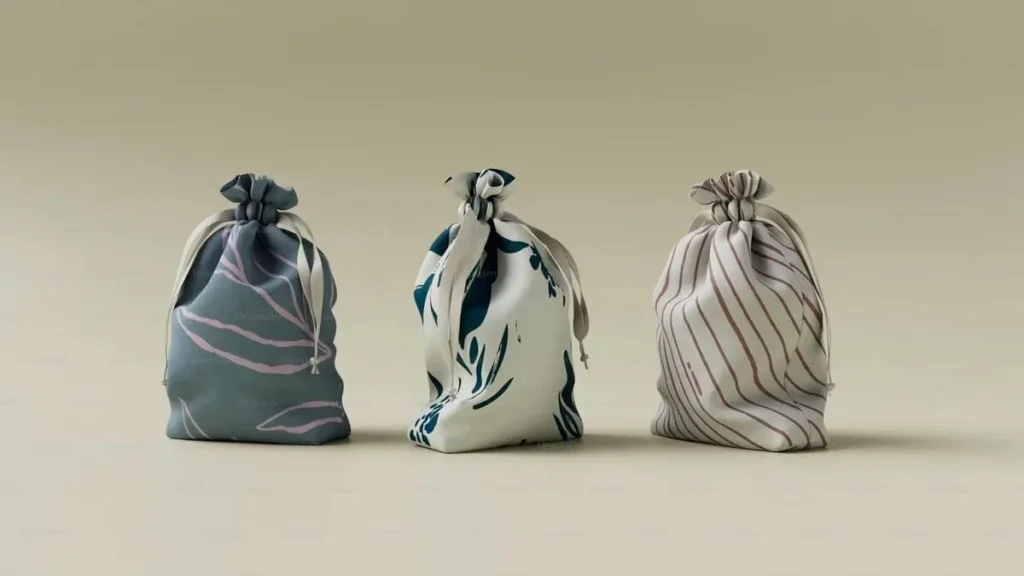
Abstract patterns can make bags and accessories visually distinctive. Depending on the product, suitable applications may include tote bags, pouches, fabric organizers, and other lifestyle accessories.
Canvas and selected polyester fabrics may be useful choices, but the final decision should account for fabric weight, construction, print compatibility, and the product’s expected use.
For related product ideas, see Custom Fabric Printing for Bags & Accessories.
Sustainable Considerations for Abstract Printed Fabrics
Sustainability depends on more than the artwork or printing technology. Brands should consider fiber sourcing, chemical management, production efficiency, fabric waste, finishing processes, and product durability.
Potential considerations include:
- Choosing a suitable fabric that minimizes unnecessary material waste.
- Evaluating organic or recycled fibers when they meet the product requirements.
- Selecting a printing process compatible with the fabric and production goals.
- Requesting relevant documentation for material or chemical claims.
- Planning production quantities carefully to reduce unsold inventory.
Organizations such as Textile Exchange publish resources about fibers and materials, while OEKO-TEX provides information about textile testing and certification programs. A certification or material claim should only be used when it applies to the actual product or supply chain.
For more information, read Sustainable Digital Fabric Printing.
How Much Does Abstract Fabric Printing Cost?
The cost of custom abstract fabric printing varies according to several factors.
Fabric Type and Weight
Different fibers, constructions, and weights can have different material and processing costs.
Printing Method
The compatible printing technology, pretreatment, fixation, and finishing requirements influence the final price.
Order Quantity
Order length and production setup can affect the cost per meter. Ask the supplier about minimum quantities, sample orders, and any volume-based pricing.
Artwork Requirements
Complex artwork does not automatically mean a higher printing price, but file preparation, special color requirements, or additional design work may affect the total project cost.
Finishing and Shipping
Washing, finishing, cutting, packaging, and international freight may be priced separately. Confirm what is included in the quotation.
For a broader pricing overview, see Custom Fabric Printing Cost.
Can Small Businesses Order Custom Abstract Printed Fabrics?
Custom abstract fabric printing can be suitable for independent designers, emerging brands, and small businesses that want to test a new product or develop a limited collection.
Before placing an order, confirm:
- Available fabric options
- Minimum order quantity
- Sample availability and cost
- Accepted artwork formats
- Production lead time
- Finishing and shipping arrangements
For smaller projects, flexible order quantities can help businesses test designs before committing to larger production runs.
How to Order Custom Abstract Printed Fabric from JCWTextile
JCWTextile provides custom fabric printing services for designers, brands, and creative businesses.
A typical ordering process is:
- Choose your fabric: Select a material suitable for the finished product.
- Prepare your artwork: Upload your abstract design or pattern file.
- Confirm requirements: Discuss fabric specifications, print width, quantities, and finishing.
- Review sample options: Where available, evaluate a sample before proceeding with production.
- Confirm the order: Review pricing, lead time, and shipping arrangements.
- Proceed with production: The fabric is printed and processed according to the confirmed specifications.
To discuss your project, visit the JCWTextile Get a Quote page.
Conclusion
Abstract fabric printing gives designers and businesses a flexible way to turn artistic ideas into custom textile designs. From painterly patterns and flowing gradients to bold color blocks and organic shapes, abstract prints can support distinctive fashion, home décor, bag, and accessory collections.
Choosing the right fabric, preparing artwork carefully, and confirming printing compatibility are important steps toward achieving the intended result.
With a clear design concept and suitable production specifications, custom abstract printed fabrics can help brands create original products and develop a consistent visual identity.
📚 FAQ About Abstract Fabric Printing
1. What is abstract fabric printing?
Abstract fabric printing is the process of applying non-representational artwork, expressive shapes, color fields, and artistic patterns to textile materials using suitable printing methods.
2. What fabrics are suitable for abstract fabric printing?
Cotton, linen, polyester, rayon, canvas, and velvet may be suitable, depending on the intended product and the compatibility of the fabric with the selected printing process.
3. Can I print my own abstract design on fabric?
Yes. Custom fabric printing allows designers and businesses to submit original abstract artwork. Confirm the supplier’s file specifications, pattern requirements, and printing capabilities before production.
4. Is digital printing suitable for abstract patterns?
Digital textile printing is useful for many abstract designs, including multicolor artwork, gradients, fine details, and painterly effects. The final result depends on the fabric and printing system.
5. What products can use abstract printed fabrics?
Abstract printed fabrics can be used for dresses, shirts, scarves, curtains, cushions, bags, accessories, and other textile products.
6. Can small businesses order custom abstract fabric?
Potentially, yes. Some custom printing suppliers support small-batch orders or samples. Minimum quantities, sample costs, and production options should be confirmed with the supplier.
7. How can I prepare artwork for abstract fabric printing?
Prepare the artwork at the intended print size, check resolution and pattern repeats, review colors and contrast, and confirm the supplier’s file requirements. Requesting a sample can help evaluate the final appearance before a larger order.