

Introduction
Custom fabric printing has transformed the textile industry by allowing designers, brands, businesses, and creative makers to turn original artwork into unique printed fabrics.
Unlike traditional textile production that often requires large minimum orders and standard patterns, custom fabric printing provides flexibility for small businesses, independent designers, artists, and established brands that need personalized textile solutions.
From fashion fabrics and home textiles to accessories and promotional products, custom printed fabric makes it possible to create original designs without limitations.
With modern digital textile printing technology, customers can upload their own artwork, choose suitable fabrics, select printing methods, and produce textiles that match their exact requirements.
At JCWTextile, we provide custom fabric printing solutions for brands, designers, and businesses worldwide, offering flexible production options from small samples to bulk orders.
Whether you need a few yards of custom fabric for a creative project or large-scale production for a textile collection, understanding the printing process, fabric options, and production factors can help you make better decisions.
This complete custom fabric printing guide explains everything you need to know, including:
- What custom fabric printing is
- Different fabric printing methods
- Best fabrics for printing
- How the printing process works
- Applications of custom printed fabric
- Factors affecting printing costs
- How to order your own printed fabric
Table of Contents:custom fabric printing guide
What Is Custom Fabric Printing?
Custom fabric printing is the process of applying personalized designs, patterns, images, logos, or artwork onto textile materials according to a customer’s specific requirements.
Instead of selecting existing factory-produced fabrics, customers can create their own textile designs by combining:
- Custom artwork
- Brand logos
- Repeated patterns
- Photographs
- Illustrations
- Digital graphics
- Color concepts
The result is a unique custom printed fabric designed for a specific purpose.
Traditional textile manufacturing usually focuses on producing large quantities of standardized designs. Custom fabric printing, however, provides more flexibility by allowing manufacturers to produce smaller quantities and personalized designs.
This makes it especially valuable for:
- Fashion designers creating exclusive collections
- Small businesses launching unique products
- Artists selling fabric-based products
- Interior designers creating customized home textiles
- Brands developing private label products
Digital fabric printing has become one of the most popular solutions for creating customized textiles because it allows detailed designs, unlimited colors, and flexible production quantities.
Custom Fabric Printing vs Traditional Fabric Manufacturing
There are several differences between traditional fabric production and modern custom fabric printing.
| Feature | Traditional Fabric Production | Custom Fabric Printing |
|---|---|---|
| Design Options | Limited factory designs | Unlimited personalized designs |
| Minimum Order | Usually high | Flexible small quantities |
| Production Speed | Longer preparation time | Faster digital workflow |
| Customization | Limited | Complete design control |
| Suitable Users | Large manufacturers | Designers, brands, creators |
For many modern businesses, custom printing reduces inventory risk and allows faster product development.
Benefits of Custom Fabric Printing
Custom fabric printing offers many advantages for businesses, designers, and individual creators.
1. Create Unique Textile Designs
The biggest advantage of custom printing is complete creative freedom.
You are not limited to available factory patterns. Instead, you can create fabrics featuring:
- Original illustrations
- Brand identities
- Seasonal patterns
- Artistic designs
- Personalized images
This allows businesses to develop products that stand out in competitive markets.
For example:
A fashion brand can create exclusive floral prints for a new collection, while a home décor company can produce matching curtains, cushions, and bedding with the same custom pattern.
2. Low Minimum Order Requirements
One major challenge in traditional textile production is high minimum order quantity (MOQ).
Custom digital fabric printing makes smaller production runs possible.
This benefits:
- Independent designers testing new products
- Small businesses launching collections
- Artists creating limited editions
- Customers producing samples before bulk manufacturing
Instead of investing in thousands of meters before testing market demand, businesses can start with smaller quantities.
3. Faster Product Development
Modern digital textile printing significantly reduces the time needed from design concept to finished fabric.
A typical workflow includes:
- Create artwork
- Select fabric
- Digital printing
- Quality inspection
- Shipping
This allows brands to respond faster to fashion trends and customer demands.
4. Better Brand Identity
Custom printed fabric helps companies create stronger brand recognition.
Businesses can print:
- Logos
- Signature patterns
- Brand colors
- Custom illustrations
For example:
A clothing company can develop exclusive fabrics that customers immediately associate with the brand.
A lifestyle brand can create consistent visual identity across:
- Apparel
- Bags
- Accessories
- Home products
5. Suitable for Many Applications
Custom fabric printing is used across many industries.
Common applications include:
Fashion
- Dresses
- Shirts
- Scarves
- Sportswear
- Children’s clothing
Home Textile
- Curtains
- Bedding
- Pillow covers
- Table linens
Accessories
- Tote bags
- Fabric labels
- Handmade products
Creative Projects
- Quilting
- Craft projects
- Art textiles
Why Digital Fabric Printing Has Changed Textile Production
Digital fabric printing has become one of the most popular solutions for customized textile production.
Unlike traditional printing methods that require creating screens or plates, digital printing works similarly to an advanced textile printer.
The design file is transferred directly onto fabric using specialized printing technology.
Advantages include:
- High-resolution patterns
- Unlimited colors
- Detailed artwork reproduction
- Faster sampling
- Reduced material waste
Digital printing is especially suitable for:
- Complex patterns
- Photographic images
- Small production runs
- Personalized textiles
For customers looking for photo fabric printing or highly detailed artwork, digital printing provides excellent results.
Custom Fabric Printing Methods
Choosing the right fabric printing method is one of the most important decisions when creating custom printed fabric.
Different printing technologies provide different advantages in terms of:
- Color performance
- Fabric compatibility
- Durability
- Production quantity
- Application requirements
The most common custom fabric printing methods include:
- Digital fabric printing
- Reactive printing
- Pigment printing
- Sublimation printing
- Screen printing
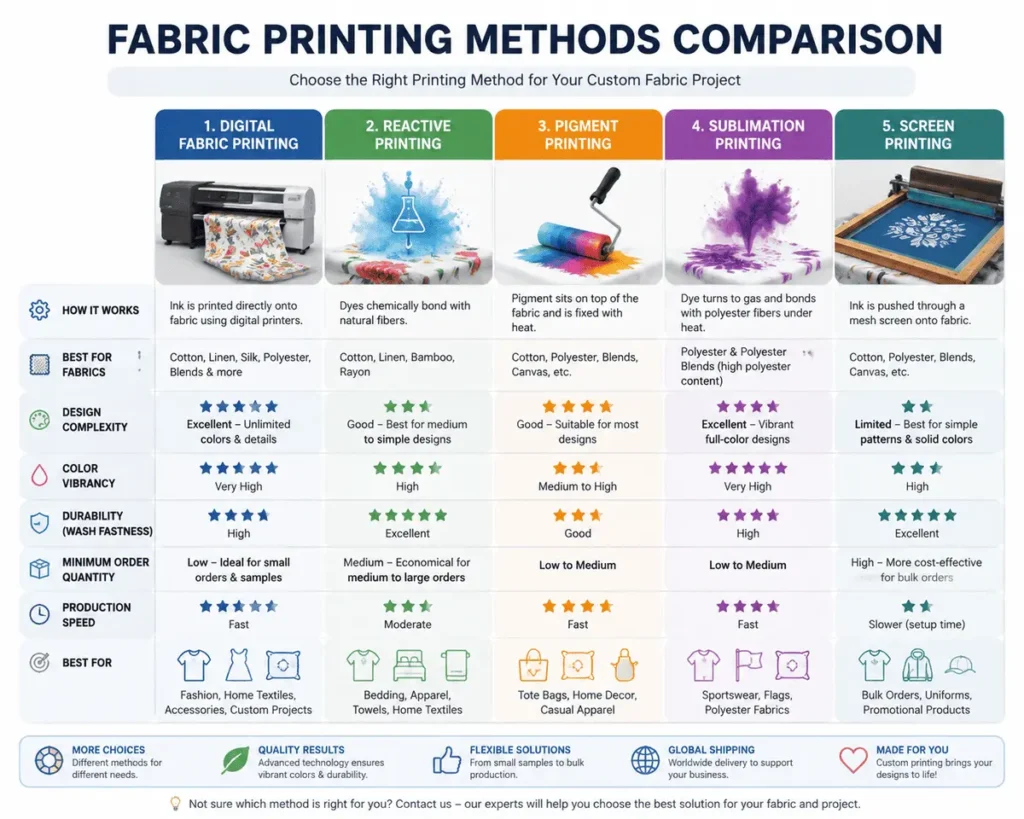
1. Digital Fabric Printing
Digital fabric printing is one of the most flexible methods for producing customized textiles.
This technology works by printing designs directly onto fabric using specialized textile printers.
Unlike traditional printing methods, digital printing does not require creating separate screens, making it ideal for customized designs and smaller production runs.
Advantages of Digital Fabric Printing
Unlimited Design Possibilities
Digital printing allows customers to create:
- Complex patterns
- Gradient colors
- Photographic images
- Detailed illustrations
- Repeating designs
This makes it an excellent choice for designers who need creative freedom.
Suitable for Small Orders
Traditional textile printing often requires large quantities because of setup costs.
Digital printing reduces these limitations and works well for:
- Sample production
- Independent designers
- Small brands
- Custom projects
For businesses testing new product ideas, digital fabric printing reduces inventory risk.
High Detail and Color Accuracy
Digital printing can reproduce fine details that are difficult to achieve with traditional methods.
It is especially suitable for:
- Artwork
- Logos
- Digital illustrations
- Photo textile printing
2.Reactive Printing
Reactive printing is widely used for natural fibers, especially cotton fabrics.
According to the American Association of Textile Chemists and Colorists (AATCC), textile testing and color evaluation standards play an important role in maintaining fabric quality and performance.
During reactive printing, dyes chemically bond with the fabric fibers, creating excellent color durability.
Best Fabrics for Reactive Printing
Common fabrics include:
- Cotton
- Linen
- Bamboo fabric
- Rayon
Advantages of Reactive Printing
Excellent Wash Fastness
Reactive printing creates strong color bonding, making it suitable for products that require frequent washing.
Examples:
- Bedding
- Clothing
- Baby textiles
- Home fabrics
Soft Fabric Feel
Because the dye becomes part of the fiber, reactive printing maintains the original softness of the fabric.
This makes it popular for:
- Cotton apparel
- Luxury home textiles
- Baby products
3. Pigment Printing
Pigment printing is another popular textile printing method.
Unlike reactive printing, pigment printing uses pigments that attach to the surface of the fabric with binders.
It works on a wide variety of materials.
Advantages of Pigment Printing
Broad Fabric Compatibility
Pigment printing can be used on:
- Cotton
- Polyester
- Blended fabrics
Cost-Effective Production
For certain applications, pigment printing provides a practical balance between quality and cost.
Common applications include:
- Promotional textiles
- Fashion fabrics
- Decorative fabrics
4. Sublimation Printing
Sublimation printing is commonly used for polyester fabrics.
During the process, solid dye transforms into gas and bonds with polyester fibers under heat.
Best Fabrics for Sublimation Printing
Sublimation works best with:
- Polyester fabric
- Polyester blends with high polyester content
Common Applications
Sublimation printing is widely used for:
- Sportswear
- Activewear
- Flags
- Decorative textiles
- Custom polyester products
5. Screen Printing
Screen printing is one of the oldest textile printing methods.
It uses prepared screens to transfer ink onto fabric.
Although digital printing has become popular for customization, screen printing remains useful for larger production volumes.
Advantages of Screen Printing
- Strong color coverage
- Good durability
- Suitable for bulk production
- Cost-effective for large quantities
Digital Printing vs Screen Printing
| Feature | Digital Fabric Printing | Screen Printing |
|---|---|---|
| Design Setup | No screen required | Screen preparation needed |
| Small Orders | Excellent | Less suitable |
| Color Options | Unlimited | Limited by screens |
| Large Quantity | Possible | Excellent |
| Photo Printing | Excellent | Limited |
Best Fabrics for Custom Printing
Selecting the right fabric is just as important as choosing the printing method.
Different fabrics absorb ink differently and create different appearances, textures, and performance characteristics.
The best fabric for printing depends on:
- Product purpose
- Desired texture
- Durability requirements
- Printing technology
- Customer budget
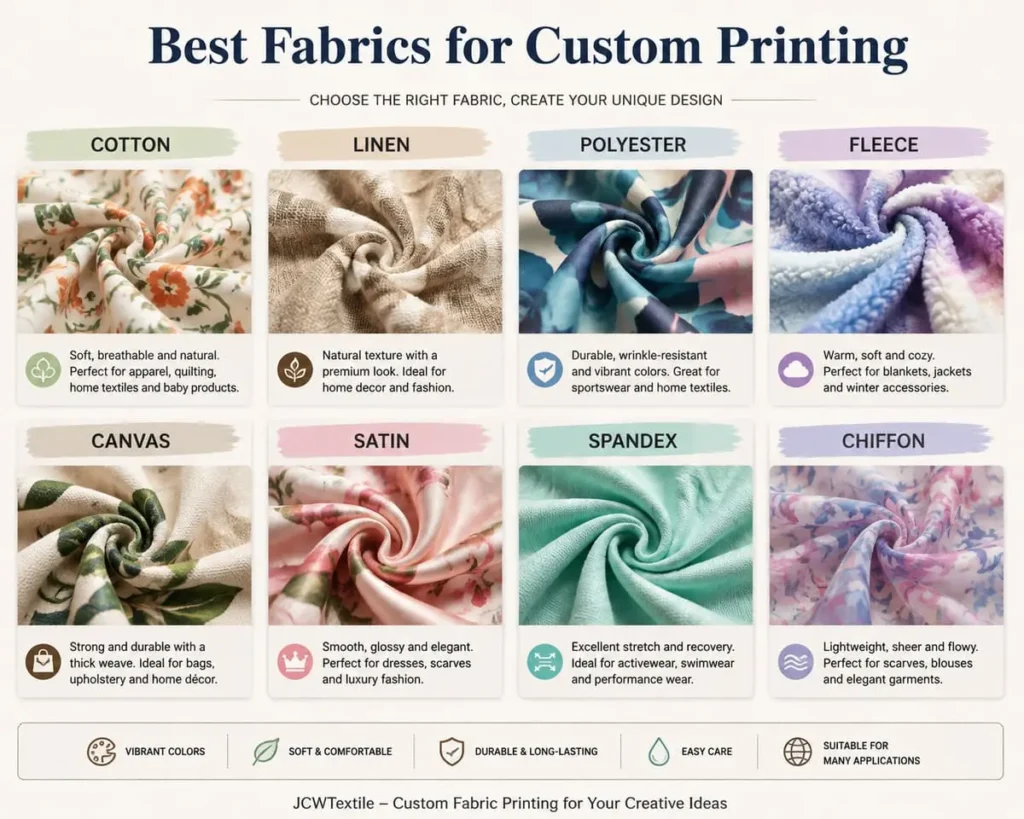
Cotton Fabric
Cotton is one of the most popular choices for custom fabric printing.
It is widely used because of:
- Soft texture
- Breathability
- Natural appearance
- Comfortable wearing experience
Best Applications for Printed Cotton Fabric
Cotton is suitable for:
- Clothing
- Quilting
- Baby products
- Home textiles
- Craft projects
Popular cotton fabrics include:
- Cotton poplin
- Cotton twill
- Cotton canvas
- Cotton sateen
Linen Fabric
Linen is valued for its natural texture and premium appearance.
Printed linen fabric is commonly used for:
- Home décor
- Fashion products
- Luxury textile projects
Advantages:
- Breathable
- Durable
- Natural appearance
Linen blends such as linen cotton fabric provide additional softness and easier maintenance.
Polyester Fabric
Polyester is one of the most versatile synthetic fabrics for printing.
Advantages:
- Excellent color retention
- Durable
- Quick drying
- Affordable
Common uses:
- Sportswear
- Outdoor textiles
- Fashion fabrics
- Promotional products
Polyester works especially well with sublimation printing.
Fleece Fabric
Fleece is a soft and warm textile commonly used for:
- Blankets
- Jackets
- Baby products
- Winter accessories
Printed fleece fabric allows designers to create customized:
- Character patterns
- Floral designs
- Seasonal prints
Popular fleece materials include:
- Polyester fleece
- Blizzard fleece
- Plush fleece
Spandex and Lycra Fabric
Spandex fabrics provide stretch and flexibility.
Common blends include:
- Polyester spandex
- Lycra spandex
- Cotton spandex
Applications:
- Activewear
- Swimwear
- Leggings
- Sports clothing
When printing stretch fabrics, it is important to consider:
- Fabric elasticity
- Ink flexibility
- Color durability
Canvas Fabric
Canvas is a strong and durable textile.
It is commonly used for:
- Bags
- Upholstery
- Art projects
- Home décor
Popular options include:
- Cotton canvas
- Duck canvas
- Polyester canvas
Satin and Chiffon Fabric
Satin and chiffon are popular fashion fabrics.
Satin Fabric
Characteristics:
- Smooth surface
- Elegant shine
- Luxury appearance
Applications:
- Dresses
- Scarves
- Fashion accessories
Chiffon Fabric
Characteristics:
- Lightweight
- Transparent appearance
- Soft drape
Applications:
- Fashion garments
- Scarves
- Decorative textiles
How Custom Fabric Printing Works
Understanding the production process helps customers prepare better designs and achieve better results.
The typical custom fabric printing workflow includes several important steps.
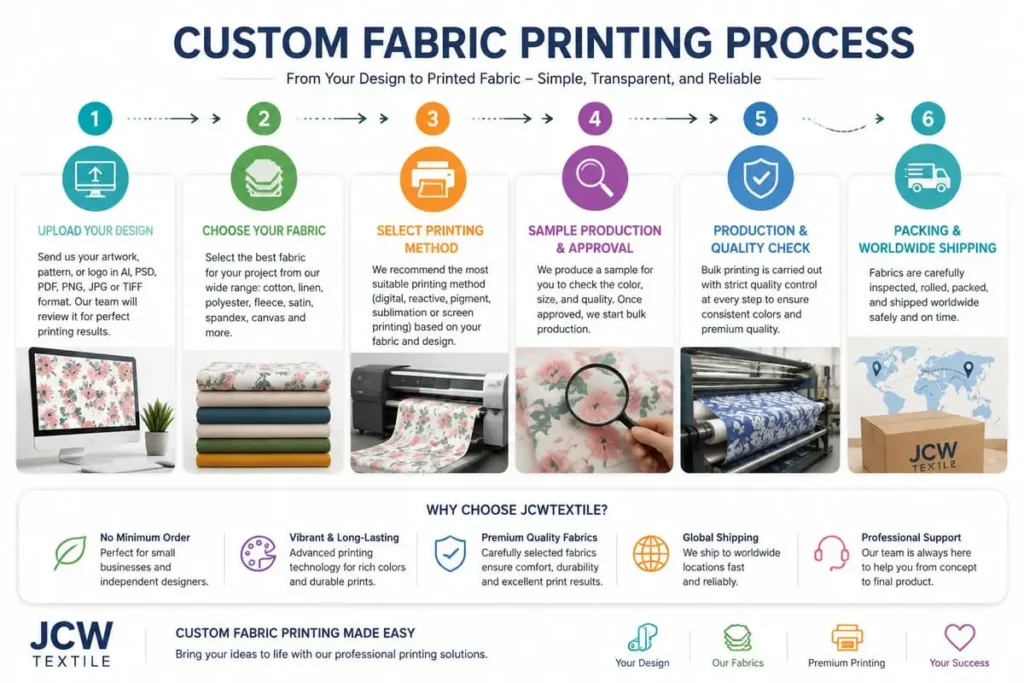
Step 1: Create or Upload Your Design
The process begins with artwork preparation.
Customers can provide:
- Original illustrations
- Digital patterns
- Logos
- Photos
- Repeat designs
Recommended file formats:
- PNG
- JPG
- TIFF
- AI
- PSD
For the best printing results:
- Use high-resolution images
- Check color settings
- Prepare correct dimensions
Step 2: Choose the Right Fabric
Fabric selection depends on the final application.
Examples:
| Application | Recommended Fabric |
|---|---|
| Fashion clothing | Cotton, linen, chiffon, satin |
| Sportswear | Polyester spandex |
| Blankets | Fleece, plush fabric |
| Baby products | Cotton, bamboo fabric |
| Bags | Canvas, twill |
Step 3: Select Printing Method
The printing method depends on:
- Fabric composition
- Design complexity
- Usage requirements
Examples:
Cotton:
→ Reactive printing
Polyester:
→ Sublimation printing
Mixed fabrics:
→ Pigment or specialized printing methods
Step 4: Sample Production
Before bulk production, sampling helps verify:
- Color accuracy
- Fabric quality
- Print appearance
- Final product expectations
Fabric samples are especially important for:
- Fashion collections
- Brand development
- Large orders
Step 5: Production and Quality Inspection
After approval, the fabric moves into production.
Quality checks may include:
- Color consistency
- Printing accuracy
- Fabric defects
- Finishing quality
Professional textile suppliers ensure the final fabric meets customer expectations.
Step 6: Shipping Worldwide
After production completion, fabrics are prepared for delivery.
Important factors include:
- Packaging protection
- Shipping method
- Destination requirements
JCWTextile supports worldwide shipping for customers in different markets.
Applications of Custom Printed Fabric
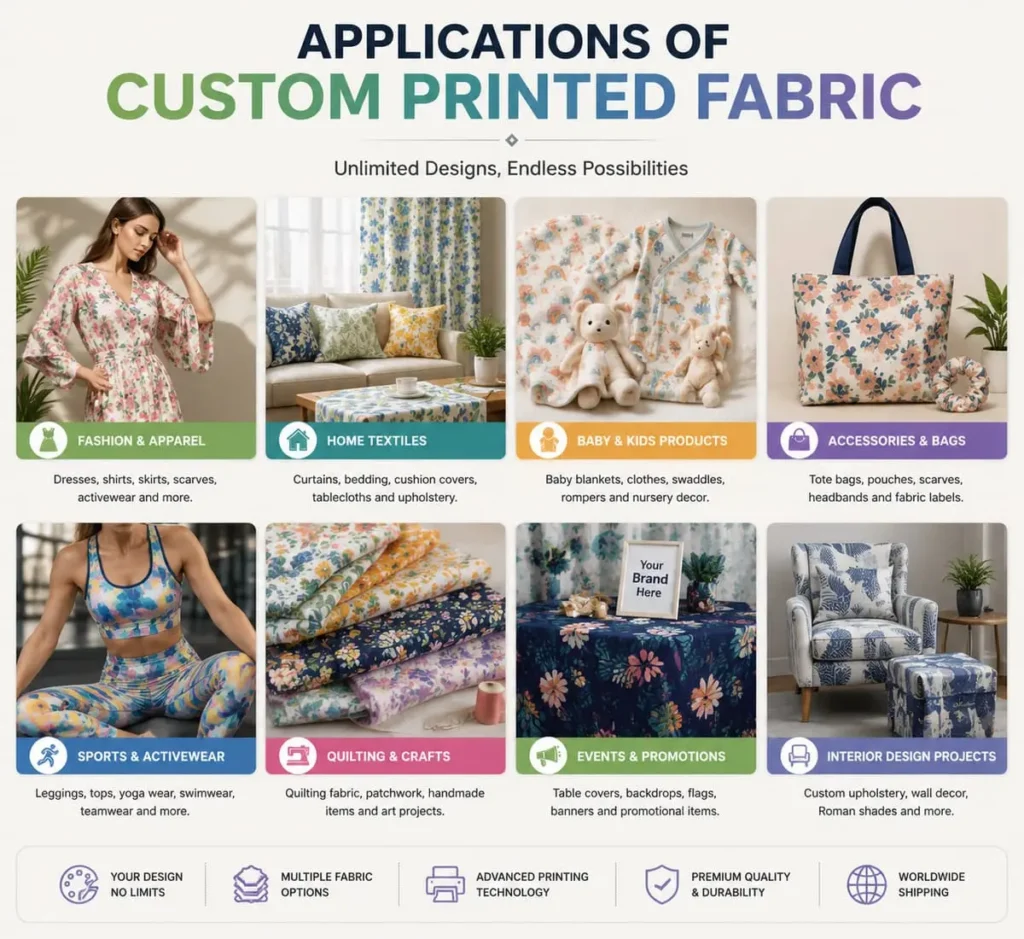
Custom printed fabric is widely used across different industries because it allows businesses and individuals to create unique textile products with complete design control.
From fashion collections to home décor projects, personalized fabrics help brands create products that are visually distinctive and aligned with their identity.
Fashion designers and clothing brands can use custom printed fabrics to create original collections, signature patterns, and limited-edition garments. Learn more in our guide to Custom Fabric Printing for Clothing Brands & Fashion Designers.
Custom Printed Fabric for Fashion and Apparel
Fashion is one of the largest applications of custom fabric printing.
Designers and clothing brands use custom printed textiles to create:
- Dresses
- Shirts
- Skirts
- Jackets
- Scarves
- Activewear
- Children’s clothing
Custom printing allows fashion designers to develop exclusive patterns instead of relying on common factory designs.
For example:
A fashion brand can create a seasonal collection using:
- Custom floral patterns
- Brand-specific artwork
- Unique geometric designs
- Personalized color combinations
This helps products stand out in competitive markets.
Custom Fabric Printing for Home Textiles
Home décor is another important market for personalized fabrics.
Interior designers and home textile companies use custom printed fabrics for:
- Curtains
- Cushion covers
- Bedding
- Tablecloths
- Upholstery
- Decorative accessories
Custom designs allow homeowners and designers to create coordinated interior styles.
Examples:
- Matching curtain and cushion patterns
- Personalized bedroom textiles
- Seasonal home décor collections
Custom Fabric Printing for Baby Products
Baby textile products often require soft, comfortable, and safe materials with attractive designs.
Custom printed fabrics are commonly used for:
- Baby blankets
- Baby clothes
- Swaddles
- Rompers
- Nursery décor
Popular fabric choices include:
- Cotton
- Bamboo fabric
- Muslin
- Soft fleece
Designers can create:
- Animal patterns
- Cartoon illustrations
- Personalized names
- Gentle floral designs
Custom Fabric Printing for Accessories
Fabric accessories are another popular application.
Examples include:
- Tote bags
- Scarves
- Headbands
- Fabric labels
- Pouches
- Handmade products
Small businesses and independent creators often use custom printed fabric to create limited-edition products.
Custom Fabric Printing for Quilting and Craft Projects
Quilters and craft enthusiasts often need unique fabrics that are unavailable in traditional fabric stores.
Custom printing allows creators to produce:
- Personalized quilting cotton
- Art fabrics
- Memory quilts
- Handmade gifts
Benefits include:
- Complete design freedom
- Small quantity production
- Unique creative possibilities
Custom Fabric Printing for Different Customers
Custom fabric printing serves different types of customers, from individual creators to international brands.
Understanding your specific needs helps determine the right fabric, printing method, and production approach.
Fashion Designers
Fashion designers often need:
- Exclusive textile patterns
- Small production quantities
- High-quality samples
- Flexible customization
Custom fabric printing allows designers to test new collections without investing in large inventories.
Common requirements:
- Premium fabrics
- Accurate colors
- Repeat patterns
- Fast sampling
Clothing Brands
Established brands use custom printed fabrics to develop unique product lines.
Typical projects include:
- Seasonal collections
- Private label clothing
- Brand-exclusive textiles
Benefits:
- Stronger brand identity
- Product differentiation
- More creative control
Small Businesses and Startups
Small businesses often face challenges when ordering traditional fabrics.
Custom digital printing provides:
- Lower entry barriers
- Reduced inventory risk
- Flexible order quantities
This makes it suitable for:
- Etsy sellers
- Boutique brands
- Handmade businesses
- New product development
Artists and Independent Creators
Artists can transform their artwork into physical textile products.
Applications include:
- Art prints on fabric
- Creative merchandise
- Limited edition collections
Custom fabric printing allows artists to expand beyond traditional artwork formats.
Factors Affecting Custom Fabric Printing Cost
The cost of custom fabric printing depends on several factors.
Understanding these factors helps customers plan their projects more effectively.
1. Fabric Type
Different fabrics have different material costs and printing requirements.
For example:
| Fabric | Cost Consideration |
|---|---|
| Cotton | Natural fiber, premium feel |
| Linen | Luxury texture, higher material cost |
| Polyester | Affordable and versatile |
| Fleece | Depends on thickness and softness |
| Spandex blends | Specialized production requirements |
Choosing the right fabric balances quality and budget.
2. Printing Method
Different printing technologies affect pricing.
Generally:
- Digital printing is ideal for customization and small orders
- Screen printing becomes more economical for large quantities
- Specialized printing methods may increase production costs
The best printing method depends on:
- Fabric composition
- Design complexity
- Quantity
- Final application
3. Order Quantity
Production quantity can influence the unit price.
Small orders are ideal for:
- Samples
- Testing
- Limited collections
Larger orders usually provide better production efficiency.
However, one major advantage of modern digital textile printing is that customers can create customized fabrics without extremely high minimum quantities.
4. Design Complexity
Design characteristics can affect production requirements.
Factors include:
- Number of colors
- Pattern complexity
- Image resolution
- Repeat size
- Special effects
Highly detailed artwork may require additional preparation.
5. Fabric Finishing Requirements
Additional finishing processes may affect the final cost.
Examples:
- Water resistance
- Soft finishing
- Anti-pilling treatment
- Special coating
These options depend on the intended product application.
How to Prepare Your Design for Fabric Printing
Preparing artwork correctly is essential for achieving high-quality printed fabric.
Before submitting your design, consider the following factors.
Use High-Resolution Images
Low-resolution images may appear blurry after printing.
Recommended:
- High DPI images
- Clear artwork
- Original design files whenever possible
For photo fabric printing, high-quality images create better results.
Choose the Correct File Format
Common formats include:
- PNG
- JPG
- TIFF
- AI
- PSD
Vector files are especially useful for:
- Logos
- Simple patterns
- Brand graphics
Consider Color Management
Colors displayed on screens may differ from printed results.
For accurate color communication, designers often use standardized color systems such as Pantone colors when preparing artwork for textile production.
Professional textile printing considers:
- Color profiles
- Fabric characteristics
- Printing technology
For important projects, ordering a fabric sample before production is recommended.
Create Repeat Patterns Correctly
Many fabrics require repeating designs.
Common repeat styles include:
- Straight repeat
- Half-drop repeat
- Mirror repeat
Proper pattern preparation ensures seamless printing across the fabric surface.
How to Order Custom Printed Fabric
Ordering custom printed fabric is a simple process when the requirements are clear.
A typical workflow includes the following steps.
Step 1: Share Your Design
Provide:
- Artwork
- Images
- Logos
- Pattern files
Our team can review the design requirements and recommend suitable options.
Step 2: Select Your Fabric
Choose from different fabric options based on your application.
Examples:
For apparel:
- Cotton
- Linen
- Spandex blends
For blankets:
- Fleece
- Plush fabrics
For outdoor products:
- Polyester
- Performance fabrics
Step 3: Confirm Printing Details
Important details include:
- Fabric type
- Printing method
- Quantity
- Fabric width
- Finishing requirements
Step 4: Review Samples
Samples allow you to confirm:
- Color appearance
- Fabric texture
- Print quality
This step is especially important for:
- Brand collections
- Large production orders
Step 5: Production and Delivery
After approval:
- Fabric production begins
- Quality inspection is completed
- Fabric is packaged
- Shipment is arranged
JCWTextile supports customers worldwide with custom textile printing solutions.
Start Your Custom Fabric Printing Project with JCWTextile
Custom fabric printing gives designers, brands, and businesses the freedom to create unique textiles with complete control over design, fabric selection, and production.
Whether you need a small sample, personalized fabric for a creative project, or large-scale textile production, choosing the right printing partner helps ensure quality results.
JCWTextile provides custom textile printing solutions for customers worldwide, supporting:
- Custom designs
- Multiple fabric choices
- Flexible order quantities
- Professional textile production
Ready to turn your ideas into custom printed fabric?
Create Your Custom Fabric Today:
Explore More Custom Fabric Printing Guides
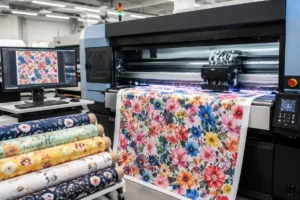
Digital Fabric Printing Explained
Learn how digital textile printing works, including methods, benefits, and applications.
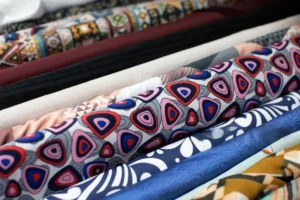
What Fabric Is Best for Digital Printing
Compare cotton, polyester, linen, fleece and other fabrics for digital textile printing.
Photo Fabric Printing
Digital printing technology makes it easier than ever to convert digital images into high-quality textile designs.
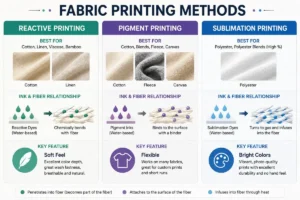
Fabric Printing Methods Compared
Compare reactive, pigment, and sublimation printing and find the right method for different fabrics and applications.
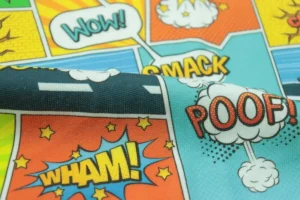
How to Create Custom Printed Fabric
Learn how to turn your own artwork into custom printed fabric, from design preparation and fabric selection to printing, sampling, and production.
📚 Frequently Asked Questions About Custom Fabric Printing
1. What is custom fabric printing?
Custom fabric printing is the process of printing personalized designs, images, patterns, or logos onto fabric according to customer requirements.
It allows designers and businesses to create unique textiles instead of using standard factory patterns.
2. What fabrics can be used for custom printing?
Many fabrics can be printed, including:
- Cotton
- Linen
- Polyester
- Fleece
- Canvas
- Satin
- Chiffon
- Spandex blends
The best fabric depends on the final application and printing method.
3. Can I print my own design on fabric?
Yes.
Customers can upload their own:
- Artwork
- Photos
- Logos
- Patterns
Digital fabric printing makes personalized textile production possible for both small and large projects.
4. Is there a minimum order quantity for custom fabric printing?
Minimum order requirements depend on the fabric type and printing method.
Modern digital printing allows more flexibility compared with traditional textile production and is suitable for small projects, samples, and larger orders.
5. What is the best fabric for digital printing?
The best fabric depends on the application.
Popular options include:
- Cotton for apparel and home textiles
- Polyester for sportswear and sublimation
- Fleece for blankets
- Canvas for bags and décor
6. How long does custom fabric printing take?
Production time depends on:
- Fabric selection
- Order quantity
- Printing method
- Finishing requirements
Customers should confirm the timeline before production.