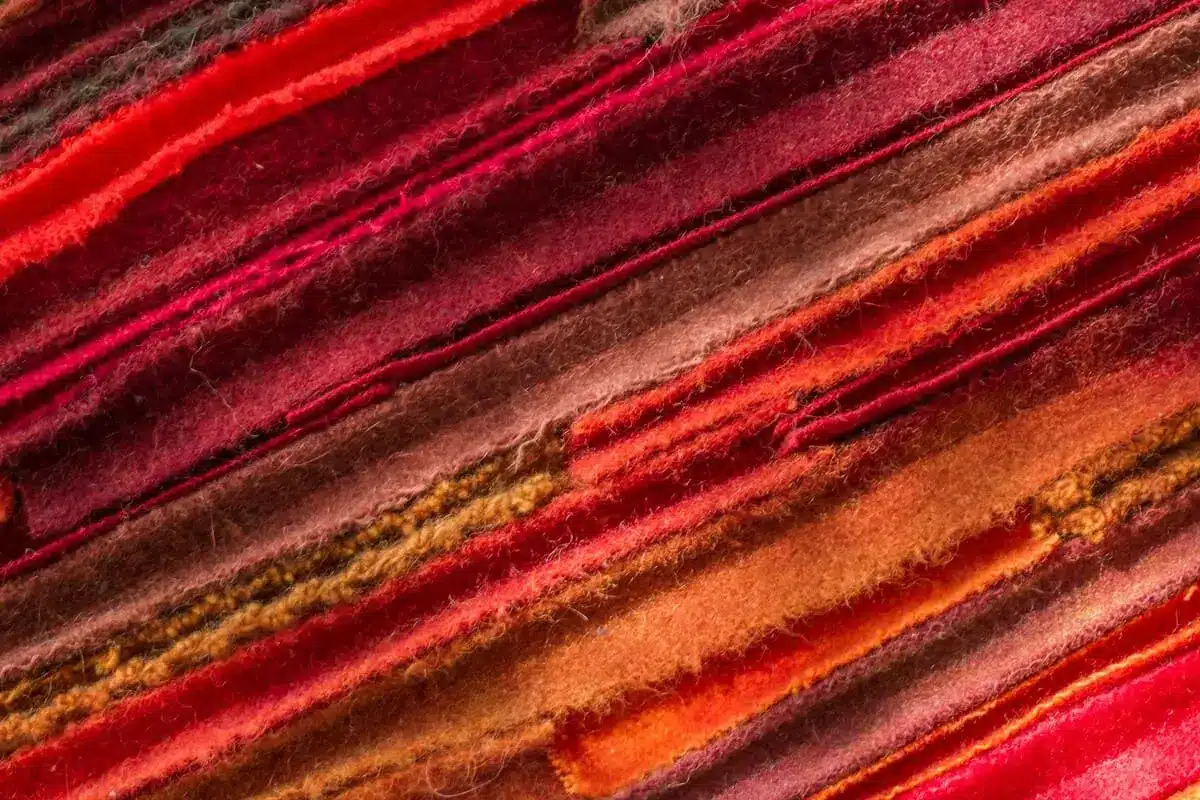
Velvet is one of the most luxurious textile materials used in fashion, interior design, and premium lifestyle products. Known for its soft texture, rich appearance, and elegant surface, velvet has remained a popular choice for designers creating high-end garments, home furnishings, accessories, and decorative textiles.
With modern textile technology, velvet fabric printing allows brands, designers, and manufacturers to create customized velvet textiles featuring unique patterns, artwork, logos, and personalized designs.
Unlike flat woven fabrics, velvet has a raised pile surface that creates a distinctive light-reflecting effect. Therefore, custom velvet printing requires careful consideration of:
- Fabric construction
- Fiber composition
- Printing technology
- Color performance
- Final application
For businesses exploring customized textile solutions, our Custom Fabric Printing Guide explains the complete process from artwork preparation to finished printed fabrics.
This guide covers what velvet fabric is, different velvet types, suitable printing methods, applications, artwork preparation, durability, sustainability considerations, and how brands can order custom printed velvet fabrics.
Table of Contents:Velvet Fabric Printing
What Is Velvet Fabric?
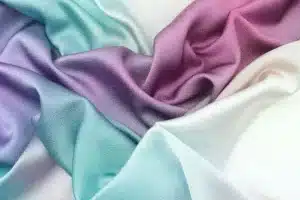
Velvet is a textile characterized by a dense, soft pile surface created through a special weaving or knitting process.
The raised fibers create:
- Soft touch
- Rich appearance
- Elegant texture
- Light-catching effects
Traditionally associated with luxury clothing and interiors, velvet is now widely used in modern fashion and lifestyle products.
Common velvet applications include:
- Evening dresses
- Jackets
- Curtains
- Cushions
- Upholstery
- Decorative accessories
Key Characteristics of Velvet Fabric
1. Soft and Luxurious Texture
The most recognizable feature of velvet is its smooth, plush surface.
Benefits include:
- Comfortable touch
- Premium appearance
- Elegant visual effect
This makes velvet popular for luxury fashion and interior products.
2. Rich Color Appearance
Because velvet has a pile surface, colors can appear deeper and more dimensional.
Custom printed velvet fabrics can create:
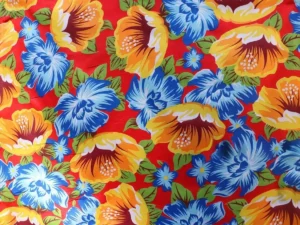
- Rich floral patterns
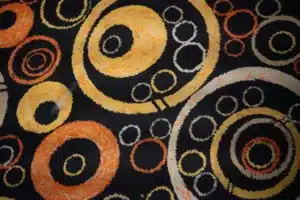
- Artistic designs
- Luxury textures
- Decorative effects
3. Excellent Drape
Depending on fiber composition and weight, velvet can provide beautiful garment movement.
Applications include:
- Dresses
- Jackets
- Costumes
- Fashion accessories
4. Premium Decorative Effect
Velvet is widely used in interiors because it adds:
- Warmth
- Texture
- Luxury feeling
Common products:
- Sofas
- Curtains
- Pillows
- Wall decorations
What Types of Velvet Fabric Can Be Printed?
Different velvet constructions offer different performance characteristics.
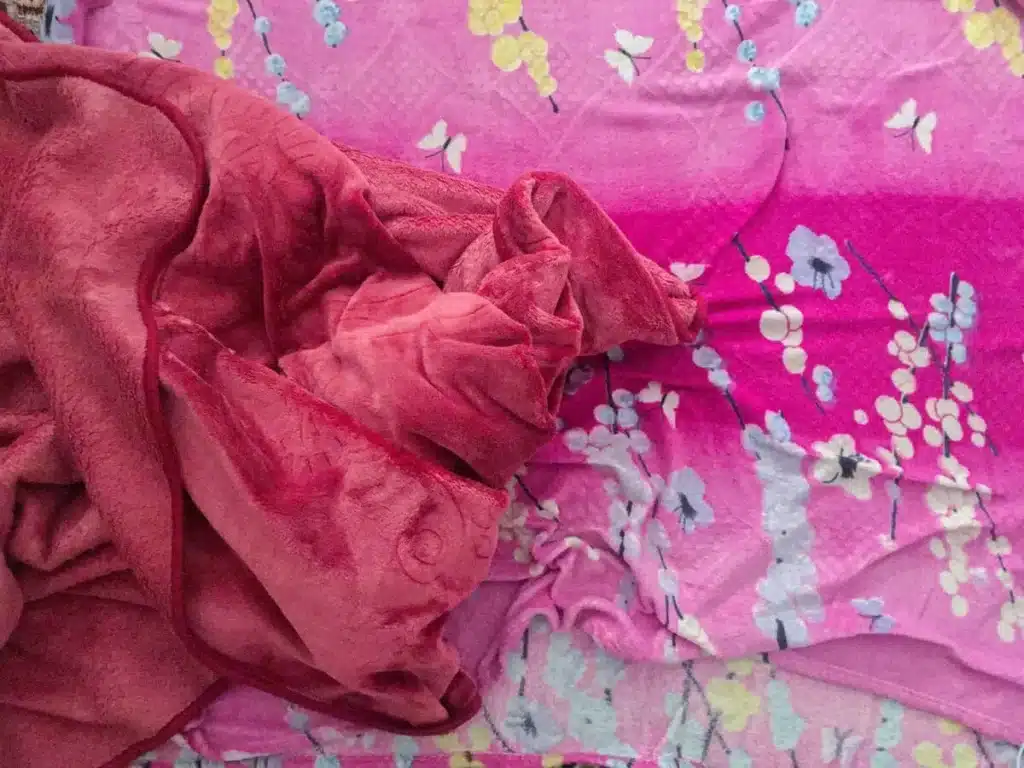
1. Polyester Velvet
Polyester velvet is one of the most commonly used velvet types.
Advantages:
- Durable
- Cost-effective
- Good color performance
- Suitable for digital printing
Applications:
- Home decor
- Fashion garments
- Accessories
2. Cotton Velvet
Cotton velvet provides a natural fiber option with a soft hand feel.
Characteristics:
- Comfortable texture
- Breathability
- Premium appearance
Applications:
- Luxury clothing
- Decorative textiles
3. Stretch Velvet
Stretch velvet combines velvet texture with elastic fibers.
Benefits:
- Flexible fit
- Comfortable movement
- Suitable for fitted garments
Applications:
- Dancewear
- Stage costumes
- Fashion apparel
4. Crushed Velvet
Crushed velvet has a unique textured appearance created through surface treatment.
Common uses:
- Fashion garments
- Decorative products
- Luxury accessories
Is Velvet Fabric Good for Printing?
Yes. Velvet can be customized through suitable textile printing technologies.
However, velvet requires special attention because:
- The pile surface affects color appearance
- Printing parameters vary by fiber type
- Fabric preparation is important
Professional velvet printing focuses on maintaining:
- Soft texture
- Pattern clarity
- Color consistency
What Printing Methods Are Used for Velvet Fabric?
1. Digital Fabric Printing
Digital textile printing provides flexible customization for velvet fabrics.
Advantages:
- Complex patterns
- Unlimited colors
- Small production quantities
- Personalized designs
Suitable for:
- Fashion designers
- Interior brands
- Boutique collections
Learn more:
2. Pigment Printing
Pigment printing is commonly used for decorative velvet applications.
Advantages:
- Flexible design options
- Suitable for various textile surfaces
- Good pattern reproduction
Applications:
- Upholstery fabrics
- Decorative textiles
3. Transfer Printing
Transfer printing may be used for certain synthetic velvet fabrics.
Benefits:
- Detailed artwork
- Vibrant patterns
- Suitable for polyester-based velvet
Velvet Fabric Printing Process
The custom velvet printing workflow includes several important steps.
Step 1: Artwork Preparation
Design files should meet textile printing requirements.
Recommended:
- High-resolution artwork
- 300 DPI
- Correct color settings
- Pattern repeat preparation
Learn:
Step 2: Velvet Fabric Selection
The correct velvet type depends on the final product.
Examples:
Fashion:
- Stretch velvet
- Cotton velvet
Home decor:
- Polyester velvet
Luxury products:
- Premium velvet blends
Step 3: Fabric Preparation
Before printing:
- Surface inspection
- Fabric cleaning
- Printing preparation
help improve print quality.
Step 4: Digital Printing
The custom design is applied onto the velvet surface.
Digital printing enables:
- Custom patterns
- Brand designs
- Artistic textile creation
Step 5: Color Fixation
After printing, fixation improves:
- Color stability
- Wash performance
- Pattern durability
Step 6: Quality Inspection
Final inspection checks:
- Color consistency
- Surface appearance
- Fabric quality
Applications of Custom Printed Velvet Fabric
Velvet is widely used across fashion and interior industries.
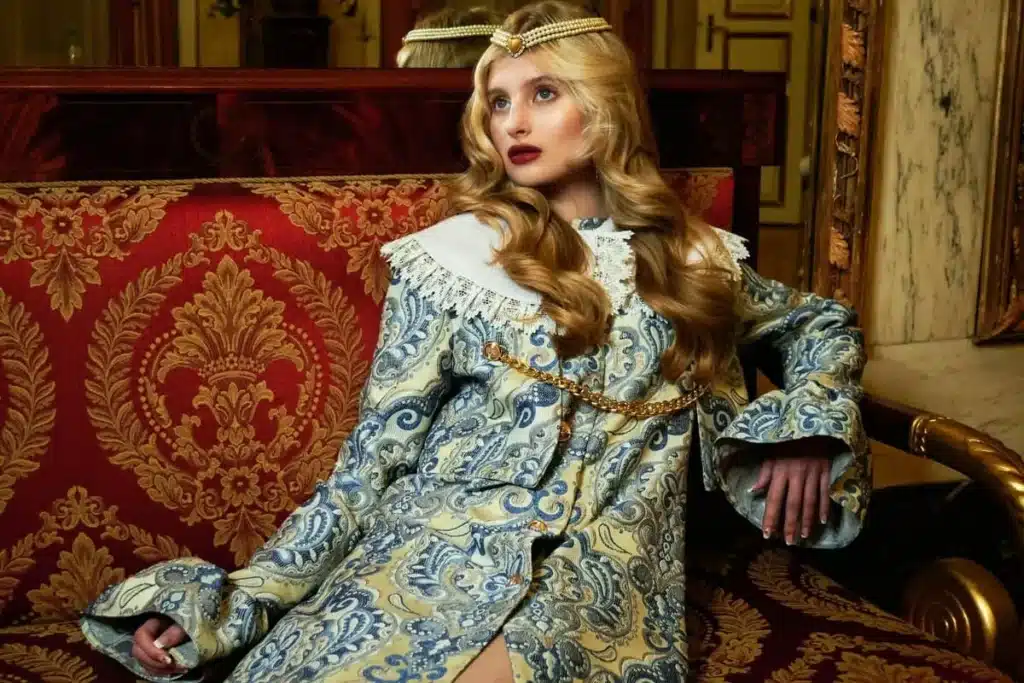
Luxury Fashion Apparel
Printed velvet fabrics are used for:
- Dresses
- Jackets
- Skirts
- Evening wear
Designers choose velvet because it creates:
- Premium appearance
- Rich texture
- Elegant style
Home Decor and Upholstery
Velvet is a popular choice for:
- Curtains
- Cushions
- Sofas
- Decorative fabrics
Custom printing allows brands to create:
- Unique interior collections
- Personalized designs
- Luxury home products
Explore:
Stage Costumes and Performance Clothing
Velvet is often selected for:
- Theater costumes
- Dance outfits
- Performance clothing
because of its:
- Dramatic appearance
- Rich colors
- Comfortable texture
Accessories
Printed velvet can be used for:
- Bags
- Hair accessories
- Decorative items
Explore:
For products that come into direct contact with consumers, textile safety certifications such as OEKO-TEX STANDARD 100 help brands evaluate material safety requirements.
How to Choose Velvet Fabric for Printing
For Fashion Products
Consider:
- Softness
- Stretch capability
- Fabric weight
For Home Decor
Consider:
- Durability
- Thickness
- Cleaning requirements
For Luxury Brands
Consider:
- Fabric quality
- Pattern complexity
- Finishing options
How to Prepare Artwork for Velvet Fabric Printing
Consider Velvet Texture
Velvet’s raised surface affects how colors appear.
Designers should consider:
- Pattern scale
- Color contrast
- Fabric direction
Use High Resolution Artwork
Recommended:
- 300 DPI
- Clear details
- Proper color settings
Test Before Production
Sampling helps evaluate:
- Final appearance
- Color effect
- Fabric texture
Sustainable Velvet Fabric Options
As sustainable textile demand grows, brands are exploring more responsible velvet solutions.
Options may include:
- Recycled polyester velvet
- Responsible fiber sourcing
- Improved production processes
Organizations such as Textile Exchange provide information about preferred fiber materials and responsible textile development.
For sustainable printing approaches:
Sustainable Digital Fabric Printing
Some textile producers also consider responsibly sourced materials supported by systems such as FSC certified materials.
Is Printed Velvet Fabric Durable?
Yes. Properly produced printed velvet can provide excellent performance.
Durability depends on:
- Velvet fiber type
- Printing technology
- Finishing process
- Product application
For upholstery and fashion products, proper care helps maintain:
- Color appearance
- Fabric softness
- Surface quality
Can Small Businesses Order Custom Printed Velvet Fabric?
Yes.
Digital printing allows smaller brands to create custom velvet textiles without large inventory requirements.
Suitable for:
- Fashion startups
- Interior designers
- Boutique brands
- Creative projects
Benefits include:
- Flexible production
- Unique designs
- Reduced inventory risk
Learn more:
How Much Does Velvet Fabric Printing Cost?
Pricing depends on:
- Velvet type
- Fabric weight
- Printing method
- Quantity
- Design complexity
Factors include:
- Polyester vs cotton velvet
- Custom finishing
- Production volume
Learn more:
How to Order Custom Printed Velvet Fabric from JCWTextile
Step 1
Choose your velvet fabric type.
Step 2
Upload your design.
Step 3
Confirm printing requirements.
Step 4
Review samples.
Step 5
Start production.
JCWTextile provides custom printed fabric solutions for:
- Fashion designers
- Interior brands
- Textile businesses
- Creative manufacturers
worldwide.
Conclusion
Velvet fabric printing provides designers and brands with a way to create luxurious, customized textiles for fashion, home decor, and lifestyle products.
Because velvet combines:
- Soft texture
- Rich appearance
- Premium quality
- Decorative appeal
it remains an important fabric choice for luxury textile applications.
Successful custom printed velvet production depends on:
- Choosing the right velvet type
- Selecting suitable printing technology
- Preparing artwork correctly
- Testing final results
With modern textile printing technology, businesses can create unique velvet fabrics for premium collections and customized products.
📚 FAQ About Velvet Fabric Printing
1. What is velvet fabric printing?
Velvet fabric printing is the process of applying custom patterns, designs, or artwork onto velvet textiles using suitable textile printing technologies.
2. Can velvet fabric be digitally printed?
Yes. Digital printing can be used for many velvet fabrics, especially synthetic velvet materials, to create customized patterns and designs.
3. What products use printed velvet fabric?
Printed velvet fabric is commonly used for fashion apparel, curtains, cushions, upholstery, accessories, and decorative textiles.
4. Is velvet fabric suitable for home decor printing?
Yes. Velvet is widely used for home decor because of its soft texture, rich appearance, and premium decorative effect.
5. Can I order small quantities of custom printed velvet fabric?
Yes. Digital textile printing allows small-batch production suitable for designers, startups, and boutique brands.