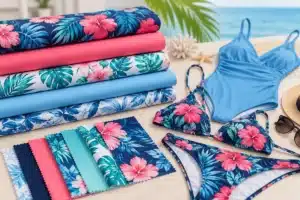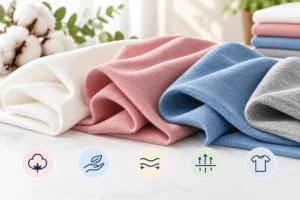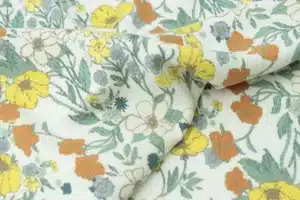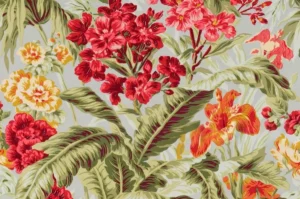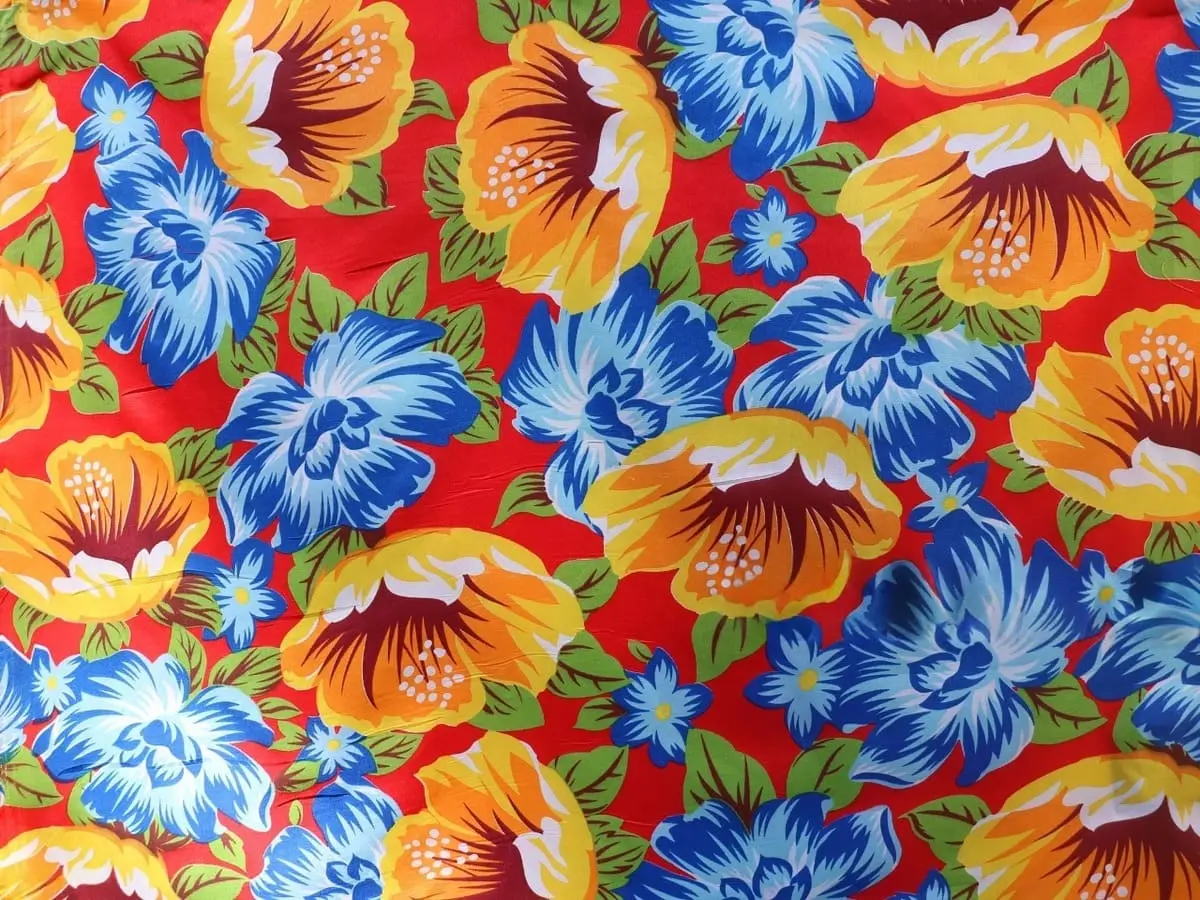
Rayon fabric printing allows fashion brands, textile designers, and small businesses to transform original artwork into custom printed rayon fabrics. Known for its soft texture, fluid drape, and comfortable feel, rayon is a popular material for dresses, blouses, skirts, scarves, and other lightweight textile products.
However, successful printing on rayon requires more than selecting an attractive design. Fiber composition, fabric construction, printing chemistry, color fixation, and finishing can all affect the appearance, durability, and hand feel of the finished fabric.
Different rayon fabrics may also respond differently to printing and washing. Choosing the appropriate fabric and production method is therefore essential, particularly for clothing brands developing commercial collections.
In this guide, we explain:
What rayon fabric is and how it differs from other regenerated cellulosic fibers.
Which rayon fabrics can be printed.
How digital, reactive dye, and pigment printing work.
The typical rayon fabric printing process.
How to select fabric for different applications.
Artwork preparation, durability, sustainability, and cost considerations.
How to order custom printed rayon fabric from JCWTextile.
For a broader introduction to textile customization, explore our Custom Fabric Printing Guide.
What Is Rayon Fabric?
Rayon is a manufactured cellulosic fiber produced by regenerating cellulose, commonly obtained from wood-based raw materials.
Although its raw material comes from natural cellulose, rayon undergoes chemical processing during fiber production. It is therefore different from naturally occurring fibers such as cotton and linen.
Rayon is valued for its softness, moisture absorption, and elegant drape. Depending on its construction, it can resemble the flowing appearance of silk while offering different performance and pricing characteristics.
Several related regenerated cellulosic fibers are used in the textile industry:
Viscose rayon: A widely used type of rayon, valued for its softness, absorbency, and drape.
Modal: A related regenerated cellulosic fiber often used in soft apparel and knit fabrics.
Lyocell: Another regenerated cellulosic fiber produced using a different manufacturing process.
Rayon blends: Fabrics combining rayon with fibers such as cotton, polyester, or elastane to achieve particular characteristics.
These materials are not interchangeable in every printing application.
For example, a woven viscose fabric may behave differently during printing and finishing than a knitted rayon blend. The fiber composition, construction, and finishing requirements should always be considered before production.
Key Characteristics of Rayon Fabric
Rayon offers several properties that make it attractive for custom textile printing.
Soft and Smooth Texture
Rayon fabrics often have a soft hand feel and smooth surface. These characteristics make them suitable for clothing worn close to the skin, including blouses, dresses, and scarves.
The actual texture depends on the yarn, fabric construction, and finishing process.
Excellent Drape
One of rayon’s most recognizable qualities is its fluid drape.
Lightweight rayon fabrics can create flowing silhouettes and graceful movement, making them popular for relaxed clothing and fashion collections.
However, not every rayon fabric drapes in the same way. Fabric weight and construction influence how the finished garment hangs.
Moisture Absorption and Comfort
Rayon fibers generally absorb moisture well, contributing to comfortable wear in suitable garments.
Breathability and overall comfort also depend on fabric density, construction, and the conditions in which the garment is worn.
Compatibility with Detailed Prints
Suitable rayon fabrics can reproduce detailed artwork, floral patterns, geometric designs, and other custom prints when paired with appropriate printing chemistry and processing conditions.
The final print quality depends on factors such as surface preparation, ink or dye selection, color fixation, and finishing.
What Types of Rayon Fabric Can Be Printed?
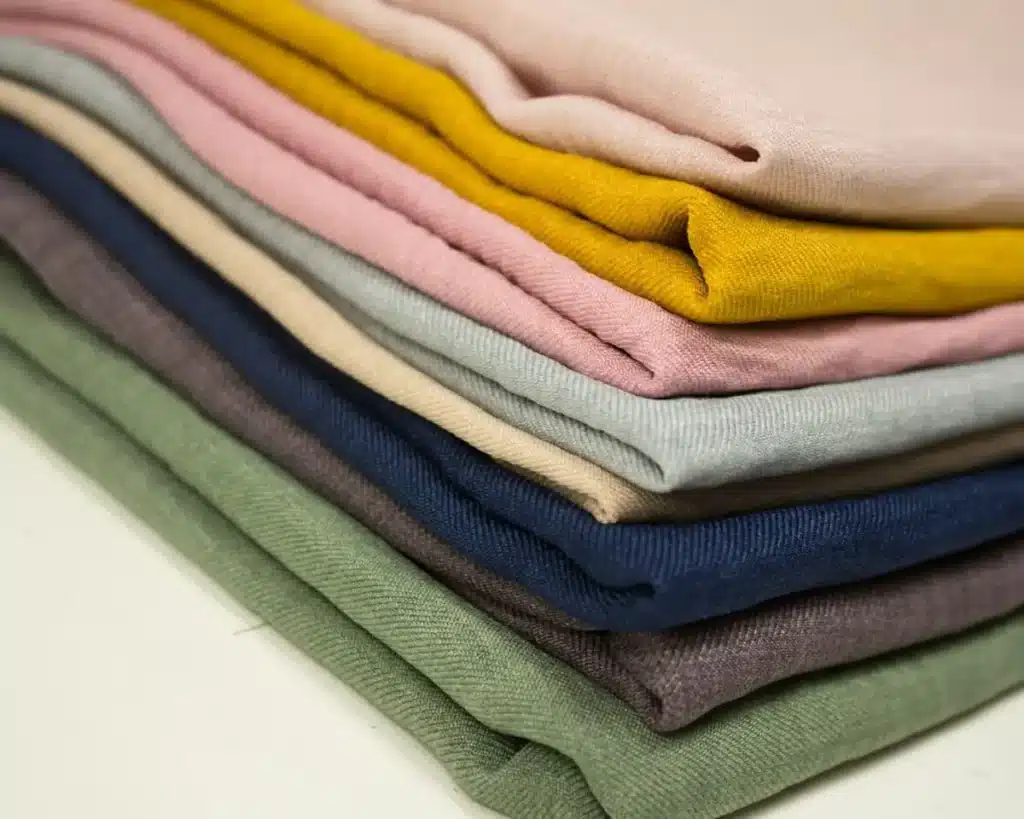
Different regenerated cellulosic fabrics have different properties, and their printing requirements are not necessarily identical.
The following comparison provides a general overview.| Fabric Type | Main Characteristics | Common Applications | Printing Considerations |
|---|---|---|---|
| Viscose Rayon | Soft, absorbent, fluid drape | Dresses, skirts, blouses | Check shrinkage, color fixation, and dimensional stability |
| Modal | Smooth, soft, comfortable | Knitwear, underwear, casual apparel | Confirm construction and compatible printing chemistry |
| Lyocell | Soft, often relatively strong, good moisture management | Fashion apparel, premium textiles | Evaluate surface finishing and print compatibility |
| Rayon Blends | Properties depend on fiber percentages | Apparel, scarves, casualwear | Printing chemistry must suit the complete fiber composition |
Viscose Rayon Fabric
Viscose is one of the most common forms of rayon used in apparel.
It is appreciated for its soft texture, fluid drape, and ability to create comfortable garments.
Suitable viscose fabrics can be used for custom printed dresses, skirts, blouses, and fashion accessories.
However, viscose may be sensitive to wet processing and dimensional changes. Proper fabric preparation, printing, and finishing are important.
Modal Fabric
Modal is a regenerated cellulosic fiber known for its soft hand feel.
It is frequently used in knitwear, underwear, casual clothing, and selected home textile products.
When printing modal fabrics, the manufacturer must consider the fiber composition, fabric construction, and appropriate printing chemistry.
Lyocell Fabric
Lyocell is another regenerated cellulosic fiber used in fashion and textile applications.
It is often valued for its softness, moisture management, and strength characteristics.
Printing suitability depends on the particular fabric, its surface treatment, and the chosen production process.
Rayon Blend Fabrics
Rayon is frequently blended with other fibers to adjust performance.
Examples include rayon-cotton, rayon-polyester, and rayon-elastane blends.
Blending may change the fabric’s strength, stretch, wrinkle behavior, or care requirements.
Because different fibers respond differently to dyes and printing processes, the exact composition should be confirmed before selecting a printing method.
Choosing the right fabric: For flowing apparel, suitable woven viscose fabrics may be a practical starting point. For stretch garments or other specialized products, a different construction or blend may be necessary.
Is Rayon Fabric Good for Printing?
Yes. Many rayon fabrics are suitable for textile printing because regenerated cellulose fibers can interact effectively with appropriate dye systems.
Their surfaces can also support detailed patterns and attractive color reproduction, depending on fabric construction and printing conditions.
Common advantages include:
Compatibility with suitable textile dye systems.
The ability to reproduce detailed custom patterns.
A soft and comfortable fabric feel.
Attractive results for fashion and accessory applications.
Flexibility for original designs and smaller collections.
However, rayon fabric printing requires careful control.
Some rayon fabrics may shrink, distort, or change their appearance during wet processing. Incorrect printing or finishing conditions can also affect color consistency and fabric hand feel.
For this reason, professional preparation and sample testing are important.
A printed sample allows buyers to evaluate color, texture, pattern scale, and fabric performance before committing to a larger production order.
What Printing Methods Are Used for Rayon Fabric?
Rayon can be printed using different textile technologies. The most suitable approach depends on fiber composition, fabric construction, production quantity, desired color performance, and finishing requirements.
It is important to distinguish between the method used to apply a design and the chemistry used to produce the color.
Digital textile printing describes an inkjet-based printing process. Reactive dyes and pigments describe different coloring systems that may be used in compatible digital printing equipment.
1. Digital Fabric Printing on Rayon
Digital textile printing transfers artwork from a digital file onto fabric using inkjet technology.
It is particularly useful for custom patterns, complex artwork, multiple colors, and small production runs.
Benefits can include:
Reproduction of intricate designs.
Flexible artwork changes.
Personalized patterns and collections.
Efficient production of suitable small-batch orders.
Reduced need for conventional printing screens.
However, digital printing alone does not determine the type of ink used.
Depending on the equipment and selected fabric, digital textile printing may use reactive dyes, pigment inks, or other compatible systems.
For more information, read our Digital Fabric Printing Guide.
2. Reactive Dye Printing on Rayon
Reactive dyes are commonly used for suitable cellulosic fibers, including viscose rayon.
Under appropriate processing conditions, reactive dyes form chemical bonds with the cellulose fibers.
This can provide strong color development and good wash performance when the complete printing and finishing process is properly controlled.
Reactive dye printing generally requires several production stages, which may include:
Fabric pretreatment.
Application of the reactive dye.
Fixation, often using steam.
Washing to remove unfixed dye.
Drying and finishing.
The exact process depends on the equipment, fabric, and dye system.
Reactive printing may be worth considering for apparel where softness, color performance, and wash durability are important.
3. Pigment Printing on Rayon
Pigment printing uses color particles that are held on the fabric surface by a binder.
Unlike reactive dyes, pigments do not rely on the same chemical bonding mechanism with cellulose fibers.
Pigment systems may be suitable for certain rayon fabrics and can provide an alternative production workflow.
Their performance depends on:
Pigment and binder formulation.
Fabric construction and surface properties.
Application conditions.
Curing and finishing.
Intended washing and wearing conditions.
A pigment system may affect fabric hand feel differently from reactive dye printing, depending on the amount and type of binder used.
Which Rayon Printing Method Should You Choose?
| Consideration | Reactive Dye Printing | Pigment Printing |
|---|---|---|
| Color mechanism | Dye interacts chemically with suitable cellulose fibers | Pigment particles are held by a binder |
| Fabric hand feel | Can preserve a soft feel with appropriate processing | Depends on binder and application |
| Post-processing | Commonly requires fixation and washing | Commonly requires curing |
| Fabric compatibility | Suitable cellulosic fabrics | Certain compatible fabrics and blends |
| Best selection method | Fabric-specific testing | Fabric-specific testing |
Neither method is automatically the best choice for every project.
For rayon apparel, reactive dye printing may be appropriate when softness and color performance are priorities. Compatible pigment systems may also be considered for other production requirements.
The final decision should be based on the selected fabric, actual printing capabilities, and sample results.
For a broader technical comparison, explore our Fabric Printing Methods Guide.
Rayon Fabric Printing Process
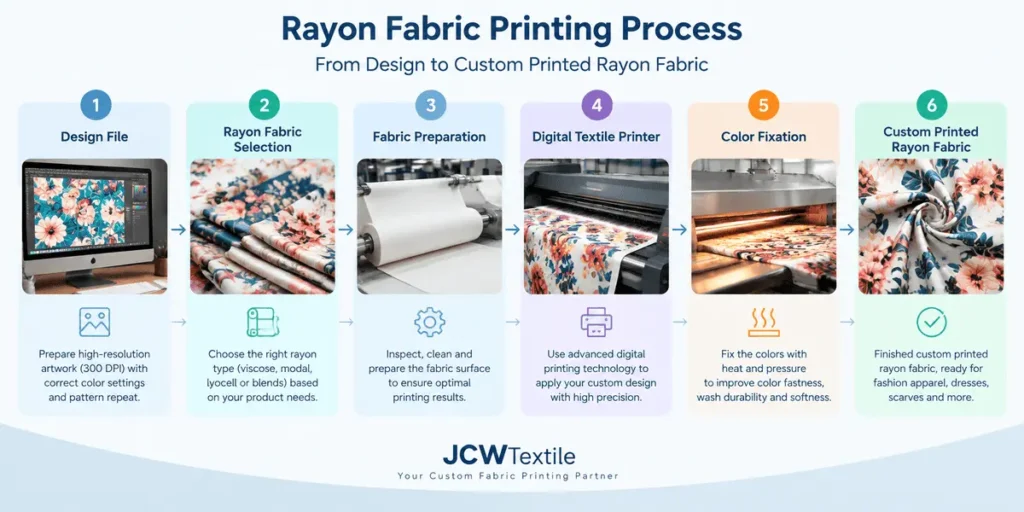
The custom rayon fabric printing process typically involves six stages.
Exact requirements vary depending on the fabric and printing chemistry.
Step 1: Artwork Preparation
The process begins with a digital design.
Artwork should be prepared at its intended print dimensions, with suitable resolution and correctly arranged pattern repeats.
Designers should also confirm color expectations and any file specifications required by the printer.
Step 2: Rayon Fabric Selection
The appropriate fabric is selected according to its composition, weight, construction, and intended application.
For example, a lightweight woven rayon may be suitable for a flowing dress, while a different fabric may be needed for stretch apparel.
Step 3: Fabric Preparation
Before printing, the fabric is inspected and prepared as required.
Depending on the printing system, pretreatment may help control ink behavior, improve color development, or support consistent production.
Step 4: Digital Textile Printing
The approved design is printed onto the selected fabric using compatible printing equipment and inks.
Digital technology allows the artwork to be reproduced without the conventional screen preparation required for screen printing.
Step 5: Color Fixation and Post-Treatment
After printing, the fabric may require steaming, washing, drying, or curing.
These steps depend on the ink or dye chemistry.
Correct fixation and post-treatment help achieve the intended color performance and remove materials that should not remain on the finished fabric.
Step 6: Finishing and Quality Inspection
The printed fabric is finished and inspected before packing.
Quality checks may include:
Visible printing defects.
Color consistency.
Fabric appearance.
Dimensional changes.
Other agreed production requirements.
Because some rayon fabrics are sensitive to wet processing, careful handling is important throughout production.
Applications of Custom Printed Rayon Fabric
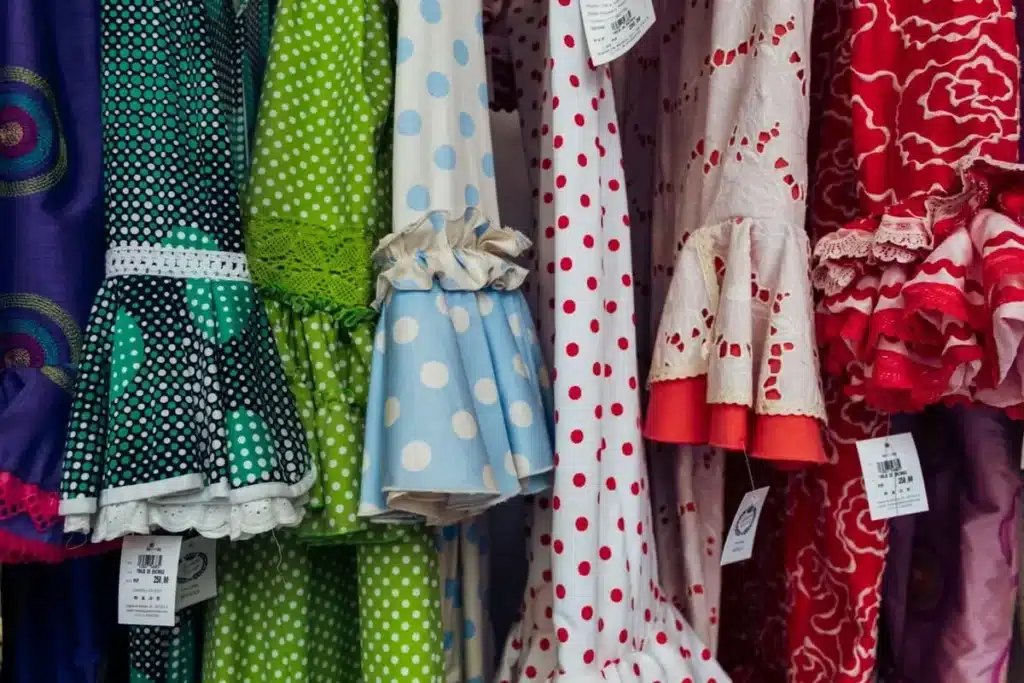
Custom printed rayon fabrics are used in fashion and selected lifestyle products.
The appropriate material depends on the final product’s weight, drape, construction, durability, and care requirements.
Women's Fashion Apparel
Printed rayon is commonly used for:
Dresses and skirts.
Blouses and relaxed shirts.
Lightweight fashion collections.
Casual and resort-inspired clothing.
Its fluid drape can complement floral, abstract, and other fashion prints.
Custom Printed Scarves
Soft rayon fabrics can be suitable for scarves and wraps.
When choosing fabric for scarves, designers should consider weight, print scale, edge finishing, and whether the design needs to be visible on both sides.
Boutique Fashion Collections
Independent fashion brands often develop original patterns to distinguish their collections.
Custom fabric printing allows designers to test new artwork and develop limited production runs.
Sampling is especially useful for evaluating how the printed design appears on the selected fabric.
Home Textile Applications
Certain rayon fabrics may also be used for decorative accessories and lightweight home textile projects.
However, functional requirements vary considerably.
For products such as curtains or other interior textiles, fabric stability, light exposure, care requirements, and any applicable performance standards should be evaluated.
For additional ideas, explore our Printed Fabric Applications Guide.
How to Choose Rayon Fabric for Printing
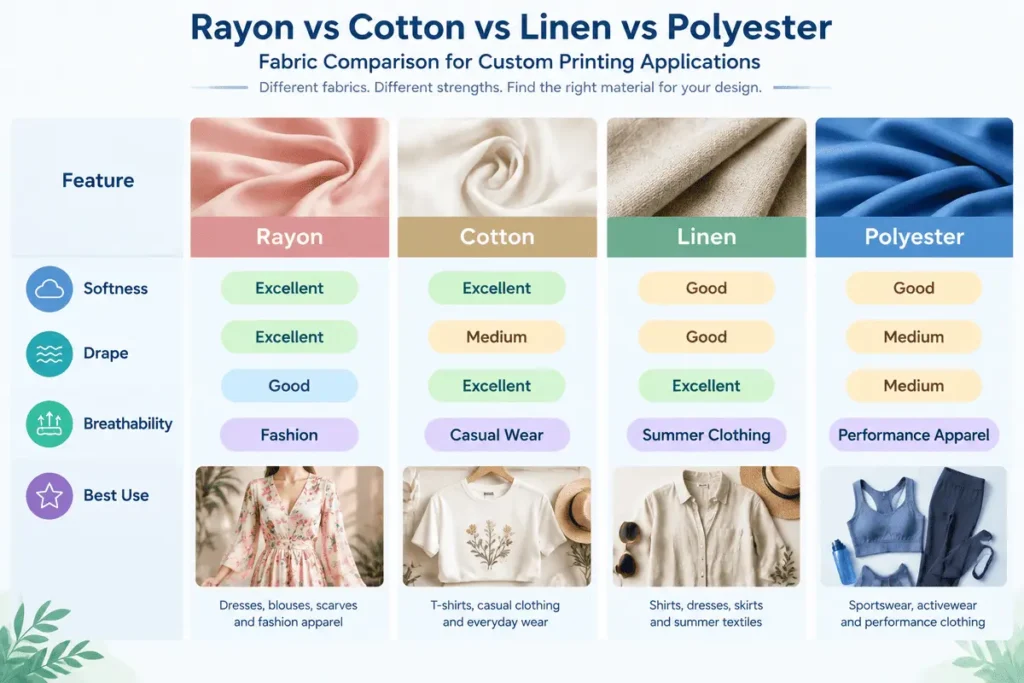
Choosing the right rayon fabric involves more than selecting a fiber name.
Fabric weight, construction, composition, print compatibility, and dimensional stability can all influence the finished product.| Selection Factor | What to Check | Why It Matters |
|---|---|---|
| Fiber Composition | Viscose, other cellulosic fibers, or blends | Influences printing chemistry and performance |
| Fabric Construction | Woven or knitted | Affects stretch, drape, and handling |
| Fabric Weight | GSM and intended use | Influences opacity, structure, and comfort |
| Print Compatibility | Inks, pretreatment, and finishing | Affects color and durability |
| Dimensional Stability | Shrinkage and washing behavior | Important for cutting and garment production |
| Printed Sample | Color, hand feel, and pattern scale | Helps reduce production surprises |
For Dresses and Blouses
Consider the garment’s intended silhouette, opacity, weight, and drape.
Lightweight woven rayon can be suitable for flowing garments, while more structured designs may require a different material.
For Scarves
Prioritize softness, fabric weight, print definition, and edge finishing.
A physical sample is helpful when accurate colors or fine design details are important.
For Fashion Brands
Compare available fabric specifications, printing methods, sampling options, and quantity pricing.
Before production, confirm whether the selected fabric meets the needs of the complete garment collection.
If you are uncertain which material to choose, explore Our Fabrics or contact JCWTextile for guidance.
How to Prepare Artwork for Rayon Fabric Printing
Well-prepared artwork helps improve print clarity and reduces unnecessary revisions.
Use Appropriate Image Resolution
Prepare artwork at its intended print size.
For detailed raster artwork, 300 DPI at final size is a common starting point, although the appropriate resolution depends on the design, viewing distance, and printer requirements.
Vector artwork may offer greater flexibility for scaling certain types of designs.
Check Pattern Repeats and Dimensions
For seamless textile patterns, confirm that the design repeats correctly without visible gaps or unwanted lines.
Check motif size and layout before submitting the file.
A pattern that looks attractive on a screen may appear very different when printed at garment scale.
Consider Color Reproduction
Colors displayed on monitors may not exactly match printed fabric.
Differences can result from screen settings, fabric color, printing chemistry, and finishing.
A physical printed sample is the most reliable way to evaluate critical colors.
Test Before Larger Production
Sampling allows designers to evaluate:
Color appearance.
Pattern scale.
Fabric hand feel.
Drape.
Suitability for the final garment.
For detailed file preparation guidance, read How to Prepare Artwork for Fabric Printing.
Sustainable Rayon Fabric Options
The environmental impact of rayon depends on several factors, including raw material sourcing, fiber manufacturing, chemical management, energy use, wastewater treatment, and textile finishing.
Although rayon is derived from cellulose, plant-based raw materials alone do not guarantee that a finished fabric is environmentally sustainable.
Some regenerated cellulosic fibers are produced using more carefully managed sourcing or manufacturing systems.
When evaluating materials, buyers can ask:
Is information available about the fiber manufacturer and cellulose sourcing?
Are relevant certifications available for the specific product?
What chemical and wastewater management practices are used?
Which printing and finishing processes are involved?
Can appropriate sampling and order quantities help reduce unused fabric?
Organizations such as Textile Exchange provide information about responsible textile sourcing.
The Forest Stewardship Council (FSC) provides information about responsible forest management and certification systems.
These resources can help buyers understand sourcing considerations, but certification claims should only be made when they apply to the actual material or product.
For related information, explore our Sustainable Digital Fabric Printing Guide.
Is Printed Rayon Fabric Durable?
Printed rayon fabric can provide satisfactory performance when the fabric, printing method, and finishing process are suitable for its intended application.
Durability depends on several factors.
Wash Colorfastness
The printing system and finishing process influence how well colors maintain their appearance during laundering.
Dimensional Stability
Some rayon fabrics may shrink or change dimensions when exposed to water or washing.
This should be considered when planning garments that require accurate sizing.
Fabric Strength
Different rayon fabrics have different strength and abrasion characteristics.
The material should be selected according to the expected use of the finished product.
Care Requirements
Follow the care instructions provided for the specific fabric.
Some rayon garments require gentle washing, careful drying, or professional cleaning.
Before developing a commercial collection, evaluate representative samples for color performance, dimensional stability, and practical care requirements.
Can Small Businesses Order Custom Printed Rayon Fabric?
Yes. JCWTextile supports custom fabric printing for independent designers, small clothing brands, and businesses developing limited collections.
There is no standard minimum order quantity for JCWTextile’s custom fabric printing service.
Small orders allow customers to test original patterns, evaluate printed samples, and develop new products without committing to large initial inventories.
This flexibility can be useful for:
Independent fashion designers.
Boutique clothing labels.
Small apparel startups.
Creative businesses.
Limited-edition collections.
For additional guidance, read our Low MOQ Custom Fabric Printing Guide.
How Much Does Rayon Fabric Printing Cost?
The cost of custom rayon fabric printing depends primarily on the selected fabric, the quantity ordered, and applicable pricing terms.
At JCWTextile, standard fabric orders are calculated using the selected fabric’s unit price multiplied by the quantity ordered, less any applicable quantity discount.
Standard artwork setup and finishing are not charged as separate fees.
What About International Shipping?
International shipping is quoted and collected separately after the fabric order.
Shipping charges depend on factors such as:
Fabric weight.
Total order quantity.
Destination country.
Carrier requirements.
Whether the delivery address is classified as a remote area.
A carrier-designated remote area may require an additional surcharge.
For a detailed explanation of pricing factors, read our Custom Fabric Printing Cost Guide.
For per-yard calculations and quantity examples, see How Much Does Custom Fabric Printing Cost Per Yard?.
How to Order Custom Printed Rayon Fabric from JCWTextile
Ordering custom printed rayon fabric begins with selecting an appropriate material and preparing your artwork.
Step 1: Choose Your Fabric
Explore the available rayon or viscose fabric options and confirm their suitability for your intended product.
Step 2: Prepare and Upload Your Artwork
Submit your design with the required dimensions and pattern repeat.
For projects requiring special color matching or detailed artwork, consider arranging a sample before larger production.
Step 3: Select Your Quantity
Choose the required yardage and review the fabric price and any applicable quantity discount.
Step 4: Place Your Fabric Order
Complete the fabric purchase through the website.
Step 5: Confirm International Shipping
JCWTextile will provide a separate international shipping quotation based on the order and destination.
For projects involving special material requirements, samples, or production questions, contact the team before ordering.
Conclusion
Rayon fabric printing provides designers and clothing brands with a versatile way to create custom textiles for dresses, blouses, scarves, skirts, and other lightweight products.
The best results depend on selecting the right fabric construction, matching printing chemistry to fiber composition, preparing artwork correctly, and evaluating samples before larger production.
Whether you are testing a new pattern or developing a fashion collection, JCWTextile can help you explore suitable custom fabric printing options.
Ready to bring your design to life?
Frequently Asked Questions About Rayon Fabric Printing
1. Can rayon fabric be digitally printed?
Yes. Suitable rayon fabrics can be digitally printed using compatible inks, pretreatment, and finishing processes. The appropriate system depends on fiber composition and fabric construction.
2. Which printing method is best for rayon fabric?
Reactive dye printing is often considered for cellulosic rayon fabrics, while compatible pigment printing systems may also be suitable. The choice depends on the fabric, desired color performance, hand feel, and production requirements.
3. Does printed rayon fabric shrink?
Some rayon fabrics may shrink during washing or wet processing. The amount depends on fabric construction and finishing. Checking dimensional stability through sampling is recommended.
4. What is custom printed rayon fabric used for?
Common applications include dresses, blouses, skirts, scarves, and lightweight fashion collections. The fabric’s weight, drape, and construction should match the intended product.
5. Can I order custom rayon fabric without a minimum order quantity?
JCWTextile offers custom fabric printing without a standard minimum order quantity. Available rayon fabric options and specific printing requirements should be confirmed before ordering.