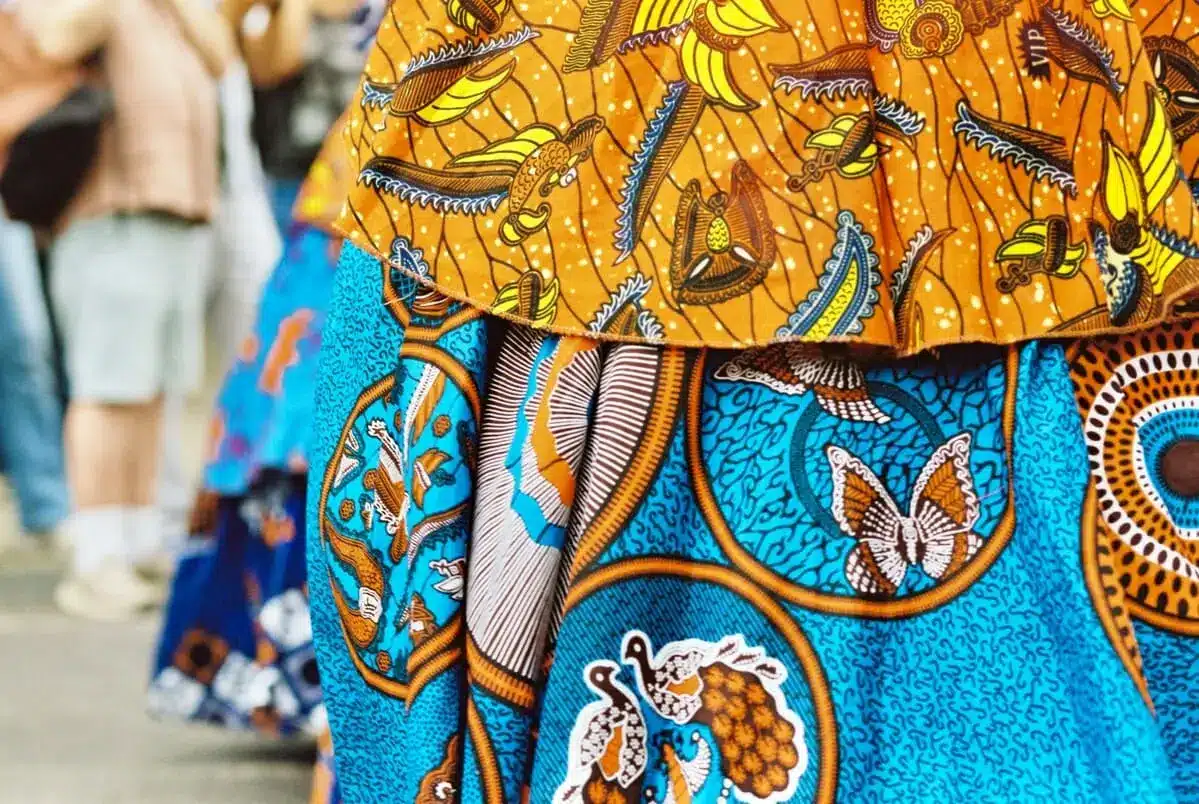
Creating a successful fashion collection starts with more than a great garment silhouette. The fabric itself plays an important role in how a product looks, feels, and represents a brand.
Custom fabric printing for clothing brands gives fashion businesses greater control over the appearance of their textiles. Instead of choosing only from ready-made patterns, brands can create original prints based on their own artwork, colors, illustrations, logos, or creative concepts.
For fashion designers, custom printed fabric can turn an initial idea into a distinctive textile that is designed specifically for a collection. For clothing brands, it can help create recognizable products while supporting small-batch development, seasonal collections, and new product testing.
From artwork preparation and fabric selection to sampling and production, the right custom fabric printing process can make it easier to move from a creative concept to finished apparel.
This guide explains how custom fabric printing for clothing brands works, how fashion designers can choose the right fabric, and how custom printing can fit into the garment development process.
For a broader overview of custom fabric printing methods, fabric choices, production steps, and ordering considerations, see our Custom Fabric Printing Guide.
Why Clothing Brands Use Custom Fabric Printing
Fashion brands often compete through design differentiation. A distinctive print can become one of the most recognizable elements of a collection.
Ready-made fabrics are convenient, but they may not always match a brand’s exact requirements. A designer may need a particular color palette, repeat pattern, illustration, photograph, or graphic composition that is difficult to find in standard fabric collections.
Custom printing provides more creative control.
Create Original Textile Designs
With custom fabric printing, brands can develop fabrics based on their own artwork.
Possible designs include:
- Repeating patterns
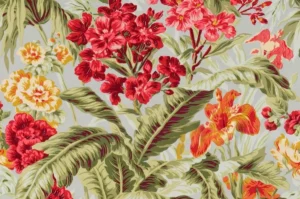
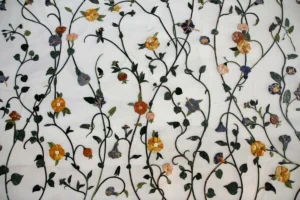
- Floral and botanical prints
- Geometric designs
- Illustrations
- Hand-drawn artwork
- Photography
- Abstract artwork
- Brand graphics
- Logos and visual elements
- Seasonal collections
This allows the textile to become part of the brand identity rather than simply serving as a background for the garment.
Develop a More Consistent Brand Identity
A strong fashion brand usually maintains visual consistency across products, collections, packaging, and marketing.
Custom printed fabrics can support that consistency.
For example, a clothing brand could create a signature pattern and use variations of the same design across dresses, shirts, skirts, scarves, bags, or children’s clothing.
A recognizable print language can make different products feel like part of the same collection.
Support Limited Collections
Fashion brands do not always need thousands of meters of fabric.
A designer may want to create:
- A limited-edition collection
- A seasonal capsule
- A test collection
- A special collaboration
- A small online launch
- A new product prototype
Flexible custom printing makes it possible to test designs before committing to larger production quantities.
Turn Ideas Into Marketable Products
Custom printing connects design development with physical product development.
Instead of stopping at a digital artwork file, designers can print the design on the actual fabric that will be used for production. This makes it easier to evaluate the real appearance, texture, drape, and performance of the material before creating finished garments.
How Custom Fabric Printing Works for Fashion Brands
A successful project usually involves more than uploading a design and printing it.
The process typically includes several stages.
Step 1: Develop Your Textile Design
Start with the visual concept for the collection.
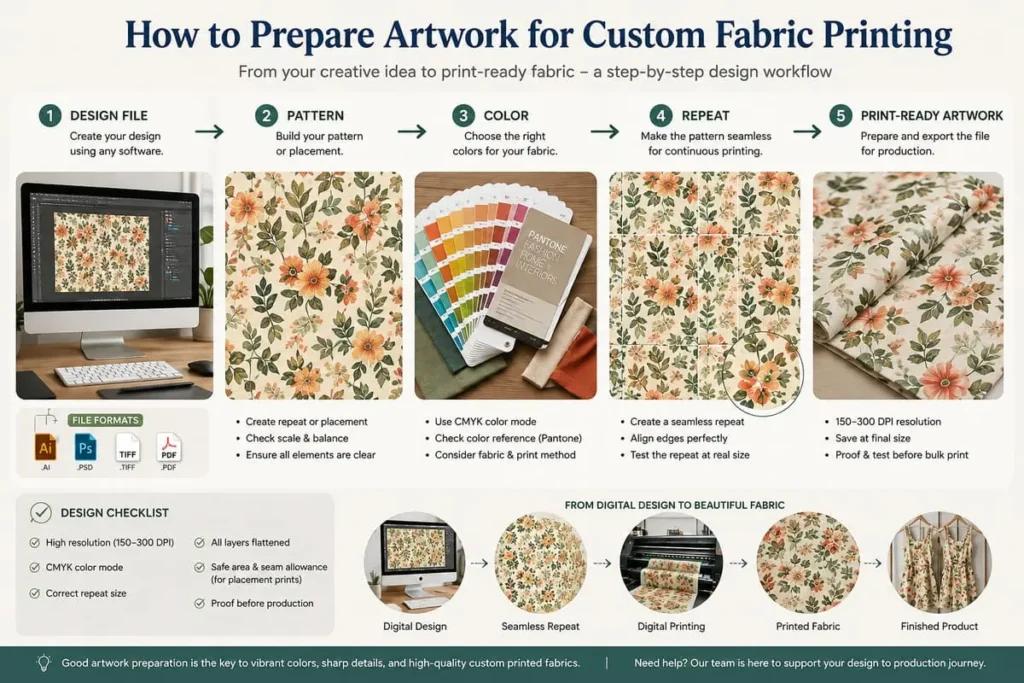
Your artwork may come from professional graphic design software, hand-drawn illustrations, photography, digital painting, or other creative workflows. For example, vector-based design tools can help maintain clean, scalable artwork for logos, illustrations, and textile patterns.
Before production, check the artwork for:
- Resolution
- Color mode
- Pattern scale
- Repeat structure
- Image dimensions
- Seamless pattern requirements
- Placement requirements
For repeating designs, create a seamless repeat that can continue across the fabric without visible gaps or abrupt transitions.
For placement prints, the design may need to align with specific garment panels such as sleeves, collars, pockets, or fronts.
Step 2: Choose the Right Fabric
The fabric is just as important as the print.
The same design can appear very different on different materials because fabric construction, surface texture, weight, stretch, and fiber content affect the final result.
When choosing fabric for a fashion collection, consider:
- Fiber composition
- Fabric weight
- Stretch
- Drape
- Texture
- Breathability
- Durability
- Intended garment type
- Printing compatibility
- Care requirements
For example, a lightweight flowing fabric may be suitable for dresses, while a stretch jersey can be more appropriate for fitted garments or activewear.
A structured woven fabric may work better for jackets, bags, or tailored garments.
Choosing the correct base fabric before printing can help avoid expensive changes later in the production process.
Step 3: Select the Printing Method
Different fabrics and applications may require different textile printing methods.
Digital textile printing is particularly useful for custom designs because it can reproduce detailed artwork, multiple colors, gradients, illustrations, and photographic images.
Depending on the fiber and production requirements, other methods may also be considered, including reactive, pigment, or sublimation printing.
The printing method should be selected based on the fabric composition, desired appearance, color requirements, durability expectations, and production volume.
For a deeper comparison, see our guide to Fabric Printing Methods: Reactive vs Pigment vs Sublimation Printing.
Step 4: Order a Sample
Sampling is an important stage in fashion fabric development.
A design that looks perfect on a computer screen may appear different when printed onto an actual textile.
A fabric sample allows you to evaluate:
- Color appearance
- Print sharpness
- Fabric texture
- Fabric hand feel
- Drape
- Stretch
- Pattern scale
- Overall visual effect
For clothing brands, sampling can reduce the risk of producing a large quantity of fabric before confirming that the result meets the design requirements.
Step 5: Approve the Fabric Before Production
After reviewing the sample, decide whether the fabric is ready for garment development.
At this point, designers can make adjustments to:
- Artwork colors
- Pattern size
- Fabric type
- Print scale
- Layout
- Garment application
Once the sample is approved, the final fabric can move into production.
Choosing Fabrics for Different Fashion Products
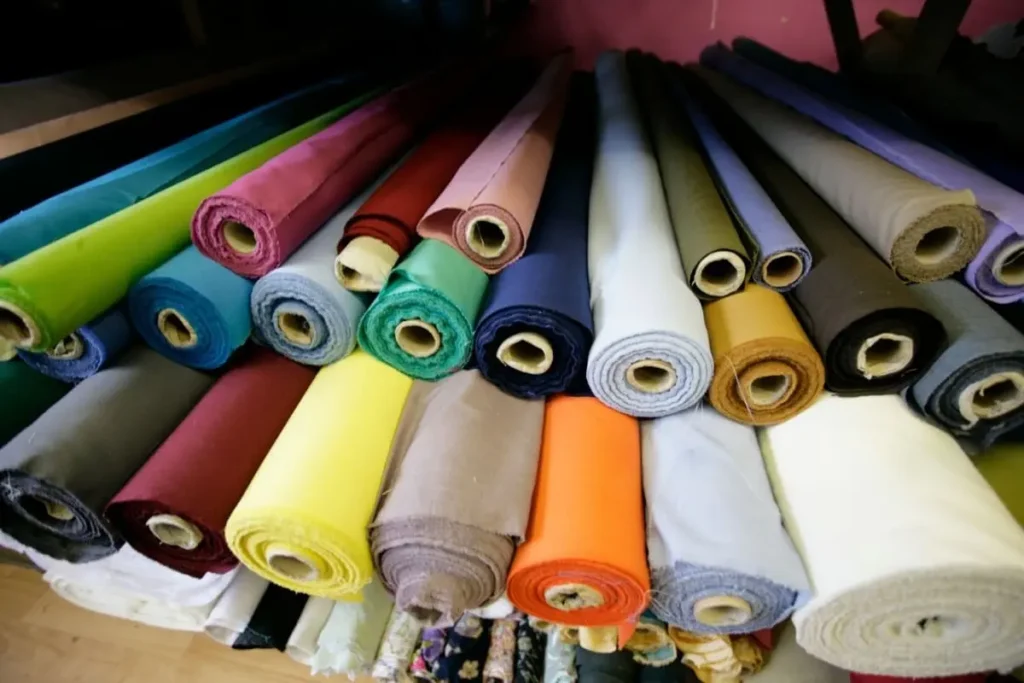
One of the biggest advantages of custom fabric printing is the ability to select a material based on the product rather than forcing the product to fit a pre-existing fabric.
For a more detailed comparison of printable materials and fabric selection factors, explore our Custom Fabric Printing Guide.
Cotton Fabrics
Cotton is widely used in fashion because of its comfort, breathability, and versatility.
Depending on the construction, cotton fabrics can be suitable for:
- Shirts
- Dresses
- Children’s clothing
- Pajamas
- Skirts
- Casual wear
- Lightweight accessories
Cotton poplin, cotton muslin, cotton jersey, and cotton twill can provide different levels of structure, softness, and weight.
Linen and Linen Blends
Linen is often associated with natural texture and relaxed fashion.
It can work well for:
- Summer dresses
- Shirts
- Blouses
- Trousers
- Resort wear
- Home-fashion crossover products
Linen blends can provide a different combination of comfort, texture, durability, and ease of care.
Jersey and Stretch Fabrics
For fitted clothing, stretch materials can provide greater flexibility and comfort.
Depending on the construction, jersey and stretch fabrics can be used for:
- T-shirts
- Leggings
- Activewear
- Loungewear
- Swimwear
- Children’s garments
- Fitted dresses
When printing on stretch fabrics, designers should consider how the artwork will appear when the fabric is stretched.
Polyester Fabrics
Polyester can be useful for fashion products where durability, color performance, or particular fabric characteristics are required.
Depending on the fabric construction and printing method, polyester-based materials can be used for:
- Sportswear
- Activewear
- Fashion accessories
- Scarves
- Lightweight garments
- Performance-oriented products
The best printing method depends on the specific polyester fabric and production requirements.
Custom Printed Fabric for Fashion Collections
A fashion collection usually consists of multiple products that need to work together visually.
Custom fabric printing can help designers create a collection system rather than a single isolated print.
For example, one design concept could be developed into:
Main Print
The main statement pattern used on dresses, shirts, or other key garments.
Secondary Print
A simpler or smaller version of the same visual language for supporting products.
Coordinate Print
A complementary pattern using the same colors or design elements.
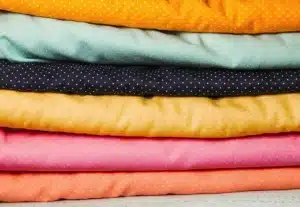
Solid Color
A plain fabric selected to balance the printed pieces.
This approach allows a collection to feel coordinated without making every garment identical.
All-Over Prints vs. Placement Prints
Fashion designers should also consider how the artwork will be positioned on the fabric.
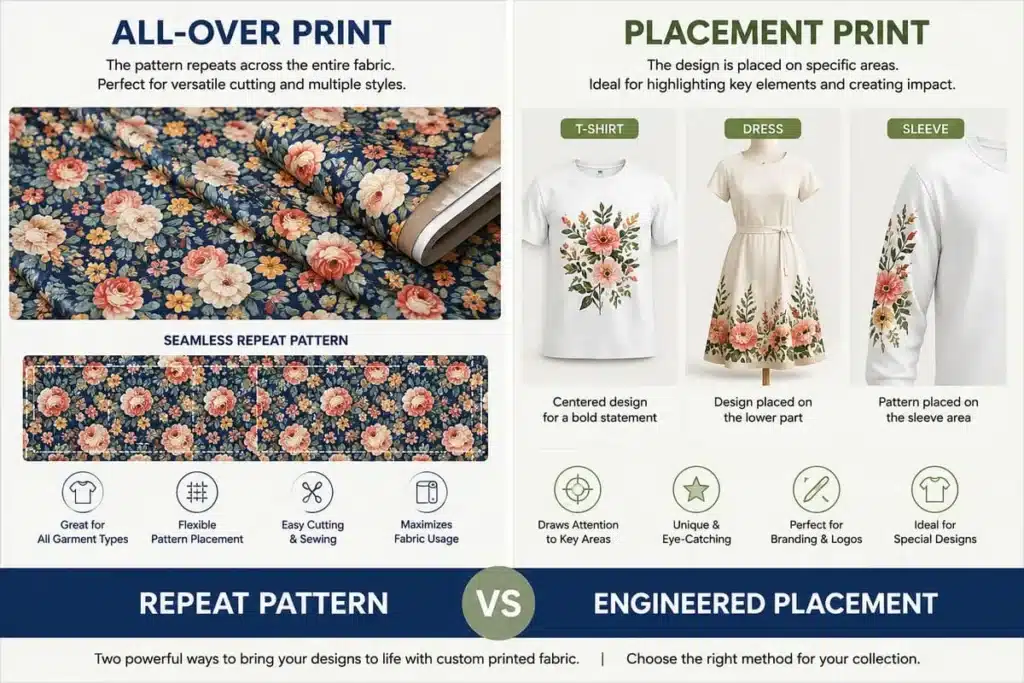
All-Over Printing
An all-over print uses a repeating design across the fabric.
It works well for:
- Floral patterns
- Geometric designs
- Abstract prints
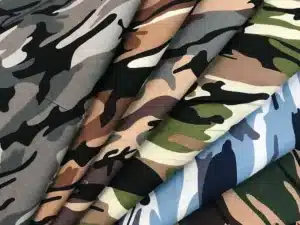
- Animal patterns
- Repeating brand graphics
The advantage is flexibility during garment cutting because the pattern can cover the entire fabric width.
Placement Printing
A placement print is designed for a specific position.
For example, artwork might be positioned:
- On the front of a shirt
- Across a dress panel
- Around a sleeve
- Near the hem
- On a pocket
- Around a neckline
Placement printing can produce a more controlled and editorial appearance, but it requires greater attention to garment construction and pattern cutting.
For fashion brands developing engineered prints, communication between the textile printer and garment manufacturer is especially important.
How Fashion Designers Can Use Custom Printed Fabric
Custom fabric printing is useful throughout the fashion development process.
Creating Original Collections
A designer can develop a complete collection around original textile artwork rather than starting with commercially available prints.
This can be particularly useful for brands with a strong visual identity.
Developing Seasonal Prints
Fashion collections often change with the season.
Custom printing allows designers to create new artwork for:
- Spring collections
- Summer collections
- Fall collections
- Winter collections
- Holiday collections
- Limited-edition launches
The same base fabric can potentially support multiple design directions depending on the project.
Creating Signature Patterns
A signature print can become part of a brand’s long-term identity.
The pattern might appear in different colorways, scales, or product categories while maintaining a recognizable visual connection.
Testing New Concepts
A designer does not always know which print will perform best before customers see it.
Small-scale sampling can help brands compare several concepts before moving into larger production.
This approach can be useful for independent designers, emerging labels, and established brands launching new collections.
How Clothing Brands Can Use Custom Printed Fabric
Custom fabric printing for clothing brands can support more than just visual design.
It can become part of product development and brand strategy.
Build Exclusive Products
Original prints make it harder for products to look identical to mass-market items using widely available fabrics.
Support Brand Storytelling
A print can communicate a theme, inspiration, cultural reference, artistic style, or seasonal concept.
Create Limited Editions
A brand can create unique textiles for capsule collections, collaborations, and limited releases.
Test New Markets
Brands can use smaller production runs to test new designs before scaling successful products.
Expand Product Categories
A successful pattern can sometimes be adapted across apparel and accessories.
For example, one collection concept could extend from dresses and shirts to scarves, bags, or other fashion accessories.
Custom Fabric Printing and Garment Production
Fabric printing is only one part of the fashion production process.
After the textile has been printed and approved, it may need to move through:
Fabric Printing → Fabric Inspection → Pattern Making → Cutting → Sewing → Finishing → Quality Control → Packaging
For brands looking for a more streamlined production workflow, combining custom fabric printing with cut-and-sew manufacturing can simplify product development.
At JCW Textile, custom fabric printing can be connected with Cut & Sew Services, helping brands move from printed fabric development toward finished textile products.
This can be particularly useful when a project requires coordinated control over both the fabric and the finished garment.
Small-Batch Custom Fabric Printing for Fashion Brands
Large minimum orders can create challenges for emerging fashion brands.
A brand may not know whether a new collection will sell, while producing a large quantity of fabric can increase inventory risk.
Small-batch production can provide a more flexible alternative.
A typical workflow might look like:
Design → Sample → Test → Small Production → Customer Feedback → Scale
This approach allows a brand to learn from an initial product launch before committing to larger quantities.
For designers producing limited collections, prototypes, or niche products, flexible fabric production can also reduce the pressure to forecast demand far in advance.
This is one reason custom fabric printing for clothing brands can be useful for both emerging and established fashion businesses.
How to Prepare Artwork for Custom Fashion Fabric
Good artwork preparation can significantly affect the final printed result.
Before sending your design to a fabric printer, review the following.
Resolution
Use sufficiently high-resolution artwork so important details remain clear after printing.
Color
Colors on a monitor may not look exactly the same after being printed on fabric.
The final appearance can be affected by the fabric color, fiber content, surface structure, and printing process.
For important collections, always evaluate a physical sample.
Pattern Scale
Check whether the pattern size is appropriate for the garment.
A small floral design can look completely different when enlarged, while a large graphic may be difficult to position on smaller garments.
Repeat Structure
For repeating patterns, test the seamless repeat before production.
Make sure there are no visible breaks or unwanted lines between repeats.
Placement
For engineered or placement prints, consider the garment pattern before finalizing the textile artwork.
A beautiful design can lose its intended effect if an important motif is cut through the wrong part of the garment.
For more detailed guidance, see our How to Prepare Artwork for Fabric Printing guide.
Common Mistakes to Avoid
Working with custom printed fabric provides more creative control, but several mistakes can increase costs or delay production.
Choosing the Fabric Only for Its Appearance
A fabric may look attractive but perform poorly for the intended garment.
Always consider drape, stretch, weight, texture, and end use.
Skipping the Sample Stage
A digital mockup cannot replace physical fabric testing.
Always evaluate the actual printed material before large production.
Ignoring Pattern Scale
A print can look excellent on a computer but appear oversized or too small on a finished garment.
Test the actual scale before approval.
Preparing Artwork Too Late
Artwork changes close to production can cause delays.
Complete the technical artwork review before the final production schedule is confirmed.
Focusing Only on the Printing Price
The lowest printing price does not necessarily produce the best overall value.
Consider the total project, including:
- Fabric quality
- Printing quality
- Sampling
- Production consistency
- Lead time
- Shipping
- Garment manufacturing
- Rework risk
A reliable supplier should be evaluated based on the complete production process rather than only the price per meter or yard.
How to Choose a Custom Fabric Printing Supplier
Fashion brands should look beyond the number of fabric options offered by a supplier.
Before starting a project, consider whether the supplier can support your actual development process.
Fabric Selection
Does the supplier offer fabrics suitable for your product category?
Printing Capabilities
Can the printing process reproduce your artwork, colors, gradients, and pattern details?
Sampling
Can you order samples or test prints before production?
Production Flexibility
Can the supplier support both small quantities and larger orders as your brand grows?
Quality Consistency
Can repeated production maintain a consistent appearance across different orders?
For textile products, quality evaluation can also involve properties such as colorfastness, dimensional change, abrasion resistance, and other performance characteristics. Industry organizations such as AATCC provide standardized textile test methods that can help manufacturers and brands evaluate fabric performance.
Communication
Does the supplier clearly explain artwork requirements, fabric specifications, production timelines, and shipping?
Additional Manufacturing Services
For clothing brands, it can be beneficial when fabric printing and garment manufacturing can be coordinated through the same production partner.
Why Custom Fabric Printing Is Valuable for Fashion Brands
Fashion is fundamentally connected to visual identity.
A distinctive textile can influence how a garment looks, how a collection is remembered, and how a brand differentiates itself from competitors.
Custom fabric printing for clothing brands provides a way to make the textile itself part of that identity.
Instead of choosing only from standard materials, designers can create fabrics around their own concepts.
The process also provides flexibility for sampling, limited collections, seasonal launches, and product experimentation.
For businesses that plan carefully, custom printing can become more than a decoration technique. It can become part of the product development strategy.
How to Start a Custom Fabric Printing Project
A practical workflow is:
1. Define Your Product
Decide what you are producing and what type of fabric the garment requires.
2. Prepare Your Artwork
Create the print design and check resolution, colors, repeat, and placement.
3. Select Your Fabric
Choose the fabric based on the garment’s intended use, performance, and appearance.
4. Request a Sample
Print a small sample to check the actual result.
5. Approve the Design
Make any necessary adjustments before production.
6. Start Production
Once the sample is approved, move forward with the required quantity.
7. Develop the Finished Product
Use the printed fabric for your garments, accessories, or other textile products.
At JCW Textile, designers and clothing brands can explore a range of printable fabrics, submit their own artwork, and combine fabric printing with additional production services when needed.
Start Creating Your Custom Fashion Fabric
Your fabric can be more than a material—it can become part of your brand identity.
Whether you are an independent designer developing your first collection or an established clothing brand preparing a new season, custom textile printing gives you greater control over patterns, colors, materials, and product development.
From original artwork and fabric selection to sampling and production, the right workflow can help turn a creative concept into a finished fashion product.
Ready to create your own custom printed fabric?
Explore Our Fabrics to compare available materials, or visit Design Your Fabric to start developing your own custom textile.
📚 Frequently Asked Questions (FAQs)
1. What is custom fabric printing for clothing brands?
Custom fabric printing for clothing brands is the process of printing original artwork, patterns, graphics, or other designs onto fabric for use in apparel and fashion products. It allows brands to create textiles that are tailored to their visual identity and product requirements.
2. Can fashion designers print their own designs on fabric?
Yes. Fashion designers can provide their own artwork, patterns, illustrations, photographs, or other designs for custom textile printing. The artwork should be prepared according to the printer’s technical requirements.
3. What fabrics are best for custom fashion printing?
The best fabric depends on the garment and printing method. Cotton, linen, viscose, polyester, jersey, stretch fabrics, and blends can all be suitable for different fashion applications.
4. Should I order a fabric sample before production?
Yes. A physical sample helps you evaluate color, print quality, fabric texture, weight, stretch, drape, and overall appearance before committing to larger production.
5. Can small clothing brands order custom printed fabric?
Yes. Depending on the supplier, small brands may be able to order samples or smaller production quantities before scaling up. Flexible quantities can be useful for testing new products and collections.
6. Can custom printed fabric be used for an entire fashion collection?
Yes. A brand can develop coordinated prints, colorways, and fabric choices for multiple products within the same collection.
7. Can custom fabric printing be combined with cut-and-sew services?
Yes. Combining fabric printing with cut-and-sew production can create a more integrated workflow from textile design to finished garments.
8. How do I start a custom fabric printing project?
Start by defining your product, preparing your artwork, selecting an appropriate fabric, ordering a sample, checking the result, and then moving into production after approval.