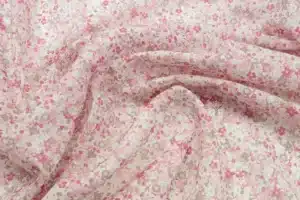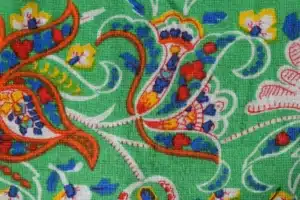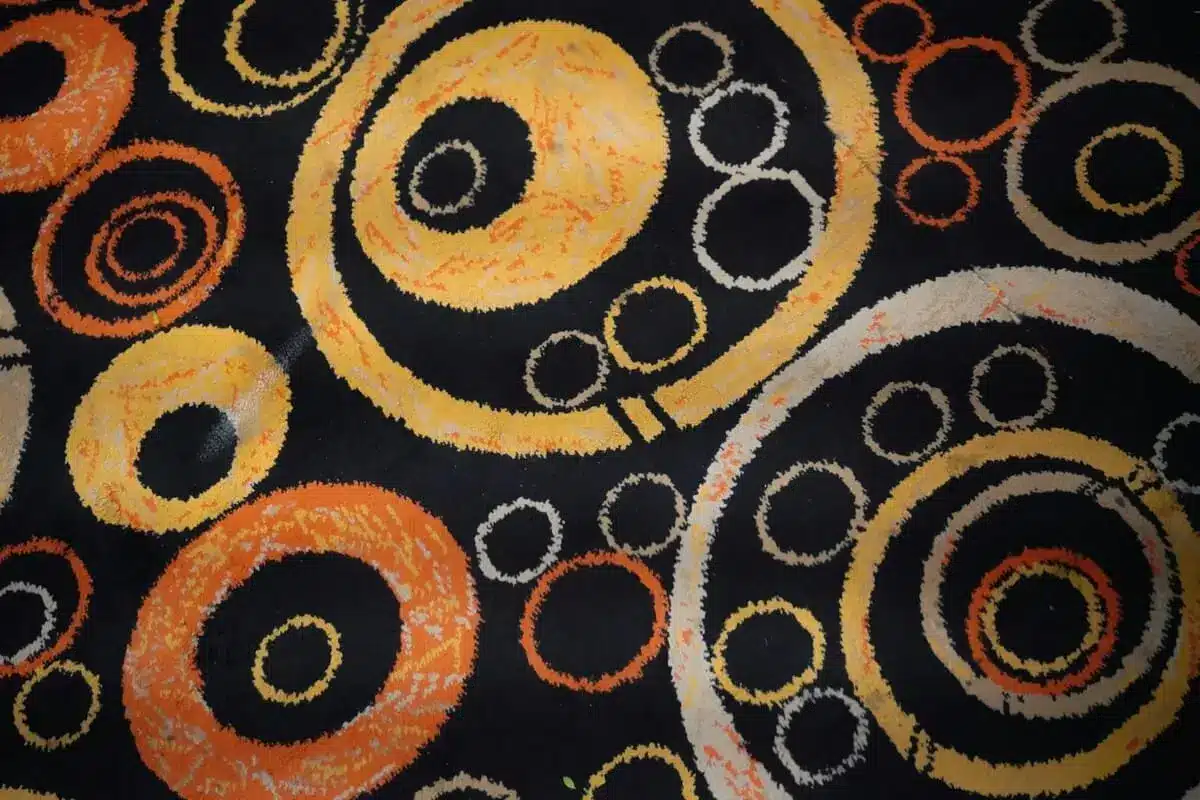
Fleece is a soft, warm, and versatile textile widely used for blankets, baby products, clothing, home textiles, and outdoor accessories. Its comfortable texture and excellent insulation properties make it one of the most popular fabrics for cold-weather products and cozy lifestyle items.
With modern textile technology, fleece fabric printing allows brands, designers, and manufacturers to create personalized fleece textiles featuring custom patterns, illustrations, logos, and unique artwork.
Unlike lightweight fabrics such as chiffon or satin, fleece has a thicker brushed surface that provides warmth and softness. This unique structure requires suitable printing methods to achieve clear designs while maintaining the fabric’s comfortable hand feel.
For a complete overview of custom textile production, explore our Custom Fabric Printing Guide.
This guide explains what fleece fabric is, different fleece types, printing methods, applications, artwork preparation, durability, sustainability options, and how businesses can order custom printed fleece fabrics.
Table of Contents:Fleece Fabric Printing
What Is Fleece Fabric?
Fleece is a soft synthetic textile commonly made from polyester fibers.
Unlike traditional wool, fleece is:
- Lightweight
- Warm
- Quick-drying
- Easy to maintain
- Cost-effective
The surface of fleece is usually brushed to create a soft raised texture that traps air and provides insulation.
Common fleece applications include:
- Blankets
- Baby products
- Jackets
- Hoodies
- Sweatshirts
- Pet products
- Home textiles
Key Characteristics of Fleece Fabric
1. Soft and Comfortable Texture
One of the biggest advantages of fleece is its soft touch.
This makes it suitable for:
- Baby blankets
- Children’s products
- Apparel
- Cozy home textiles
2. Excellent Warmth and Insulation
The brushed surface structure helps fleece retain heat.
It is commonly used for:
- Winter clothing
- Blankets
- Outdoor products
3. Lightweight Performance
Compared with wool fabrics, fleece provides warmth without excessive weight.
Advantages include:
- Easy wearing
- Easy transportation
- Comfortable daily use
4. Customizable Surface
The fleece surface can be printed with:
- Floral patterns
- Cartoon designs
- Animal illustrations
- Brand graphics
- Personalized artwork
This makes fleece popular for customized consumer products.
What Types of Fleece Fabric Can Be Printed?
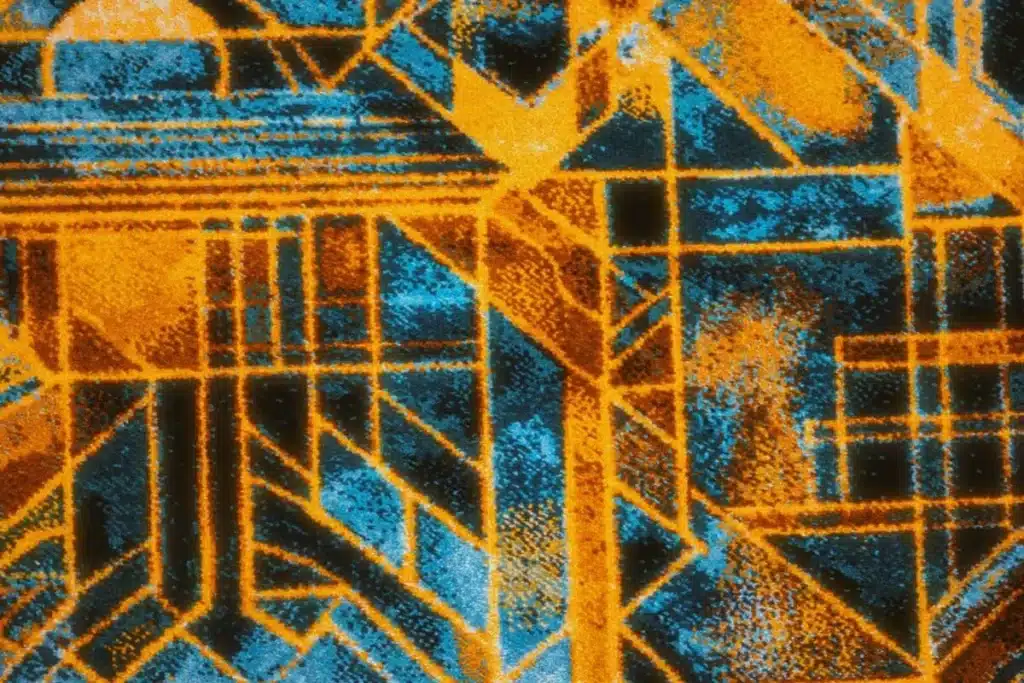
Different fleece constructions offer different performance characteristics.
1. Polyester Fleece
Polyester fleece is the most common fleece type for printing.
Advantages:
- Durable
- Soft
- Affordable
- Good color performance
Applications:
- Blankets
- Jackets
- Throws
- Baby products
2. Micro Fleece
Micro fleece has a finer and lighter structure.
Characteristics:
- Lightweight
- Smooth surface
- Comfortable against skin
Common uses:
- Baby textiles
- Indoor clothing
- Lightweight blankets
3. Polar Fleece
Polar fleece is thicker and warmer than standard fleece.
Advantages:
- Excellent insulation
- Soft texture
- Durable construction
Applications:
- Winter apparel
- Outdoor products
- Warm blankets
4. Recycled Polyester Fleece
Recycled fleece is produced using recycled polyester fibers.
Benefits:
- Supports recycled material use
- Reduces dependence on virgin polyester
- Suitable for sustainable product lines
Brands interested in responsible textile sourcing can explore resources from organizations such as Textile Exchange.
Brands interested in recycled fibers and responsible material sourcing can explore resources from Textile Exchange.
Is Fleece Fabric Good for Printing?
Yes. Fleece can be successfully customized with modern textile printing methods.
However, fleece requires careful consideration because of its:
- Thick structure
- Brushed surface
- Soft texture
Important factors include:
- Fiber composition
- Printing method
- Color penetration
- Surface finishing
Professional testing helps ensure the printed design maintains both appearance and softness.
What Printing Methods Are Used for Fleece Fabric?
1. Digital Fabric Printing
Digital textile printing provides flexibility for custom fleece production.
Advantages:
- Detailed designs
- Unlimited colors
- Custom artwork
- Small production quantities
It is suitable for:
- Independent designers
- Baby product brands
- Home textile companies
Learn more:
2. Sublimation Printing
Dye sublimation printing is commonly used for polyester fleece.
The process involves:
- Printing artwork onto transfer paper
- Applying heat and pressure
- Transferring dye into polyester fibers
Benefits:
- Bright colors
- Detailed patterns
- Good wash durability
3. Pigment Printing
Pigment printing can also be considered for some fleece applications.
Advantages:
- Suitable for various textile surfaces
- Flexible design options
The final performance depends on fabric type and finishing processes.
Fleece Fabric Printing Process
The typical custom fleece printing workflow includes:
Step 1: Artwork Preparation
The design file is prepared before printing.
Recommended:
- High-resolution artwork
- 300 DPI images
- Correct color settings
- Proper pattern scale
For professional preparation:
Step 2: Fleece Fabric Selection
The correct fleece type is selected based on:
- Thickness
- Softness
- Application
- Performance requirements
Examples:
Baby blankets may require softer micro fleece.
Outdoor products may require thicker polar fleece.
Step 3: Fabric Preparation
Before printing:
- Fabric inspection
- Surface preparation
- Quality checking
help improve printing consistency.
Step 4: Digital Printing
The custom design is printed onto fleece using suitable textile printing technology.
Digital printing allows:
- Personalized designs
- Limited collections
- Custom patterns
Step 5: Color Fixation
After printing, fixation improves:
- Color stability
- Washing performance
- Print durability
Step 6: Finishing and Inspection
Final processes include:
- Fabric inspection
- Finishing
- Cutting
- Packaging
Applications of Custom Printed Fleece Fabric
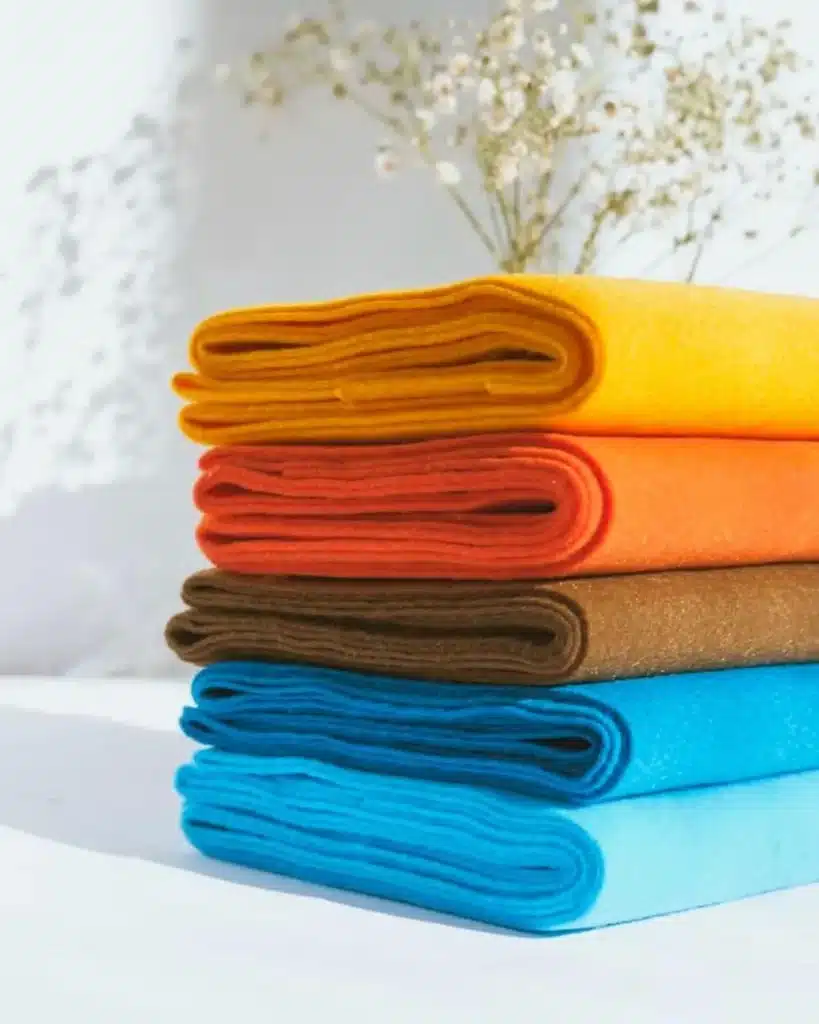
Fleece is widely used in lifestyle, apparel, and home textile products.
Baby Blankets and Nursery Products
Printed fleece is especially popular for baby products because of its:
- Soft texture
- Warmth
- Lightweight feel
Applications include:
- Baby blankets
- Baby wraps
- Nursery textiles
- Personalized gifts
Explore:
Custom Fabric Printing for Baby Products
For baby and children’s textile products, manufacturers may consider safety standards such as OEKO-TEX STANDARD 100 when evaluating textile safety requirements.
Custom Printed Blankets
Fleece blankets are popular for:
- Home use
- Travel blankets
- Personalized gifts
- Promotional products
Custom printing allows:
- Family designs
- Brand patterns
- Seasonal artwork
Apparel Products
Printed fleece is used for:
- Hoodies
- Jackets
- Sweatshirts
- Children’s clothing
Fashion brands use fleece because it combines:
- Comfort
- Warmth
- Practicality
For clothing brands:
Home Textile Applications
Printed fleece can be used for:
- Throws
- Cushions
- Decorative blankets
- Cozy home accessories
More applications:
Pet Products
Custom fleece is also used for:
- Pet blankets
- Pet bedding
- Animal accessories
Personalized designs help brands create unique products.
How to Choose Fleece Fabric for Printing
For Baby Products
Consider:
- Softness
- Safety requirements
- Fabric weight
- Wash durability
For Blankets
Consider:
- Warmth
- Thickness
- Print appearance
For Apparel
Consider:
- Breathability
- Flexibility
- Comfort
How to Prepare Artwork for Fleece Fabric Printing
Use High Resolution Designs
Recommended:
- 300 DPI
- Clear details
- Proper dimensions
Consider Surface Texture
Because fleece has a brushed surface:
- Very small details may appear softer
- Large patterns often create better visual impact
Choose Suitable Pattern Designs
Recommended:
- Large illustrations
- Repeating patterns
- Bold graphics
Is Printed Fleece Fabric Durable?
Yes. Properly printed fleece can provide excellent everyday performance.
Durability depends on:
- Fabric quality
- Printing method
- Finishing process
- Care instructions
Polyester fleece with suitable printing technology can maintain color quality after repeated use.
Textile testing organizations such as AATCC provide standardized methods for evaluating textile performance, including colorfastness and durability.
Can Small Businesses Order Custom Printed Fleece Fabric?
Yes.
Custom fleece printing is suitable for:
- Small brands
- Handmade businesses
- Baby product companies
- Boutique retailers
Digital printing allows flexible production quantities without requiring large inventory.
For smaller orders:
How Much Does Fleece Fabric Printing Cost?
Pricing depends on:
- Fleece type
- Fabric thickness
- Printing method
- Order quantity
- Artwork complexity
Factors include:
- Micro fleece vs polar fleece
- Single-sided vs double-sided printing
- Finishing requirements
Learn more:
How to Order Custom Printed Fleece Fabric from JCWTextile
Step 1
Choose your fleece material.
Step 2
Upload your artwork.
Step 3
Confirm printing requirements.
Step 4
Review samples.
Step 5
Start production.
JCWTextile provides custom printed fabric solutions for:
- Designers
- Baby product brands
- Fashion companies
- Home textile businesses
worldwide.
Conclusion
Fleece fabric printing provides businesses with a flexible way to create soft, warm, and personalized textile products.
Because fleece combines:
- Comfort
- Insulation
- Durability
- Customization possibilities
it remains a popular choice for blankets, baby products, apparel, and home textiles.
Successful custom printed fleece fabric production depends on:
- Selecting the right fleece type
- Choosing suitable printing technology
- Preparing artwork correctly
- Applying proper finishing processes
With modern digital textile printing, brands can create unique fleece fabrics for personalized products and commercial collections.
📚 FAQ About Fleece Fabric Printing
1. What is fleece fabric printing?
Fleece fabric printing is the process of applying custom designs, patterns, or artwork onto fleece textiles using suitable textile printing technologies.
2. Can fleece fabric be digitally printed?
Yes. Digital printing can be used for polyester fleece fabrics, allowing detailed patterns, personalized designs, and flexible production quantities.
3. What products use printed fleece fabric?
Printed fleece fabric is commonly used for blankets, baby products, jackets, hoodies, home textiles, and pet accessories.
4. Is fleece fabric good for baby blankets?
Yes. Fleece is widely used for baby blankets because it is soft, warm, lightweight, and comfortable.
5. Can I order small quantities of custom printed fleece fabric?
Yes. Digital fabric printing allows small-batch production suitable for designers, startups, and small businesses.