Satin is a luxurious textile known for its smooth surface, elegant shine, and flowing drape. It has been widely used in fashion, accessories, home textiles, and decorative applications for centuries.
With modern textile technology, satin fabric printing allows designers, fashion brands, and textile businesses to create customized satin fabrics featuring original patterns, artwork, logos, and personalized designs.
Unlike ordinary woven fabrics, satin has a distinctive glossy surface created by its weave structure. This smooth surface provides an excellent foundation for detailed patterns but also requires careful selection of printing methods and finishing processes.
For businesses looking to create personalized textiles, our Custom Fabric Printing Guide explains the complete workflow from fabric selection to finished products.
This complete guide covers what satin fabric is, different satin types, suitable printing methods, applications, artwork preparation, durability, and how to order custom printed satin fabric.
What Is Satin Fabric?
Satin is a fabric characterized by a smooth, glossy front surface and a softer matte back surface.
The satin appearance comes from its weaving technique rather than a specific fiber type.
Common satin fibers include:
- Polyester satin
- Silk satin
- Nylon satin
- Rayon satin
- Blended satin fabrics
The satin weave creates longer floating yarns on the fabric surface, producing its recognizable shine and luxurious appearance.
Because of its elegant texture, satin is commonly used for:
- Dresses
- Evening wear
- Scarves
- Lingerie
- Accessories
- Bedding
- Decorative textiles
Key Characteristics of Satin Fabric
1. Smooth and Glossy Surface
The most recognizable feature of satin is its shiny appearance.
This makes satin popular for:
- Luxury fashion
- Premium accessories
- Decorative products
Printed patterns often appear vibrant because the smooth surface reflects light.
2. Soft and Comfortable Hand Feel
High-quality satin fabrics provide:
- Smooth touch
- Comfortable wear
- Elegant movement
This makes satin suitable for garments worn directly against the skin.
3. Excellent Drape
Satin naturally flows and creates elegant silhouettes.
Fashion designers often choose satin for:
- Dresses
- Skirts
- Blouses
- Formal clothing
4. Versatile Design Possibilities
Custom printed satin fabric can include:
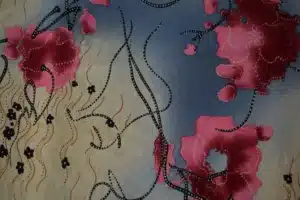
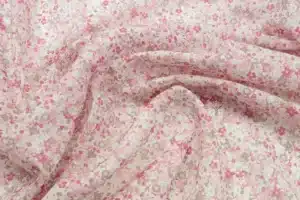
- Floral patterns
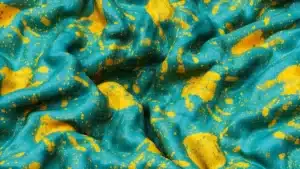
- Abstract artwork
- Geometric designs
- Brand logos
- Luxury patterns
- Personalized graphics
What Types of Satin Fabric Can Be Printed?
Different satin compositions provide different characteristics.
1. Polyester Satin
Polyester satin is one of the most commonly used satin fabrics for commercial printing.
Advantages:
- Good durability
- Smooth appearance
- Cost-effective
- Suitable for sublimation printing
Common applications:
- Fashion garments
- Scarves
- Accessories
- Event textiles
2. Silk Satin
Silk satin represents a premium natural fiber option.
Characteristics:
- Luxury appearance
- Natural softness
- Elegant shine
- Premium drape
It is commonly used for:
- Designer fashion
- Luxury scarves
- High-end textile collections
3. Rayon Satin
Rayon satin provides:
- Soft hand feel
- Natural-like drape
- Comfortable texture
It is often selected for fashion applications requiring elegant movement.
4. Stretch Satin
Stretch satin contains elastic fibers such as spandex.
Advantages:
- Added flexibility
- Comfortable fit
- Better garment movement
Applications include:
- Fashion clothing
- Performance costumes
- Specialty garments
Is Satin Fabric Good for Printing?
Yes. Satin can be an excellent fabric for custom printing when the correct technology is selected.
The smooth surface allows:
- Detailed patterns
- Sharp graphics
- Rich colors
- Premium visual effects
However, satin printing requires attention to:
- Fiber composition
- Printing method
- Fabric preparation
- Color fixation
- Finishing process
Different satin materials may require different printing solutions.
What Printing Methods Are Used for Satin Fabric?
1. Digital Fabric Printing
Digital textile printing provides flexibility for customized satin production.
Advantages include:
- Unlimited design possibilities
- Detailed artwork reproduction
- Multiple colors
- Small production quantities
It is suitable for:
- Fashion designers
- Boutique brands
- Custom collections
Learn more:
2. Dye Sublimation Printing
Dye sublimation is commonly used for polyester satin fabrics.
During this process:
- Design is printed onto transfer paper
- Heat transfers the dye into polyester fibers
- The fabric receives a permanent printed pattern
Benefits:
- Bright colors
- Smooth surface
- Good durability
- Detailed designs
3. Reactive Printing
Reactive printing may be used for suitable natural fiber satin fabrics.
Advantages:
- Soft fabric feel
- Good color absorption
- High-quality textile appearance
Satin Fabric Printing Process
The custom satin printing workflow includes several important steps.
Step 1: Artwork Preparation
The process begins with preparing the design file.
Recommended:
- High-resolution artwork
- Correct color settings
- Proper pattern repeat
- Suitable design scale
For professional preparation:
Step 2: Satin Fabric Selection
Fabric selection depends on:
- Fiber composition
- Weight
- Shine level
- Final application
Examples:
Luxury dresses may require silk satin.
Commercial fashion products may use polyester satin.
Step 3: Fabric Preparation
Before printing, satin may require:
- Fabric inspection
- Surface preparation
- Stabilization
This helps improve printing consistency.
Step 4: Digital Printing
The selected artwork is printed onto satin using appropriate textile printing technology.
Digital printing allows brands to produce:
- Custom patterns
- Limited collections
- Personalized designs
Step 5: Color Fixation
After printing, fixation improves:
- Color stability
- Wash performance
- Print durability
Step 6: Finishing and Inspection
Final processes include:
- Quality checking
- Fabric finishing
- Rolling
- Packaging