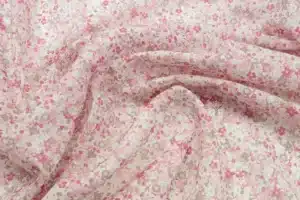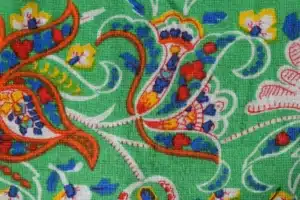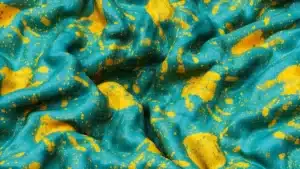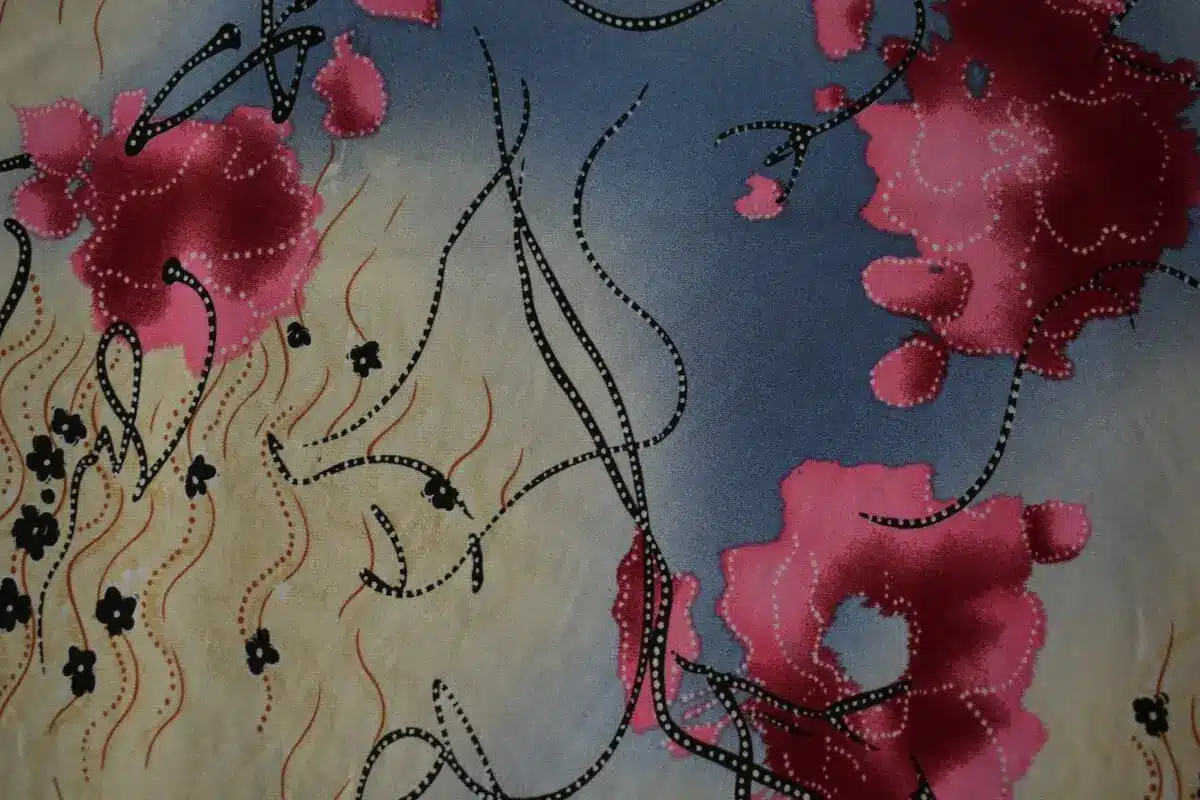
Chiffon is a lightweight, sheer, and elegant textile widely used in fashion, scarves, dresses, and decorative applications. Its flowing drape and delicate appearance make it a popular choice for designers creating premium garments and personalized textile products.
With modern textile technology, chiffon fabric printing allows designers, fashion brands, and textile businesses to create customized fabrics featuring floral patterns, digital artwork, brand graphics, and unique designs.
Unlike heavier fabrics such as canvas or cotton, chiffon requires specialized printing considerations because of its lightweight structure, transparency, and smooth surface.
Choosing the right chiffon material, printing method, and finishing process is essential for achieving vibrant colors while maintaining the fabric’s soft hand feel and elegant drape.
For a complete overview of custom textile production, explore our Custom Fabric Printing Guide.
This guide explains what chiffon fabric is, different chiffon types, suitable printing methods, applications, artwork preparation, durability, and how businesses can order custom printed chiffon fabrics.
Table of Contents:Chiffon Fabric Printing
What Is Chiffon Fabric?
Chiffon is a lightweight woven fabric known for its:
- Sheer appearance
- Soft texture
- Smooth surface
- Flowing drape
- Elegant appearance
Traditionally, chiffon was made from silk fibers. Today, many chiffon fabrics are produced using synthetic fibers such as polyester, allowing improved durability and easier maintenance.
Common chiffon compositions include:
- Polyester chiffon
- Silk chiffon
- Nylon chiffon
- Blended chiffon
Because of its lightweight construction, chiffon is commonly used for fashion products where movement and elegance are important.
Key Characteristics of Chiffon Fabric
1. Lightweight and Sheer
One of the most recognizable characteristics of chiffon is its lightweight structure.
This makes it suitable for:
- Dresses
- Scarves
- Blouses
- Decorative textiles
2. Soft and Flowing Drape
Chiffon creates a graceful movement when used in garments.
Fashion designers often select chiffon for:
- Evening wear
- Bridal designs
- Luxury fashion collections
3. Smooth Printing Surface
The fine surface structure of chiffon allows detailed patterns and artwork.
Common printed designs include:
- Floral patterns
- Abstract graphics
- Geometric designs
- Watercolor artwork
- Brand patterns
4. Versatile Fabric Applications
Printed chiffon can be used across:
- Fashion
- Accessories
- Events
- Home decoration
- Creative textile projects
What Types of Chiffon Fabric Can Be Printed?
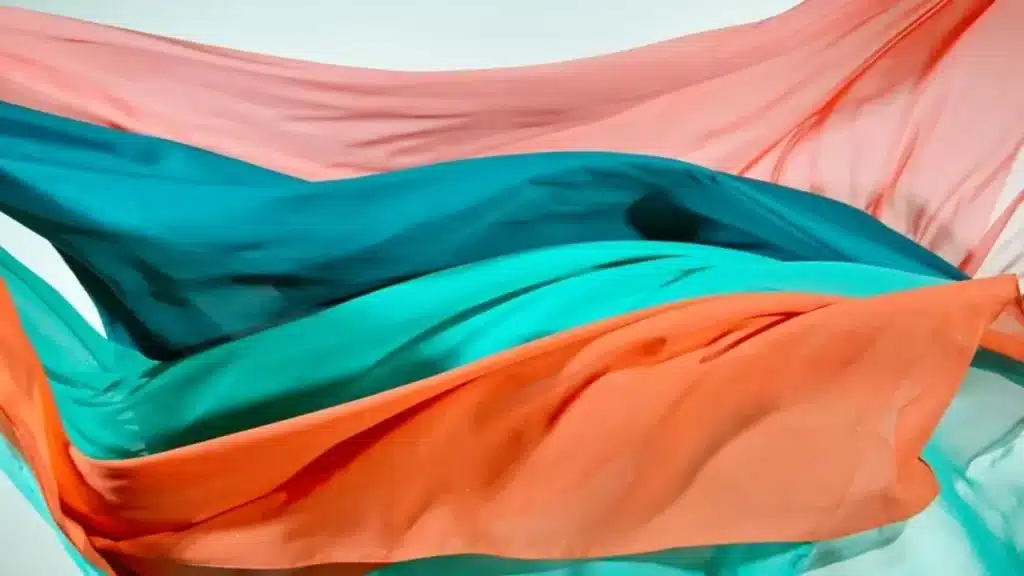
Different chiffon compositions create different printing results.
1. Polyester Chiffon
Polyester chiffon is one of the most common chiffon fabrics for commercial printing.
Advantages:
- Lightweight
- Durable
- Cost-effective
- Good color performance
It is widely used for:
- Fashion garments
- Scarves
- Accessories
- Promotional textiles
2. Silk Chiffon
Silk chiffon offers a premium natural fiber option.
Characteristics include:
- Luxury feel
- Excellent softness
- Natural sheen
It is commonly used for:
- High-end fashion
- Designer collections
- Premium scarves
3. Nylon Chiffon
Nylon chiffon provides:
- Lightweight performance
- Smooth texture
- Good flexibility
It may be selected for specific fashion and decorative applications.
4. Printed Chiffon Fabric
Custom printed chiffon allows brands to create unique textile collections.
Popular designs include:
- Floral chiffon
- Botanical patterns
- Fashion prints
- Custom illustrations
- Personalized designs
Is Chiffon Fabric Good for Printing?
Yes. Chiffon can produce excellent printing results when the correct printing method is selected.
However, because chiffon is:
- Lightweight
- Smooth
- Sometimes transparent
the printing process requires careful control.
Important factors include:
- Fabric composition
- Ink compatibility
- Color fixation
- Printing technology
- Fabric finishing
Professional testing is recommended before large production runs.
What Printing Methods Are Used for Chiffon Fabric?
1. Digital Fabric Printing
Digital textile printing is a flexible solution for custom chiffon production.
Benefits include:
- Detailed patterns
- Unlimited colors
- Photo-quality designs
- Custom artwork
- Small production quantities
Digital printing is suitable for:
- Fashion designers
- Boutique brands
- Custom scarf businesses
Learn more:
2. Sublimation Printing
For polyester chiffon, dye sublimation printing is commonly used.
The process allows dyes to penetrate polyester fibers and create:
- Bright colors
- Smooth surface finish
- Detailed patterns
This method is often selected for:
- Polyester chiffon scarves
- Fashion accessories
- Printed garments
3. Reactive Printing
For natural fiber chiffon such as silk chiffon, reactive or specialized dye processes may be considered.
These methods focus on:
- Color absorption
- Soft fabric feel
- Quality finishing
Chiffon Fabric Printing Process
The typical workflow includes:
Step 1: Artwork Preparation
The process begins with preparing the design file.
Recommended:
- High-resolution artwork
- Correct color settings
- Proper pattern scale
- Repeat design preparation
For professional artwork preparation:
Step 2: Chiffon Fabric Selection
The fabric is selected according to:
- Fiber composition
- Weight
- Transparency
- Final application
Examples:
Fashion dresses may require softer flowing chiffon.
Scarves may require lightweight premium chiffon.
Step 3: Fabric Preparation
Before printing:
- Fabric inspection
- Surface preparation
- Stabilization
may be performed to improve printing consistency.
Step 4: Digital Printing
The selected design is printed onto chiffon using suitable textile printing technology.
Digital printing provides flexibility for:
- Custom collections
- Limited editions
- Personalized designs
Step 5: Color Fixation
After printing, fixation improves:
- Color durability
- Washing performance
- Print stability
Step 6: Finishing and Quality Inspection
Final processes may include:
- Drying
- Washing
- Fabric inspection
- Packaging
Applications of Custom Printed Chiffon Fabric
Chiffon is widely used in fashion and decorative textile industries.
Fashion Clothing
Printed chiffon is popular for:
- Dresses
- Skirts
- Blouses
- Tops
- Evening wear
Fashion brands use chiffon because it creates:
- Elegant movement
- Lightweight comfort
- Premium appearance
For textile products that come into direct contact with skin, manufacturers may consider safety standards such as OEKO-TEX STANDARD 100 when evaluating harmful substance testing requirements.
For clothing brands:
Custom Printed Scarves
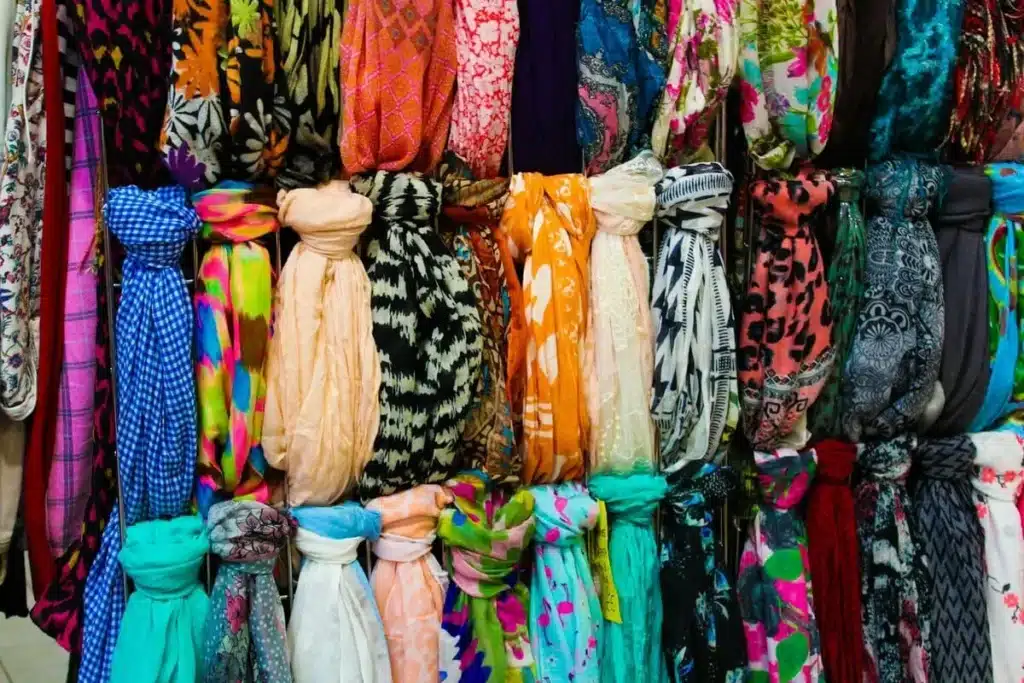
Chiffon is one of the most popular scarf fabrics.
Applications include:
- Fashion scarves
- Promotional scarves
- Personalized accessories
Custom printing allows:
- Brand logos
- Artwork
- Seasonal patterns
Fashion Accessories
Printed chiffon can also be used for:
- Hair accessories
- Decorative ribbons
- Lightweight accessories
Event and Decorative Textiles
Chiffon is commonly used for:
- Wedding decorations
- Stage decoration
- Event styling
Custom colors and patterns allow creative decoration solutions.
Home Textile Applications
Although chiffon is mainly associated with fashion, it can also be used for lightweight decorative applications.
Examples:
- Decorative curtains
- Sheer textile designs
- Artistic textile projects
Explore more:
How to Choose Chiffon Fabric for Printing
For Fashion Products
Consider:
- Fabric drape
- Transparency
- Softness
- Color requirements
For Scarves
Consider:
- Lightweight feel
- Print clarity
- Fabric width
For Decorative Products
Consider:
- Color performance
- Fabric appearance
- Installation requirements
How to Prepare Artwork for Chiffon Fabric Printing
Use High Resolution Designs
Recommended:
- 300 DPI
- Clear artwork
- Correct dimensions
Consider Transparency
Because chiffon may be sheer:
- Colors may appear softer
- Background effects may influence appearance
Choose Suitable Pattern Sizes
Large patterns:
- Floral designs
- Artistic illustrations
Small patterns:
- Repeating motifs
- Geometric designs
should be tested before production.
Is Printed Chiffon Fabric Durable?
Durability depends on:
- Fiber composition
- Printing technology
- Finishing process
- Care instructions
Polyester chiffon with appropriate printing methods can provide good color performance.
Proper washing and care can help maintain printed designs.
Textile testing organizations such as AATCC provide standardized methods for evaluating properties including colorfastness and fabric performance.
Can Small Businesses Order Custom Printed Chiffon Fabric?
Yes.
Chiffon printing is suitable for:
- Fashion startups
- Independent designers
- Boutique brands
- Small collections
Digital printing allows flexible production quantities without requiring large inventory.
For small production:
How Much Does Chiffon Fabric Printing Cost?
The cost depends on:
- Chiffon type
- Fiber composition
- Printing method
- Quantity
- Artwork complexity
- Finishing requirements
Premium silk chiffon usually costs more than polyester chiffon because of fiber and processing differences.
Learn more:
How to Order Custom Printed Chiffon Fabric from JCWTextile
Step 1
Select your chiffon fabric.
Step 2
Upload your design.
Step 3
Confirm printing requirements.
Step 4
Review samples.
Step 5
Begin production.
JCWTextile provides custom printed fabric solutions for designers, brands, and businesses worldwide.
Conclusion
Chiffon fabric printing provides designers and businesses with a way to create elegant, lightweight, and personalized textiles.
Because chiffon combines softness, transparency, and beautiful drape, it remains a popular choice for fashion products, scarves, and decorative applications.
Successful custom printed chiffon fabric production depends on:
- Selecting the right chiffon type
- Choosing suitable printing technology
- Preparing artwork correctly
- Applying proper finishing processes
With modern digital textile printing, brands can create unique chiffon fabrics for fashion collections, accessories, and creative textile products.
📚 FAQ About Chiffon Fabric Printing
1. What is chiffon fabric printing?
Chiffon fabric printing is the process of applying custom designs, patterns, or artwork onto chiffon textiles using suitable textile printing technologies.
2. Can chiffon fabric be digitally printed?
Yes. Digital printing can be used for chiffon fabrics, especially polyester chiffon, allowing detailed patterns and customized designs.
3. What products use printed chiffon fabric?
Printed chiffon is commonly used for dresses, scarves, blouses, fashion accessories, event decoration, and lightweight textiles.
4. Is polyester chiffon better for printing?
Polyester chiffon is commonly selected for printing because it provides good color performance, durability, and compatibility with sublimation printing.
5. Can I order small quantities of custom printed chiffon fabric?
Yes. Digital printing allows flexible quantities suitable for designers, startups, and small fashion brands.