Muslin is one of the most widely recognized lightweight cotton fabrics, valued for its softness, breathability, and versatility. From baby products and fashion garments to home textiles and creative projects, muslin fabric provides a comfortable and adaptable textile surface for many applications.
With modern textile technology, muslin fabric printing allows designers, brands, and manufacturers to transform plain muslin into customized fabrics featuring original patterns, illustrations, photographs, logos, and repeat designs.
Unlike heavier woven fabrics such as canvas or structured textiles, muslin has a lightweight and breathable construction. This makes fabric selection, artwork preparation, and printing technology especially important when creating custom printed muslin fabrics.
For businesses exploring personalized textile production, our Custom Fabric Printing Guide explains the complete process from fabric selection to finished products.
This guide covers what muslin fabric is, different muslin types, suitable printing methods, applications, artwork preparation, durability considerations, and how to order custom printed muslin fabric.
Table of Contents:Muslin Fabric Printing
What Is Muslin Fabric?
Muslin is a lightweight woven fabric traditionally made from cotton fibers.
It is commonly characterized by:
- Soft hand feel
- Breathable structure
- Lightweight construction
- Natural appearance
- Comfortable drape
Muslin is usually created using a simple plain weave structure, where warp and weft yarns interlace in a basic over-under pattern.
Because of its lightweight nature, muslin is widely used in products where softness and comfort are important.
Common applications include:
- Baby blankets
- Swaddles
- Baby clothing
- Scarves
- Lightweight apparel
- Quilting projects
- Home textiles
- Craft products
The exact characteristics of muslin depend on:
- Fiber quality
- Yarn count
- Fabric weight
- Weave density
- Finishing process
Therefore, different muslin fabrics can produce different printing results.
Key Characteristics of Muslin Fabric
1. Soft and Comfortable
Muslin is popular in baby products and apparel because it provides a soft touch against the skin.
This makes it suitable for:
- Baby blankets
- Burp cloths
- Swaddles
- Lightweight garments
2. Breathable and Lightweight
The open woven structure allows air circulation.
This makes muslin suitable for warm-weather products and breathable textile applications.
3. Natural Cotton Appearance
Cotton muslin has a natural textile texture that creates a handmade and premium appearance.
Printed patterns often maintain a soft visual effect because of the fabric surface.
4. Easy to Customize
Muslin provides a flexible surface for:
- Floral patterns
- Animal prints
- Nursery designs
- Brand graphics
- Illustration artwork
- Repeating patterns
What Types of Muslin Fabric Can Be Printed?
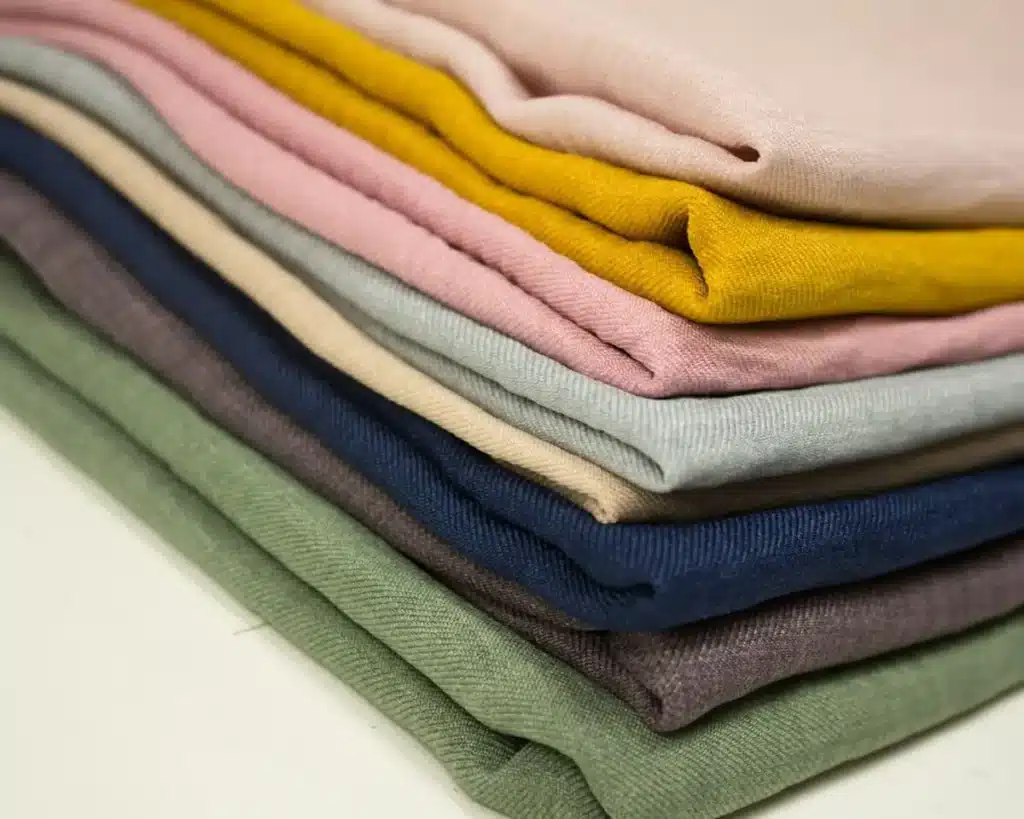
Different muslin constructions may require different printing considerations.
1. Cotton Muslin Fabric
Cotton muslin is the most common type.
It is widely used for:
- Baby products
- Apparel
- Quilting
- Home textiles
- Crafts
Because cotton is a natural cellulose fiber, printing methods should be selected according to cotton dye absorption characteristics.
For more information about cotton-based textile printing, see:
2. Organic Cotton Muslin
Organic cotton muslin combines the lightweight characteristics of muslin with organic fiber sourcing.
Brands choosing organic cotton muslin often refer to certifications such as the Global Organic Textile Standard (GOTS) when evaluating sustainable textile materials.
It is often selected for:
- Baby products
- Sustainable brands
- Eco-conscious collections
- Natural lifestyle products
For sustainable textile production, brands may also consider:
3. Double Gauze Muslin
Double gauze is made by joining two lightweight gauze layers.
It provides:
- Increased softness
- Better coverage
- More texture
- Comfortable drape
Common uses include:
- Baby blankets
- Clothing
- Scarves
- Summer garments
4. Printed Muslin Fabric
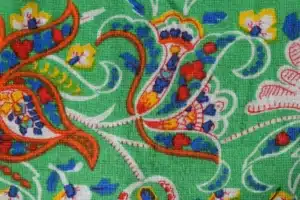
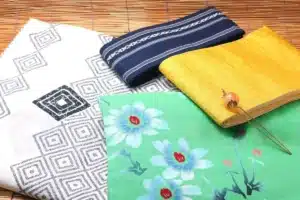
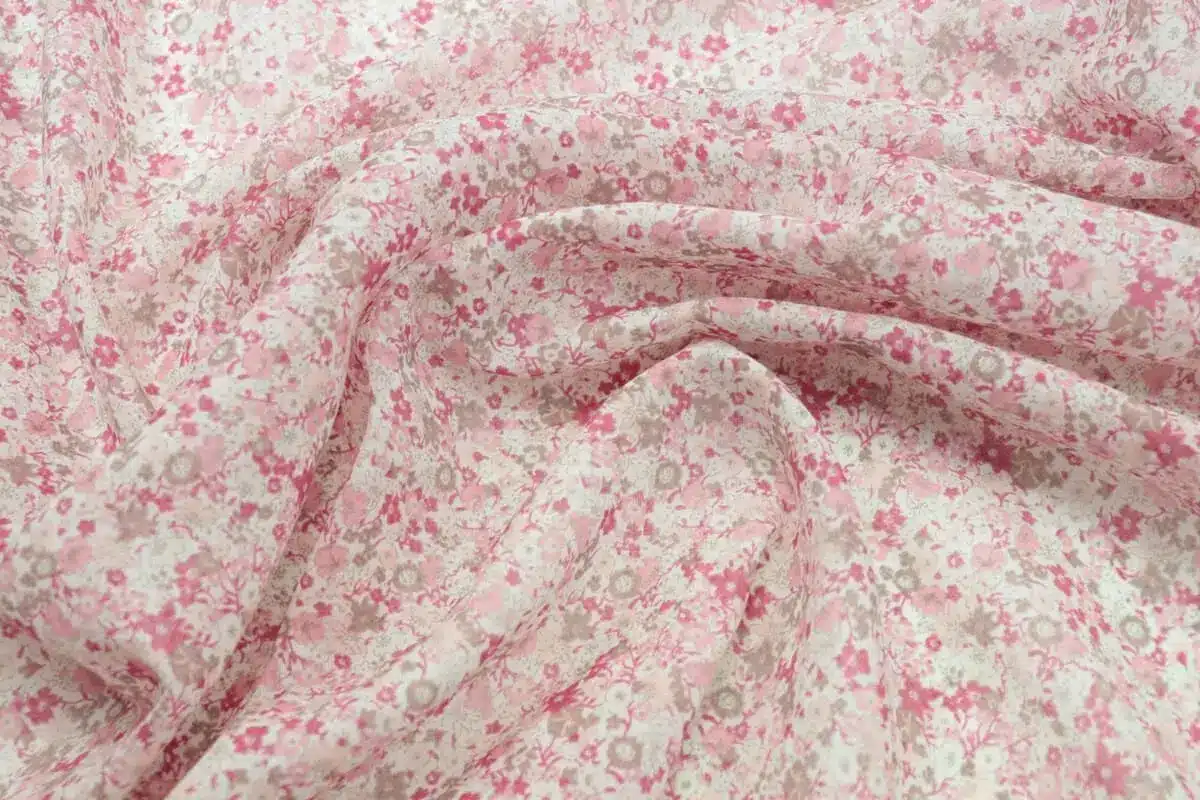
Printed muslin refers to muslin that has been customized with patterns or artwork.
Popular designs include:
- Floral prints
- Botanical patterns
- Animal illustrations
- Geometric patterns
- Baby nursery themes
- Personalized graphics
Is Muslin Fabric Good for Printing?
Yes. Muslin can be an excellent fabric for custom printing when the correct printing process is selected.
Its lightweight cotton construction allows detailed designs while maintaining softness and flexibility.
However, printing quality depends on:
- Fabric preparation
- Fiber composition
- Fabric weight
- Ink or dye selection
- Printing technology
- Fixation process
Because muslin is lightweight, very dense artwork or extremely small details should be tested before production.
What Printing Methods Are Used for Muslin Fabric?
1. Digital Fabric Printing
Digital textile printing is one of the most flexible methods for custom muslin fabric.
Advantages include:
- Complex patterns
- Photo-quality designs
- Multiple colors
- Small production quantities
- Fast design changes
Digital printing is especially suitable for:
- Custom baby products
- Designer collections
- Personalized textiles
- Small brands
Learn more:
2. Reactive Printing for Cotton Muslin
Reactive printing is commonly associated with cotton textiles.
The dye chemically bonds with cellulose fibers, allowing colors to become part of the fabric structure.
It is often used when requirements include:
- Bright colors
- Soft hand feel
- Good wash performance
The final result depends on:
- Dye selection
- Fabric preparation
- Fixation
- Washing process
3. Pigment Printing
Pigment printing uses pigments attached to fabric through binders.
It can be considered for certain muslin fabrics because it can work with different fiber compositions.
Applications include:
- Fashion textiles
- Decorative products
- Creative textile projects
Muslin Fabric Printing Process
The typical custom muslin printing workflow includes several stages.
Step 1: Artwork Preparation
The process starts with preparing the design file.
Recommended considerations:
- High-resolution artwork
- Correct dimensions
- Color settings
- Pattern repeat
- Final product size
For professional production:
Step 2: Muslin Fabric Selection
The fabric is selected according to:
- Weight
- Width
- Fiber composition
- Softness
- Final application
For example:
Baby products may require softer lightweight muslin.
Home textiles may require different weight and structure.
Step 3: Fabric Preparation
Before printing, muslin may require:
- Cleaning
- Pretreatment
- Stabilization
- Drying
Proper preparation improves printing consistency.
Step 4: Digital Printing
The printer applies the design directly onto the muslin fabric.
Digital printing allows:
- Detailed artwork
- Multiple colors
- Custom patterns
Step 5: Color Fixation
After printing, the fabric undergoes fixation.
This helps improve:
- Color durability
- Wash performance
- Print stability
Step 6: Finishing and Inspection
Final processes may include:
- Washing
- Drying
- Quality inspection
- Rolling
- Packaging
Applications of Custom Printed Muslin Fabric
Muslin is one of the most versatile lightweight fabrics.
Baby Products
Muslin is especially popular for baby products because of its softness and breathability.
Common applications include:
- Baby blankets
- Swaddle blankets
- Burp cloths
- Baby bibs
- Nursery textiles
- Baby clothing
For baby textile products, manufacturers may consider safety certifications such as OEKO-TEX STANDARD 100 to evaluate harmful substance testing requirements.
For more information:
Clothing and Fashion
Printed muslin can be used for:
- Dresses
- Blouses
- Scarves
- Lightweight shirts
- Summer apparel
Designers often choose muslin when they want:
- Soft drape
- Natural texture
- Comfortable wear
Quilting and Craft Projects
Muslin is widely used by:
- Quilters
- DIY creators
- Handmade brands
Custom printing allows creators to develop:
- Personalized quilt fabrics
- Unique patterns
- Small collections
Home Textiles
Printed muslin can also be used for:
- Curtains
- Decorative textiles
- Lightweight covers
- Nursery decoration
For more application ideas:
Sustainable Textile Products
Organic and natural muslin fabrics are increasingly used by brands developing sustainable textile collections.
Applications include:
- Eco-friendly baby products
- Natural lifestyle products
- Sustainable fashion
Sustainable textile initiatives, including those promoted by organizations such as Textile Exchange, encourage responsible fiber sourcing and production practices.
For sustainable printing information:
How to Choose Muslin Fabric for Printing
Baby Products
Consider:
- Softness
- Breathability
- Natural fibers
- Safe finishing
Apparel
Consider:
- Fabric weight
- Draping
- Transparency
- Comfort
Quilting
Consider:
- Print clarity
- Pattern scale
- Fabric stability
Home Textile
Consider:
- Durability
- Color performance
- Fabric width
How to Prepare Artwork for Muslin Fabric Printing
Use High Resolution Files
Recommended:
- 300 DPI artwork
- Clear patterns
- Correct dimensions
Consider Fabric Texture
Because muslin has a soft woven texture:
- Fine details may appear softer
- Small text should be tested
- Colors may appear slightly different from screen previews
Check Pattern Scale
Large patterns:
- Floral designs
- Nursery illustrations
Small patterns:
- Polka dots
- Mini motifs
should be tested according to the final product.
Is Printed Muslin Fabric Durable?
The durability depends on:
- Printing method
- Fabric quality
- Dye fixation
- Washing conditions
- Product usage
For baby products and frequently washed textiles, color performance and fabric care instructions are especially important.
Can Small Businesses Order Custom Printed Muslin Fabric?
Yes.
Muslin is suitable for:
- Small brands
- Handmade businesses
- Designers
- Boutique collections
Digital printing allows flexible production quantities.
For small orders:
How Much Does Muslin Fabric Printing Cost?
Pricing depends on:
- Fabric type
- GSM
- Printing method
- Artwork complexity
- Quantity
- Finishing
- Shipping
Small quantities may have a higher unit cost because production preparation costs are distributed over fewer meters.
More details:
How to Order Custom Printed Muslin Fabric from JCWTextile
Step 1
Choose your muslin fabric.
Step 2
Upload your artwork.
Step 3
Confirm printing requirements.
Step 4
Review samples.
Step 5
Start production.
JCWTextile supports custom printed fabric production for designers, brands, and businesses worldwide.
Conclusion
Muslin fabric printing provides designers and brands with a flexible way to create personalized lightweight textiles.
Because muslin combines softness, breathability, and versatility, it is widely used for baby products, apparel, quilting, crafts, and home textiles.
The best printing result depends on choosing the right combination of:
- Muslin fabric type
- Printing technology
- Artwork preparation
- Product application
With modern digital textile printing, businesses can create unique custom printed muslin fabrics for both small projects and commercial collections.
📚 FAQ About Muslin Fabric Printing
1. What is muslin fabric printing?
Muslin fabric printing is the process of applying custom designs, patterns, photographs, or artwork onto muslin textiles using suitable textile printing technologies.
2. Is muslin fabric good for digital printing?
Yes. Cotton muslin can work well with digital textile printing because natural fibers can absorb suitable textile dyes and inks.
3. What products use printed muslin fabric?
Printed muslin is commonly used for baby blankets, swaddles, clothing, quilting fabrics, crafts, and lightweight home textiles.
4. Can I order small quantities of custom printed muslin fabric?
Yes. Digital printing allows flexible production quantities suitable for designers, startups, and small brands.
5. What artwork files are needed for muslin fabric printing?
High-resolution artwork files with correct dimensions, color settings, and repeat information are recommended.