Introduction
The textile industry is changing rapidly as brands and consumers pay more attention to environmental impact, responsible production, and sustainable materials.
Traditional textile manufacturing often involves large production quantities, significant water consumption, chemical processing, and excess inventory. For many modern brands, especially small businesses and independent designers, finding a more flexible and environmentally conscious production method has become increasingly important.
Sustainable digital fabric printing provides a more efficient approach to creating custom textiles. By combining digital printing technology with flexible production models, brands can reduce unnecessary waste, produce only what they need, and create unique fabrics with greater design freedom.
Unlike traditional textile printing methods that may require large production runs, digital fabric printing supports:
- Custom designs
- Small-batch production
- On-demand manufacturing
- Reduced material waste
- Faster design adjustments
For businesses looking to create unique textiles while considering sustainability, digital fabric printing offers a practical solution for modern textile production.
This guide explains how sustainable digital fabric printing works, why it is considered a more eco-friendly printing approach, and how brands can use it to create customized fabrics with less waste.
What Is Sustainable Digital Fabric Printing?
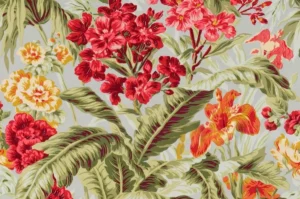
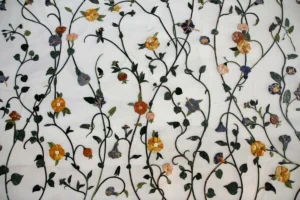
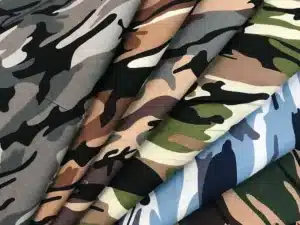
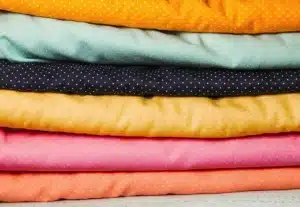
Sustainable digital fabric printing is the process of printing designs directly onto textiles using digital printing technology while adopting production methods that reduce environmental impact.
Instead of using traditional screens, plates, or large-scale preparation processes, digital textile printers apply ink directly from digital artwork files onto fabric.
The process usually includes:
- Creating a digital textile design
- Preparing artwork files
- Selecting suitable fabrics
- Applying digital printing technology
- Reviewing printed samples
- Producing the required quantity
Because digital printing allows manufacturers to produce fabric based on actual demand, it can help reduce overproduction and unnecessary inventory.
For brands creating custom textiles, this approach provides both creative flexibility and a more resource-conscious production model.
Why Digital Fabric Printing Is More Sustainable
Digital printing is not automatically sustainable by itself. Sustainability depends on many factors, including fabric selection, ink technology, production processes, and responsible manufacturing practices.
However, compared with some traditional textile production methods, digital fabric printing offers several potential environmental advantages.
1. Reduced Water Consumption
Traditional textile dyeing processes can require significant amounts of water, especially during preparation, dye application, and washing stages.
Digital fabric printing works differently.
Instead of immersing large amounts of fabric into dye baths, digital printers apply controlled amounts of ink directly onto the textile surface.
This can help reduce:
- Excess water usage
- Wastewater from unnecessary dyeing
- Additional washing processes
For brands interested in reducing the environmental impact of textile production, digital printing provides a more efficient alternative.
2. Less Fabric Waste Through On-Demand Production

One of the biggest sustainability challenges in fashion and textiles is overproduction.
Traditional production models often require brands to manufacture large quantities before knowing whether products will sell.
This can lead to:
- Excess inventory
- Unsold products
- Material waste
- Storage costs
Sustainable digital fabric printing supports a different approach:
Design
   ↓
Sample
   ↓
Small Batch Production
   ↓
Market Testing
   ↓
Scale Production
This model allows brands to produce according to actual demand.
For small businesses and independent designers, this approach can reduce unnecessary fabric consumption while creating more flexible product development opportunities.
Learn more about our approach:
3. More Efficient Ink Application
Digital textile printers apply ink precisely according to the design file.
Compared with some traditional printing processes, digital printing can reduce unnecessary ink usage because the printer only applies color where the design requires it.
Benefits include:
- Precise pattern reproduction
- Reduced printing preparation waste
- Easier design changes
- Better customization flexibility
This makes digital printing particularly suitable for custom textile projects where every design may be different.
4. Supports Small Batch and On-Demand Manufacturing
Sustainability is not only about materials.
Production quantity also plays an important role.
A factory producing thousands of meters of fabric that later remains unused creates unnecessary resource consumption.
Small-batch production helps brands:
- Test new designs
- Produce limited collections
- Avoid excess stock
- Reduce financial risk
- Create more personalized products
This is especially valuable for:
- Emerging fashion brands
- Independent designers
- Online sellers
- Product developers
Digital printing makes it easier to create customized fabrics without committing to unnecessary production volume.
Sustainable Fabrics for Digital Printing

Printing technology is only one part of sustainable textile production.
The fabric itself also plays an important role.
Different materials provide different benefits depending on product requirements.
Organic Cotton Fabric
Organic cotton is widely used by brands looking for more responsible textile options. Brands interested in understanding sustainable fiber sourcing and responsible material choices can refer to industry resources from Textile Exchange, which provides research and reports on preferred fibers and sustainable materials.
Common applications include:
- Clothing
- Baby products
- Home textiles
- Accessories
Organic cotton provides a natural fiber option with a soft hand feel and versatile applications.
For brands using organic cotton fabrics, certifications such as the Global Organic Textile Standard (GOTS) help define requirements for organic fibers, processing, and responsible textile production.
Bamboo Fabric
Bamboo-based fabrics are popular for products requiring:
- Soft texture
- Breathability
- Comfortable wear
- Baby and lifestyle products
Bamboo fabrics are often used for:
- Baby blankets
- Pajamas
- Apparel
- Home textiles
Linen and Linen Blends
Linen is valued for:
- Natural appearance
- Breathability
- Lightweight texture
- Premium feel
It is commonly used for:
- Summer clothing
- Home décor
- Fashion accessories
Recycled Polyester Fabric
Recycled polyester can be used for applications requiring durability and performance.
Common uses include:
- Sportswear
- Bags
- Outdoor textiles
- Functional products
Tencel / Lyocell Fabric
Tencel and lyocell fabrics are known for their smooth texture and comfortable performance.
They are commonly selected for:
- Fashion garments
- Soft apparel
- Premium textile products
Sustainable Fabric Printing Methods
Different printing methods have different characteristics.
The most suitable option depends on:
- Fabric composition
- Product application
- Color requirements
- Durability expectations
Digital Printing
Digital printing is often selected for:
- Custom designs
- Small production runs
- Detailed patterns
- Flexible manufacturing
Advantages:
- No traditional screen preparation
- Easy design changes
- Suitable for customized production
Reactive Printing
Reactive printing is commonly used for natural fibers such as cotton.
It provides:
- Excellent color absorption
- Soft fabric feel
- Good wash durability
Pigment Printing
Pigment printing applies color pigments directly onto fabric surfaces.
Advantages include:
- Suitable for various fabrics
- Flexible application
- Lower water requirements compared with some traditional processes
Sublimation Printing
Sublimation printing is commonly used for polyester fabrics.
It provides:
- Bright colors
- Durable prints
- Strong pattern performance
For a detailed comparison, see:
Fabric Printing Methods: Reactive vs. Pigment vs. Sublimation Printing
How Sustainable Fabric Printing Helps Small Brands
Sustainability is especially important for small brands because resources are often limited.
A startup or independent designer may not have the budget or demand forecast required for large-scale production.
Digital fabric printing helps small businesses by allowing them to:
Test New Product Ideas
Brands can create samples before committing to larger production.
Create Limited Collections
Small seasonal collections or exclusive designs become easier to produce.
Reduce Inventory Risk
Producing only the required quantity helps avoid unnecessary stock.
Offer Unique Designs
Custom printing allows brands to create original patterns instead of relying on mass-market fabrics.
For more information about developing custom textiles for small businesses:
Sustainable Digital Fabric Printing Process
A responsible custom textile workflow usually follows these steps:
Step 1: Create Digital Artwork
Designers create original patterns, illustrations, photographs, or graphics.
Artwork preparation affects:
- Print quality
- Color accuracy
- Pattern appearance
See:
Step 2: Select the Right Fabric
The fabric should match the final product.
Consider:
- Fiber type
- Weight
- Texture
- Stretch
- Intended use
Step 3: Choose the Printing Method
The printing method depends on:
- Fabric composition
- Required durability
- Design complexity
Step 4: Produce a Sample
A physical sample allows brands to review:
- Colors
- Fabric feel
- Pattern scale
- Print quality
Step 5: Produce Only What You Need
After approval, production can continue based on actual demand.
This helps create a more flexible and efficient production model.
Sustainable Digital Printing vs Traditional Textile Printing
| Factor | Traditional Textile Printing | Digital Fabric Printing |
|---|---|---|
| Production Quantity | Usually larger | More flexible |
| Design Changes | More difficult | Easier |
| Small Orders | Less practical | More accessible |
| Waste Risk | Higher with overproduction | Lower with demand-based production |
| Pattern Customization | Limited flexibility | Highly customizable |
| Sampling | More expensive | Easier |
Digital printing is not a complete solution for every sustainability challenge, but it provides valuable advantages for brands seeking more flexible textile production.
How JCW Textile Supports Sustainable Fabric Printing
JCW Textile helps brands create custom printed fabrics through digital textile printing and flexible production options.
Our approach supports businesses that need:
- Custom fabric designs
- Small-batch production
- No MOQ options
- Multiple fabric choices
- Global shipping
By combining custom design capability with flexible production, brands can create unique textiles without committing to unnecessary quantities.
This approach is especially useful for:
- Fashion startups
- Independent designers
- Small businesses
- Creative projects
- Limited collections
Explore available materials:
Create your own textile design:
Sustainable Fabric Printing and the Future of Textile Production
The future of textiles is moving toward more flexible, personalized, and responsible production models.
Consumers increasingly expect brands to consider:
- Material choices
- Manufacturing processes
- Product lifecycle
- Waste reduction
Digital textile printing supports this movement by allowing brands to create products closer to real customer demand.
Instead of producing large quantities first and searching for buyers later, brands can:
Design → Test → Produce → Improve → Scale
This creates a more adaptable approach to modern textile development.
📚 Frequently Asked Questions About Sustainable Digital Fabric Printing
1. What is sustainable digital fabric printing?
Sustainable digital fabric printing uses digital printing technology combined with more efficient production practices to create customized textiles while reducing unnecessary waste and resource consumption.
2. Is digital fabric printing environmentally friendly?
Digital fabric printing can provide environmental advantages through reduced waste, flexible production quantities, and more efficient ink application. Sustainability also depends on fabric selection, inks, and manufacturing practices.
3. Does digital printing use less water than traditional textile printing?
Digital printing can reduce water usage compared with some traditional dyeing and printing processes because ink is applied directly to the fabric without large dye baths.
4. Can small brands use sustainable fabric printing?
Yes. Small brands can use sustainable fabric printing to create samples, limited collections, and custom products without committing to large production quantities.
5. What fabrics are suitable for sustainable printing?
Suitable fabrics depend on the printing method and product requirements. Common options include organic cotton, bamboo fabric, linen, recycled polyester, and other specialty textiles.
6. Is no MOQ fabric printing more sustainable?
No MOQ and low MOQ production can support sustainability by reducing overproduction and allowing brands to produce closer to actual demand.
7. What is the most eco-friendly fabric for printing?
There is no single best sustainable fabric for every product. The ideal choice depends on the application, durability requirements, fiber characteristics, and production goals.
8. Can custom printed fabric be produced with less waste?
Yes. Custom digital printing and smaller production quantities can help reduce excess fabric inventory and unnecessary manufacturing waste.
Create Sustainable Custom Printed Fabric With JCW Textile
Sustainable textile production does not always require large-scale manufacturing.
With sustainable digital fabric printing, brands can create unique textiles, test new ideas, and produce according to real demand.
Whether you are developing a new fashion collection, creating custom products, or testing a textile concept, flexible digital printing can help you move from idea to finished fabric more efficiently.
Start your custom fabric project today: