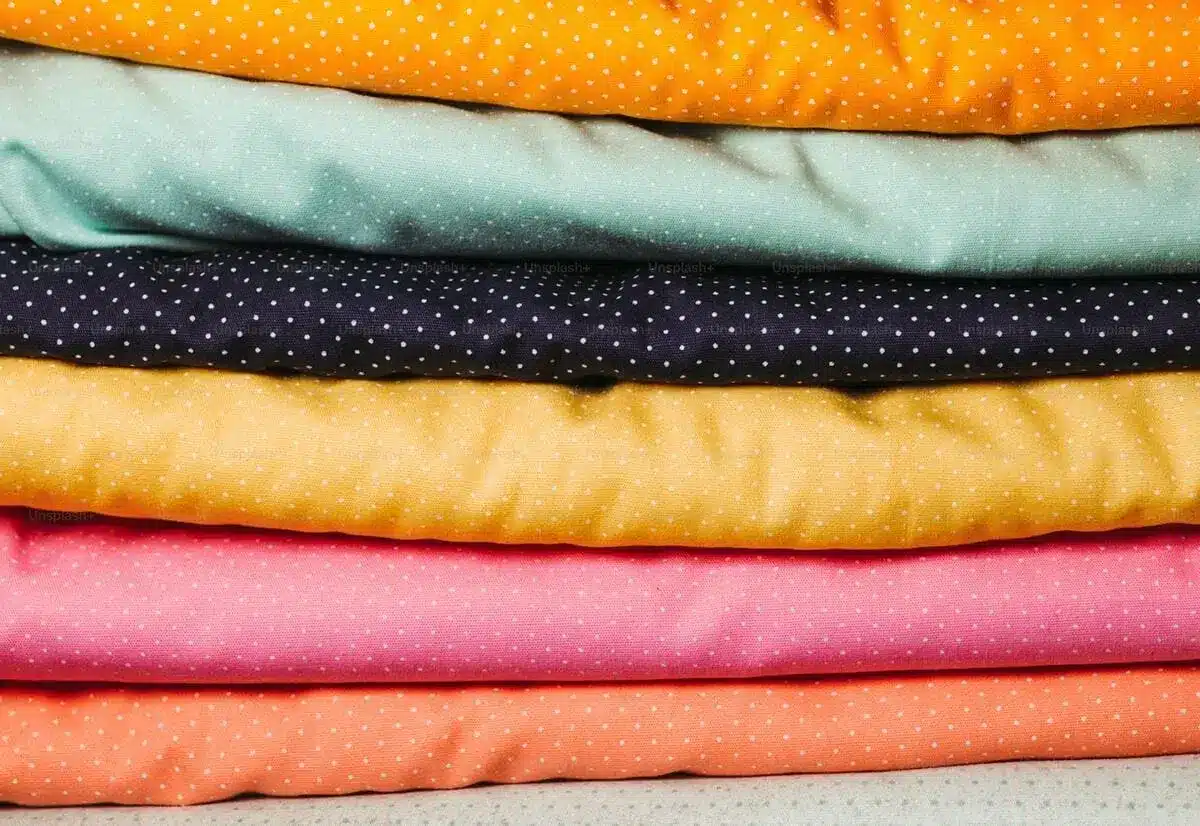
Polka dot fabric is a timeless textile pattern featuring repeated dots arranged across a fabric surface. From classic black dots on white backgrounds to colorful oversized circles and contemporary irregular designs, polka dot patterns can suit fashion, accessories, home décor, quilting, and many other creative projects.
With polka dot fabric printing, designers and businesses can customize dot size, spacing, color combinations, background colors, and pattern layouts to match their products. Digital fabric printing makes it possible to develop distinctive designs without relying exclusively on standard, ready-made patterns.
At JCWTextile, you can explore custom printed fabric options for different creative and commercial applications. Whether you are developing a clothing collection, sewing accessories, or creating coordinated home textiles, choosing the right pattern and fabric is an important first step.
In this guide, we explain popular polka dot styles, suitable fabrics, printing considerations, design preparation, applications, and factors that influence the cost of custom printed polka dot fabric.
Table of Contents:Polka Dot Fabric Printing
What Is Polka Dot Fabric Printing?
Polka dot fabric printing is the process of applying a repeated dot pattern to textile material. The dots may be small or large, evenly spaced or irregular, monochrome or multicolored.
Traditional polka dot designs often use uniform circles arranged in regular rows. Modern interpretations can include mixed dot sizes, scattered layouts, hand-drawn circles, and abstract arrangements.
Custom printing gives designers greater control over several details:
- Dot size: Tiny dots for delicate patterns or oversized circles for bold visual impact.
- Dot spacing: Closely arranged dots, widely spaced circles, or custom repeat layouts.
- Color combinations: Classic black and white, pastel colors, bright contrasts, or brand-specific palettes.
- Background color: White, cream, navy, pink, or another chosen base color.
- Pattern scale: Small-scale prints for subtle details or large-scale designs for statement products.
- Pattern repeat: Seamless layouts designed to continue across the fabric surface.
If you are exploring the broader custom textile production process, visit our Custom Fabric Printing Guide for an overview of design preparation, fabric selection, printing methods, and ordering considerations.
Popular Types of Polka Dot Fabric Patterns
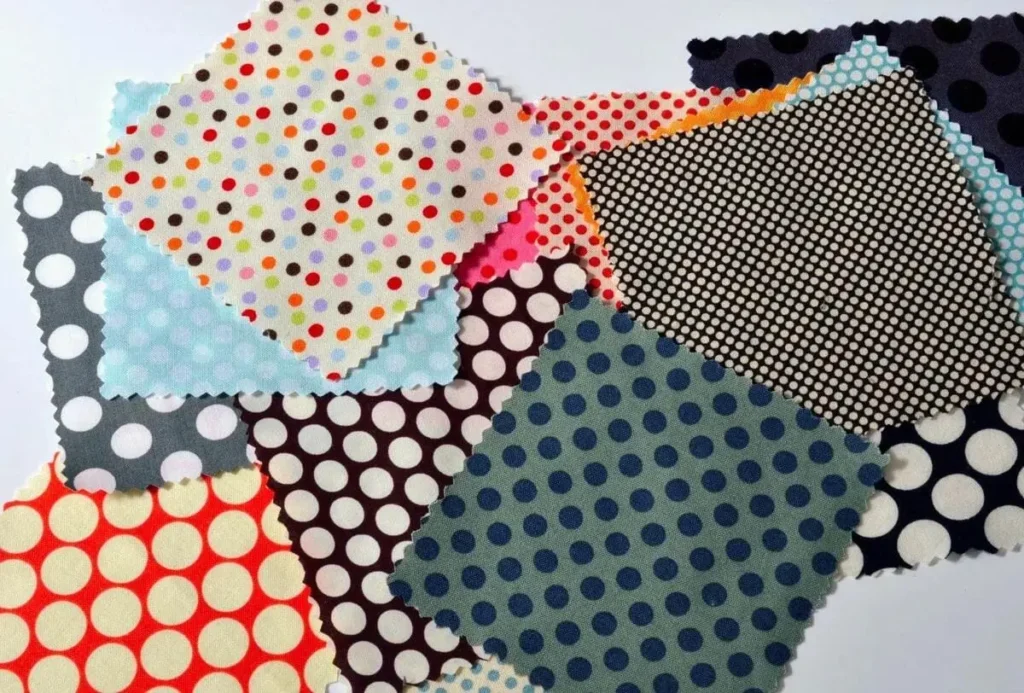
Different dot patterns can create very different visual effects. Before ordering custom printed fabric, consider the style, scale, and intended use of your design.
1. Classic Polka Dot Fabric
Classic polka dot fabric usually features uniform circles arranged in an orderly repeat. Black dots on white fabric and white dots on navy fabric are familiar examples.
This style works well for dresses, blouses, skirts, children’s clothing, scarves, and accessories. Its simple structure also makes it easy to coordinate with solid-color textiles.
2. Small Polka Dot Fabric
Small polka dots create a delicate, understated appearance. They can be suitable for shirts, linings, lightweight dresses, quilting projects, and accessories where a fine pattern is preferred.
When preparing a small-dot design, check that the dots remain clear at the intended print size. Very small details may look different depending on the fabric texture, printing process, and viewing distance.
3. Large Polka Dot Fabric
Large polka dots make a stronger visual statement. They are often useful for fashion collections, statement skirts, costumes, tote bags, cushions, and playful interior accents.
Because large dots are visually prominent, the distance between them matters. A tightly packed arrangement can feel energetic, while generous spacing can create a cleaner, more contemporary look.
4. Multicolor Polka Dot Fabric
Multicolor polka dot fabric uses two or more dot colors, sometimes against a contrasting background. Designers can use a coordinated palette for a soft appearance or contrasting hues for a more playful effect.
For commercial collections, consider how the dot colors coordinate with other fabrics, trims, garment details, and brand colors.
5. Irregular and Abstract Dot Patterns
Not every dot pattern needs to follow a perfectly uniform grid. Irregular dots, hand-drawn circles, mixed sizes, and scattered arrangements can create a more artistic or contemporary textile design.
If you prefer experimental patterns beyond conventional circles, explore our Abstract Fabric Printing guide for additional ideas.
6. Retro and Vintage Polka Dot Fabric
Retro-inspired polka dots often use distinctive color combinations, repeated circles, and bold contrasts. Red and white, navy and cream, or muted vintage palettes can help establish a particular visual mood.
The best color palette depends on the intended product, audience, and overall collection. If you are recreating a historical look, check that your artwork and any reference material are appropriate for commercial use.
What Fabrics Are Suitable for Polka Dot Fabric Printing?
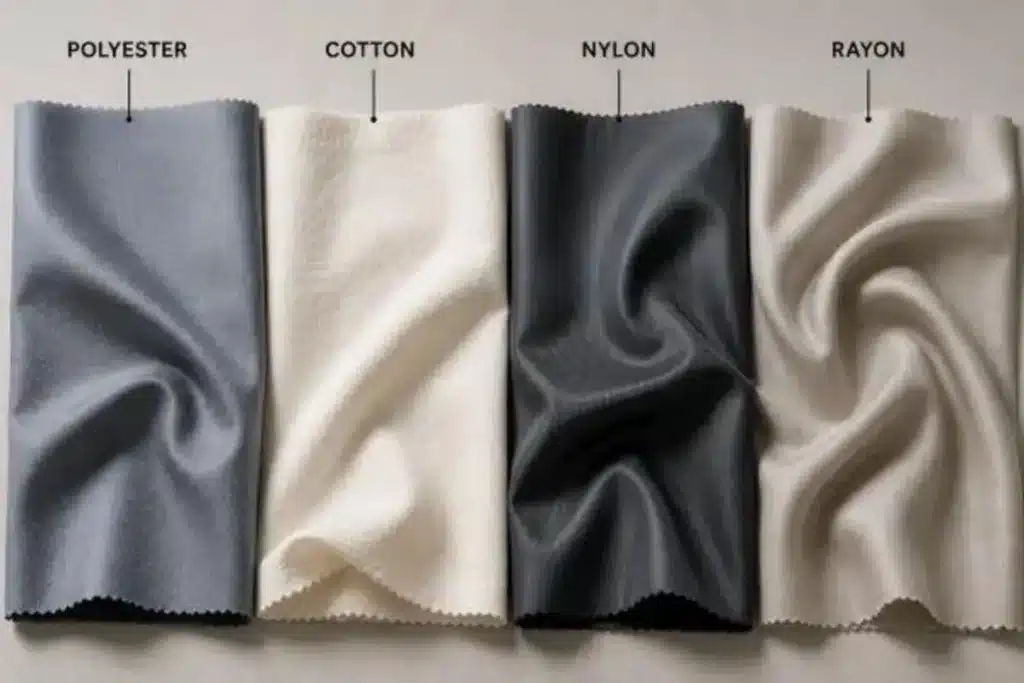
The right fabric depends on the intended product, required drape, texture, durability, and printing compatibility. A pattern that looks excellent on smooth fabric may appear different on a textured or loosely woven material.
Cotton Fabric
Cotton is a versatile option for many apparel, quilting, craft, and home textile projects. It can work well with small dots, classic repeats, and multicolor designs.
The final appearance depends on the cotton construction, fabric preparation, and printing process. For projects requiring a particular hand feel or color result, request a sample before committing to a larger order.
Learn more about Cotton Fabric Printing.
Linen Fabric
Linen has a distinctive natural texture that can give polka dot designs a relaxed, understated character. It may be suitable for summer clothing, table linens, cushions, and selected home décor projects.
Because linen texture can influence the visual appearance of fine details, consider testing your preferred dot size and spacing on the actual fabric.
See our guide to Linen Fabric Printing.
Polyester Fabric
Polyester is used in a wide range of apparel, accessories, and home textile applications. Depending on its construction and the selected printing process, it may suit bold dots, vivid colors, and detailed repeat patterns.
Not every polyester fabric uses the same printing method. Dye sublimation, for example, is generally associated with compatible polyester materials. Confirm process compatibility with your fabric supplier.
Explore Polyester Fabric Printing for more information.
Rayon Fabric
Rayon can offer a soft feel and fluid drape, making it worth considering for dresses, blouses, scarves, and other garments that benefit from movement.
For rayon and other regenerated-cellulose fabrics, confirm the suitable printing process and finishing requirements before production.
Canvas Fabric
Canvas has a more structured construction than many lightweight apparel fabrics. It can be suitable for tote bags, pouches, selected accessories, and decorative projects.
Large or medium-sized dots can be effective on canvas, but the final result depends on the canvas fiber content, weight, surface, and compatible printing process.
Important: Fabric suitability and print performance should be confirmed for the specific material and production method. A sample is the most practical way to evaluate color, pattern clarity, texture, and overall appearance.
Which Printing Methods Can Be Used for Polka Dot Fabric?
The most suitable method depends on the fiber content, fabric construction, artwork, color requirements, order quantity, and production specifications.
Digital Fabric Printing
Digital fabric printing transfers artwork from a digital file onto compatible textile material. It is useful for developing custom patterns because designers can adjust colors, dot sizes, spacing, and repeat layouts in the artwork.
For a custom polka dot project, digital printing can be worth considering when you need a distinctive design, multiple color variations, or a smaller production run.
However, achievable color, detail, fabric compatibility, and production efficiency depend on the equipment, ink system, fabric preparation, and finishing process.
Read our Digital Fabric Printing Guide to understand the process in more detail.
Screen Printing
Screen printing applies color through prepared screens and can be suitable for certain repeat designs and production requirements. Its practicality depends on the number of colors, setup requirements, material, and order volume.
For a design with many color variations or frequent artwork changes, compare the setup and production requirements with those of digital printing.
Dye Sublimation
Dye sublimation is commonly used for compatible polyester textiles. The process transfers dye into the material under controlled conditions and can produce vivid results on suitable substrates.
It is not a universal option for all fabrics. Confirm the fiber composition and process compatibility before choosing this method.
For a broader comparison, see our article on Fabric Printing Methods.
How to Design Custom Polka Dot Fabric
A successful polka dot design depends on more than choosing a circle and repeating it. Pattern scale, spacing, color contrast, and repeat alignment all influence the final result.
Step 1: Choose the Dot Size
Decide whether your project needs tiny, medium, or oversized dots. Consider the finished product and how much of the fabric will be visible when it is cut and sewn.
For small accessories, fine dots may create a subtle effect. For a statement garment or cushion, larger dots may be more noticeable.
Step 2: Set the Spacing and Layout
Dots can be arranged in aligned rows, staggered rows, diagonal layouts, or irregular compositions.
Check the distance between dots in both directions. Too little spacing can make the pattern appear crowded, while excessive spacing may leave large areas of background color.
Step 3: Select Your Colors
Choose a background color and dot colors that suit the intended product. For commercial designs, consider coordinating the palette with other items in the collection.
If accurate brand colors are important, provide clear color references and ask the printer about color matching, fabric limitations, and sample approval.
Step 4: Check the Repeat
For repeating fabric designs, ensure that the artwork tiles cleanly at its edges. Incorrect repeat settings can create visible gaps, overlaps, or uneven spacing.
View the pattern at its actual intended scale rather than judging it only when zoomed in on a computer screen.
Step 5: Prepare the Artwork File
Use the file format, dimensions, resolution, and color specifications requested by your printing supplier. Confirm the required file setup before finalizing the design.
Our guide to Preparing Artwork for Fabric Printing explains important considerations for textile artwork files.
Step 6: Request a Sample
When possible, evaluate a printed sample before ordering production quantities. Check the dot shape, spacing, background color, fabric hand feel, and overall appearance.
A sample also helps you determine whether the pattern scale works for your finished product.
Custom Polka Dot Fabric Printing Process
Although the exact workflow varies by supplier and fabric, a typical custom order may include the following stages:
- Choose or upload a design: Start with your own artwork or an approved pattern concept.
- Select the fabric: Confirm fiber content, weight, width, texture, and intended use.
- Prepare the artwork: Check file dimensions, repeat alignment, dot scale, and colors.
- Confirm printing compatibility: Match the fabric with a suitable printing process.
- Review a sample when available: Evaluate the print result before proceeding.
- Print and finish: Apply the appropriate printing and finishing steps for the material.
- Inspect and ship: Confirm the order specifications and shipping arrangements.
For an overview of the full service, visit our Custom Printed Fabric page or learn more about How It Works.
Applications of Custom Polka Dot Fabric
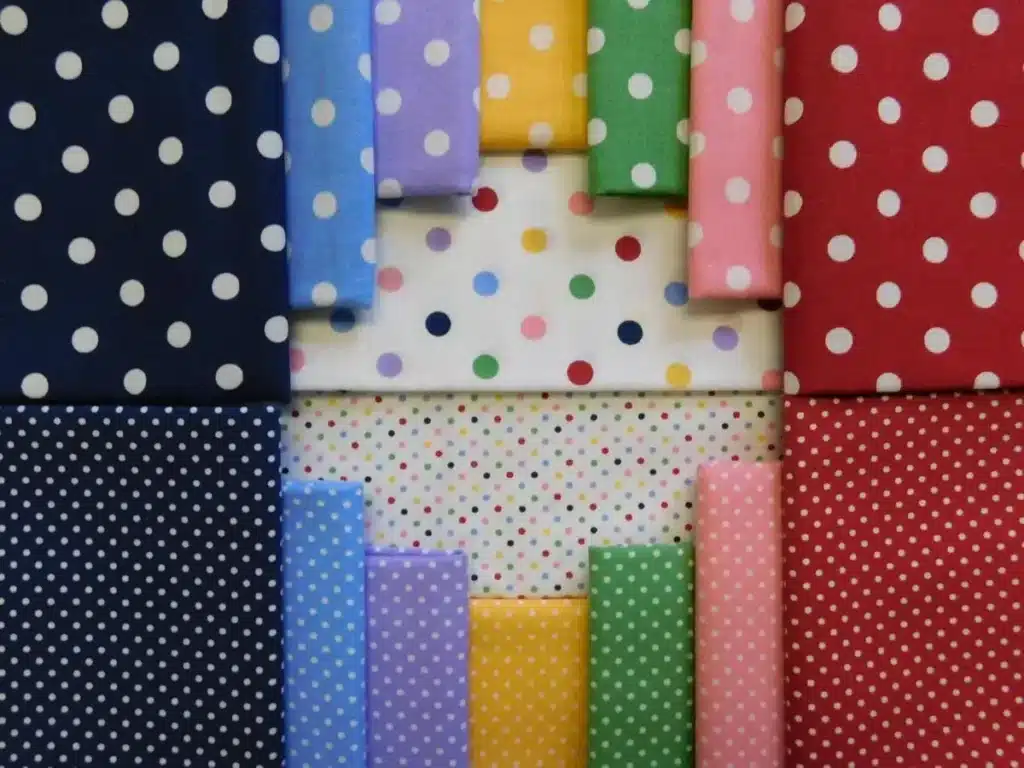
Polka dot prints can be used in many textile products. The best fabric and pattern scale depend on how the material will be cut, sewn, washed, and used.
Fashion and Apparel
Polka dot fabric can be used for dresses, skirts, blouses, shirts, children’s clothing, and statement pieces. Small dots may suit understated garments, while larger patterns can create a stronger visual effect.
Bags and Accessories
Custom polka dot prints can be used for tote bags, pouches, scarves, headbands, and other accessories. Consider the fabric weight and construction when selecting a material for a structured or frequently handled product.
Home Décor
Depending on the material, polka dot fabric may be suitable for cushion covers, curtains, table linens, and decorative accents. Coordinate dot size and contrast with the room’s existing colors and patterns.
Quilting and Craft Projects
Polka dots can complement floral, geometric, and solid-color fabrics in patchwork and craft projects. If you are planning a coordinated fabric collection, consider how the dots will look beside the other patterns at the finished scale.
For more ideas, explore our Printed Fabric Applications guide.
How Much Does Polka Dot Fabric Printing Cost?
The cost of custom polka dot fabric printing depends on several factors:
- Fabric type: Different fibers, constructions, and weights have different material costs.
- Order quantity: The required length and production setup can influence the overall price.
- Printing method: Equipment, ink systems, preparation, and finishing requirements vary.
- Artwork requirements: Special color matching, file correction, or design development may add work.
- Finishing and quality requirements: Additional treatments or inspection requirements can affect the quotation.
- Shipping: International freight, destination, parcel dimensions, and shipping method can affect the total delivered cost.
The pattern itself does not determine the price on its own. A simple dot repeat and a complex multicolor design may have different preparation requirements, but the final quotation also depends on the fabric and production specifications.
For current pricing guidance, visit Fabric Printing Prices. You can also get a quote for your fabric, quantity, and design requirements.
Can Small Businesses Order Custom Polka Dot Fabric?
Custom polka dot fabric can be useful for independent designers, small clothing brands, craft businesses, and product developers who want a recognizable print for their collections.
Before placing an order, confirm the minimum order quantity, available fabric options, sample arrangements, production lead time, and shipping costs with the supplier.
If you are developing a small collection or testing a new product, our guide to Low MOQ Custom Fabric Printing explains considerations for smaller production runs.
JCWTextile offers custom fabric printing options, but the available quantity and terms depend on the selected fabric and project. Confirm the details for your specific order before production.
Sustainability and Fabric Selection
When choosing fabric for a custom print, consider the material, expected product lifespan, production requirements, and the information available about the supply chain.
A fabric described as organic or recycled should be supported by appropriate documentation for the specific material and claim. Likewise, environmental claims about inks, chemicals, or processing should be checked against the relevant product information and certifications.
For textile safety information, consult OEKO-TEX STANDARD 100. This standard addresses testing for harmful substances in textiles; it should not be treated as a blanket certification of environmental sustainability.
For wider information about textile fibers and material sourcing, see Textile Exchange’s Materials resources.
📚 FAQ About Polka Dot Fabric Printing
1. What is polka dot fabric printing?
Polka dot fabric printing is the process of applying repeated dot patterns to textile material. Dot size, spacing, colors, background, and layout can be customized to suit different designs and products.
2. Can I create my own custom polka dot fabric?
Yes. You can prepare your own artwork or work with a printing supplier to develop a custom dot pattern. Confirm the required file format, repeat dimensions, color specifications, and fabric compatibility before production.
3. Which fabrics are suitable for polka dot fabric printing?
Cotton, linen, polyester, rayon, and canvas may be suitable for different polka dot projects. The best choice depends on the intended application, fiber content, construction, and compatible printing process.
4. Can I customize dot size and color?
Custom designs can specify dot size, spacing, background color, and dot colors. The achievable result depends on the artwork, material, and printing process, so request a sample if exact appearance is important.
5. Is digital printing suitable for polka dot patterns?
Digital fabric printing can be a suitable option for many custom polka dot designs, including designs with multiple colors or different dot arrangements. The result depends on the equipment, ink system, fabric, and finishing process.
6. Can I order polka dot fabric in small quantities?
Small-batch or low-MOQ options may be available depending on the supplier and selected fabric. Confirm the minimum quantity, sampling options, pricing, and shipping requirements before ordering.
7. How much does custom polka dot fabric cost?
Pricing depends on the fabric, order quantity, printing method, finishing requirements, and shipping. Request a quotation using your preferred fabric, design, and required quantity for a project-specific estimate.
8. What products can use custom polka dot fabric?
Custom polka dot fabric can be used for apparel, bags, accessories, home décor, quilting, and craft projects. Select a fabric based on the product’s performance requirements and intended use.
9. Create Your Own Polka Dot Fabric
Polka dot patterns can be classic, playful, minimal, retro, or contemporary. By adjusting dot size, spacing, colors, and repeat layout, you can develop a textile design that supports your product concept and visual identity.
Before production, confirm fabric compatibility, artwork specifications, pricing, and sample requirements. To discuss your project, explore JCWTextile’s custom printed fabric options or request a quote.