Introduction
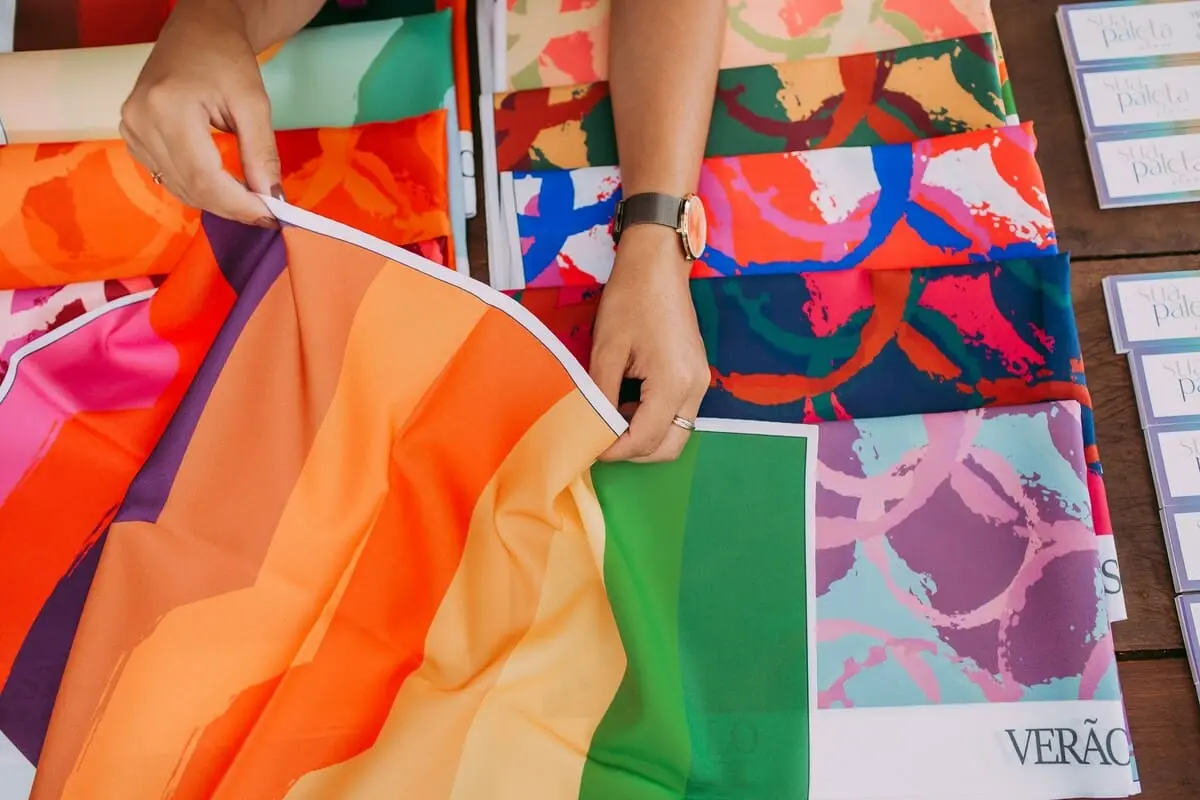
Custom fabric printing for small businesses has made it easier for independent designers, startups, and creative brands to create unique textiles without large production requirements.
However, one challenge many small businesses and independent designers face is finding unique fabrics that match their creative vision.
Traditional textile production often requires large minimum orders, making it difficult for startups, emerging designers, and small brands to create customized products.
Custom fabric printing for small businesses provides a flexible solution by allowing designers to create personalized textiles with unique patterns, colors, logos, and artwork without investing in large inventory.
With modern digital textile printing technology, businesses can produce:
- Custom fashion fabrics
- Small-batch collections
- Personalized home textiles
- Branded products
- Prototype designs
Whether you are launching a new clothing line, developing handmade products, or testing a new design concept, custom printed fabric gives you more creative freedom and production flexibility.
For a complete overview of custom textile production, explore our Custom Fabric Printing Guide.
Table of Contents:custom fabric printing for small businesses
What Is Custom Fabric Printing?
Custom fabric printing is the process of printing original designs, patterns, images, or branding elements onto fabric using advanced textile printing technology.
Unlike traditional fabric manufacturing, which relies heavily on pre-designed patterns and large production quantities, digital fabric printing allows businesses to create fabrics based on their own ideas.
Common customization options include:
- Repeating patterns
- Illustrations
- Photography
- Logos
- Brand graphics
- Custom color combinations
This makes custom fabric printing an ideal solution for small businesses and designers who need unique textiles.
Why Small Businesses Choose Custom Fabric Printing
1. Create Unique Products and Brand Identity
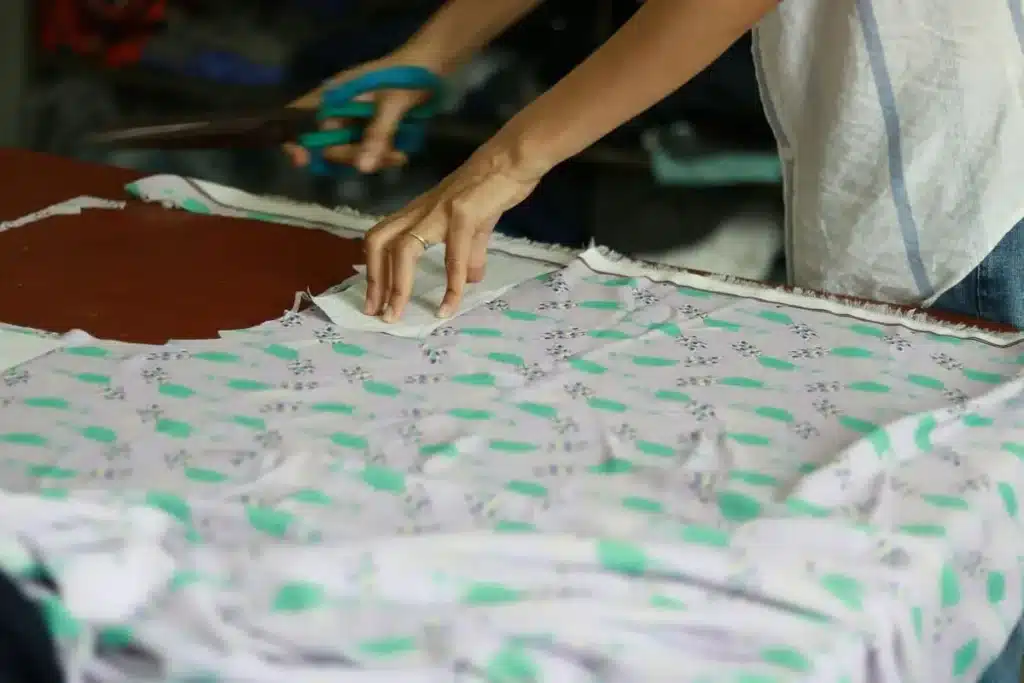
Many entrepreneurs choose custom fabric printing for small businesses can access because it provides flexible production options compared with traditional textile manufacturing.
For small brands, standing out in a competitive market is essential. Understanding consumer preferences and fashion industry trends can help emerging businesses create products that better match customer expectations.
Industry resources such as Vogue Business provide insights into fashion markets, consumer behavior, and the development strategies used by growing brands.
Custom printed fabrics allow businesses to develop:
- Signature patterns
- Exclusive collections
- Recognizable designs
- Stronger brand identity
Instead of using commonly available fabrics, designers can create textiles that represent their own style.
For example:
A fashion brand can create a unique floral pattern for a seasonal collection, while a home décor business can develop exclusive fabric designs for cushions or curtains.
2. No Large Inventory Requirements
One of the biggest challenges for small businesses is managing inventory.
Traditional textile production often requires:
- Large fabric orders
- High upfront investment
- Storage space
Digital fabric printing reduces these barriers by supporting flexible production quantities.
Small businesses can:
- Test new designs
- Produce limited collections
- Create samples before mass production
- Reduce unsold inventory risks
This is especially valuable for independent designers and startup brands.
3. Small Batch Fabric Printing for New Brands
Small batch production is becoming increasingly popular among emerging designers.
With small batch custom fabric printing, businesses can:
- Launch limited collections
- Test customer response
- Develop prototypes
- Experiment with new designs
This approach allows brands to grow gradually without committing to large production volumes.
For businesses that are still developing their market position, flexible production can be a major advantage.
For new brands, custom fabric printing for small businesses use allows them to test designs, create limited collections, and reduce inventory risks.
Custom Fabric Printing for Fashion Designers
Fashion designers often need fabrics that cannot be found in standard collections.
Custom printing allows designers to control:
- Pattern design
- Fabric selection
- Color combinations
- Material performance
Applications include:
- Dresses
- Skirts
- Shirts
- Jackets
- Accessories
Designers can transform creative concepts into finished textiles while maintaining full control over the visual appearance.
Benefits for Small Clothing Brands
Build a Strong Brand Image
Custom fabrics help clothing brands create recognizable products.
A unique textile design can become a signature element of a collection.
Reduce Production Risk
Small brands often need to test ideas before investing heavily.
Custom printing allows:
- Sample production
- Market testing
- Limited releases
before larger production decisions are made.
Offer Personalized Products
Consumers increasingly value unique and personalized products.
Custom printed fabrics allow businesses to create:
- Personalized clothing
- Custom gifts
- Limited edition products
- Handmade collections
Popular Products Made With Custom Printed Fabric
Custom fabrics are used across many industries.
| Application | Common Fabrics |
|---|---|
| Fashion Apparel | Cotton, Linen, Rayon, Polyester |
| Baby Products | Cotton, Muslin, Bamboo Fabric |
| Bags & Accessories | Canvas, Twill, Polyester |
| Home Décor | Linen, Cotton, Velvet |
| Quilting Projects | Cotton Fabric |
| Sportswear | Polyester, Spandex |
How Small Businesses Start a Custom Fabric Printing Project
Creating custom printed fabric usually involves several simple steps.
Step 1: Create Your Design
Prepare your artwork including:
- Patterns
- Illustrations
- Photos
- Logos
Designers often use professional design software such as Adobe Illustrator or Photoshop to create and refine textile artwork before printing.
High-quality design files help achieve better printing results.
Learn more:
Step 2: Choose the Right Fabric
The fabric choice depends on your final product.
Examples:
| Product | Recommended Fabric |
|---|---|
| Clothing | Cotton, Linen, Jersey |
| Baby Products | Muslin, Bamboo |
| Bags | Canvas, Twill |
| Sportswear | Polyester |
Different fabrics also require different printing technologies.
Step 3: Select a Printing Method
Common fabric printing methods include:
Reactive Printing
Best for:
- Cotton
- Linen
- Natural fibers
Benefits:
- Soft hand feel
- Excellent color durability
Pigment Printing
Suitable for:
- Cotton blends
- Canvas
- Various textiles
Benefits:
- Flexible application
Sublimation Printing
Best for:
- Polyester fabrics
Benefits:
- Bright colors
- Detailed patterns
Explore:
Fabric Printing Methods: Reactive vs Pigment vs Sublimation Printing
Step 4: Review Samples
Before production, businesses can evaluate:
- Color accuracy
- Fabric texture
- Print quality
- Final appearance
Samples help ensure the final product meets expectations.
Step 5: Begin Production
After approval, the fabric can move into production.
Depending on the project, businesses can create:
- Small collections
- Wholesale orders
- Custom products
Custom Fabric Printing vs Ready-Made Fabric
| Custom Printed Fabric | Ready-Made Fabric | |
|---|---|---|
| Design | Fully customized | Limited choices |
| Branding | Strong | Limited |
| Production Flexibility | High | Lower |
| Small Batch | Possible | Often difficult |
| Creativity | Unlimited | Restricted |
For businesses that want unique products, custom printing provides more creative control.
Is Custom Fabric Printing Suitable for Small Businesses?
Yes.
Custom fabric printing is especially suitable for:
- Independent fashion designers
- Boutique clothing brands
- Handmade businesses
- Etsy sellers
- Product developers
- Interior designers
Modern digital printing technology makes it possible for smaller businesses to compete by offering unique products instead of mass-produced designs.
How Much Does Custom Fabric Printing Cost for Small Businesses?
The cost depends on:
- Fabric type
- Printing method
- Quantity
- Design complexity
- Finishing requirements
Small businesses can control costs by:
- Choosing suitable fabrics
- Ordering appropriate quantities
- Preparing print-ready artwork
- Selecting the correct printing method
Learn more:
How Much Does Custom Fabric Printing Cost? Complete Pricing Guide
Tips for Small Businesses Using Custom Printed Fabric
Start With Samples
Testing fabric samples helps avoid production problems.
Choose Fabrics Based on Application
Do not choose fabric only based on appearance.
Consider:
- Durability
- Comfort
- Usage environment
- Care requirements
Create Consistent Branding
Use consistent:
- Colors
- Patterns
- Logos
- Design styles
to build stronger brand recognition.
Why Choose JCWTextile for Custom Fabric Printing?
JCWTextile provides custom textile solutions for:
- Small businesses
- Independent designers
- Fashion brands
- Creative projects
Services include:
- Custom digital fabric printing
- Multiple fabric choices
- Flexible order quantities
- Worldwide shipping
From initial design ideas to finished textiles, businesses can create unique fabrics that match their vision.
Conclusion
Custom fabric printing for small businesses can develop original products, build stronger brands, and compete with larger companies through unique textile designs.
Custom fabric printing gives small businesses and designers the opportunity to create unique textiles without the limitations of traditional textile production.
With digital printing technology, brands can:
- Develop original designs
- Produce small batches
- Reduce inventory risk
- Build stronger brand identity
Whether you are launching a fashion label, creating handmade products, or developing new collections, custom printed fabric provides the flexibility needed to turn creative ideas into real products.
Related Guides
Continue Learning About Custom Fabric Printing
A complete introduction to fabrics, printing methods, applications, and production.
How Much Does Custom Fabric Printing Cost?
Understand pricing factors, order quantities, and production costs.
How to Prepare Artwork for Fabric Printing
Learn how to prepare files and designs before textile production.
What Fabric Is Best for Digital Printing?
Discover which fabrics produce the best digital printing results.
📚 FAQs About Custom Fabric Printing for Small Businesses
1. Can small businesses order custom printed fabric?
Yes. Custom fabric printing is suitable for small businesses, independent designers, and startups because it allows brands to create unique textiles without requiring large production quantities.
Digital textile printing makes it easier to produce custom patterns, branded fabrics, and limited collections with flexible order options.
2. Is there a minimum order quantity for custom fabric printing?
Minimum order requirements depend on the fabric type, printing method, and production requirements.
Many digital fabric printing services support small batch production, allowing designers and small businesses to test new ideas, create samples, and launch limited collections with lower inventory risk.
3. What types of businesses use custom printed fabric?
Custom printed fabric is used by many creative businesses, including:
- Fashion brands
- Independent designers
- Handmade businesses
- Home décor companies
- Baby product brands
- Accessory manufacturers
It allows businesses to create unique products with personalized patterns, colors, and branding.
4. What fabrics are best for small business custom printing?
The best fabric depends on the final product and application.
Common choices include:
- Cotton for apparel and quilting
- Linen for premium clothing and home décor
- Polyester for sportswear and vibrant prints
- Canvas for bags and accessories
- Bamboo fabric for baby products
Choosing the right fabric helps achieve better print quality and product performance.
5. How do designers create their own custom fabric designs?
Designers usually start by creating artwork using digital design software and preparing print-ready files.
The process typically includes:
- Creating the design
- Preparing artwork
- Selecting fabric
- Choosing a printing method
- Reviewing samples
- Starting production
For best results, artwork should meet textile printing requirements for resolution, color, and file format.
6. Is custom fabric printing expensive for small businesses?
The cost depends on several factors, including:
- Fabric type
- Printing technology
- Order quantity
- Design complexity
- Finishing options
Small businesses can control costs by selecting suitable materials, optimizing designs, and starting with sample or small-batch production.
7. Why should small brands choose custom fabric printing instead of ready-made fabrics?
Custom fabric printing allows small brands to create exclusive designs that are not available in standard fabric collections.
Benefits include:
- Unique product designs
- Stronger brand identity
- Flexible production
- Reduced inventory risk
- More creative freedom