In the fast-evolving world of textiles, the future of fabric printing is being reshaped by artificial intelligence (AI), on-demand production, and eco-friendly innovations. The traditional printing methods that once dominated the industry are rapidly giving way to smarter, greener, and more efficient technologies.
As fashion brands and manufacturers embrace digital transformation, it’s clear that the next decade will redefine how fabrics are designed, printed, and delivered.
The future of fabric printing is driven by intelligent design systems and sustainability-focused technologies.
1. The Evolution: From Traditional Prints to Intelligent Production
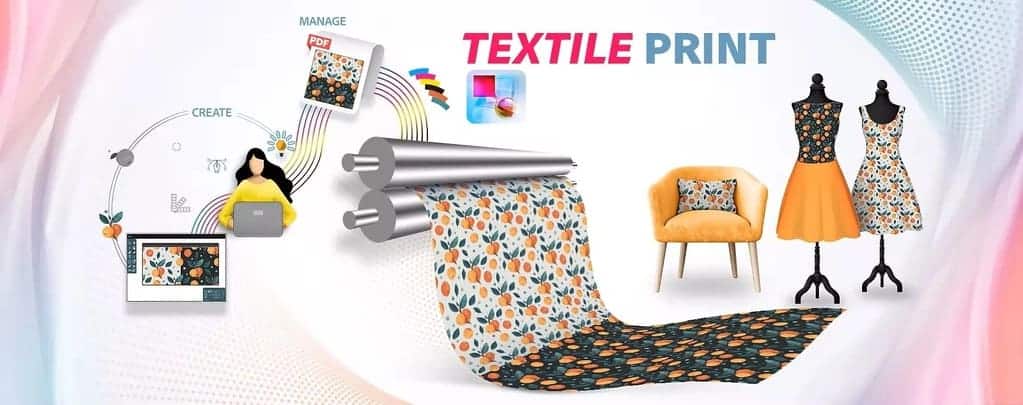
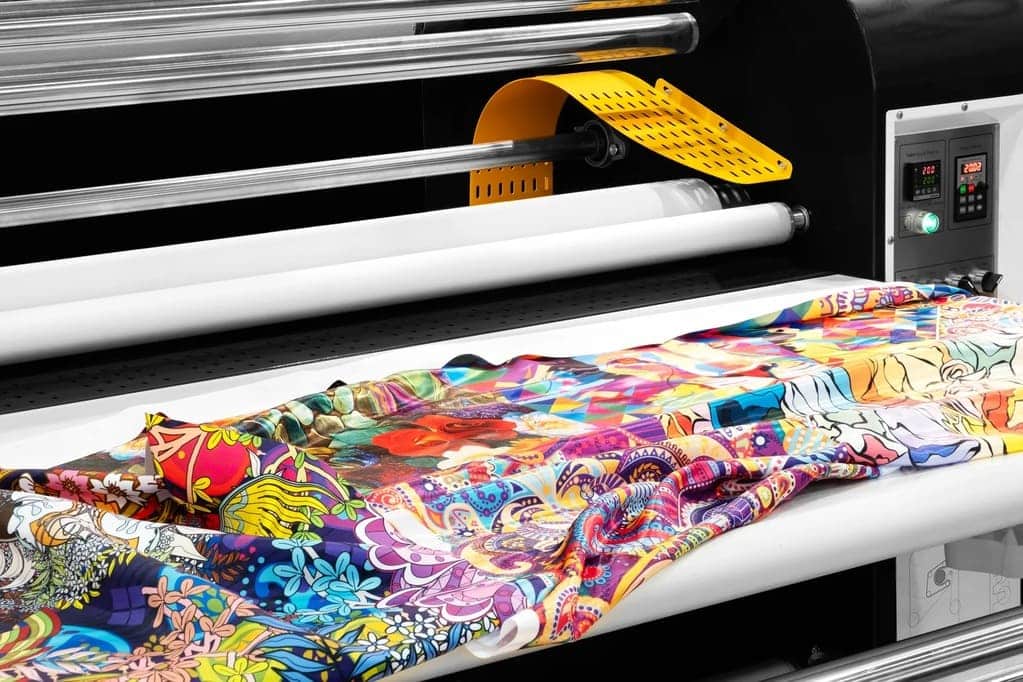
For decades, fabric printing relied on manual techniques like screen printing and rotary printing — both of which required high setup costs and generated significant waste. But digital textile printing introduced a new era of precision and flexibility.
Now, powered by AI fabric printing trends, manufacturers can analyze data, automate color calibration, and predict printing errors before they occur. These breakthroughs are not only increasing efficiency but also reducing waste and environmental impact.
2. AI Fabric Printing Trends: Precision Meets Creativity
Among the biggest innovations shaping the future of fabric printing is AI automation.Artificial Intelligence is revolutionizing how we design and produce textiles. Instead of manually testing countless patterns, designers can now use AI-powered tools to:
Generate unique designs using pattern-recognition algorithms.
Optimize color accuracy through automated Pantone matching.
Detect print anomalies in real-time for flawless production.
AI-driven design systems also allow creative teams to collaborate faster, producing collections in days instead of weeks. As machine learning models continue to evolve, expect fully automated fabric production lines where design, calibration, and output are seamlessly connected.

3. On-Demand Fabric Printing: Customization at the Speed of Imagination
The concept of on-demand fabric printing is transforming how the textile supply chain operates. Rather than printing massive rolls of fabric in advance, businesses now produce only what customers order — reducing waste and storage costs.
On-demand production is a vital part of the future of the fabric printing industry. This model supports the rise of print-on-demand (POD) businesses and fashion startups that prioritize personalization and speed. Whether you’re a small designer or a global brand, digital printing enables instant customization without sacrificing quality.
Key advantages of on-demand printing include:
Zero inventory risk
Faster turnaround for new collections
Lower environmental footprint
Seamless integration with e-commerce platforms
💡 Explore more insights like this on our Blog or Get a Quote to start your custom printing journey.
🔗 External Reference: Fashion United – Digital Printing Fuels Fast Fashion Responsibly
4. Eco-Friendly Fabric Printing: Sustainability in Every Thread
As environmental awareness grows, sustainability is no longer optional — it’s a necessity. The eco-friendly fabric printing movement focuses on clean production, biodegradable inks, and energy-efficient systems.Sustainability will define the future of fabric printing, from materials to production.
Some key innovations shaping sustainable textile printing include:
Water-based inks that replace chemical solvents.
Low-emission digital printers that minimize carbon output.
Recycled and organic fabrics designed for circular fashion models.
AI-driven monitoring systems that track energy and water usage.
🔗 External Reference: Sustainable Fashion Matterz – Innovations in Eco Printing
5. The Smart Green Revolution: Where AI Meets Sustainability
What happens when artificial intelligence meets sustainability?
A smart green revolution that balances innovation with responsibility.
AI can analyze production data to identify where energy, ink, or fabric waste occurs. These insights help manufacturers create efficient workflows that reduce their carbon footprint — without compromising design quality.
For example, predictive models can estimate demand trends, ensuring that only the necessary quantity of fabric is printed. This reduces overproduction and resource consumption — a huge step toward a zero-waste future.
6. Challenges and Opportunities Ahead
While the future of fabric printing is full of promise, it’s not without challenges:
High implementation costs: AI integration requires upfront investment in technology and training.
Data privacy concerns: As design data moves online, protecting intellectual property becomes vital.
Rapid change: Keeping up with software and machine upgrades demands flexibility and innovation.
Still, the opportunities far outweigh the risks. Companies that adopt AI and sustainable printing early will set the standard for efficiency, creativity, and eco-conscious production.
7. Conclusion: Printing the Future, Responsibly
The future of fabric printing is not just about faster machines — it’s about smarter choices.
By merging AI innovation, on-demand production, and eco-friendly practices, the textile industry is crafting a more sustainable and personalized future.
As technology evolves, the future of fabric printing will continue to merge innovation, customization, and responsibility.
At JCW Textile, we combine advanced digital printing technology with sustainable practices to help brands create the fabrics of tomorrow.
Learn more about our process →
📚 Frequently Asked Questions (FAQs)
Q1: What is the future of fabric printing?
The future of fabric printing focuses on AI automation, on-demand production, and sustainable materials that reduce waste while improving customization and design flexibility.
Q2: How is AI used in fabric printing?
AI enhances design accuracy, automates color calibration, predicts errors, and streamlines digital textile production — improving both efficiency and quality.
Q3: What makes eco-friendly fabric printing different?
Eco-friendly printing relies on water-based inks, recyclable materials, and low-energy processes to minimize environmental impact.