Introduction
Digital fabric printing has transformed the textile industry, allowing designers and brands to bring creative patterns to life with precision and speed. One of the most common questions is about the digital printing on fabric cost: is it worth the investment? This article explores the factors that influence costs, ways to save money, and the long-term return on investment for businesses and designers. For more insights on fabric customization, check out our blog or learn more about us.
What is Digital Fabric Printing?
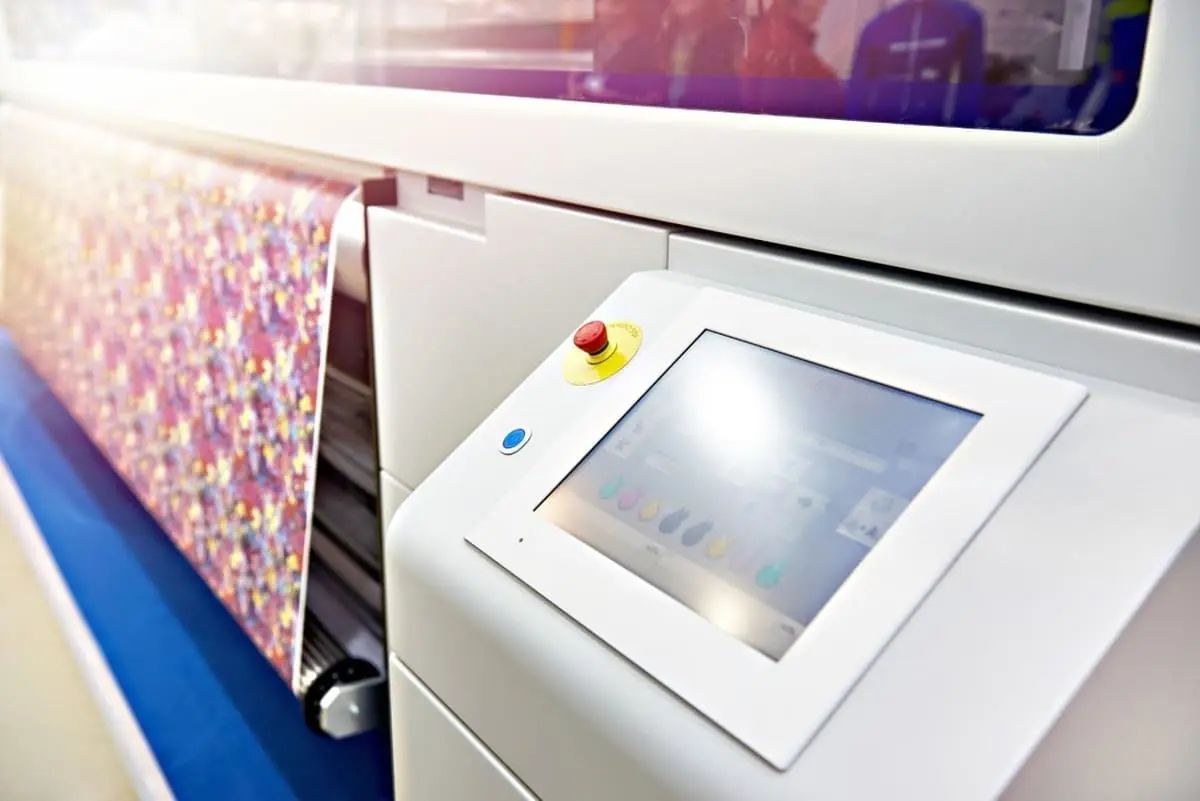
Digital fabric printing is a modern method where designs are printed directly onto fabric using inkjet technology. Unlike traditional methods such as screen printing or heat transfer, digital printing offers high-resolution designs with virtually unlimited colors.
Key advantages include:
- Precision printing of intricate patterns
- Short production runs without large setup costs
- Fast turnaround times
If you want to explore the different fabrics suitable for digital printing, you can visit Our Fabric page to see the options available for customization.
Factors Affecting the Digital Printing on Fabric Cost
1. Fabric Type and Quality
The digital printing on fabric cost varies significantly depending on the fabric type. Common fabrics include cotton, linen, silk, and blends. Heavier or textured fabrics may require specialized inks or multiple passes, which increases cost.
Example:
- 100% cotton: typically lower cost
- Silk or linen: higher cost due to delicate handling
Choosing the right fabric can help optimize your budget and print quality. For more information, visit Our Fabric page.
2. Design Complexity and Color Count
The complexity of your design and number of colors also affect the digital printing on fabric cost. Intricate patterns and larger color palettes require longer printing times and more ink, raising production costs.
- Simple patterns with 1–2 colors: economical
- Detailed multicolor designs: higher cost
- Large print area: increases per-yard pricing
3. Print Size and Quantity
Order size and print dimensions impact the digital printing on fabric cost. Small batch orders often have higher per-yard costs, while bulk printing can significantly reduce unit prices. Planning larger orders can save both time and money.
If you’re ready to start creating, explore our Design Your Fabric page to see how you can bring your designs to life.
Is Digital Printing on Fabric Expensive? Cost Comparison
At first glance, digital printing may seem costly compared to traditional methods like screen printing. However, traditional printing requires setup fees, screens, and minimum order quantities.
Digital printing benefits include:
- No setup costs for short runs
- Minimal fabric and ink waste
- Fast prototyping for new designs
Many designers are surprised to find that the long-term value of digital printing outweighs initial expenses. For industry insights, Textile World provides excellent analyses and cost-saving tips.
How to Reduce Digital Printing Costs

Here are practical tips to manage digital printing on fabric cost effectively:
- Simplify Your Design: Reduce the number of colors and complexity.
- Choose Cost-Effective Fabrics: Cotton or cotton blends are often cheaper than silk or linen.
- Order in Bulk: Larger orders reduce per-yard costs.
- Plan Ahead: Avoid rush orders, which add extra charges.
- Combine Prints: Group multiple designs on a single yard to maximize material usage.
Learn more about efficient design strategies on our Design Your Fabric page.
Long-term ROI of Digital Printing
Investing in digital fabric printing offers significant long-term benefits:
- Flexibility: Quickly test new designs without large inventories
- Reduced Waste: Print only what is needed
- Speed to Market: Respond to trends faster
- Customization: Offer personalized prints, increasing customer satisfaction
Over time, the savings and added value often justify the digital printing on fabric cost. For further insights, Fibre2Fashion highlights the advantages of digital printing for designers and small businesses.
Conclusion
While the upfront digital printing on fabric cost may be higher than traditional printing methods, its flexibility, speed, and reduced waste make it a worthwhile investment. By carefully selecting fabrics, optimizing designs, and planning orders strategically, businesses can maximize ROI while producing high-quality custom fabrics.