Introduction
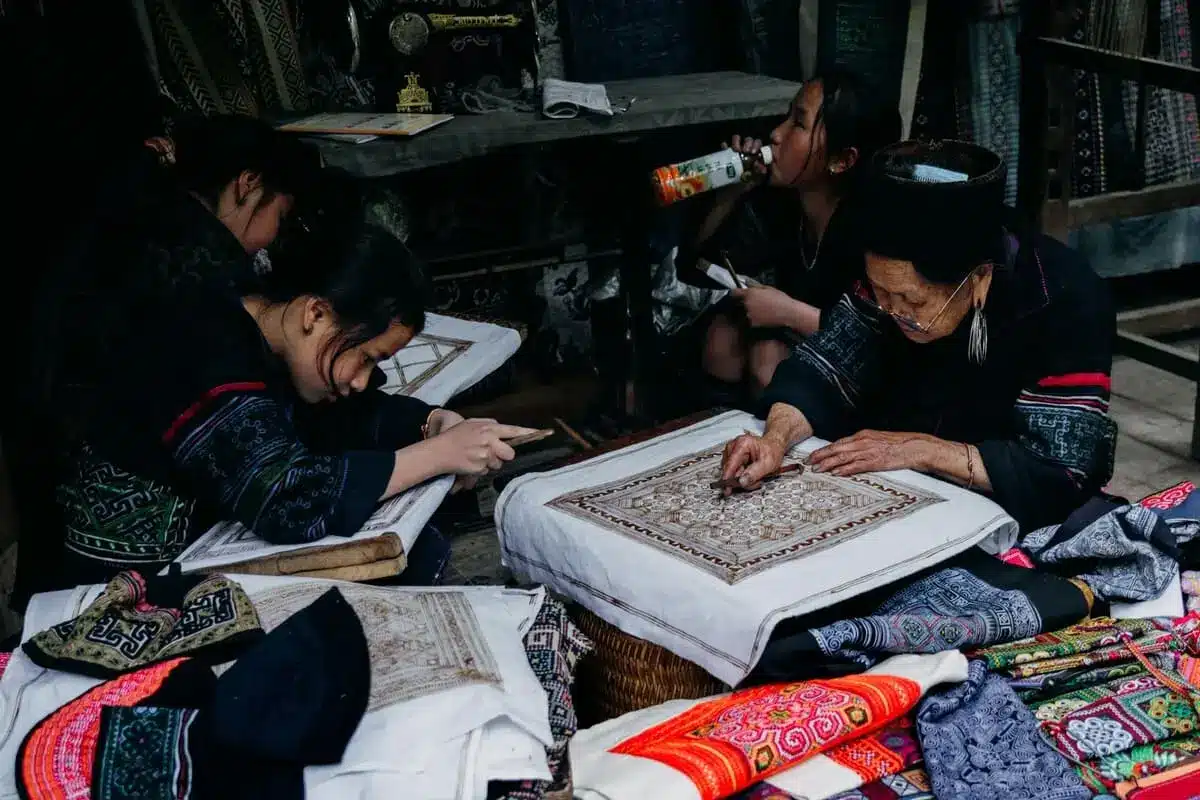
In the fast-paced world of fashion, standing out is everything. For designers, one of the most powerful tools for creating unique, eye-catching collections is custom fabric printing. Working with a skilled custom fabric maker allows designers to turn their creative visions into reality, producing fabrics that perfectly reflect their brand identity and aesthetic.
Whether you’re exploring bold patterns, sustainable materials, or intricate designs, custom print fabrics can elevate your designs and make a lasting impression. This guide will explore the latest trends in custom fabric, share tips for using designer print fabric effectively, and provide technical insights to help you overcome common design challenges.
The Latest Trends in Custom Fabric for Fashion Designers
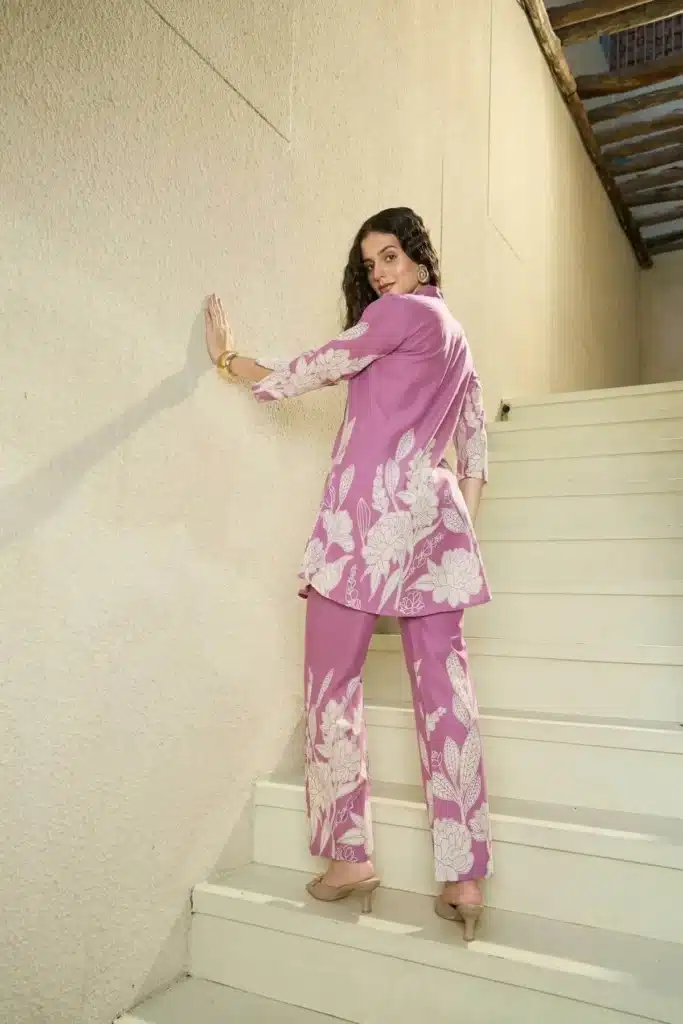
Fashion designers today are pushing the boundaries of creativity with innovative printed fabrics. Here are the key trends shaping the industry:
1. Sustainable and Eco-Friendly Prints
Eco-conscious design has moved from niche to mainstream. Many designers now prefer custom fabric printed with sustainable inks on eco-friendly materials such as organic cotton, Tencel, or recycled polyester. These fabrics not only reduce environmental impact but also appeal to the growing base of environmentally aware consumers.
- Fashion Revolution – promoting ethical fashion practices
- Sustainable Apparel Coalition – sustainable textile insights
2. Bold Patterns and Digital Printing
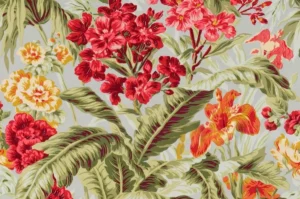
Digital printing technology has revolutionized custom fabric creation. Designers can now produce designer print fabric with high-resolution graphics, complex patterns, and vibrant colors that were impossible with traditional methods. Popular trends include oversized florals, abstract graphics, and geometric motifs that make a bold statement on garments.
3. Mixing Textures and Fabrics
Modern designers are experimenting with texture combinations, blending printed silks, linens, and cottons in a single collection. Combining different fabrics with custom prints adds depth and dimension to a collection, making each piece feel unique and high-end.
Learn more about our fabrics here
How to Use Custom Fabric to Create Unique Collections
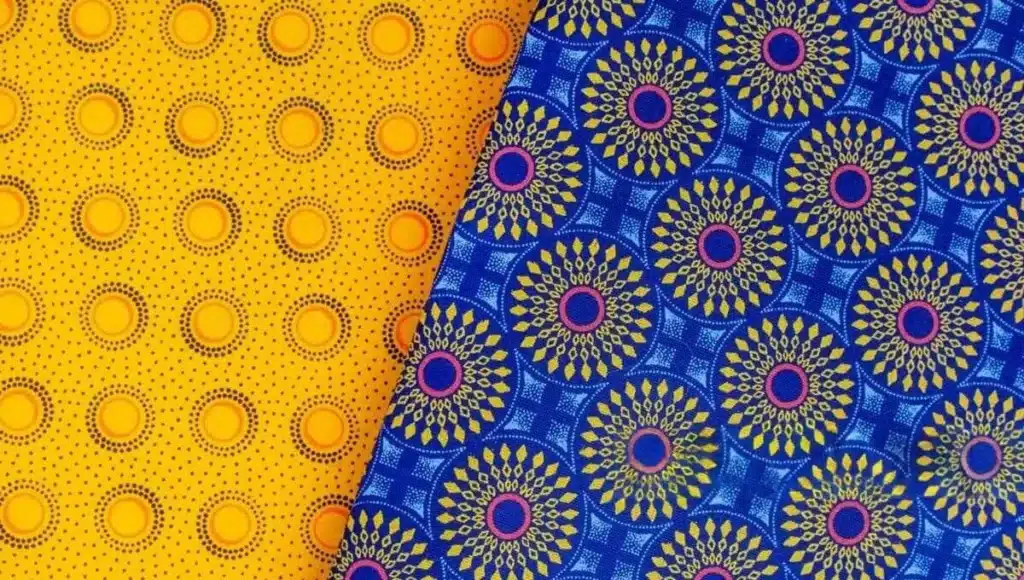
Creating a standout fashion collection with custom fabrics requires strategy and experimentation. Here’s how to make the most of custom print fabrics:
1. From Sketch to Fabric
Transforming sketches into printed fabric involves careful planning. Start by selecting a custom fabric maker who understands your vision and can translate it into high-quality samples. Work closely during the sample stage to ensure color accuracy, print placement, and fabric texture align with your design goals.
2. Experimenting with Patterns and Scale
Not all patterns translate the same on garments. Experiment with scale and repetition to see how your prints work on different silhouettes. Large-scale prints can make a dramatic impact, while smaller, repeating motifs often work best for tailored pieces or layered garments.
3. Combining Prints for Cohesive Collections
Creating a cohesive collection doesn’t mean every piece must be identical. Mix and match custom fabric printed designs to maintain visual harmony while offering variety. Use complementary colors, repeating motifs, or consistent textures to unify the collection.
Technical Tips for Custom Fabric Printing
Even the most creative designers need to understand technical aspects to achieve flawless prints:
1. Choosing the Right Fabric for Printing
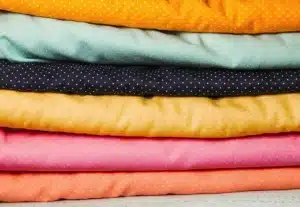
Different fabrics respond differently to printing techniques. Cotton and linen absorb dye well, while silk and satin provide vibrant, luxurious finishes. Consider the end use of your garment when selecting your base fabric to ensure the print behaves as expected.
2. Printing Techniques Explained
- Digital Printing: Ideal for intricate designs, photo-realistic images, and multi-color graphics.
- Screen Printing: Best for bold, solid patterns and large production runs.
- Heat Transfer: Works well for small quantities or on-demand printing.
Each technique has its pros and cons, so discuss your project with your custom fabric maker to determine the best approach.
3. Overcoming Design Challenges
Common challenges include color discrepancies, print misalignment, and fabric shrinkage. Mitigate these by ordering pre-production samples, testing fabrics under intended conditions, and maintaining open communication with your fabric manufacturer.
Tips for Working with a Custom Fabric Maker
A strong partnership with your custom fabric maker is essential for success. Here are some strategies:
1. Communication and Sample Approval
Provide clear design files, color palettes, and technical specifications. Approve samples before mass production to ensure your prints meet expectations.
2. Budgeting and Timeline Considerations
Custom printing can be costly. Plan your budget carefully, factoring in sampling, production, and shipping. Early communication with your manufacturer helps keep timelines on track.
3. Maximizing Creative Freedom
Don’t be afraid to push boundaries. Work with your custom fabric maker to explore unique techniques, unconventional materials, and specialty finishes that elevate your collection.
Learn more about us here
Conclusion
Custom fabric printing opens up endless possibilities for fashion designers. By staying on top of trends, experimenting with patterns and textures, and collaborating effectively with a custom fabric maker, you can create collections that are innovative, sustainable, and truly one-of-a-kind.
Take the first step today: explore our range of custom print fabrics and bring your creative vision to life.
📚 Frequently Asked Questions (FAQs)
Q1: What is a custom fabric maker?
A1: A custom fabric maker is a professional or company that produces fabrics according to a designer’s specific patterns, colors, and materials. They help fashion designers create unique custom print fabrics for collections.
Q2: How can fashion designers use custom print fabrics in their collections?
A2: Designers can use custom print fabrics to develop signature patterns, experiment with textures, and combine prints for cohesive and visually striking collections. Custom fabrics allow for complete creative control over design and color.
Q3: What are the popular techniques for custom fabric printing?
A3: The most popular printing techniques include digital printing, screen printing, and heat transfer printing. Each method has unique advantages depending on the fabric type, design complexity, and production quantity.
Q4: How do I choose the right fabric for printing?
A4: Choosing the right fabric depends on the end product. Cotton and linen absorb dye well, silk and satin provide vibrant color, and polyester works well for stretch or activewear fabrics. Your custom fabric maker can provide guidance on fabric selection.
Q5: What should I consider when working with a custom fabric maker?
A5: Key considerations include clear communication of your design vision, approving samples before production, managing budgets, and planning timelines. Building a strong relationship ensures high-quality and consistent results.