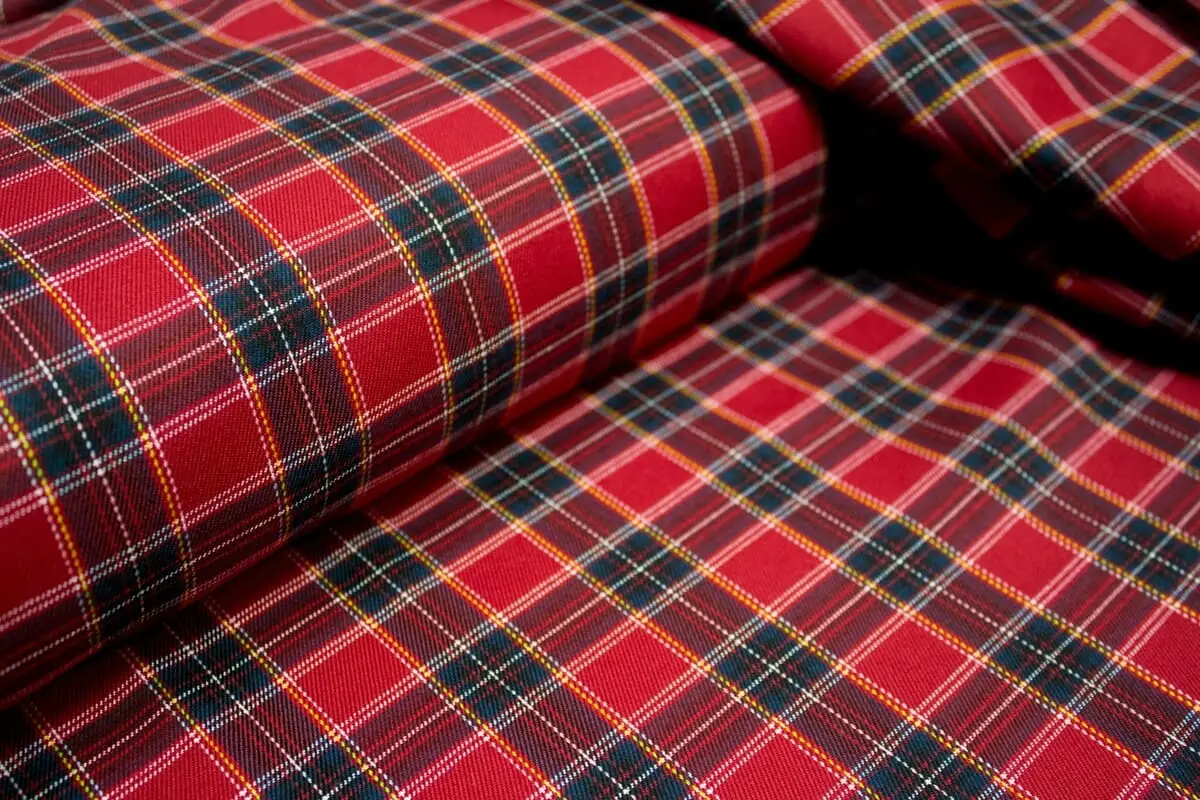
Plaid fabric has remained a popular textile pattern for fashion, home décor, quilting, accessories, and lifestyle products. From classic tartan-inspired designs to modern oversized checks, plaid patterns can create anything from a traditional look to a bold contemporary style.
Plaid fabric printing makes it possible to create custom colors, line widths, repeat sizes, and original pattern combinations instead of relying only on ready-made fabrics.
With digital fabric printing, designers and businesses can submit their own artwork and produce custom plaid or checkered textiles on a variety of fabric types. For a broader overview of fabric selection, printing methods, artwork preparation, and ordering, see our Custom Fabric Printing Guide. This can be particularly useful for clothing brands, interior designers, quilters, product developers, and small businesses looking for distinctive textile designs.
In this guide, we explain what plaid fabric printing is, the difference between plaid and checkered patterns, suitable fabrics and printing methods, design considerations, applications, costs, and how to order custom plaid fabric.
Table of Contents:Plaid Fabric Printing
What Is Plaid Fabric Printing?
Plaid fabric printing is the process of applying a plaid or checkered pattern to textile material using a suitable fabric printing method.
A plaid design typically consists of intersecting horizontal and vertical lines, bands, or blocks. Different combinations of line widths, colors, spacing, and transparency can produce simple checks, complex multicolor plaids, tartan-inspired patterns, and contemporary geometric designs.
Unlike a standard ready-made plaid textile, custom plaid fabric printing allows designers to control the visual appearance of the pattern.
For example, a designer can specify:
- Custom colors
- Stripe width
- Line spacing
- Pattern scale
- Repeat dimensions
- Number of colors
- Background color
- Pattern orientation
- Overall pattern composition
This makes plaid fabric printing useful when a standard commercial fabric does not match a specific brand, collection, product, or interior concept.
Plaid vs. Checkered Fabric: What Is the Difference?
The terms plaid and checkered are sometimes used interchangeably, but they can describe somewhat different visual structures.
Checkered Patterns
Checkered patterns generally feature relatively simple repeating squares or rectangles created by intersecting horizontal and vertical lines.
Classic black-and-white checks are a familiar example.
Checkered designs can include:
- Two-color checks
- Large checks
- Small checks
- Gingham-inspired patterns
- Buffalo checks
- Regular geometric grids
- High-contrast square patterns
Plaid Patterns
Plaid patterns can be more complex. They may combine stripes of different widths and multiple colors, producing overlapping bands and a more layered visual appearance. If you are also comparing stripe-based textile designs, explore our guide to Striped Fabric Printing.
Common plaid styles include:
- Traditional plaid
- Tartan-inspired designs
- Windowpane plaid
- Madras-inspired patterns
- Multi-color plaid
- Oversized plaid
- Fine plaid
- Irregular contemporary plaid
For custom fabric printing, both simple checkered designs and more complex plaid artwork can be reproduced depending on the selected fabric and printing process.
Popular Types of Plaid and Checkered Patterns
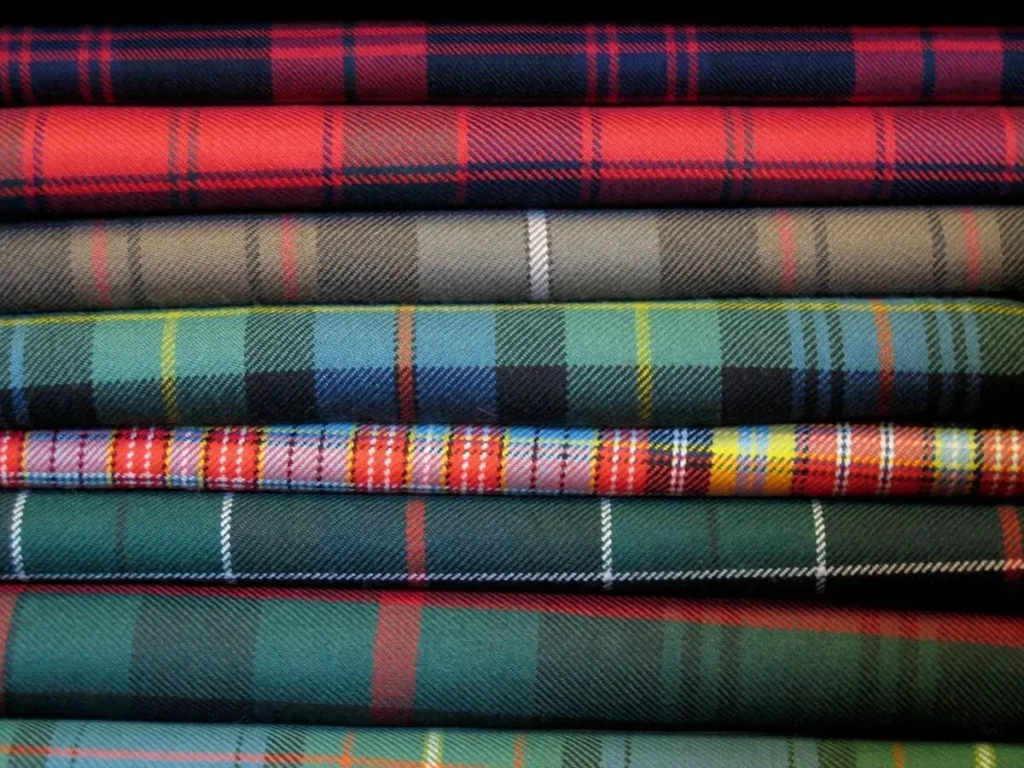
Different plaid structures create very different visual effects. When developing custom plaid fabric, choosing the right pattern style is an important part of the design process.
1. Classic Checkered Patterns
Classic checks use two or more contrasting colors arranged into regular squares.
They are suitable for:
- Shirts
- Dresses
- Table textiles
- Kitchen accessories
- Bags
- Quilting projects
2. Gingham-Inspired Patterns
Gingham typically uses a regular grid created from stripes of similar width. Overlapping stripes create areas of darker color.
The pattern can be adapted into different color combinations for fashion, home décor, and lifestyle products.
3. Buffalo Check
Buffalo check is usually characterized by large, bold squares with strong contrast.
It works well for:
- Shirts
- Jackets
- Blankets
- Cushions
- Curtains
- Bags
- Rustic home décor
4. Windowpane Plaid
Windowpane plaid uses relatively thin lines with large open spaces.
This creates a clean and modern appearance that can work particularly well for:
- Apparel
- Interior textiles
- Contemporary accessories
- Minimalist product designs
5. Tartan-Inspired Plaid
Tartan-inspired patterns use multiple horizontal and vertical stripes in different widths and colors.
For custom textile design, the pattern can be created with an original color palette rather than reproducing a specific existing tartan.
6. Oversized Plaid
Oversized plaid uses large pattern repeats and broad lines.
Large-scale plaid can create a strong visual statement on:
- Coats
- Upholstery
- Curtains
- Blankets
- Tote bags
- Large textile panels
7. Irregular or Modern Plaid
Modern plaid does not necessarily need to follow a traditional symmetrical structure.
Designers can experiment with:
- Uneven stripe widths
- Unexpected colors
- Asymmetrical lines
- Layered transparency
- Mixed geometric elements
- Artistic textures
For designs that focus more heavily on structured shapes, grids, lines, and repeating forms, you can also explore Geometric Fabric Printing for additional pattern ideas.
This approach can make custom plaid fabric feel more contemporary and distinctive. Designers who want to move beyond traditional grid structures can also explore Abstract Fabric Printing for more expressive and artistic textile patterns.
What Fabrics Are Suitable for Plaid Fabric Printing?
The best fabric for plaid printing depends on the intended application, desired hand feel, pattern scale, and compatible printing process.
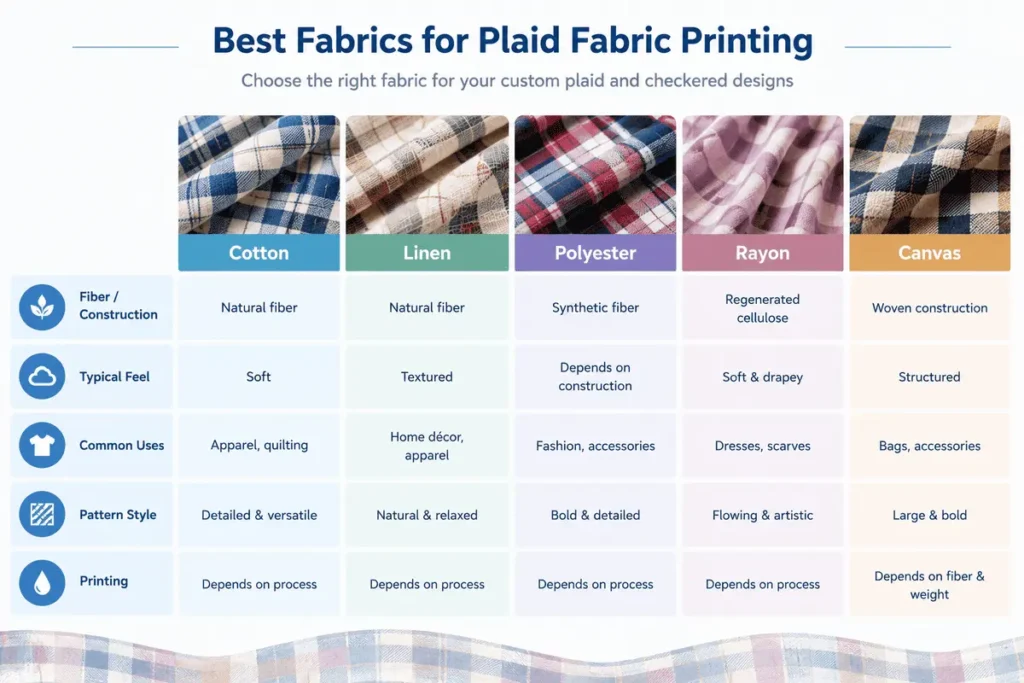
Cotton
Cotton is a versatile option for custom plaid fabric.
It can work well for:
- Apparel
- Quilting
- Shirts
- Dresses
- Home textiles
- Children’s products
Cotton is especially useful when a soft, natural fabric feel is important.
For projects using cotton, explore our guide to Cotton Fabric Printing to learn more about suitable cotton constructions and printing considerations.
Linen
Linen can provide a textured and natural appearance.
Custom plaid linen can be suitable for:
- Curtains
- Table textiles
- Home décor
- Apparel
- Decorative accessories
The texture of linen can become part of the overall aesthetic of a plaid design.
For more information about selecting and printing linen textiles, see our guide to Linen Fabric Printing.
Polyester
Polyester can be suitable for fashion, accessories, and other applications where synthetic textile performance is preferred. If polyester is being considered for a custom plaid project, see our detailed guide to Polyester Fabric Printing for more information about fabric construction and compatible printing processes.
It may also work well with certain dye-sublimation or other compatible printing processes.
Rayon
Rayon can provide a soft, flowing drape.
It can be considered for:
- Dresses
- Blouses
- Scarves
- Lightweight fashion products
The final printing result depends on the specific rayon construction and printing process.
Canvas
Canvas is a more structured textile and can be useful for larger or bolder plaid designs.
Potential applications include:
- Tote bags
- Accessories
- Home décor
- Craft products
- Product covers
For heavier canvas fabrics, the fiber composition, fabric weight, and printing compatibility should be evaluated before production.
Which Printing Methods Can Be Used for Plaid Fabric?
The appropriate printing process depends on the fabric composition and production requirements.
Digital Fabric Printing
Digital fabric printing is particularly useful for custom plaid designs because artwork can be prepared digitally and adjusted without creating traditional screens for every color.
It can be useful for:
- Custom color combinations
- Detailed plaid designs
- Multiple colors
- Small production runs
- Personalized textile patterns
- Rapid design testing
Digital printing can also make it easier to produce variations of the same plaid design.
Screen Printing
Screen printing can be appropriate for certain textile projects, particularly when designs use a limited number of colors and production volumes justify the setup.
However, creating complex multicolor plaid patterns may require multiple screens and careful alignment.
Dye Sublimation
Dye sublimation is commonly associated with compatible polyester-based textiles.
It can be suitable for certain fashion and sports-related products where polyester is appropriate.
The correct printing method should always be selected according to the fabric composition and intended application.
How to Design Custom Plaid Fabric
Creating a successful plaid textile design requires more than simply drawing intersecting lines.
1. Choose the Pattern Structure
Decide whether the design should be:
- Simple checkered
- Gingham-inspired
- Buffalo check
- Windowpane
- Traditional plaid
- Tartan-inspired
- Oversized plaid
- Modern irregular plaid
2. Select the Color Palette
Color is one of the most important characteristics of plaid fabric.
A design can use:
- Two colors
- Three colors
- Multiple colors
- Neutral tones
- Brand colors
- Seasonal colors
- High-contrast combinations
- Soft tonal combinations
For commercial products, using brand colors can help create a consistent visual identity.
3. Determine Stripe Width
Stripe width affects the appearance of the entire textile.
Thin stripes can create a refined and detailed appearance, while wide stripes can produce a bold statement.
The stripe width should also be considered relative to the final product size.
A plaid pattern that looks attractive on a large fabric panel may look very different after being cut into small garment pieces or accessories.
4. Set the Pattern Repeat
The repeat determines how frequently the plaid pattern appears across the fabric.
Before production, consider the intended product dimensions and how the repeat will interact with cutting and sewing.
5. Consider Pattern Scale
Small plaid patterns may work well for shirts, dresses, quilting, and accessories.
Large plaid patterns may be more effective for:
- Coats
- Curtains
- Blankets
- Upholstery
- Large bags
- Statement fashion pieces
6. Prepare High-Quality Artwork
Your artwork should be prepared according to the printing supplier’s requirements. For a detailed explanation of file formats, resolution, color settings, seamless patterns, and artwork requirements, see our Artwork Preparation Guide for Fabric Printing.
Important considerations include:
- File format
- Image resolution
- Color mode
- Pattern repeat
- Pattern dimensions
- Seamless tiling
- Stripe alignment
- Final fabric width
A seamless repeat should be tested before full production.
The Custom Plaid Fabric Printing Process
A typical custom plaid fabric project can follow these steps:
Plaid Design → Artwork Preparation → Fabric Selection → Printing → Color Fixation / Finishing → Quality Inspection → Finished Plaid Fabric
Step 1: Create the Plaid Design
Create the original pattern or modify an existing design concept into your own artwork.
Step 2: Prepare the Artwork
Check the pattern repeat, dimensions, colors, resolution, and file requirements.
Step 3: Select the Fabric
Choose a fabric based on the final product rather than the pattern alone.
For example, a soft plaid fabric may be more suitable for apparel, while structured canvas may be better for bags.
Step 4: Print the Fabric
The printing method is selected according to the fabric and project requirements.
Step 5: Fixation and Finishing
Depending on the printing system and fabric, additional fixation or finishing processes may be required to achieve the desired performance.
Step 6: Quality Inspection
The finished fabric should be evaluated for appearance, color consistency, pattern alignment, and other relevant requirements.
For projects where colorfastness or other textile performance characteristics are important, appropriate testing should be discussed with the supplier. AATCC publishes textile test methods covering properties such as crocking, laundering, water, light, and other performance characteristics.
Applications of Custom Plaid Fabric
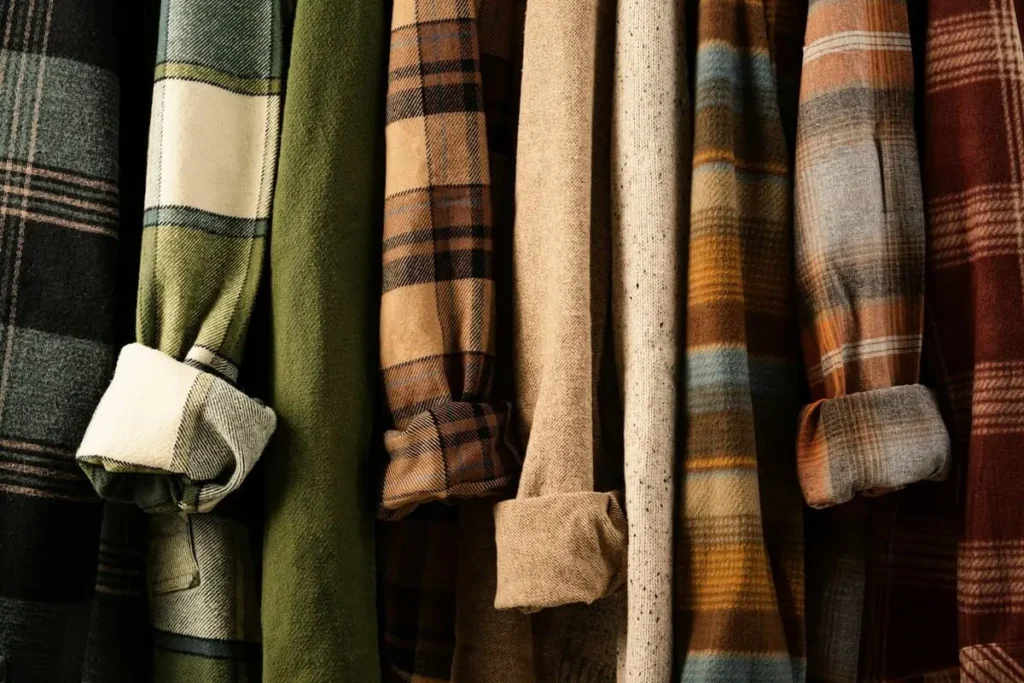
Custom plaid fabric can be used across many product categories.
Fashion and Clothing
Plaid remains popular in:
- Shirts
- Dresses
- Skirts
- Jackets
- Coats
- Trousers
- Scarves
- Fashion accessories
Custom printing allows clothing brands to create original plaid patterns rather than relying on standard wholesale designs.
Home Décor
Plaid can create either a traditional or contemporary interior style.
Common applications include:
- Curtains
- Cushion covers
- Table runners
- Blankets
- Decorative textiles
- Upholstery
- Wall textiles
Bags and Accessories
Structured plaid fabrics can work well for:
- Tote bags
- Pouches
- Backpacks
- Cosmetic bags
- Wallets
- Fashion accessories
Quilting and Sewing
Custom plaid fabric can be particularly useful for quilting and sewing projects.
Designers can create coordinated patterns with specific colors and repeat sizes instead of searching through standard fabric collections.
Seasonal and Holiday Products
Plaid patterns are often associated with seasonal and festive collections.
Custom color palettes can be developed for:
- Holiday textiles
- Winter accessories
- Seasonal home décor
- Gift products
- Limited-edition collections
Custom Plaid Fabric for Fashion Brands
For clothing brands, custom plaid fabric can help create a recognizable textile identity.
Instead of purchasing a standard plaid from a fabric wholesaler, a brand can develop a proprietary pattern with its own:
- Color palette
- Stripe proportions
- Pattern scale
- Repeat
- Fabric type
This can be especially valuable for capsule collections and limited-edition products.
Before bulk production, brands should evaluate the fabric through sampling and confirm that the pattern scale works with the garment’s construction.
Custom Plaid Fabric for Home Décor
Interior designers and home textile brands can also use custom plaid printing to coordinate textile patterns with a specific design concept.For more ideas about using custom printed textiles in interiors, see Custom Fabric Printing for Home Decor.
For example, the same custom plaid design could potentially be adapted for:
- Curtains
- Cushions
- Table textiles
- Throws
- Decorative accessories
Different fabric constructions can create significantly different visual and tactile results, so fabric sampling is recommended before a larger production run.
How Much Does Custom Plaid Fabric Printing Cost?
The cost of custom plaid fabric printing depends on several factors.
For a broader explanation of fabric printing prices and the factors that influence production costs, see our Custom Fabric Printing Cost Guide.
Important variables include:
- Fabric type
- Fabric weight
- Fabric width
- Printing method
- Pattern requirements
- Order quantity
- Finishing requirements
- Sampling
- Packaging
- Shipping
A simple two-color plaid may not necessarily cost the same as a complex multicolor design because fabric type, production method, quantity, and finishing can have a greater influence on the final price.
For an accurate quotation, provide the supplier with the artwork, desired fabric, quantity, fabric width, and intended application.
Can Small Businesses Order Custom Plaid Fabric?
Yes, depending on the fabric and supplier’s production requirements, small businesses may be able to order custom plaid fabric in relatively small quantities.
This can be useful for:
- Independent fashion brands
- Etsy sellers
- Interior designers
- Quilters
- Product designers
- Small accessory businesses
- Start-up brands
Low-MOQ or no-MOQ production can reduce the risk of purchasing large quantities before a product has been tested in the market.
Businesses interested in producing smaller quantities can learn more about Low MOQ Custom Fabric Printing before placing a larger order.
For a new plaid design, ordering a sample or small quantity first can help evaluate:
- Color
- Pattern scale
- Fabric hand feel
- Print quality
- Pattern repeat
- Finished product appearance
How to Order Custom Plaid Fabric from JCWTextile
The process can be straightforward:
1. Prepare Your Plaid Artwork
Prepare your design according to the required artwork specifications.
2. Select a Fabric
Choose the fabric based on your intended product and desired characteristics.
3. Confirm Pattern and Quantity
Provide the required pattern size, repeat dimensions, fabric width, and quantity.
4. Request a Sample or Quote
If you are unsure about the final result, consider requesting a sample before placing a larger order.
5. Confirm Production
After confirming the artwork, fabric, quantity, and production requirements, the fabric can proceed to production.
JCWTextile provides custom fabric printing services for designers, brands, businesses, and individual projects, with fabric options available for different applications.
Sustainability Considerations for Plaid Fabric Printing
Sustainability should be considered at both the fabric-selection and production stages.
Choosing an appropriate fabric can help ensure that the textile matches the intended product lifespan and use.
For example, designers may consider:
- Natural fiber options
- Recycled textile options where appropriate
- Fabric durability
- Product lifespan
- Responsible material sourcing
- Printing efficiency
- Production quantity
- Sampling before bulk production
Textile Exchange provides resources covering textile materials and their environmental considerations.
For products where chemical safety is important, buyers can also ask suppliers about applicable testing and certifications. OEKO-TEX STANDARD 100, for example, is a textile safety standard focused on testing for harmful substances.
Plaid Fabric Printing Design Tips
Before sending a plaid pattern to production, consider these practical tips:
Keep the repeat seamless.
Check that horizontal and vertical elements connect correctly when the design tiles.
Test the pattern at actual size.
A pattern can look very different on screen compared with the finished fabric.
Consider the final product.
The ideal plaid scale for a shirt may not be suitable for a large curtain.
Check color combinations carefully.
High-contrast colors can create a bold effect, while tonal colors can create a more subtle appearance.
Order a sample when possible.
A physical sample can reveal differences in texture, color appearance, scale, and drape that are difficult to judge digitally.
Conclusion
Plaid fabric printing provides designers, fashion brands, interior businesses, quilters, and product developers with a flexible way to create custom plaid and checkered textiles.
Instead of choosing only from standard commercial patterns, you can customize the colors, stripe widths, pattern scale, repeat, and overall appearance to match a specific product or brand.
The key to a successful project is choosing the right combination of pattern design, fabric, printing method, scale, and intended application.
Whether you need a traditional tartan-inspired design, a simple checkered textile, an oversized modern plaid, or an entirely original pattern, custom fabric printing can help turn your design concept into finished textile material.
If you are developing a new plaid textile, consider starting with a sample to evaluate the fabric, pattern scale, color appearance, and printing result before moving to larger production.
📚 Frequently Asked Questions About Plaid Fabric Printing
1. What is plaid fabric printing?
Plaid fabric printing is the process of printing custom plaid or checkered patterns onto textile materials. The design can include different colors, stripe widths, pattern scales, and repeat dimensions.
2. Can I create my own custom plaid fabric?
Yes. You can create an original plaid or checkered pattern and submit the artwork for custom fabric printing. The artwork should meet the supplier’s requirements for resolution, file format, colors, dimensions, and repeat construction.
3. What fabrics are best for plaid fabric printing?
Cotton, linen, polyester, rayon, canvas, and other fabrics may be suitable depending on the intended application and compatible printing method. The best fabric depends on the required hand feel, structure, durability, weight, and final product.
4. What is the difference between plaid and checkered fabric?
Checkered patterns usually use a relatively simple grid of squares or rectangles, while plaid patterns can combine multiple stripes of different widths and colors. However, the terms can overlap in everyday textile terminology.
5. Can I print plaid fabric in custom colors?
Yes. Custom plaid designs can be created using brand colors, seasonal palettes, neutral colors, or other combinations depending on the artwork and printing process.
6. Is digital printing suitable for plaid patterns?
Digital fabric printing can be suitable for many plaid and checkered designs because it allows designers to reproduce custom colors, detailed patterns, and repeat structures without requiring a traditional screen for every design variation.
7. Can small businesses order custom plaid fabric?
Small-batch or low-MOQ custom plaid fabric may be available depending on the selected fabric and production requirements. Sampling first can be useful for new brands and product developers.
8. How much does custom plaid fabric printing cost?
The price depends on fabric type, weight, width, printing method, quantity, artwork requirements, finishing, sampling, and shipping. A project-specific quotation is the best way to determine the actual cost.