Introduction
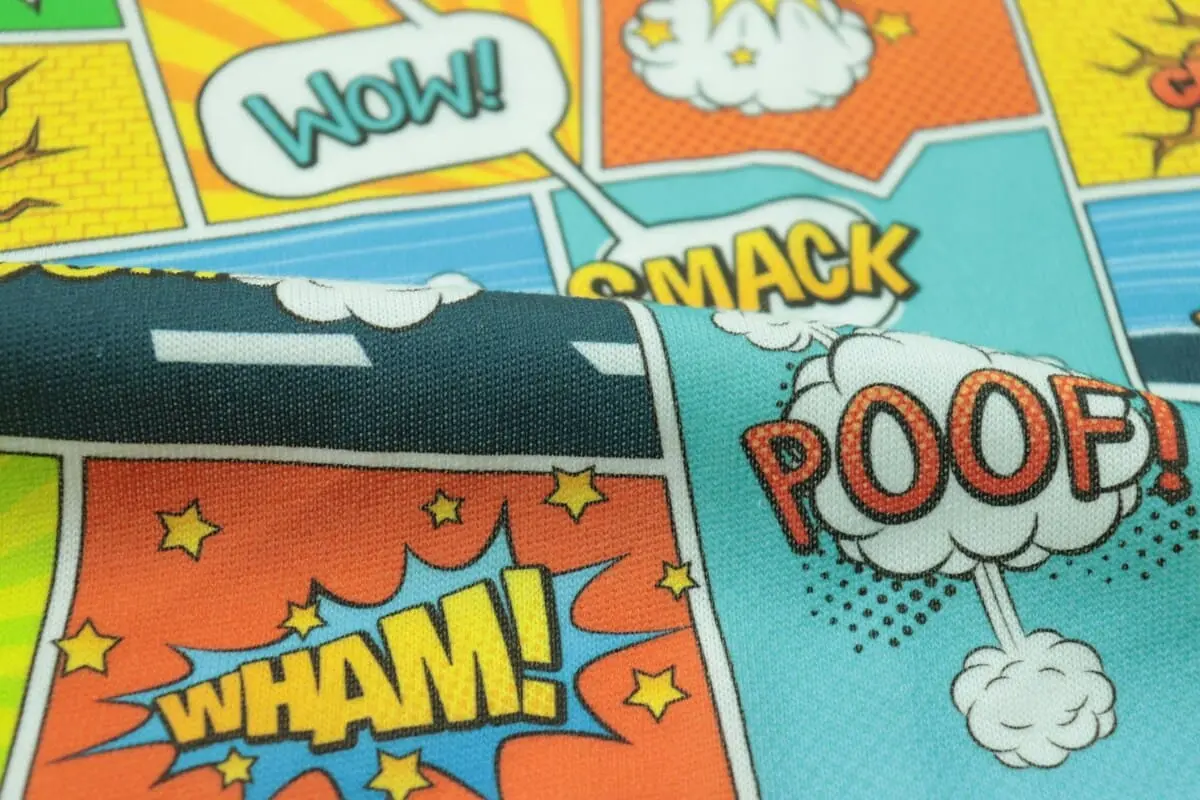
Custom printed fabric gives designers, brands, artists, and businesses the freedom to turn original ideas into unique textiles.
Instead of choosing from standard factory patterns, you can create fabric based on your own artwork, illustrations, photographs, logos, colors, or repeating patterns. This makes custom printed fabric an increasingly useful solution for fashion collections, home textiles, accessories, quilting, baby products, and creative projects.
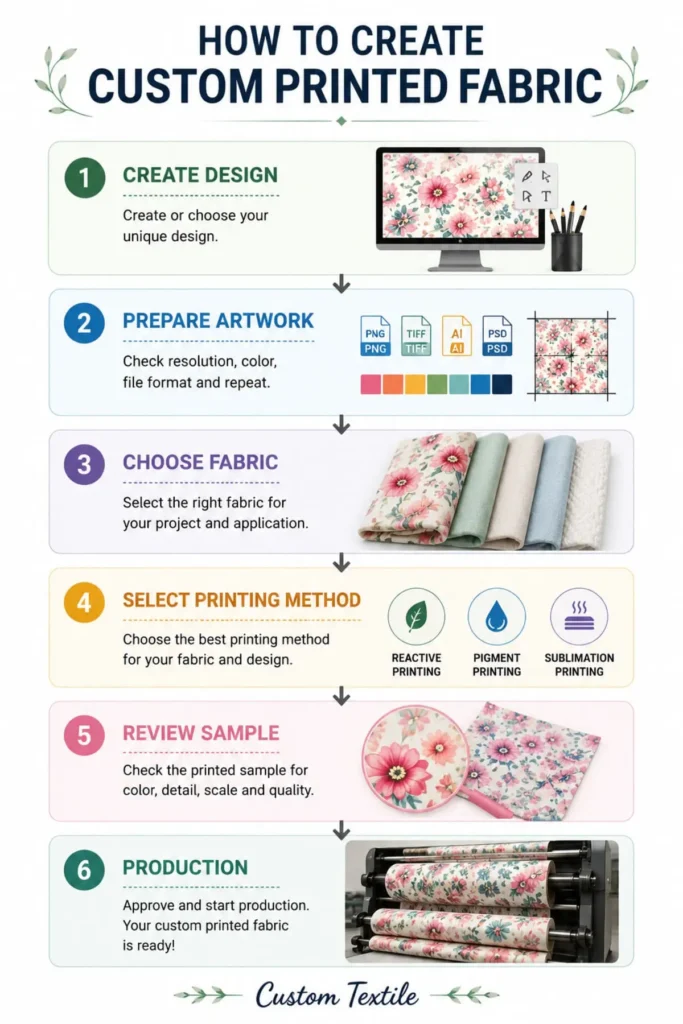
The process may seem complicated at first, but creating your own fabric can be straightforward when you understand the main steps.
You generally need to:
- Create or select your design
- Prepare the artwork for textile printing
- Choose the right fabric
- Select the appropriate printing method
- Review a sample
- Approve production
- Receive the finished fabric
The most important decision is not simply choosing a beautiful design. You also need to make sure that the artwork, fabric, printing method, and final application work well together.
For a broader explanation of textile printing technologies, fabric selection, and production, explore our Custom Fabric Printing Guide.
Table of Contents:Custom printed fabric
What Is Custom Printed Fabric?
Custom printed fabric is textile material printed with a design created or selected specifically for a customer.
The design can include almost any type of visual artwork, such as:
- Illustrations
- Photographs
- Brand logos
- Geometric patterns
- Floral artwork
- Hand-drawn designs
- Digital artwork
- Repeating patterns
- Personalized graphics
Unlike standard printed fabric, which is manufactured with predefined designs, custom printed fabric is created according to specific customer requirements.
This makes it useful when you need a fabric that is:
- Unique
- Brand-specific
- Personalized
- Limited edition
- Designed for a particular product
For example, a clothing brand could create an exclusive floral pattern for a seasonal collection. An artist could print original illustrations onto fabric. A small business could create a signature pattern for bags, scarves, or home accessories.
Why Create Your Own Custom Printed Fabric?
There are several reasons designers and businesses choose custom printed textiles.
Create Unique Designs
The biggest benefit is creative freedom.
You are not limited to patterns already available from a fabric supplier. You can start with your own artwork and create a textile that is completely unique.
This is particularly valuable for:
- Fashion designers
- Independent artists
- Boutique brands
- Interior designers
- Creative businesses
Strengthen Your Brand Identity
Custom textile designs can become part of a brand’s visual identity.
A brand may use the same signature pattern across:
- Dresses
- Scarves
- Bags
- Packaging
- Cushions
- Accessories
A recognizable printed pattern can help products look more consistent and distinctive.
Produce Small Collections
Custom printing is also useful for limited collections.
Instead of investing heavily in a large inventory, businesses can develop a design, produce samples, test the market, and scale production later.
This is particularly useful for:
- New brands
- Seasonal collections
- Limited editions
- Product testing
Turn Artwork Into Physical Products
Artists can transform digital artwork into physical textiles.
For example:
Artwork
   ↓
Custom Printed Fabric
   ↓
Scarf / Bag / Clothing / Home Textile
This creates opportunities for artists who want to expand beyond traditional prints or digital products.
What Can You Print on Fabric?
One of the biggest advantages of modern textile printing is the variety of designs that can be reproduced.
Photographs
Personal photographs can be transformed into printed textiles for:
- Quilts
- Blankets
- Cushions
- Gifts
- Creative projects
For more information, see our Photo Fabric Printing Guide.
Logos and Branding
Businesses can print:
- Company logos
- Brand graphics
- Signature patterns
- Promotional designs
This is especially useful for custom apparel, accessories, and branded textile products.
Illustrations and Artwork
Artists can print original artwork onto fabric for:
- Fashion
- Home décor
- Crafts
- Art products
Repeating Patterns
A single design can be repeated across a larger fabric area.
Common pattern types include:
- Floral
- Geometric
- Paisley
- Plaid
- Abstract
- Animal prints
Repeat patterns are particularly useful for fashion and home textiles.
How to Create Custom Printed Fabric
Creating your own fabric can be divided into several stages.
For a broader overview of custom textile production, explore our Custom Fabric Printing Guide.
Step 1: Create or Select Your Design
The process begins with your artwork.
Your design can come from:
- Adobe Illustrator
- Photoshop
- Procreate
- Photography software
- Hand-drawn artwork
- AI-assisted design tools
- Your own brand assets
The important thing is that you have the right to use the artwork and that it is suitable for reproduction.
Design Considerations
Before sending artwork for printing, think about:
Size
How large should the design appear on the finished fabric?
A small floral pattern and a large graphic print will create very different visual results.
Scale
Pattern scale should match the intended product.
For example:
- Small prints work well for shirts and quilting
- Medium-scale prints work well for dresses and accessories
- Large graphics can work well for cushions and interior projects
Repeat
For continuous patterns, determine whether the artwork should repeat across the fabric.
Common repeat layouts include:
- Straight repeat
- Half-drop repeat
- Mirror repeat
Step 2: Prepare Your Artwork for Fabric Printing
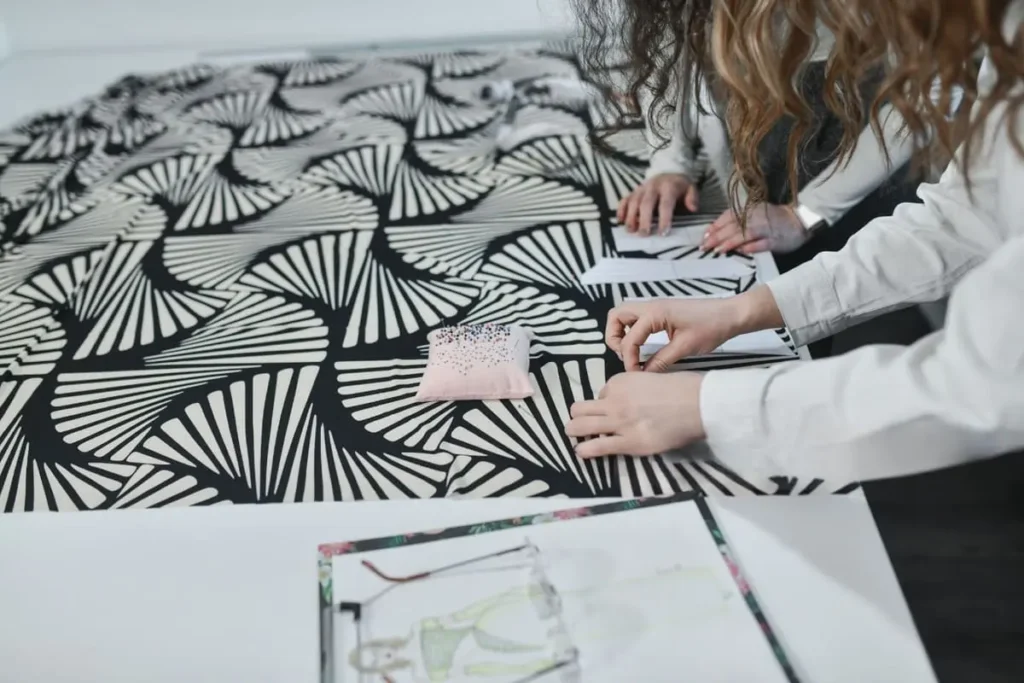
Good artwork preparation is essential for high-quality custom printed fabric.
Before submitting your file, check:
- Resolution
- Dimensions
- Color
- Repeat pattern
- File format
Use High-Resolution Artwork
Low-resolution images may become blurry or pixelated when printed.
For photographic designs, use the highest-quality original image available.
For logos and illustrations, vector artwork is often useful because it can be resized without losing sharpness.
Choose the Right File Format
Common file formats include:
- PNG
- JPG
- TIFF
- PSD
- AI
Your preferred format may depend on the artwork and production workflow.
Check the Color
The colors on your monitor may not look exactly the same on printed fabric.
Fabric composition, ink technology, and finishing can all affect the final appearance.
For important production projects, sampling is recommended before committing to a larger order.
Color appearance can vary depending on the fabric, printing technology, and finishing process. For projects where color performance and textile durability are important, standardized textile testing can help evaluate characteristics such as colorfastness. AATCC textile testing standards provide established methods for evaluating a range of textile performance properties.
Step 3: Choose the Right Fabric
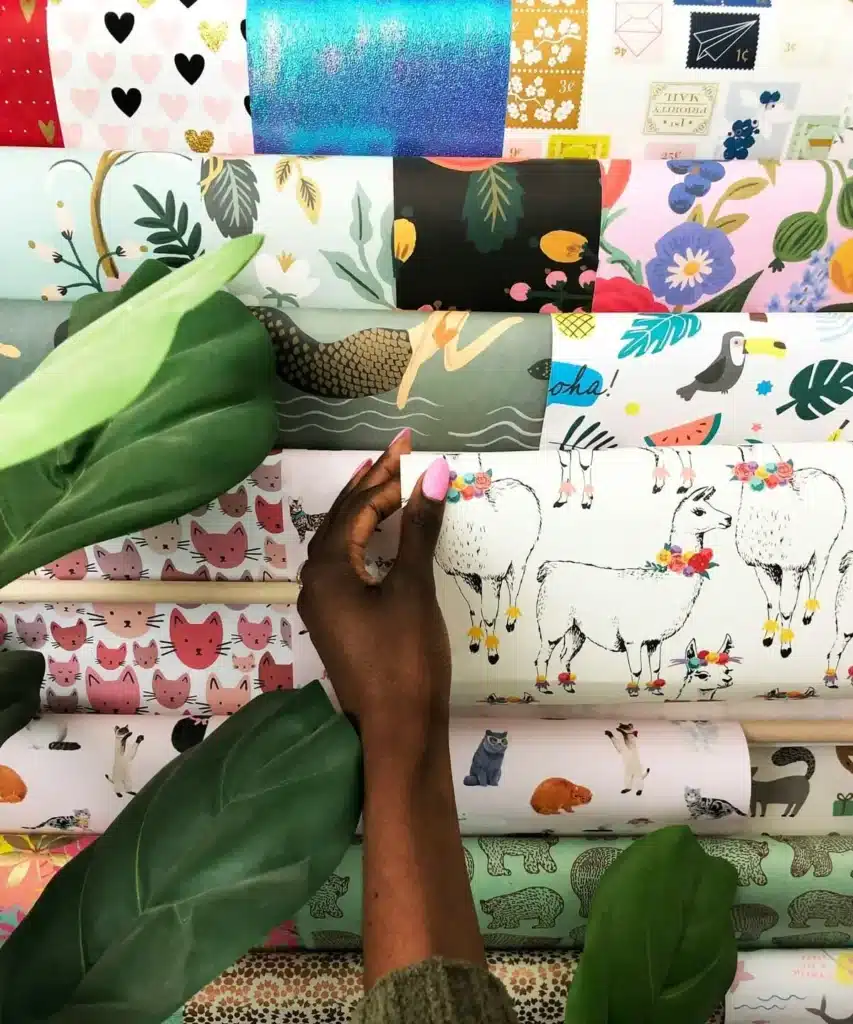
Need help choosing the right material? See our What Fabric Is Best for Digital Printing? guide.
Your design is only one part of the finished product.
The fabric also affects:
- Color appearance
- Texture
- Drape
- Print sharpness
- Durability
- Overall product feel
For example:
Cotton
Best for:
- Apparel
- Quilting
- Baby products
- Home textiles
Cotton fiber characteristics can influence fabric performance, appearance, and suitability for different textile applications. For additional technical information about cotton fiber properties, CottonWorks provides resources for apparel and textile professionals.
Polyester
Best for:
- Sportswear
- Performance products
- Vibrant printed designs
Fleece
Best for:
- Blankets
- Winter products
- Cozy textiles
Satin
Best for:
- Scarves
- Dresses
- Fashion accessories
Linen
Best for:
- Home décor
- Premium apparel
- Natural-looking textiles
Spandex Blends
Best for:
- Swimwear
- Activewear
- Stretch apparel
For a more detailed fabric comparison, read What Fabric Is Best for Digital Printing?.
Step 4: Choose the Right Printing Method
Different fabrics require different printing technologies.
Three important textile printing methods include:
Reactive Printing
Reactive printing is commonly associated with natural fibers such as cotton and linen.
It is well suited to applications where:
- Soft hand feel matters
- Color depth is important
- Wash durability is required
Pigment Printing
Pigment printing can be used across a broad range of fabrics and applications.
It is particularly useful when you need:
- Flexible fabric compatibility
- Custom production
- Short runs
- Decorative textiles
Sublimation Printing
Sublimation printing is primarily used for polyester fabrics.
It is especially popular for:
- Sportswear
- Activewear
- Performance textiles
- Vibrant photographic designs
For a detailed comparison, read our Fabric Printing Methods: Reactive vs Pigment vs Sublimation Printing.
Step 5: Create a Sample
Before producing a larger quantity of custom printed fabric, consider ordering a sample.
A sample allows you to evaluate:
- Color
- Print sharpness
- Fabric texture
- Pattern scale
- Overall appearance
This is particularly important when:
- Launching a new fashion collection
- Creating branded products
- Working with large production quantities
- Using unfamiliar fabric materials
A design that looks excellent on a computer screen may have a different appearance on actual fabric.
Step 6: Review the Printed Sample
When the sample arrives, compare it with your original design.
Check:
Color
Does the printed color match your expectations?
Scale
Is the pattern the correct size?
Fabric Feel
Does the material feel suitable for the final product?
Print Quality
Look for:
- Sharp edges
- Smooth gradients
- Clear details
- Consistent coverage
Application
If possible, test the sample as part of the final product.
For example:
A clothing designer can make a small garment panel to evaluate:
- Drape
- Stretch
- Print appearance
- Sewing performance
Step 7: Approve Production
Once the sample meets your requirements, production can move forward.
Before confirming an order, make sure the following details are correct:
- Fabric type
- Fabric width
- Printing method
- Pattern scale
- Quantity
- Finishing requirements
- Shipping destination
Clear specifications reduce the risk of production problems.
Custom Printed Fabric for Different Applications
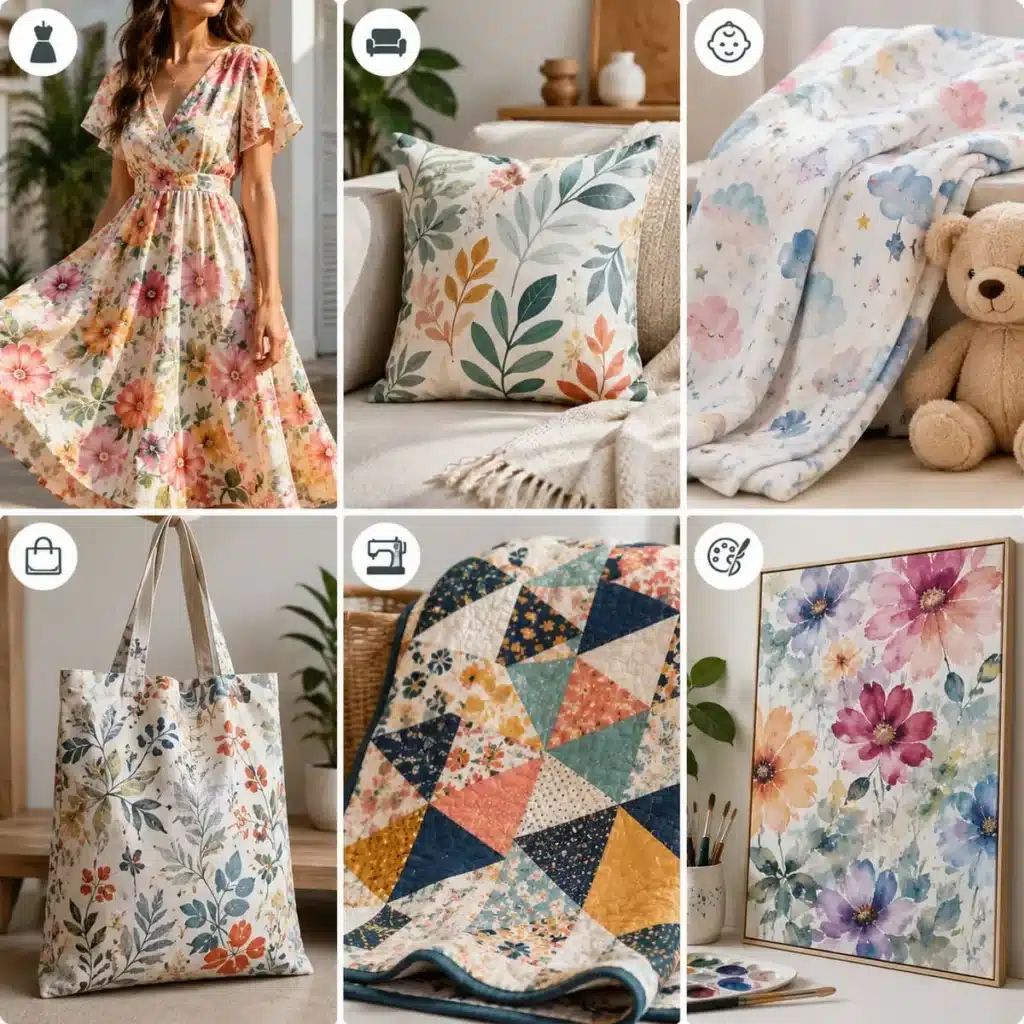
Ready to turn your design into fabric? Design Your Fabric.
Fashion and Apparel
Custom fabric printing is widely suited to fashion products.
Examples include:
- Dresses
- Shirts
- Skirts
- Scarves
- Children’s clothing
- Activewear
Designers can develop exclusive prints that differentiate their collections from mass-market products.
Home Textiles
Custom printed fabric can also be used for:
- Curtains
- Cushions
- Bedding
- Table linens
- Decorative textiles
A custom pattern can be used across multiple products to create a coordinated interior design collection.
Baby Products
Custom fabric is useful for:
- Baby blankets
- Rompers
- Swaddles
- Nursery accessories
Soft cotton, bamboo, muslin, and other suitable fabrics can be combined with personalized patterns.
Bags and Accessories
Custom printed fabrics can be turned into:
- Tote bags
- Pouches
- Scarves
- Headbands
- Fabric accessories
This makes custom printing especially useful for small brands creating coordinated product collections.
Quilting and Crafts
Quilters and makers can create fabrics featuring:
- Personal photographs
- Family artwork
- Custom patterns
- Special illustrations
This allows makers to produce fabrics that cannot be found in standard retail collections.
Custom Printed Fabric for Designers and Small Businesses
One of the strongest applications of custom printing is small-scale product development.
Test Before Scaling
A designer can:
Design
 ↓
Sample
 ↓
Product Test
 ↓
Customer Feedback
 ↓
Larger Production
This approach can reduce the risk associated with launching a completely new design.
Build a Signature Collection
A brand can create several coordinated patterns instead of relying on unrelated standard fabrics.
For example:
Collection
│
├── Floral Pattern
├── Geometric Pattern
├── Stripe Pattern
└── Abstract PatternCreate Limited Editions
Custom printing is also suitable for limited-edition collections.
Examples:
- Seasonal prints
- Artist collaborations
- Holiday designs
- Exclusive brand collections
Custom Printed Fabric vs Pre-Printed Fabric
| Feature | Custom Printed Fabric | Pre-Printed Fabric |
|---|---|---|
| Design | Your own design | Existing design |
| Customization | High | Limited |
| Branding | Excellent | Limited |
| Pattern Choice | Flexible | Fixed |
| Small Collections | Suitable | Depends on supplier |
| Personalization | Excellent | Limited |
Custom fabric is particularly useful when your design is part of your product’s value.
What Makes a Good Custom Fabric Design?
A successful textile design should consider more than visual appearance.
Match the Design to the Fabric
A highly detailed image may work beautifully on a smooth fabric but appear different on a heavily textured textile.
Consider Repeat Size
Make sure the pattern scale matches the intended product.
Keep the End Product in Mind
Ask:
Where will this fabric be used?
A pattern designed for:
- A scarf
- A dress
- A cushion
- A blanket
may require different scale and composition.
Design for the Sewing Process
For products that will be cut and sewn, remember that seams may remove part of the printed design.
Design placement should consider:
- Seams
- Panels
- Hems
- Pattern matching
This is especially important for garments and bags.
How Much Custom Printed Fabric Should You Order?
The answer depends on your product and production stage.
For Testing
A small sample may be enough to evaluate:
- Fabric
- Color
- Print quality
For a Prototype
You may need enough material to produce a complete sample product.
For Production
Quantity depends on:
- Product dimensions
- Number of products
- Pattern placement
- Cutting waste
- Production requirements
Before placing a larger order, calculate the required fabric carefully.
Common Mistakes When Creating Custom Printed Fabric
Mistake 1: Using Low-Resolution Artwork
Poor-quality artwork can lead to blurry prints.
Solution: Use high-resolution source files whenever possible.
Mistake 2: Choosing Fabric Without Considering the Application
A fabric that looks attractive may not perform well for the final product.
Solution: Start with the intended application, then select the fabric.
Mistake 3: Ignoring Pattern Scale
A design may look perfect on screen but become too large or too small when printed.
Solution: Test the actual pattern scale with a sample.
Mistake 4: Skipping the Sample Stage
Large orders without testing can create unnecessary risk.
Solution: Order a sample before committing to production.
Mistake 5: Choosing the Printing Method Only by Price
The cheapest method is not always the best method.
Solution: Consider fabric compatibility, durability, color requirements, and end use.
Why Choose JCWTextile for Custom Printed Fabric?
JCWTextile provides custom textile printing solutions for designers, brands, businesses, and creative projects worldwide.
Customers can develop their own designs and select from different fabric materials and printing options according to the intended application.
The process can be as simple as:
Upload Your Design
        ↓
Choose Your Fabric
        ↓
Select Printing Method
        ↓
Review a Sample
        ↓
Approve Production
        ↓
Receive Your Custom Fabric
For customers developing a new textile product, the combination of custom artwork, appropriate fabric selection, and suitable printing technology can provide much more flexibility than choosing only from standard printed fabrics.
Start by exploring Design Your Fabric or learn more through our Custom Fabric Printing Guide.
Conclusion
Creating custom printed fabric allows you to turn your own ideas into unique textiles for fashion, home décor, accessories, baby products, quilting, and many other applications.
The process starts with your design, but successful results depend on several decisions:
- Artwork quality
- Fabric selection
- Printing method
- Pattern scale
- Sampling
- Final application
For the best results, think about the entire product rather than the fabric alone.
Choose the material based on how the finished product will be used, prepare the artwork carefully, select a compatible printing method, and review a sample before larger production.
Whether you are an independent designer developing a collection, an artist transforming artwork into textile products, or a small business creating a signature pattern, custom printed fabric provides the flexibility to create something truly your own.
📚 Frequently Asked Questions About Custom Printed Fabric
1. What is custom printed fabric?
Custom printed fabric is a textile material printed with a customer’s own artwork, photographs, logos, illustrations, or patterns rather than a standard factory design.
2. Can I print my own design on fabric?
Yes. You can use your own artwork, photographs, logos, illustrations, and repeating patterns to create custom printed fabric. The artwork should be prepared according to the fabric and printing requirements.
3. What fabrics can be used for custom printing?
Common options include cotton, linen, polyester, fleece, satin, canvas, chiffon, and spandex blends. The best choice depends on the final application and printing method.
4. Can I order custom printed fabric in small quantities?
Digital textile printing can support flexible production quantities and is suitable for samples, limited projects, designers, and small businesses. Specific quantity requirements depend on the fabric and production method.
5. What is the best printing method for custom fabric?
There is no single best printing method for every project. Reactive printing is commonly used for suitable natural fabrics, sublimation works especially well with polyester, and pigment printing offers broad fabric compatibility.
6. Can I print photos on fabric?
Yes. Digital textile printing can reproduce photographs on suitable fabrics. For more information, see our Photo Fabric Printing Guide.
7. Should I order a sample before buying custom printed fabric?
Yes. A sample helps you evaluate color, print quality, fabric texture, pattern scale, and overall suitability before larger production.
8. How do I create a repeating fabric pattern?
A repeating pattern is designed so that the artwork can connect seamlessly across the fabric. Common repeat layouts include straight repeat, half-drop repeat, and mirror repeat.