Rayon challis fabric is a popular choice for dresses that need a soft feel, lightweight construction, and flowing drape. From relaxed summer sundresses to gathered midi dresses and wrap styles, it can create comfortable garments with natural movement.
However, choosing rayon challis for dressmaking involves more than selecting an attractive print. Fabric weight, opacity, drape, shrinkage, and sewing techniques all affect the finished garment.
This guide explains how to choose rayon challis fabric for dresses, which styles work well, how much fabric you may need, and what to consider before cutting and sewing.
Table of Contents: Rayon Challis Fabric for Dresses
Why Choose Rayon Challis Fabric for Dresses?
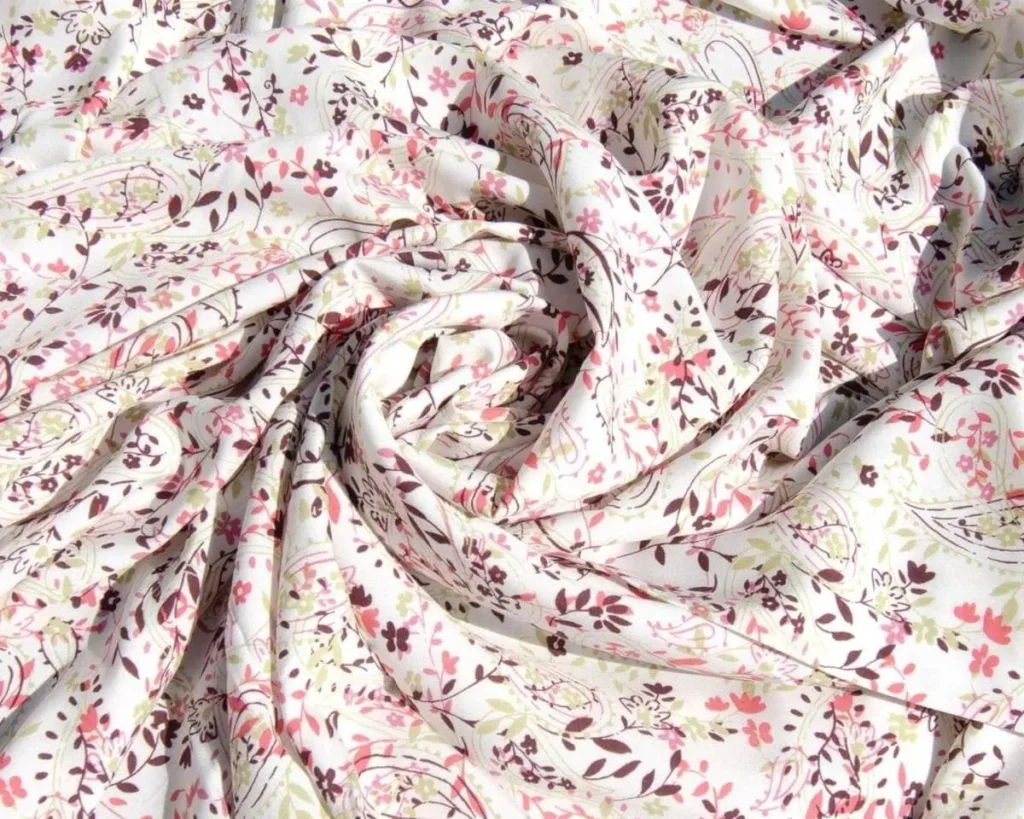
Rayon challis is typically a lightweight woven fabric made from viscose rayon. Its soft hand feel and fluid drape make it suitable for garments designed to move with the body.
For dressmaking, its main advantages include:
Soft drape: Suitable for flowing skirts, gathered details, and relaxed silhouettes.
Comfortable feel: Often chosen for garments worn close to the skin.
Lightweight construction: Useful for many spring and summer dress designs.
Print versatility: Suitable for many floral, botanical, and illustrated fashion prints when an appropriate printing process is used.
These characteristics vary by fabric weight, weave density, finishing, and fiber composition.
For a broader explanation of the material, see our What Is Rayon Challis Fabric? guide.
Best Dress Styles for Rayon Challis Fabric
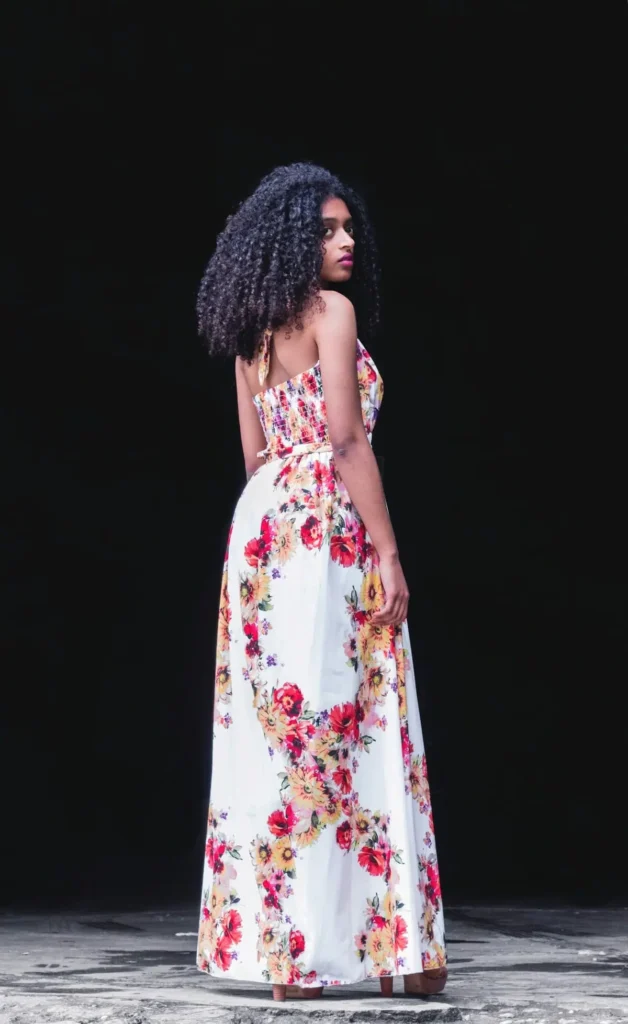
1. Wrap Dresses
Rayon challis can work well for wrap dresses because its fluid drape creates soft folds around the body.
When selecting a pattern, remember that rayon challis is usually woven and does not provide the same stretch as knit fabric. Check whether the pattern requires a stretch material.
2. A-Line Dresses
A-line dresses can benefit from the fabric’s lightweight feel and movement.
Rayon challis is especially suitable for softer A-line designs rather than styles that require a rigid, sculpted shape.
3. Maxi and Midi Dresses
Longer dresses often benefit from fabrics that fall smoothly without excessive stiffness.
Rayon challis can be an option for tiered maxi dresses, gathered midi skirts, and loose-fitting summer designs.
4. Shirt Dresses
Relaxed shirt dresses can be made from rayon challis when a softer silhouette is desired.
However, collars, cuffs, and button plackets may require appropriate interfacing for additional stability.
5. Beyond Dresses: Blouses, Skirts, and Relaxed Clothing
Although rayon challis is frequently chosen for dresses, its fluid drape also makes it suitable for relaxed blouses, gathered skirts, tunics, and certain loose-fitting garments.
For blouses, rayon challis can create a soft silhouette without the crisp structure of traditional cotton shirting. Designers should consider neckline stability, button placket reinforcement, and fabric opacity.
For skirts, the material can produce flowing movement, especially in gathered and softly draped designs. Lightweight constructions may require lining depending on the color and garment style.
Rayon challis is generally less suitable for highly structured garments that require firm shape retention. When selecting fabric for a clothing collection, evaluate drape, usable width, GSM, and care requirements before production.
For detailed information about its fiber composition and texture, see our What Is Rayon Challis Fabric? guide.
6. Gathered and Tiered Dresses
Gathered panels and tiered skirts are common applications for soft woven fabrics.
Rayon challis can produce gentle gathers without the crisp appearance of some cotton shirting fabrics.
How to Choose the Right Rayon Challis for a Dress
Not all rayon challis fabrics have identical characteristics.
Before selecting fabric for a dress collection, evaluate the following factors.
Fabric Weight and GSM
Fabric weight influences drape, opacity, and garment structure.
Lighter rayon challis may be suitable for loose summer garments, while somewhat heavier constructions may offer more coverage and stability.
Ask your supplier for the actual GSM rather than assuming that every rayon challis fabric has the same weight.
Fabric Width
Usable width affects cutting layouts and the total amount of fabric required.
Always check the actual width before calculating yardage, especially for dresses with wide skirts, long sleeves, or large pattern pieces.
Opacity and Lining
Some lightweight rayon challis fabrics may be partially transparent, particularly in light colors.
Check opacity under natural and artificial lighting. A lining or slip may be necessary depending on the dress design.
Fabric Drape
Drape determines how the material falls around the body.
Before production, test a fabric swatch or sample to see whether it creates the intended silhouette.
Print Scale and Placement
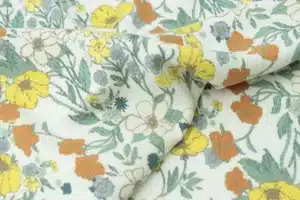
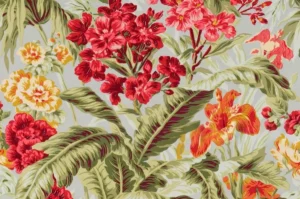
For printed dresses, consider how the pattern appears across the bodice, sleeves, and skirt.
Large floral motifs may require additional fabric for pattern matching. Small repeating prints may be easier to arrange across multiple pattern pieces.
How Much Rayon Challis Fabric Do You Need for a Dress?
The amount of fabric required depends on the pattern, garment size, fabric width, sleeve length, and print direction.
The following estimates are illustrative starting points for relatively simple adult dress designs, not guaranteed cutting requirements.| Dress Style | Approximate Fabric Requirement |
|---|---|
| Simple sleeveless sundress | 2–3 yards |
| Short-sleeve A-line dress | 2.5–3.5 yards |
| Midi wrap dress | 3–4.5 yards |
| Gathered maxi dress | 3.5–5 yards |
| Tiered maxi dress with sleeves | 4–6 yards or more |
Cutting Rayon Challis Fabric
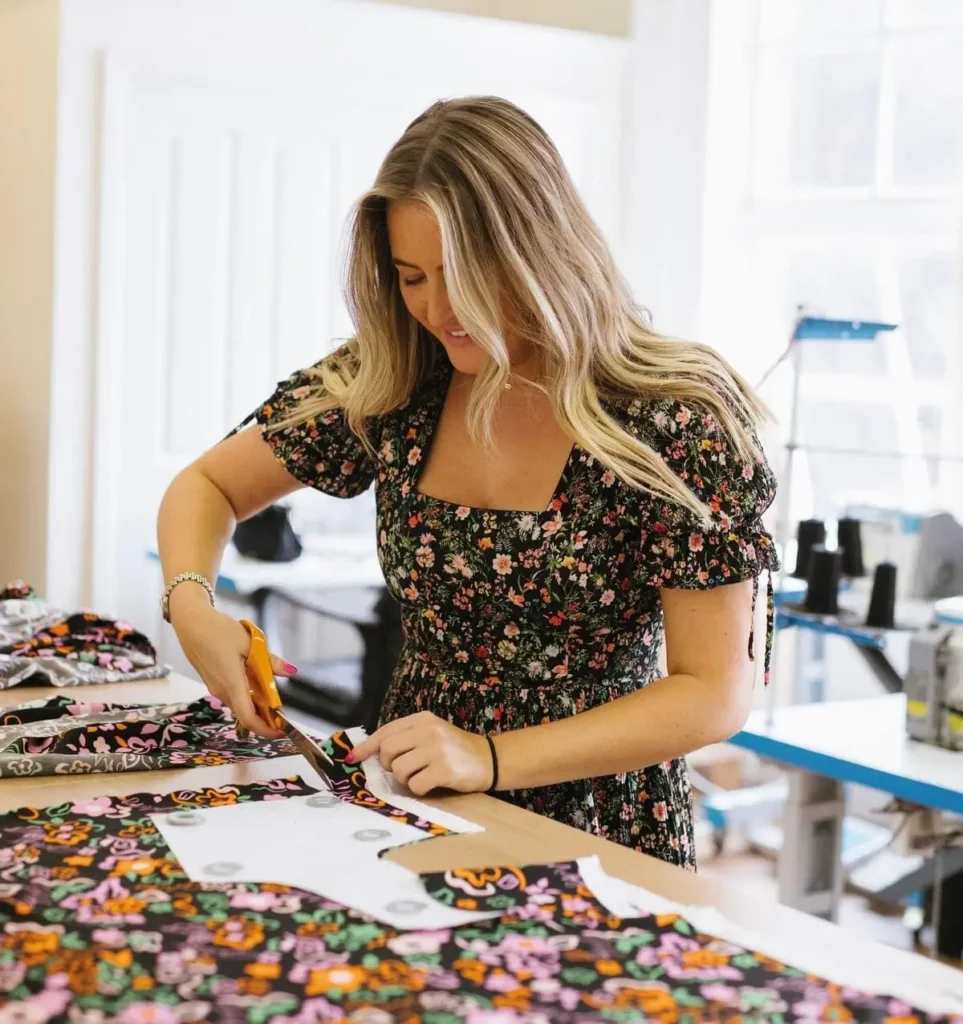
Rayon challis can shift during cutting because of its soft, flexible construction.
For better accuracy:
Check whether the fabric should be prewashed according to the supplier’s instructions.
Allow the fabric to dry and relax before cutting.
Lay the fabric flat without stretching it.
Use sharp fabric scissors or a suitable rotary cutter.
Secure pattern pieces carefully to reduce shifting.
Check the grainline and print direction before cutting.
Because rayon challis can shift during cutting, careful fabric handling is essential. For practical guidance on cutting tools, needle selection, and fabric stability, see Seamwork’s How to Sew with Rayon.
For large production runs, test the cutting method on a sample before processing the full order.
Sewing Tips for Rayon Challis Dresses
Use a Suitable Needle
A fine, sharp needle appropriate for lightweight woven fabrics is often a useful starting point.
Test the needle on a fabric scrap to avoid snagging or visible damage.
Test Stitch Length and Tension
Sew a sample seam before constructing the garment.
If the fabric puckers, adjust the machine settings and test again rather than assuming one stitch setting works for every challis fabric.
Stabilize Curved Edges
Necklines, armholes, and bias-cut edges may stretch during handling.
Staystitching or suitable stabilization can help preserve the intended shape.
Staystitching helps prevent curved necklines, armholes, and other vulnerable edges from stretching out of shape during garment construction. The Sewing and Craft Alliance’s Staystitching Guide explains the technique and where to apply it.
Finish Raw Seams
Depending on the fabric construction, rayon challis edges may fray.
French seams, overlocking, or other appropriate seam finishes can improve durability and appearance.
Allow for Hem Movement
Soft woven fabrics, particularly bias-cut garments, may change shape after hanging.
Allowing the garment to settle before final hemming can help produce a more even result.
Rayon Challis vs Cotton Poplin for Dresses
Both fabrics can be used for dresses, but they create different silhouettes.
| Feature | Rayon Challis | Cotton Poplin |
|---|---|---|
| Drape | Soft and flowing | Usually crisper |
| Structure | Better for relaxed shapes | Better for defined shapes |
| Gathered skirts | Soft, fluid gathers | More structured gathers |
| Shirt dresses | Relaxed appearance | Crisp, tailored appearance |
| Cutting | Can shift during handling | Often more stable |
| Typical design preference | Flowing dresses | Structured dresses |
Neither fabric is universally better. The appropriate choice depends on the garment design and desired appearance.
Custom Printed Rayon Challis for Dress Collections
Custom printing allows fashion designers to develop fabric patterns that match their collection’s visual identity.
For example, a designer may use botanical prints for summer dresses, small repeating patterns for blouses, or coordinated prints across several garments.
Before production, confirm:
Fiber composition and printing compatibility
Fabric width and GSM
Artwork resolution and repeat dimensions
Color expectations and sample approval
Shrinkage and care requirements
Production quantity and delivery arrangements
JCWTextile provides custom fabric printing services for designers and businesses. Printing compatibility should be confirmed for the specific fabric selected.
Learn more in our Rayon Fabric Printing Guide or explore Rayon Challis Fabric by the Yard for sourcing considerations.
Caring for Rayon Challis Dresses
Rayon challis garments may require gentle care, especially when wet.
Always follow the fabric supplier’s care instructions and the finished garment’s care label.
Some fabrics may be suitable for gentle washing, while others may require professional cleaning.
Avoid assuming that all rayon challis fabrics are machine washable or dryer safe.
For dress production, test dimensional stability and appearance after the intended cleaning process before finalizing garment specifications.
Fabric preparation before cutting is important for achieving consistent garment dimensions. Seamwork’s Guide to Cutting and Marking Fabric provides practical advice on fabric pretreatment, cutting layouts, and accurate pattern placement.
Final Thoughts
Rayon challis fabric can be an excellent choice for dresses that require softness, movement, and a flowing silhouette.
For successful dressmaking, focus on fabric weight, opacity, cutting accuracy, sewing techniques, and care requirements rather than choosing a fabric based on appearance alone.
For designers developing custom printed dress collections, evaluating a sample before production is an important step toward consistent results.
📚 FAQ About Rayon Challis Fabric for Dresses
1. Is rayon challis good for summer dresses?
Yes. Rayon challis is often used for lightweight summer dresses because of its soft feel and fluid drape. Comfort depends on fabric construction, garment design, and environmental conditions.
2. What dress styles work best with rayon challis?
Wrap dresses, relaxed A-line dresses, gathered midi dresses, maxi dresses, and loose shirt dresses are common options.
3. Is rayon challis difficult to sew?
It can be more challenging than stable woven fabrics because it may shift during cutting and sewing. Careful handling, suitable needles, and test seams can help.
4. Does rayon challis need lining?
Not always. Lining depends on the fabric’s opacity, color, weight, and intended garment design.
5. Should rayon challis be prewashed before sewing?
Follow the supplier’s care instructions. When washing is permitted, testing shrinkage before cutting is advisable.
6. How much rayon challis is needed for a maxi dress?
Many maxi dress patterns require several yards of fabric, but the exact quantity depends on size, design, fabric width, and print layout. Always use the pattern’s yardage chart.