Is cotton lycra fabric for activewear a good choice? The answer depends on the type of activity, garment design, and performance expectations.
Cotton Lycra, also known as cotton spandex or cotton elastane, combines the soft feel and moisture absorption of cotton with the flexibility of elastane. This makes it an option for yoga clothing, casual leggings, fitted tops, dancewear, and athleisure collections.
However, comfortable stretch does not automatically mean high-performance sportswear. Cotton-rich fabrics can absorb perspiration and may dry more slowly than some engineered synthetic materials. Their suitability for demanding exercise also depends on fabric construction, recovery, and garment design.
This guide explains the advantages and limitations of Cotton Lycra for activewear, compares it with polyester spandex, and outlines practical fabric selection and quality testing considerations for clothing brands.
For a broader explanation of fiber blends, fabric types, and GSM, see our Cotton Lycra Fabric Guide.
Table of Contents: Cotton Lycra Fabric For Activewear
Is Cotton Lycra Fabric Good for Activewear?
Cotton Lycra can be a good option for low-impact activewear, yoga-inspired clothing, stretching garments, and everyday athleisure where softness, flexibility, and comfort are priorities.
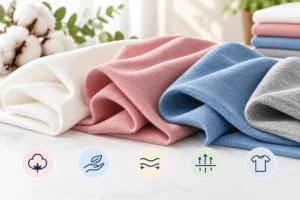
The cotton component provides a familiar hand feel and absorbs moisture, while elastane helps the fabric extend during movement and recover afterward.
Its performance is not determined by composition alone. A lightweight cotton elastane jersey and a dense cotton elastane interlock may feel and behave very differently, even when their fiber percentages are similar.
Cotton Lycra is worth considering when a garment needs:
A soft, cotton-rich feel against the skin.
Flexibility for bending, stretching, or everyday movement.
A comfortable fit for casual or low-impact activities.
A fabric suitable for fitted silhouettes.
An option for custom printed lifestyle and athleisure collections.
It may be less suitable when rapid drying, intensive moisture management, or engineered compression is the primary requirement.
Cotton Lycra vs Polyester Spandex for Activewear
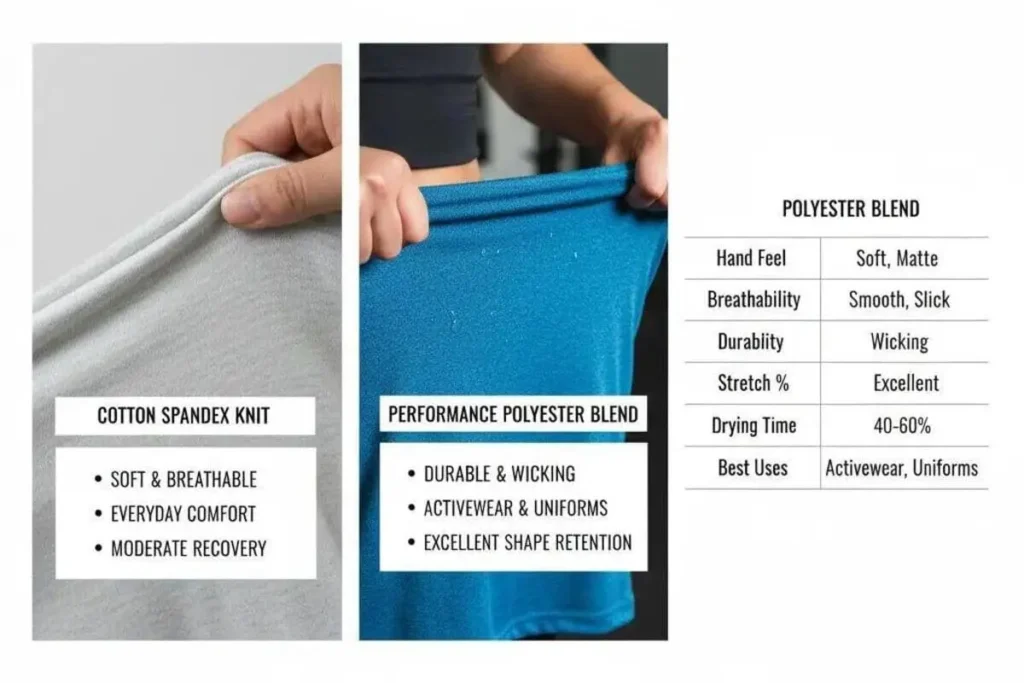
Cotton Lycra and polyester spandex both contain elastic fibers, but their dominant fibers influence how they manage moisture and feel during wear.
| Feature | Cotton Lycra | Polyester Spandex |
|---|---|---|
| Main fiber | Cotton | Polyester |
| Hand feel | Often soft and cotton-like | Varies from smooth to textured |
| Moisture absorption | Cotton absorbs moisture readily | Polyester fibers absorb relatively little moisture |
| Drying behavior | May dry more slowly after becoming wet | Often dries faster with suitable fabric construction |
| Stretch | Depends on elastane content and construction | Depends on elastane content and construction |
| Stretch recovery | Must be evaluated for the actual fabric | Must be evaluated for the actual fabric |
| Common applications | Yoga-inspired apparel, casual leggings, fitted tops, athleisure | Running apparel, gym wear, performance leggings, sportswear |
| Custom printing | Cotton-compatible printing systems may be used | Polyester-compatible printing systems may be used |
Stretch, Recovery, Breathability and Moisture Management
These properties are often discussed together, but they describe different aspects of fabric performance.
Stretch and Stretch Recovery
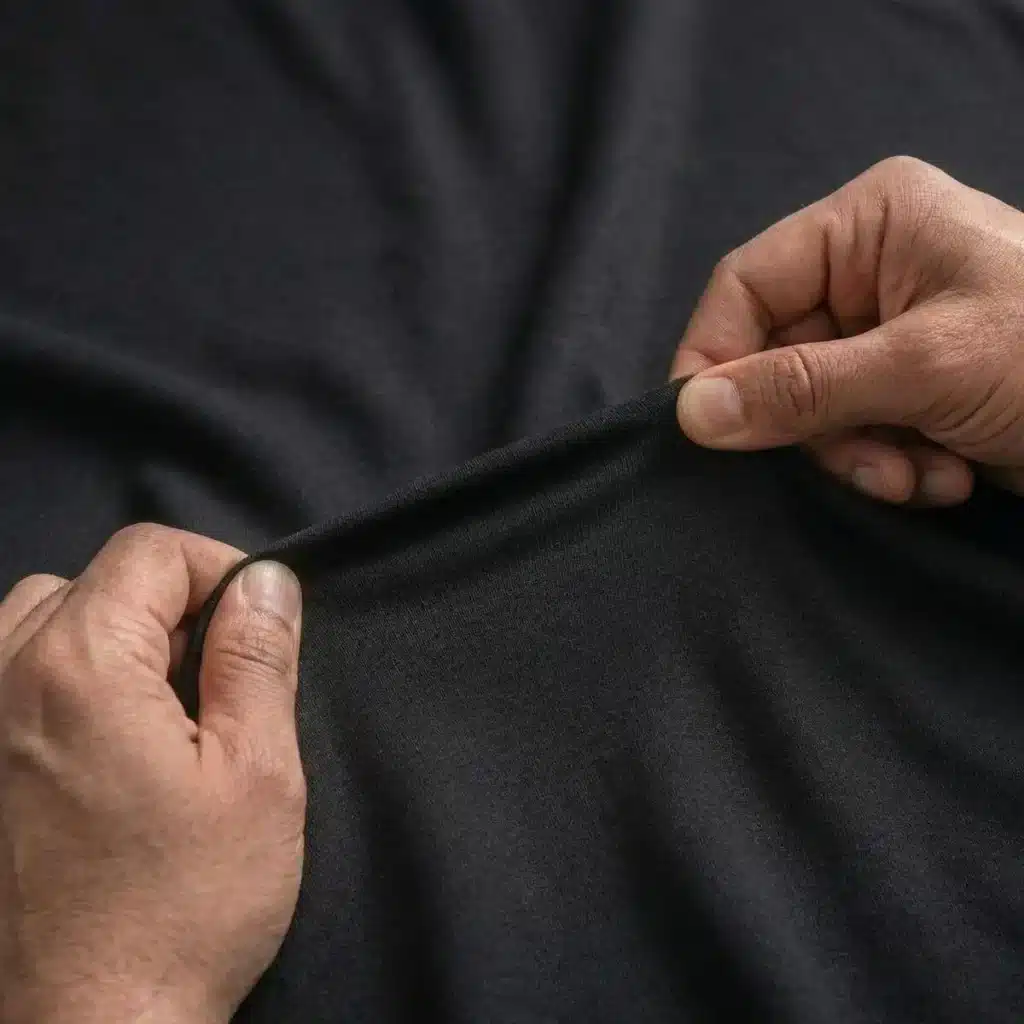
Stretch refers to how far a fabric extends under force. Stretch recovery describes how well it returns toward its original dimensions when that force is removed.
Both matter for activewear.
For knitted fabrics requiring low-power stretch performance, ASTM D2594/D2594M-21 provides a standardized approach to evaluating fabric stretch and growth. The appropriate test method should be selected according to the garment’s performance requirements.
A fabric may stretch comfortably during a yoga pose but still develop bagging at the knees or seat if its recovery is inadequate for the garment design.
The performance of Cotton Lycra depends on factors including:
Elastane percentage and yarn construction.
Knit structure and density.
Stretch direction.
Fabric finishing and heat exposure.
Repeated extension and laundering.
For fitted garments, evaluate the actual fabric under realistic movement rather than relying only on a stated elastane percentage.
Breathability Is Not the Same as Moisture Wicking
Breathability generally concerns the movement of air or moisture vapor through a textile. Moisture wicking concerns the movement of liquid moisture through or along a fabric.
Cotton can absorb perspiration, but absorption does not necessarily mean that moisture moves rapidly away from the skin or evaporates quickly.
For performance evaluation, the AATCC moisture management testing methods distinguish between properties such as absorbency, liquid moisture management, wicking, and drying behavior.
During light activity, a cotton-rich knit may feel comfortable. During intense exercise, retained moisture may make the garment feel heavier or wetter.
This distinction is important when choosing fabrics for running, high-intensity training, or prolonged outdoor activity.
Support and Compression
A stretchy fabric does not automatically provide effective compression or muscular support.
Compression performance depends on fabric tension, stretch behavior, garment pattern, fit, and construction.
If a clothing brand requires a defined compression level, that requirement should be evaluated through garment-level design and testing rather than inferred from Cotton Lycra composition.
Best Activewear Applications for Cotton Lycra
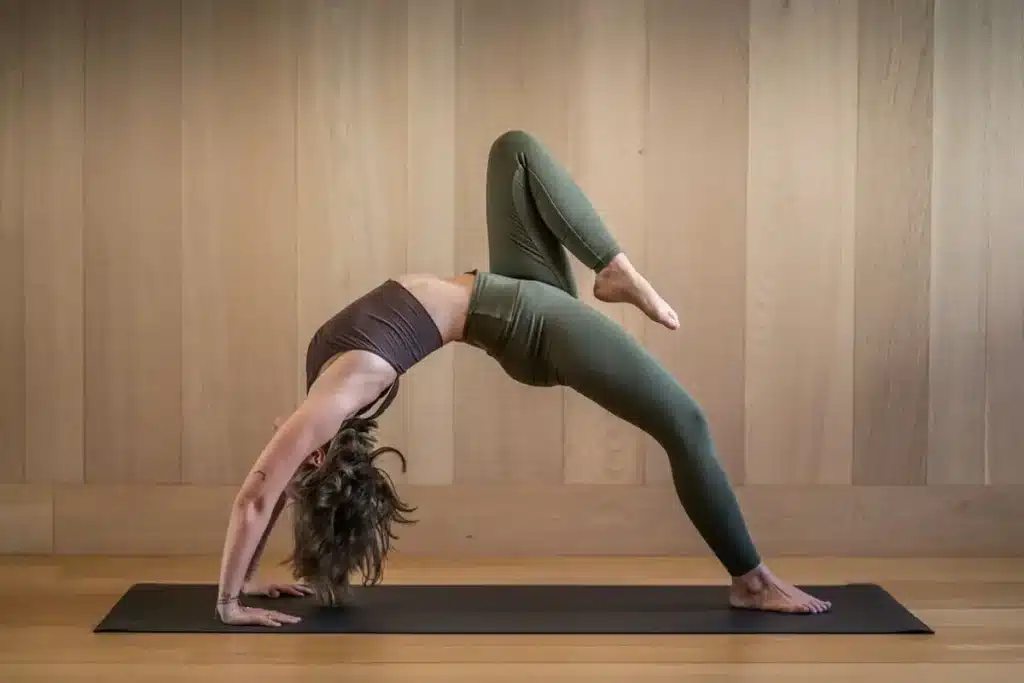
The most suitable application depends on the fabric’s actual properties and the intended intensity of use.
| Garment or Activity | Suitability | Main Consideration |
|---|---|---|
| Yoga and stretching | Often suitable | Stretch direction, recovery, opacity |
| Athleisure and loungewear | Often suitable | Softness, drape, comfort |
| Casual leggings | Suitable with the right construction | Coverage, recovery, knee bagging |
| Fitted tops | Often suitable | Fabric weight, fit, breathability |
| Dance and studio wear | Depends on movement requirements | Multidirectional stretch, recovery |
| Light fitness | Depends on sweat level | Moisture handling and comfort |
| Running and HIIT | Evaluate carefully | Drying speed and wet-state comfort |
| Compression sportswear | Requires specific validation | Support, pressure, garment engineering |
Yoga and Stretching Apparel
Cotton Lycra can be useful for yoga-inspired clothing because it allows flexibility while retaining a cotton-rich feel.
For fitted yoga pants, examine opacity during bending, stretch recovery after repeated movement, and the fabric’s tendency to become transparent under extension.
A sample that looks opaque on a flat table may behave differently when stretched.
Casual Leggings and Athleisure
Cotton Lycra is commonly considered for casual leggings, lounge sets, and comfortable everyday garments.
For these products, the most important questions may be whether the fabric retains its shape, feels pleasant against the skin, and provides adequate coverage.
Heavier fabric is not automatically better. The appropriate construction depends on the intended silhouette and climate.
Light Fitness and Studio Clothing
For activities involving moderate movement and limited perspiration, selected Cotton Lycra fabrics may provide a practical balance of comfort and flexibility.
However, clothing brands should still evaluate moisture behavior and drying time, especially when garments are intended for repeated workouts.
When Cotton Lycra May Not Be the Best Choice
Cotton Lycra is not necessarily the most suitable material for every activewear category.
High-Intensity Training
Running, interval training, and demanding gym sessions can generate substantial perspiration.
If rapid drying and moisture transport are essential, an appropriately engineered synthetic performance fabric may be a better starting point.
Prolonged Wet Conditions
Cotton-rich fabrics can retain absorbed moisture. For activities involving rain, heavy sweating, or extended exposure to wet conditions, this may affect comfort.
High-Compression Garments
Compression leggings and technical support garments require more than general elasticity.
Fabric extension, recovery force, pattern engineering, and fit should be specified and tested.
Specialized Technical Sportswear
Sportswear requiring particular abrasion resistance, thermal management, water resistance, or other engineered functions may need specialized materials or finishes.
The intended use should determine the material selection—not the assumption that any stretch fabric qualifies as performance sportswear.
Choosing the Right GSM and Knit Construction
GSM means grams per square meter. It describes fabric mass per unit area, not a complete measure of quality or performance.
A higher GSM fabric may provide more coverage or a substantial feel, but thickness, opacity, recovery, and comfort also depend on construction.
Common Cotton Lycra Constructions
Single Jersey
A flexible knit often considered for T-shirts, fitted tops, and casual clothing. Its drape, opacity, and recovery vary with the yarn and fabric specification.
Interlock
A double-knit construction that can provide a smoother, more substantial appearance and different stability characteristics compared with some single jerseys.
Rib Knit
A knit structure frequently used where flexibility and close fit are desired, including cuffs, neckbands, and selected fitted garments.
Fabric Selection Checklist
Before placing a production order, confirm:
Fiber composition and permitted tolerance.
Fabric weight and usable width.
Knit construction.
Stretch direction and recovery requirements.
Opacity at the expected wearing stretch.
Dimensional stability after laundering.
Colorfastness and surface durability requirements.
Sample approval and consistency expectations.
For activewear collections, requesting a physical swatch is especially valuable because hand feel, coverage, and recovery cannot be reliably judged from a product photograph.
Quality Tests Before Bulk Production
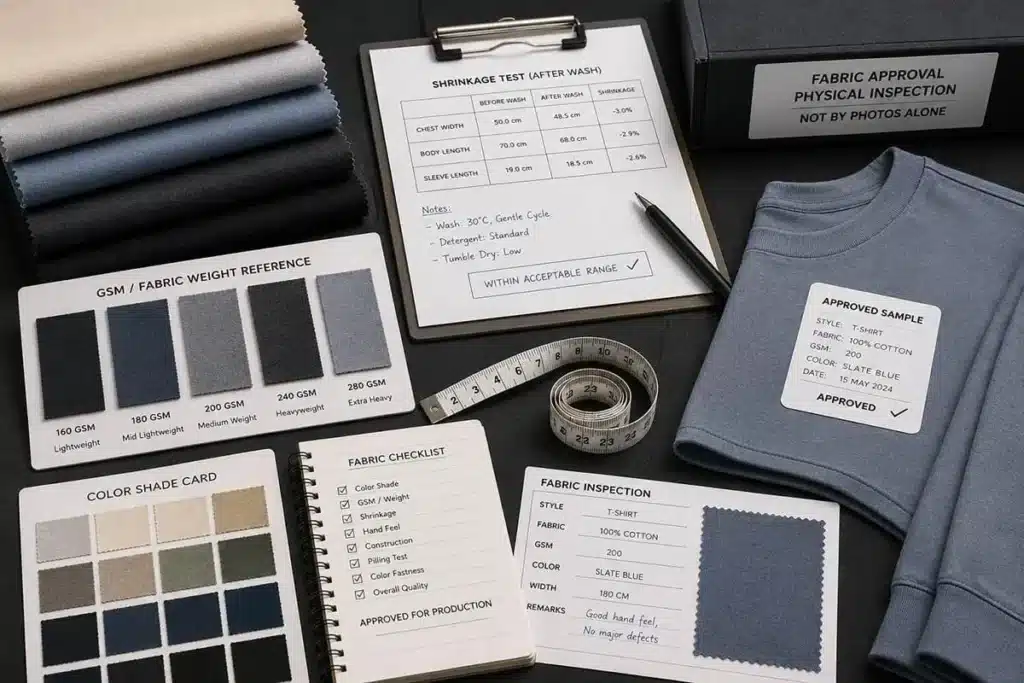
Fabric testing should reflect the intended garment and the customer’s requirements.
| Test Area | What to Check | Why It Matters |
|---|---|---|
| Stretch and recovery | Extension and return after loading | Helps assess fit retention |
| Dimensional stability | Size change after laundering | Supports consistent garment sizing |
| Colorfastness to washing | Color change and staining | Important for repeated laundering |
| Rubbing fastness | Dry and wet color transfer | Relevant to wear and handling |
| Opacity under stretch | Coverage during extension | Important for leggings |
| Pilling and abrasion | Surface change during use | Relevant to garment appearance |
| Drying and moisture behavior | Performance under intended conditions | Important for sweat-intensive activity |
Applicable methods may include relevant ASTM, AATCC, or ISO textile testing standards. The exact test method, conditions, and acceptance criteria should be agreed upon before production.
For example, AATCC TM61: Colorfastness to Laundering describes an accelerated method for evaluating how textile colors respond to laundering conditions. The test method and acceptance criteria should be confirmed with the testing laboratory before production.
A test result for one fabric should not be treated as a guarantee for a different fabric construction or production batch.
Custom Printing Considerations for Cotton Lycra Activewear
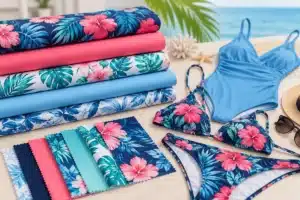
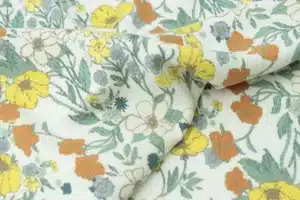
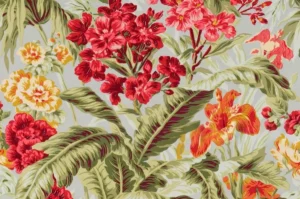
Custom printing can help clothing brands create distinctive yoga, athleisure, and lifestyle collections.
However, the fabric’s stretch behavior should be considered before finalizing printed artwork.
Large geometric motifs, fine lines, and logos may change appearance when the garment is stretched. The printing chemistry and processing conditions must also be suitable for the selected fabric.
For a custom printed activewear collection:
Confirm the base fabric before artwork approval.
Evaluate pattern scale at the intended garment dimensions.
Review printed samples in both relaxed and stretched conditions.
Check color appearance and relevant fastness requirements.
Confirm that printing and finishing do not compromise required fabric performance.
For a detailed explanation of compatible processes and artwork preparation, read our Cotton Lycra Fabric Printing Guide.
Sourcing Cotton Lycra Fabric for an Activewear Collection
For independent designers and clothing brands, the sourcing process should begin with a clear description of the intended product.
Instead of requesting only “Cotton Lycra for leggings,” specify the garment type, target fabric feel, construction, weight, stretch requirements, and expected usage conditions.
At JCWTextile, we work with custom fabric printing projects for independent designers, small businesses, and apparel brands.
When discussing a project, useful information includes:
Garment type and target market.
Preferred cotton/elastane composition.
Fabric weight and construction.
Desired printed pattern or artwork.
Required sample testing or approval.
Order quantity and destination country.
Fabric availability, printing compatibility, and production specifications should be confirmed before an order is finalized.
Developing a custom athleisure or yoga clothing collection? Contact JCWTextile to discuss fabric options, custom printing requirements, and sampling.
Final Thoughts
Cotton lycra fabric for activewear is worth considering when a clothing collection prioritizes softness, flexibility, and comfortable everyday movement.
It can work well for selected yoga, stretching, casual leggings, and athleisure applications. However, it should not automatically be treated as a substitute for specialized quick-drying or compression fabrics.
The most reliable approach is to define the garment’s performance requirements, compare fabric constructions, review physical samples, and confirm the relevant quality tests before bulk production.
For additional fabric specifications, explore our Cotton Lycra Fabric Guide, or contact JCWTextile to discuss your next custom printed fabric project.
📚 FAQ
1. Is Cotton Lycra fabric suitable for yoga wear?
Yes, selected Cotton Lycra fabrics can be suitable for yoga wear because they combine softness with stretch. Stretch recovery, opacity, and fabric construction should be checked for fitted garments.
2. Is Cotton Lycra better than polyester spandex for activewear?
Neither is universally better. Cotton Lycra may be preferred for cotton-rich softness and casual comfort, while suitable polyester spandex fabrics may be preferred when rapid drying and engineered moisture management are priorities.
3. Does Cotton Lycra wick away sweat?
Cotton absorbs moisture, but moisture absorption is not the same as efficient liquid wicking or rapid drying. Performance depends on fabric construction and any applied finishes.
4. Can Cotton Lycra be used for running clothes?
It can be used in some running garments, but cotton-rich fabrics may retain moisture during heavy sweating. For high-intensity or prolonged running, compare drying and moisture-management performance before choosing the material.
5. What GSM is best for Cotton Lycra leggings?
There is no single ideal GSM for all leggings. The appropriate weight depends on fabric construction, opacity, stretch recovery, climate, and garment design. Physical sampling is recommended.
6. Is Cotton Lycra suitable for compression activewear?
Not automatically. Compression requires defined fabric tension, recovery behavior, and garment engineering. These properties must be evaluated for the specific product.
7. Can Cotton Lycra activewear be custom printed?
Yes, compatible Cotton Lycra fabrics can be custom printed. The printing method, artwork, and finishing conditions should be selected and tested for the actual material and intended garment.