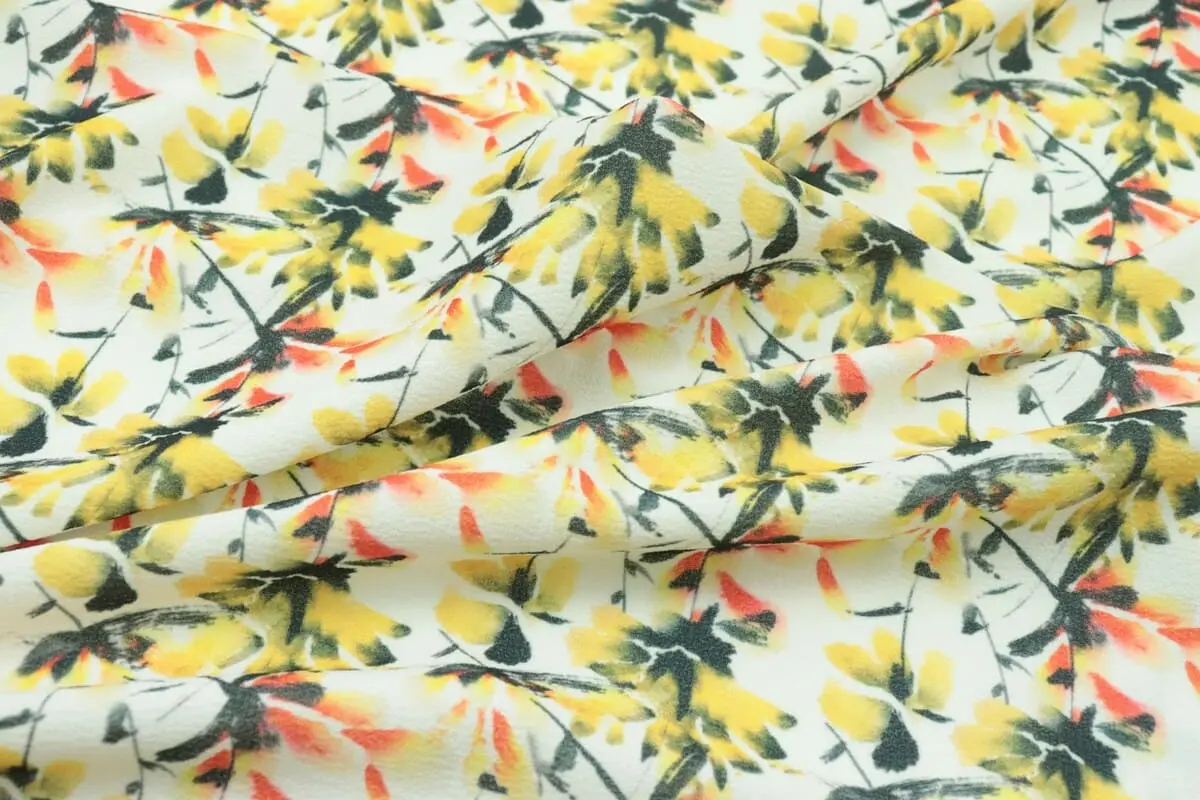
Is rayon challis breathable? Generally, rayon challis can be a comfortable choice for warm-weather clothing, especially when the fabric is lightweight and the garment has a loose, flowing design. However, breathability depends on more than fiber content. Fabric weight, weave density, finishing treatments, humidity, and garment construction all influence how comfortable a material feels.
Rayon challis is particularly popular for summer dresses, relaxed blouses, and flowing skirts because of its softness and fluid drape. But how does it compare with cotton? Does it absorb moisture? And is it suitable for hot, humid climates?
This guide examines the practical factors that affect rayon challis comfort and helps designers, sewing enthusiasts, and clothing brands select fabric for summer collections.
Table of Contents: Is Rayon Challis Breathable
Is Rayon Challis Breathable?
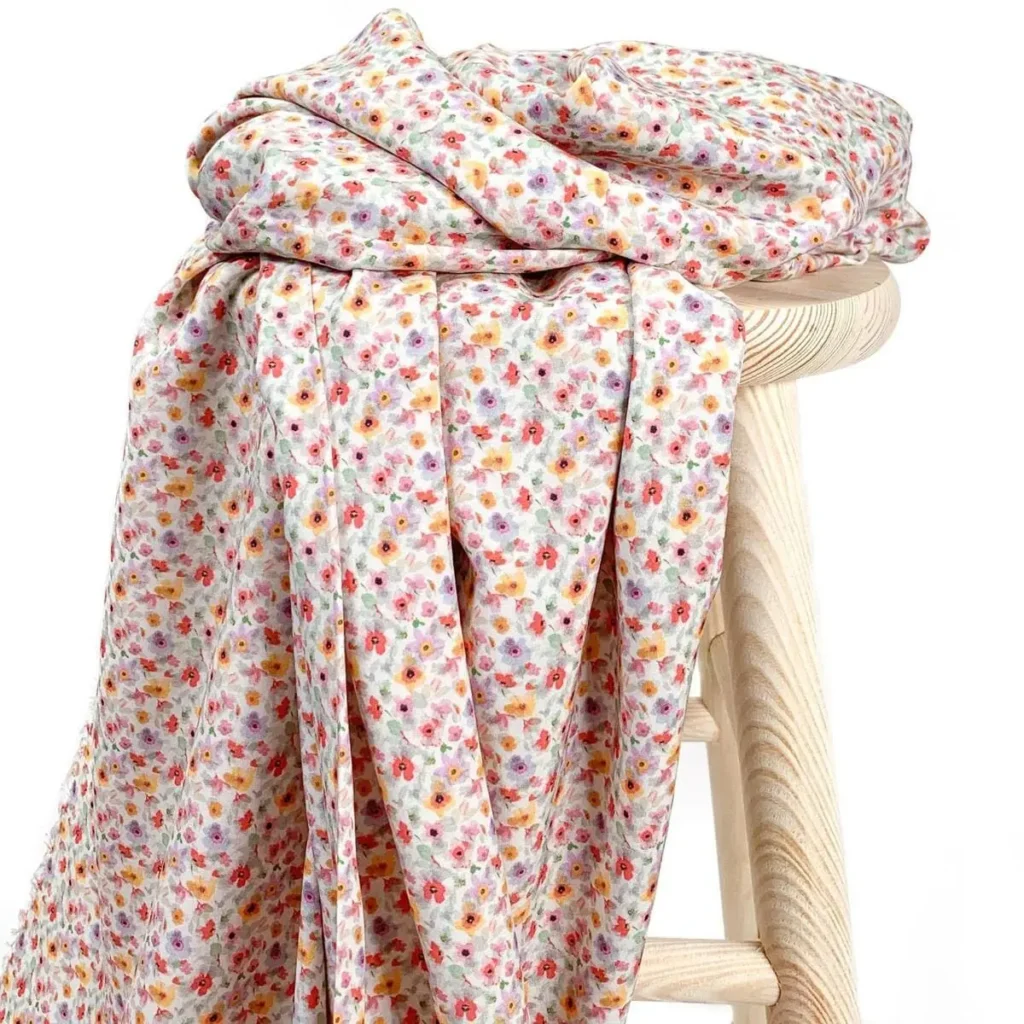
Rayon challis can allow air to move through the fabric, but its actual breathability varies from one construction to another.
Challis is typically a lightweight woven fabric with a soft hand and flexible drape. When made from viscose rayon, it combines the characteristics of regenerated cellulose fibers with a relatively fluid fabric structure.
Several factors influence breathability:
Fabric weight: Lighter fabrics may feel less substantial against the skin, although weight alone does not determine airflow.
Weave density: A tightly woven challis may allow less air movement than a more open construction.
Finishing treatments: Coatings and other finishes can change the fabric’s air permeability and surface feel.
Garment fit: Loose silhouettes generally create more space for air circulation than close-fitting designs.
Environmental conditions: Temperature, humidity, wind, and activity level affect perceived comfort.
A lightweight rayon challis blouse may feel pleasant on a warm day, while a heavily layered dress made from the same fiber could feel noticeably warmer.
The key is to evaluate the finished fabric and garment rather than assume every rayon challis material performs identically.
For a broader explanation of fiber composition and construction, read our What Is Rayon Challis Fabric? guide.
Why Rayon Challis Feels Comfortable in Warm Weather
Softness and Skin Contact
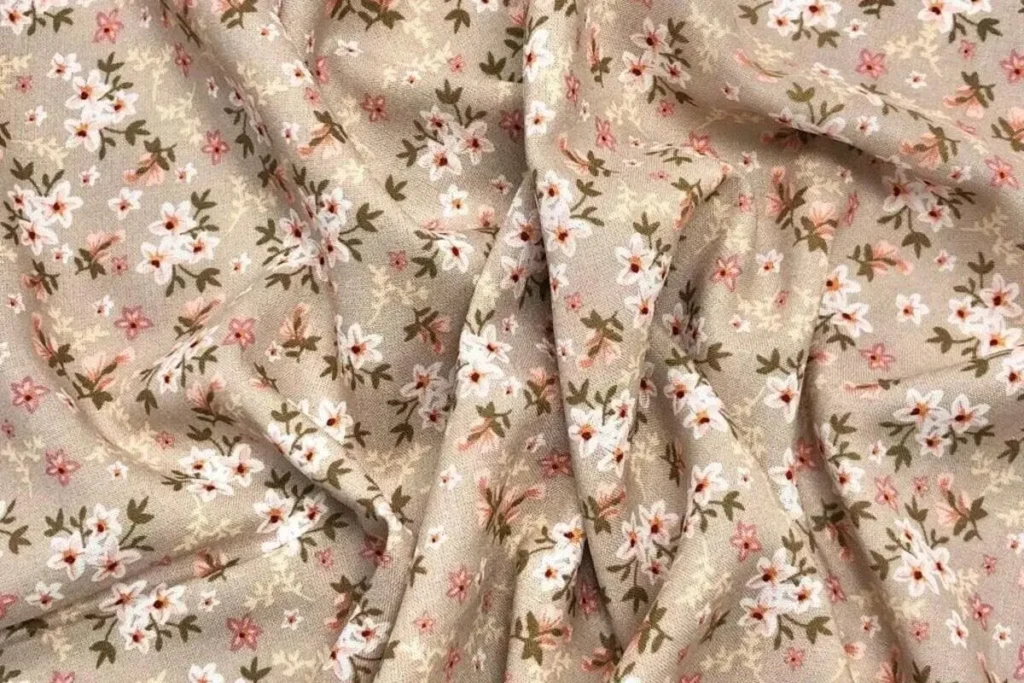
One of rayon challis’s most recognizable characteristics is its soft, smooth feel.
Compared with some crisp woven fabrics, challis tends to bend and move easily. This flexibility can make it comfortable for garments that touch the skin without needing substantial structure.
However, softness should not be confused with measured breathability. A fabric can feel exceptionally smooth while still having relatively limited airflow if its weave is dense.
Fluid Drape and Garment Movement
Rayon challis is valued for its flowing appearance.
Its drape makes it useful for gathered skirts, relaxed sleeves, wrap-style garments, and loose summer dresses. These designs can move naturally with the wearer instead of maintaining a rigid shape.
For warm-weather clothing, garment design matters. A loose-fitting rayon challis dress may provide more opportunities for ventilation than a fitted garment with multiple layers.
Designers should evaluate both the fabric’s drape and the amount of ease built into their patterns.
Lightweight Construction
Many rayon challis fabrics are relatively lightweight, making them suitable for garments intended to feel soft and flexible.
Nevertheless, lightweight does not automatically mean cool. A thin but densely constructed fabric can behave differently from a slightly heavier fabric with greater air permeability.
When sourcing materials, ask for fabric weight, usable width, composition, and samples whenever possible.
Rayon Challis vs Cotton for Summer Clothing
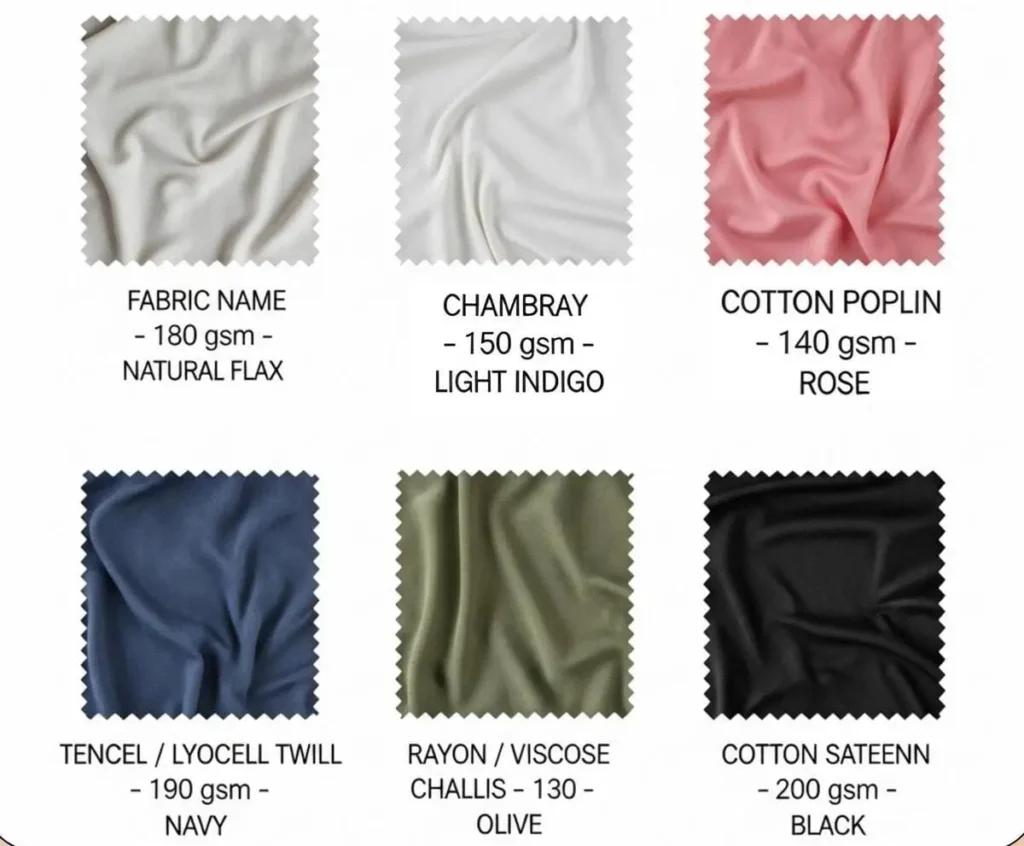
Cotton is frequently recommended for summer garments, but the comparison becomes more useful when specific fabric constructions are considered.
For example, rayon challis vs cotton poplin compares two woven fabrics with different typical handling and design characteristics.| Feature | Rayon Challis | Cotton Poplin |
|---|---|---|
| Typical hand feel | Soft, smooth, and fluid | Smooth, crisp, and relatively structured |
| Drape | Usually flowing | Usually holds shape more readily |
| Air permeability | Depends on weight, weave, and finish | Depends on weight, weave, and finish |
| Moisture absorption | Rayon fibers can absorb moisture | Cotton fibers can absorb moisture |
| Garment appearance | Soft folds and relaxed silhouettes | Defined seams and sharper shapes |
| Cutting and sewing | May shift or distort more easily | Generally more stable to handle |
| Common applications | Flowing dresses, blouses, gathered skirts | Shirts, structured dresses, uniforms |
| Care considerations | May require gentler handling | Varies by finish and construction |
Which Fabric Feels Cooler?
Neither fabric is universally cooler.
A lightweight cotton poplin shirt with a loose fit may be very comfortable in hot weather. A rayon challis dress with flowing sleeves and an open silhouette may also feel comfortable.
Differences in fabric construction, garment coverage, airflow, and moisture conditions can be more important than choosing between the words “rayon” and “cotton.”
Which Fabric Is Better for Flowing Dresses?
Rayon challis is often the stronger candidate when a designer wants soft folds and fluid movement.
Cotton poplin is frequently preferable when the design requires crisp collars, structured pleats, or a more defined silhouette.
For detailed dressmaking guidance, including cutting and sewing considerations, see our Rayon Challis Fabric for Dresses guide.
Does Rayon Challis Absorb Moisture?
Yes. Viscose rayon fibers can absorb moisture, but moisture absorption is not the same as moisture-wicking performance or quick drying.
Moisture absorption describes the ability of fibers to take up water. Moisture wicking refers to the movement of liquid moisture through a textile structure, while drying performance concerns how quickly moisture leaves the material.
These properties are related but should not be treated as interchangeable.
A rayon challis garment may absorb perspiration, yet that does not guarantee it will transport sweat away from the skin or dry rapidly.
Fabric thickness, yarn structure, finishing, and surrounding humidity can influence how the garment behaves when damp.
For clothing brands developing summer collections, testing the actual fabric is more reliable than making broad claims such as “sweat-wicking” or “quick-drying” without supporting measurements.
The Council of Fashion Designers of America (CFDA) Fiber Guide: Rayon provides useful background on viscose rayon, its manufacture, and material-care considerations.
Is Rayon Challis Good for Hot and Humid Weather?
Rayon challis can work well for relaxed warm-weather garments, but comfort in humid conditions is not guaranteed.
In high humidity, moisture evaporates more slowly. A garment that absorbs perspiration may remain damp longer, depending on its construction and the surrounding environment.
This can affect how the fabric feels against the skin.
For hot and humid climates, consider the following:
Choose an appropriate fabric weight rather than automatically selecting the thinnest option.
Avoid unnecessarily dense linings or multiple layers.
Use relaxed silhouettes that allow movement and ventilation.
Test the fabric’s opacity and behavior after moisture exposure.
Evaluate comfort under realistic conditions before approving a production order.
For brands selling into different climates, sample garments can reveal practical differences that fabric specifications alone may not capture.
A loose rayon challis blouse may be suitable for casual summer wear, but it should not automatically be marketed as high-performance activewear.
Best Summer Garments for Rayon Challis

Rayon challis is particularly useful when the design emphasizes softness and movement rather than rigid structure.
Relaxed Summer Blouses
Loose blouses can take advantage of rayon challis’s soft hand and drape. Simple necklines, flowing sleeves, and relaxed fits are common choices.
Button plackets and other stress points may need suitable reinforcement.
Flowing Midi and Maxi Dresses
Rayon challis is well suited to many gathered, wrap-inspired, and softly shaped dresses.
Designers should consider the fabric’s opacity, seam stability, and any lining requirements.
Gathered Skirts
Soft gathered skirts benefit from the fabric’s ability to form flowing folds without the pronounced stiffness associated with some shirting fabrics.
Pattern fullness and fabric weight still influence the finished silhouette.
Tunics and Loose-Fitting Tops
Relaxed tunics can be another useful application, particularly when the pattern does not depend on sharp tailoring or substantial structure.
For more detailed sewing and dress-design advice, visit our Rayon Challis Dressmaking Guide.
How to Choose Comfortable Rayon Challis Fabric
For small clothing brands and independent designers, comfort should be evaluated before committing to larger fabric quantities.
Check Fabric Weight and Width
Request the fabric’s GSM and usable width.
GSM helps describe the fabric’s weight per square meter, but it does not independently establish breathability or suitability for a particular garment.
Usable width affects cutting layouts, pattern placement, and material consumption.
Examine Opacity and Layering
Light-colored or lightweight fabrics may require additional consideration for opacity.
Hold a sample against light, evaluate it over different backgrounds, and check whether the finished garment will need a lining.
Remember that a lining can change both drape and thermal comfort.
Test Drape and Surface Feel
Observe how a sample hangs, folds, and moves.
A fabric that feels soft in the hand may behave differently once gathered, stitched, or combined with interfacing.
Test Printing and Finishing
For custom-printed rayon challis, evaluate print definition, color appearance, fabric hand, and dimensional stability.
Printing and finishing processes can affect the final material. Do not assume a printed sample will feel exactly like an unfinished base fabric.
JCWTextile supports custom fabric printing for independent designers and clothing brands. Explore Rayon Challis Fabric by the Yard when planning a printed fabric collection.
Care Tips for Summer Rayon Challis Clothing
Proper care is important because rayon fabrics can be sensitive to moisture, agitation, and heat, depending on their construction and finishing.
Always follow the specific supplier’s care instructions.
Before cutting or producing garments:
Check whether the fabric is washable or requires professional cleaning.
Test dimensional changes using an appropriate sample.
Avoid assuming that every rayon challis fabric can be machine washed.
Use suitable pressing temperatures and test on a scrap.
Consider the effects of repeated cleaning on printed colors and garment dimensions.
For commercial clothing collections, care instructions should be based on the finished material and garment.
The U.S. Federal Trade Commission’s textile labeling guidance explains fiber identification and labeling considerations relevant to textile products sold in the United States.
Final Thoughts: Is Rayon Challis a Good Summer Fabric?
Rayon challis can be an appealing option for summer clothing when softness, fluid drape, and relaxed garment shapes are priorities.
However, no single fiber name guarantees breathability, cooling performance, or moisture management. Fabric construction, garment design, and real-world testing remain essential.
For designers comparing rayon challis with cotton poplin, the best choice depends on the intended silhouette, care requirements, and wearing conditions.
If you are developing a custom-printed summer collection, explore JCWTextile’s Rayon Challis Fabric by the Yard and evaluate a suitable sample before placing your production order.
📚 Frequently Asked Questions (FAQs)
1. Is rayon challis breathable?
Rayon challis can be breathable, especially in lightweight constructions, but airflow depends on fabric weight, weave density, finishing, and garment design.
2. Is rayon challis good for summer?
Yes, rayon challis is often suitable for summer dresses, blouses, and skirts because of its soft feel and fluid drape. Actual comfort depends on the fabric and garment construction.
3. Is rayon challis cooler than cotton?
Not necessarily. Rayon challis and cotton fabrics can both be comfortable in warm weather. A meaningful comparison should consider specific constructions, such as rayon challis versus cotton poplin.
4. Does rayon challis absorb sweat?
Viscose rayon fibers can absorb moisture, including perspiration. However, moisture absorption does not automatically mean the fabric is moisture-wicking or quick-drying.
5. Is rayon challis suitable for humid weather?
It can be suitable for loose-fitting garments in humid weather, but drying and comfort depend on fabric construction, garment design, and environmental conditions.
6. Is rayon challis or cotton poplin better for dresses?
Rayon challis is often preferred for soft, flowing dresses, while cotton poplin is commonly selected for designs requiring a crisper, more structured appearance.