Introduction
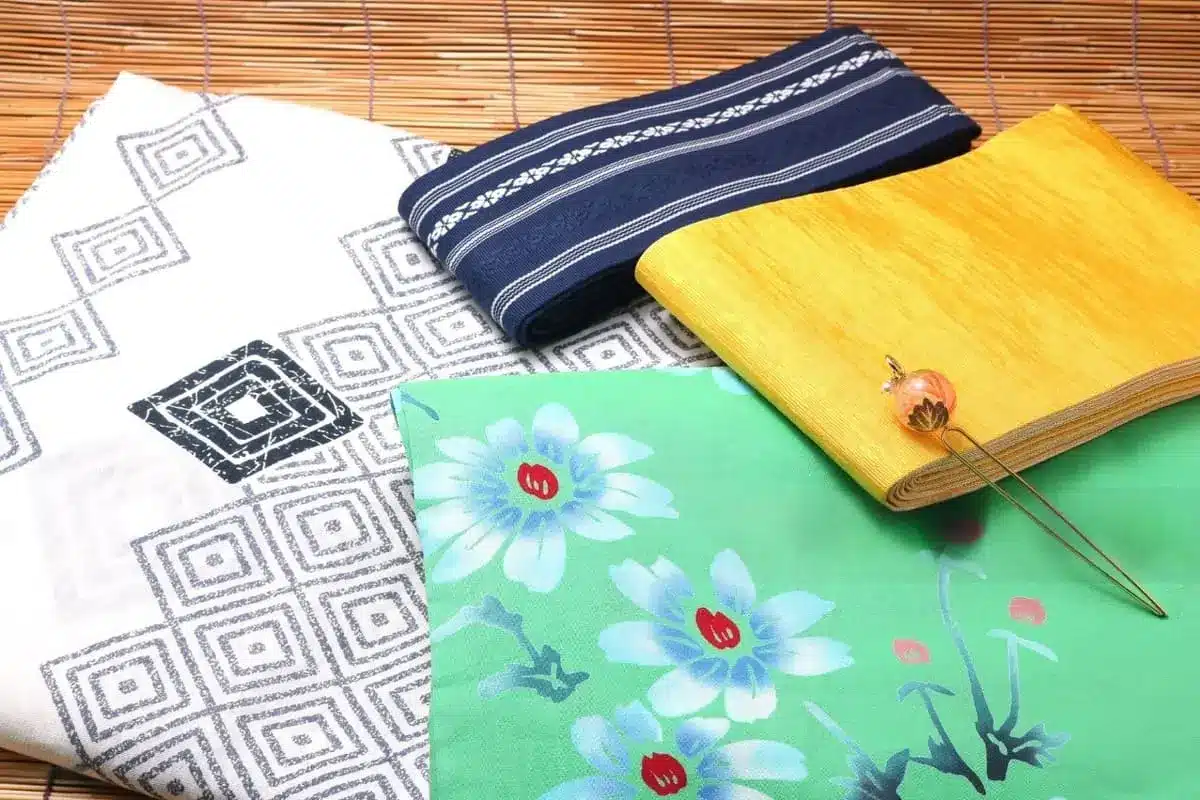
Bamboo fabric has become an increasingly popular textile choice for brands looking for soft, breathable, and sustainable materials. With modern digital textile printing technology, bamboo fabrics can now be transformed into unique custom textiles featuring detailed patterns, colors, illustrations, and brand designs.
Bamboo fabric printing allows fashion designers, baby product brands, home textile companies, and creative businesses to develop customized bamboo textiles that combine comfort, functionality, and visual appeal.
Known for its silky-soft texture and excellent moisture absorption, bamboo fabric is especially suitable for products that require a gentle feel against the skin, including baby blankets, clothing, and premium lifestyle textiles.
At JCWTextile, we provide custom fabric printing solutions with various natural and sustainable fabric options, helping designers and brands create unique printed bamboo textiles for global markets.
Learn more about our complete custom fabric printing process from artwork preparation to finished textiles.
What Is Bamboo Fabric Printing?
Bamboo fabric printing is the process of applying custom designs, patterns, artwork, or colors onto bamboo-based textiles using advanced textile printing technologies.
Unlike plain bamboo fabrics, printed bamboo textiles allow brands to create:
- Custom patterns
- Floral designs
- Brand graphics
- Repeating textile patterns
- Personalized artwork
- Seasonal collections
Modern digital textile printing makes it possible to produce highly detailed designs while maintaining the softness and natural characteristics of bamboo fabrics.
Because bamboo fibers have a smooth surface and excellent dye absorption properties, they can achieve attractive color reproduction and comfortable fabric performance.
Why Choose Bamboo Fabric for Custom Printing?
Bamboo fabrics offer several advantages for brands developing premium textile products.
Compared with other natural fabrics, bamboo provides a unique soft texture, while cotton fabric printing remains one of the most widely used solutions for apparel, home textiles, and custom textile products.
1. Extremely Soft and Comfortable
One of the biggest advantages of bamboo fabric is its soft hand feel.
Compared with many traditional fabrics, bamboo textiles are known for:
- Smooth texture
- Lightweight comfort
- Skin-friendly performance
- Natural softness
This makes bamboo fabric a popular choice for:
- Baby products
- Loungewear
- Underwear
- Bedding
- Premium apparel
2. Excellent Moisture Absorption
Bamboo fibers naturally absorb moisture efficiently, helping fabrics remain comfortable during everyday use.
Printed bamboo fabric is commonly used for products requiring:
- Breathability
- Temperature comfort
- Soft touch
This makes bamboo textiles suitable for warm climates and products designed for sensitive skin.
3. Sustainable Textile Option
Bamboo is widely recognized as a renewable plant resource.
Research on bamboo fibers highlights their potential applications in textile products because of their renewable characteristics and functional properties.
Many textile brands choose bamboo fabrics because they are interested in:
- Natural fiber materials
- Sustainable product development
- Eco-conscious textile collections
For brands focused on environmentally responsible materials, bamboo fabric printing can be combined with other sustainable textile strategies, including organic cotton and digital printing technologies.
Along with bamboo textiles, other natural fiber options such as
organic cotton fabric printing provide sustainable solutions for brands creating eco-conscious textile collections.
Types of Bamboo Fabrics for Custom Printing
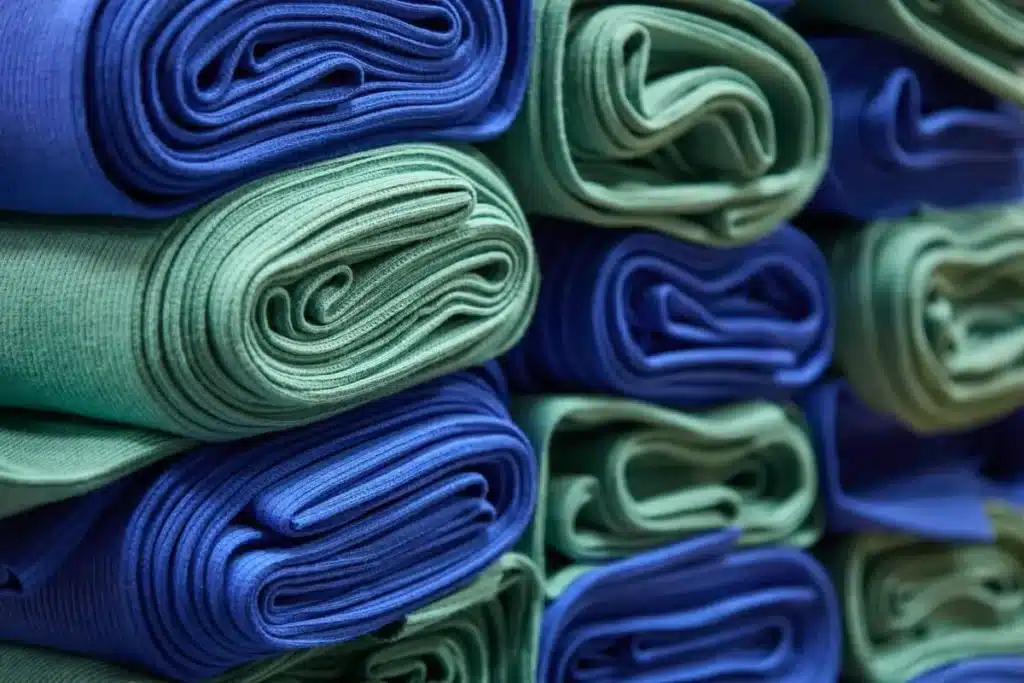
Different bamboo fabric constructions provide different textures and applications.
1. Bamboo Jersey Fabric
Bamboo jersey is a soft knitted fabric with excellent flexibility.
Common applications include:
- T-shirts
- Baby clothing
- Dresses
- Casual wear
Advantages:
- Stretch comfort
- Smooth surface
- Soft drape
Bamboo jersey is ideal for fashion brands creating comfortable everyday garments.
2. Bamboo Cotton Blend Fabric
Bamboo cotton blends combine bamboo fibers with cotton to create balanced performance.
Benefits include:
- Increased durability
- Soft texture
- Comfortable wear
Common uses:
- Baby products
- Apparel
- Lightweight textiles
This fabric type is popular among brands seeking a combination of natural softness and practical performance.
3. Bamboo Muslin Fabric
Bamboo muslin is lightweight and breathable.
It is commonly used for:
- Baby blankets
- Swaddles
- Nursery textiles
- Lightweight accessories
The smooth surface allows delicate patterns and natural-inspired designs to be printed effectively.
4. Bamboo Woven Fabric
Bamboo woven fabrics provide a structured textile surface.
They are suitable for:
- Home textiles
- Fashion products
- Decorative applications
How Does Bamboo Fabric Printing Work?
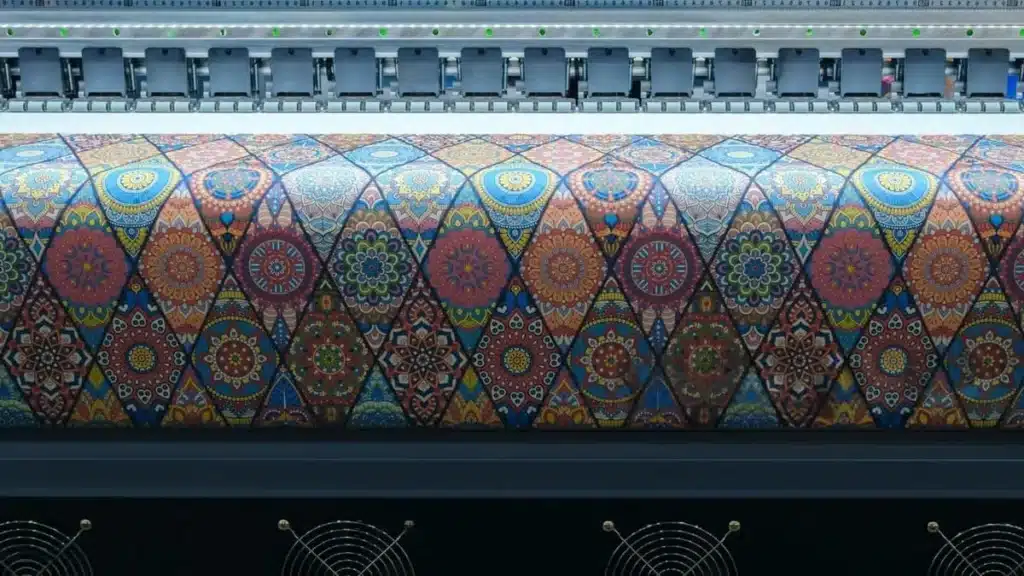
The bamboo fabric printing process usually includes several important stages.
Step 1: Design Preparation
The process begins with preparing artwork.
Recommended design requirements:
- High-resolution files
- 300 DPI artwork
- Correct color settings
- Seamless repeat patterns when required
Professional artwork preparation helps ensure accurate printing results.
Step 2: Bamboo Fabric Selection
Different products require different bamboo fabrics.
Examples:
| Product | Recommended Bamboo Fabric |
|---|---|
| Baby blankets | Bamboo muslin |
| Baby clothing | Bamboo jersey |
| Apparel | Bamboo cotton blend |
| Home textiles | Bamboo woven fabric |
Step 3: Digital Textile Printing
Digital printing transfers designs directly onto bamboo fabric using specialized textile printers.
Advantages include:
- Detailed patterns
- Unlimited colors
- Flexible quantities
- Faster sampling
- Reduced setup requirements
Compared with traditional printing methods, digital printing is especially suitable for customized bamboo textiles and small-batch production.
Step 4: Color Fixation and Finishing
After printing, fabrics go through finishing processes to improve performance.
These may include:
- Color fixation
- Drying
- Washing tests
- Quality inspection
Important quality factors include:
- Color fastness
- Print clarity
- Fabric softness
- Durability
Digital Bamboo Fabric Printing vs Traditional Printing
Digital Bamboo Fabric Printing
Best for:
- Custom designs
- Small brands
- Personalized products
- Complex artwork
Advantages:
✓ No screen preparation
✓ Unlimited design options
✓ Suitable for small quantities
✓ High-detail printing
Traditional Printing
Best for:
- Large production runs
- Simple repeated designs
Advantages:
✓ Efficient for high-volume manufacturing
✓ Lower cost at large quantities
For customized bamboo textiles, digital printing provides greater flexibility for designers and emerging brands.
Applications of Custom Printed Bamboo Fabric
Bamboo textiles are used across multiple industries.
Bamboo textiles are used across multiple industries, creating a wide range of custom printed fabric applications for fashion, baby products, home textiles, and lifestyle products.
Baby Products
Bamboo fabric is especially popular for:
- Baby blankets
- Swaddles
- Baby clothing
- Nursery textiles
Because of its softness and breathable properties, bamboo fabric for baby products has become a popular choice for brands creating comfortable nursery textiles.
The soft texture and breathable properties make bamboo a preferred material for many baby product manufacturers.
Fashion Apparel
Printed bamboo fabrics are used for:
- Dresses
- Shirts
- Loungewear
- Activewear
Designers choose bamboo textiles for comfortable garments with premium feel.
Home Textiles
Custom bamboo fabrics can be used for:
- Bedding
- Pillow covers
- Decorative textiles
- Household products
Accessories
Bamboo printed textiles can also be applied to:
- Scarves
- Lightweight accessories
- Lifestyle products
Bamboo Fabric Printing for Sustainable Brands
Many modern textile brands are searching for materials that combine design flexibility with responsible production.
Bamboo fabric printing supports sustainable product development by offering:
- Natural fiber options
- Custom production
- Reduced inventory risk
- Digital printing efficiency
Brands can combine bamboo textiles with:
- Organic cotton fabrics
- Eco-friendly printing methods
- Small-batch manufacturing
to create differentiated textile collections.
For brands interested in environmentally responsible production methods, sustainable digital fabric printing can help reduce waste while supporting customized textile production.
Brands developing responsible textile collections can refer to organizations promoting sustainable material standards and industry practices.
Why Choose JCWTextile for Bamboo Fabric Printing?
JCWTextile helps brands develop custom printed bamboo textiles through professional fabric printing services.
Custom Design Support
Customers can:
- Upload their own artwork
- Select bamboo fabric options
- Request samples
- Create unique textile designs
Flexible Production Quantities
Digital printing supports:
- Small brands
- Independent designers
- Growing businesses
- Wholesale projects
This makes bamboo textiles suitable for brands looking for small quantity custom fabric printing without large production commitments.
Multiple Sustainable Fabric Options
JCWTextile provides various fabric choices including:
- Bamboo fabrics
- Organic cotton
- Cotton blends
- Other custom textiles
Global Textile Manufacturing Support
JCWTextile supports customers worldwide with:
- Fabric printing
- Quality control
- Textile consultation
- International shipping
Conclusion
Bamboo fabric printing provides brands with an opportunity to create unique textiles that combine softness, comfort, sustainability, and custom design possibilities.
From baby products and fashion apparel to home textiles and lifestyle products, printed bamboo fabrics offer versatile solutions for modern textile businesses.
By selecting the right bamboo fabric type and professional printing partner, brands can transform creative ideas into high-quality custom bamboo textiles.
📚 Frequently Asked Questions (FAQs)
1. What is bamboo fabric printing?
Bamboo fabric printing is the process of applying custom designs, patterns, or artwork onto bamboo textiles using digital or traditional textile printing methods.
2. Is bamboo fabric suitable for digital printing?
Yes. Bamboo fabrics can be printed using digital textile printing technology to create detailed designs with vibrant colors and excellent pattern accuracy.
3. What types of bamboo fabrics can be custom printed?
Common printable bamboo fabrics include bamboo jersey, bamboo cotton blends, bamboo muslin, and bamboo woven fabrics.
4. What products use printed bamboo fabric?
Printed bamboo fabrics are commonly used for baby products, clothing, bedding, home textiles, accessories, and lifestyle products.
5. Is bamboo fabric environmentally friendly?
Bamboo is considered a renewable plant resource, and bamboo textiles are often selected by brands developing sustainable textile collections.
6. Can I order small quantities of custom bamboo fabric?
Yes. Digital textile printing allows flexible production quantities, making custom bamboo fabric suitable for small brands, designers, and personalized projects.
7. What artwork files are needed for bamboo fabric printing?
High-resolution artwork files, preferably 300 DPI with suitable color settings, are recommended for professional bamboo fabric printing.