Introduction
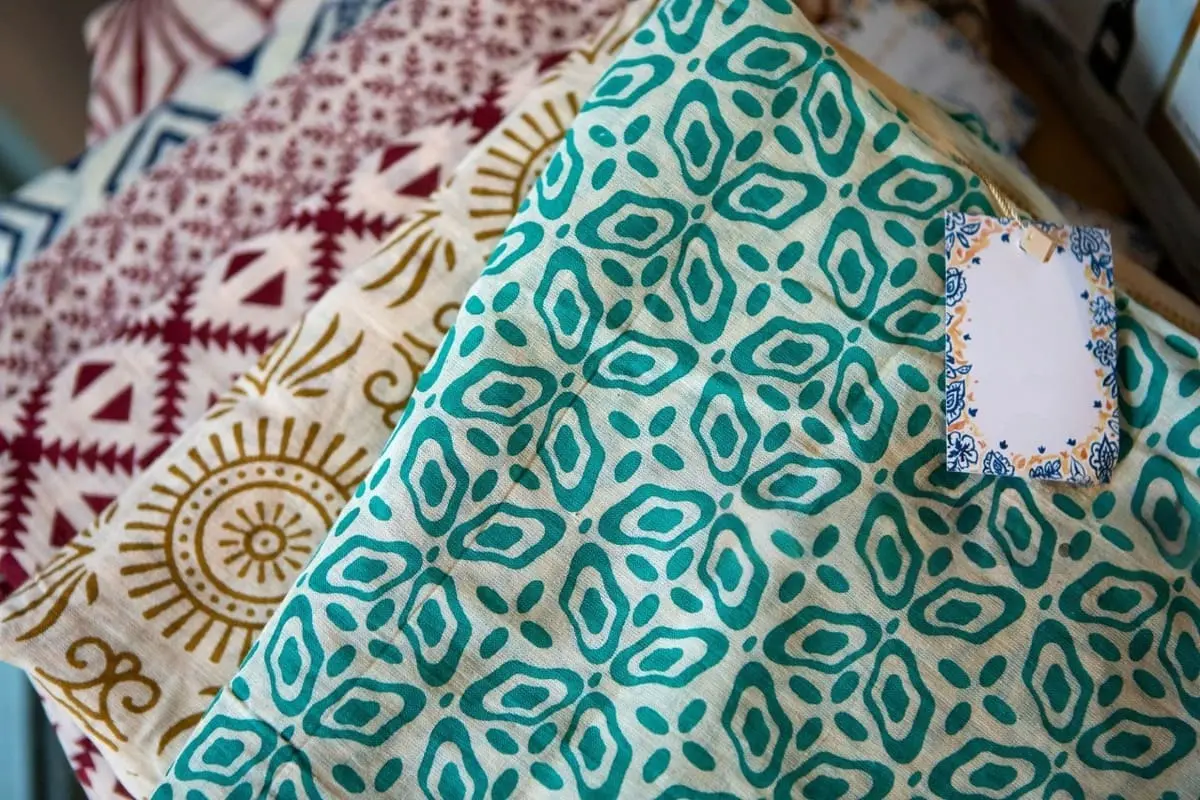
Cotton fabric has been one of the most widely used textile materials for centuries because of its softness, breathability, durability, and versatility. With modern digital textile printing technology, cotton fabrics can now be transformed into unique custom textiles featuring detailed patterns, artwork, logos, and personalized designs.
Cotton fabric printing allows fashion designers, clothing brands, home textile companies, and creative businesses to produce custom printed fabrics that match their specific product requirements.
From printed cotton jersey for apparel to cotton canvas for bags and home décor, cotton remains one of the most flexible choices for custom textile production.
At JCWTextile, we provide custom fabric printing solutions with various cotton fabric options, supporting designers, brands, and businesses worldwide with flexible production quantities and professional textile printing services.
Learn more about our complete custom fabric printing process, from artwork preparation to finished textiles.
Table of Contents:cotton fabric printing
What Is Cotton Fabric Printing?
Cotton fabric printing is the process of applying colors, patterns, images, or artwork onto cotton textiles using specialized printing techniques.
Unlike solid-colored dyed fabrics, printed cotton fabrics allow manufacturers and designers to create:
- Floral patterns
- Geometric designs
- Brand logos
- Repeated textile patterns
- Custom illustrations
- Photography-based designs
Modern digital printing technology makes it possible to produce highly detailed designs with excellent color accuracy while supporting both small-batch and larger production requirements.
Learn more about cotton textile printing processes and preparation requirements from CottonWorks™.
Cotton is especially suitable for printing because natural cotton fibers absorb dyes effectively, helping achieve vibrant colors and a soft fabric feel.
Why Choose Cotton Fabric for Custom Printing?
Cotton remains one of the most popular fabrics for printing because it combines comfort, performance, and design flexibility.
1. Soft and Comfortable
Cotton provides a natural soft texture that makes it suitable for:
- Clothing
- Baby products
- Bedding
- Home textiles
Its breathable structure helps create comfortable products for everyday use.
2. Excellent Print Absorption
Cotton fibers absorb printing dyes effectively, allowing:
- Rich colors
- Sharp patterns
- Smooth gradients
- Detailed artwork
For natural fabrics such as cotton, reactive printing is commonly used because dyes chemically bond with cellulose fibers, creating strong color performance.
3. Versatile Applications
Custom printed cotton fabrics can be used for:
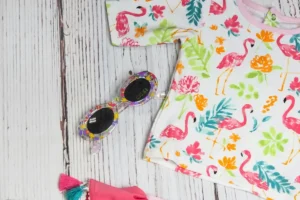
- Fashion garments
- Baby clothing
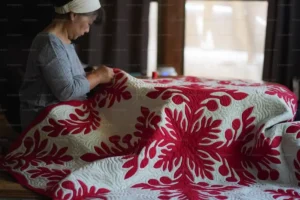
- Quilting projects
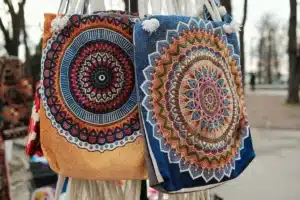
- Tote bags
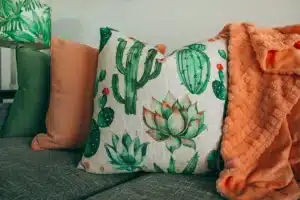
- Cushion covers
- Curtains
- Bedding products
Types of Cotton Fabrics for Custom Printing
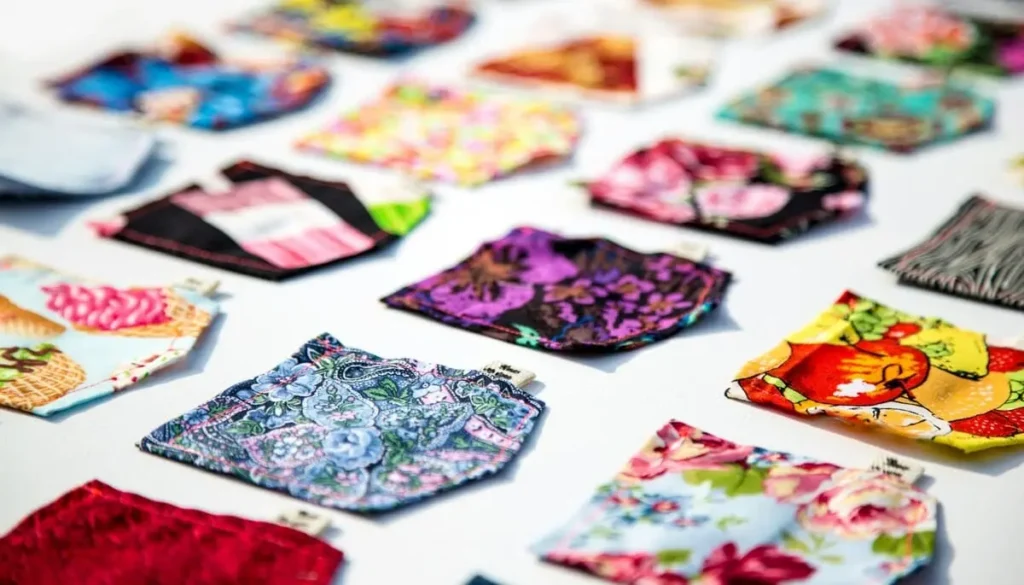
Choosing the correct cotton fabric is essential because different constructions create different textures, weights, and printing results.
1. Cotton Jersey Fabric
Cotton jersey is a knitted fabric known for:
- Soft hand feel
- Stretch comfort
- Lightweight construction
It is commonly used for:
- T-shirts
- Dresses
- Baby clothing
- Casual apparel
Digital printing works especially well on cotton jersey because it can reproduce complex patterns while maintaining fabric flexibility.
2. Cotton Canvas Fabric
Cotton canvas is a heavier woven fabric with excellent durability.
Common applications include:
- Tote bags
- Backpacks
- Home décor
- Wall art
- Craft projects
Because of its stronger structure, cotton canvas is ideal for products requiring durability and long-term use.
3. Cotton Muslin & Cotton Gauze
Cotton muslin and gauze fabrics are lightweight and breathable.
They are popular for:
- Baby blankets
- Swaddles
- Scarves
- Lightweight textiles
Their soft texture works well with:
- Watercolor patterns
- Minimal designs
- Natural-inspired prints
4. Cotton Poplin Fabric
Cotton poplin has a smooth surface and crisp appearance.
It is commonly selected for:
- Shirts
- Dresses
- Children’s clothing
- Fashion collections
Its fine weave allows detailed printing with clean pattern definition.
5. Cotton Sateen Fabric
Cotton sateen features a smooth surface with a subtle sheen.
It is suitable for:
- Premium bedding
- Luxury garments
- Decorative textiles
The smoother surface helps enhance color depth and visual quality.
How Does Cotton Fabric Printing Work?
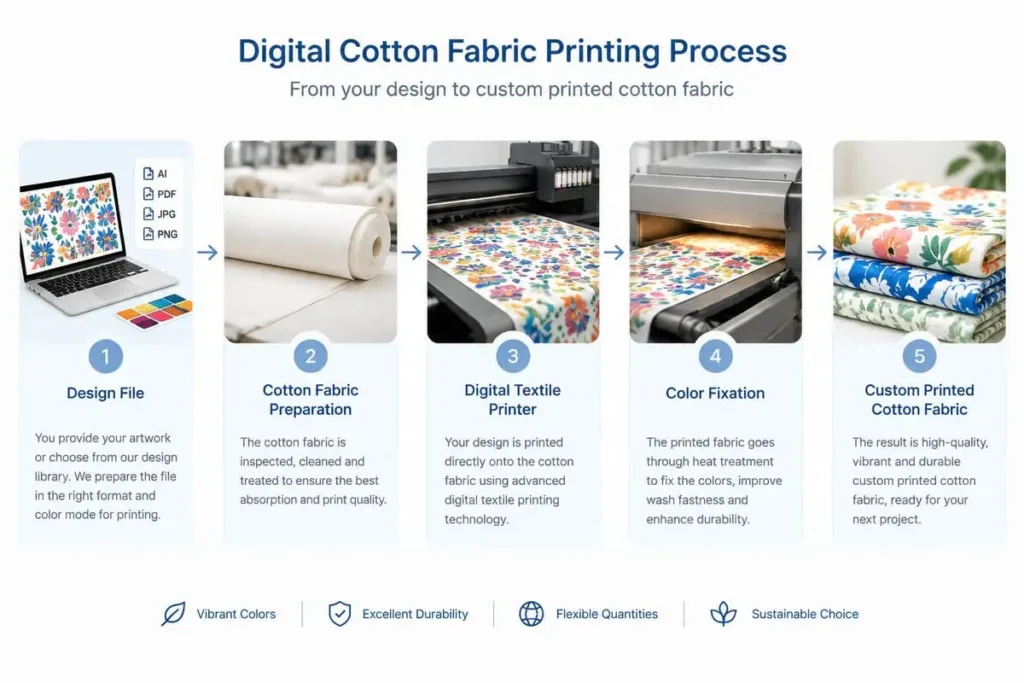
The custom cotton fabric printing process usually includes several important steps.
Step 1: Design Preparation
The process starts with preparing artwork.
Recommended design requirements:
- High-resolution files
- 300 DPI artwork
- CMYK color mode
- Seamless repeat patterns when required
Proper artwork preparation helps ensure accurate final printing results.
Step 2: Fabric Selection
Different projects require different cotton fabrics.
For example:
| Product | Recommended Cotton Fabric |
|---|---|
| T-shirts | Cotton Jersey |
| Baby products | Cotton Muslin / Gauze |
| Bags | Cotton Canvas |
| Dresses | Cotton Poplin |
| Bedding | Cotton Sateen |
Step 3: Digital Printing
Digital textile printing transfers artwork directly onto cotton fabric using specialized textile printers.
Advantages include:
- Unlimited design possibilities
- Detailed patterns
- Faster sampling
- Small-batch production
- Less setup compared with traditional printing
Digital printing is especially suitable for brands that need customized designs without large minimum orders.
Proper fabric preparation plays an important role in achieving consistent print quality. The cotton printing process includes preparation, printing, drying, and finishing stages.
Step 4: Finishing and Quality Testing
After printing, fabrics usually go through:
- Color fixation
- Washing tests
- Drying
- Quality inspection
Important performance factors include:
- Color fastness
- Fabric softness
- Print clarity
- Durability
Digital Cotton Fabric Printing vs Traditional Printing
Digital Printing
Best for:
- Custom designs
- Small production runs
- Complex artwork
- Personalized fabrics
Advantages:
✓ No screen preparation
✓ Flexible quantities
✓ Detailed images
✓ Faster sampling
Screen Printing
Best for:
- Large production volumes
- Simple designs
- Limited colors
Advantages:
✓ Cost-effective for bulk orders
✓ Strong color coverage
However, traditional methods usually require more preparation before production.
Applications of Custom Printed Cotton Fabric

Cotton printing is widely used across multiple industries.
Fashion Industry
Custom cotton fabrics are used for:
- Dresses
- Shirts
- Skirts
- Children’s clothing
- Designer collections
Fashion brands use custom prints to create unique seasonal collections.
Baby Products
Soft cotton fabrics are commonly selected for:
- Baby blankets
- Swaddles
- Nursery products
- Baby clothing
Natural cotton provides comfort and breathability.
Home Décor
Printed cotton fabrics can create:
- Cushion covers
- Curtains
- Table textiles
- Decorative accessories
Bags and Accessories
Durable cotton canvas printing is popular for:
- Tote bags
- Pouches
- Lifestyle products
Sustainability of Cotton Fabric Printing
Sustainability has become increasingly important for textile brands.
Cotton printing can support more responsible production through:
- Digital printing technologies
- Reduced material waste
- On-demand manufacturing
- Sustainable cotton options
For brands seeking organic alternatives, organic cotton fabric printing provides another option for eco-conscious product development.
You can learn more:
Why Choose JCWTextile for Custom Cotton Fabric Printing?
JCWTextile helps designers and businesses create custom printed cotton fabrics with:
Multiple Cotton Fabric Options
Including:
- Cotton jersey
- Cotton canvas
- Cotton muslin
- Cotton blends
Flexible Production
Suitable for:
- Small brands
- Independent designers
- Wholesale buyers
- Large projects
Custom Design Support
Customers can:
- Upload their artwork
- Select fabric types
- Request samples
- Develop custom textile products
Global Textile Solutions
JCWTextile supports customers worldwide with:
- Custom printing
- Fabric sourcing
- Quality control
- International shipping
Conclusion
Cotton fabric printing gives designers and brands the freedom to create unique textiles with comfort, durability, and visual impact.
From fashion apparel to baby products, home décor, and accessories, custom printed cotton fabric continues to be one of the most versatile choices in modern textile production.
By selecting the right cotton fabric type, printing method, and production partner, businesses can transform creative ideas into high-quality finished textiles.
📚 Frequently Asked Questions (FAQs)
1. What is cotton fabric printing?
Cotton fabric printing is the process of applying custom designs, patterns, or artwork onto cotton textiles using digital or traditional printing methods.
2. What cotton fabrics can be custom printed?
Common printable cotton fabrics include:
- Cotton jersey
- Cotton canvas
- Cotton muslin
- Cotton gauze
- Cotton poplin
- Cotton sateen
3. Is cotton fabric good for digital printing?
Yes. Cotton works well with digital textile printing because natural fibers absorb dyes effectively and produce detailed, vibrant designs.
4. What products use printed cotton fabric?
Printed cotton fabrics are used for:
- Clothing
- Baby products
- Bedding
- Home décor
- Bags
- Quilting projects
5. Can I order small quantities of custom printed cotton fabric?
Yes. Digital printing allows flexible production quantities, making it suitable for designers, startups, and small brands.
6. How durable is printed cotton fabric?
With proper printing processes and finishing treatments, printed cotton fabrics can provide excellent color durability and everyday performance.
7. What artwork files are needed for cotton fabric printing?
High-resolution artwork, preferably 300 DPI with suitable color settings, is recommended for professional textile printing.