Introduction
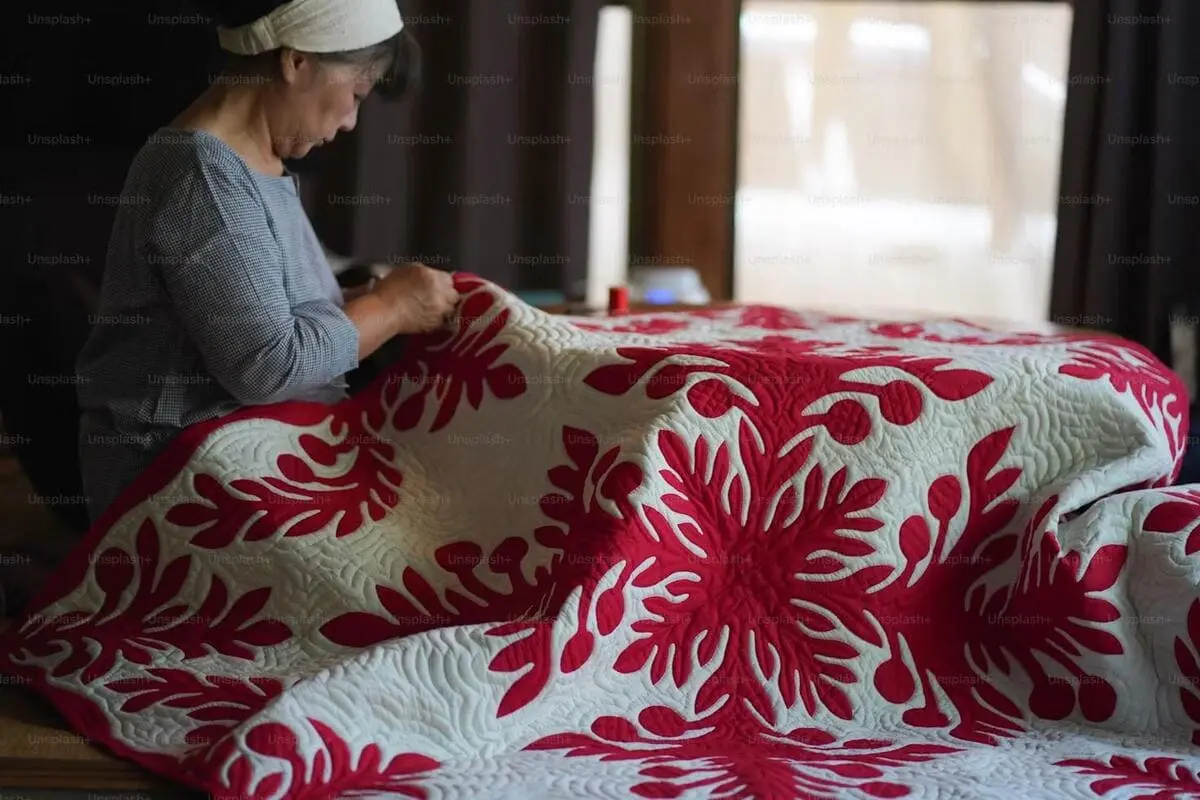
Quilting is more than sewing pieces of fabric together. It is a creative process where colors, patterns, textures, and personal stories come together to create unique textile artwork.
For many quilters, finding the perfect fabric design can be challenging. Traditional quilting fabrics often come in limited patterns, standard color combinations, and mass-produced collections. However, modern printing technology has made it possible to create completely personalized textiles.
Custom fabric printing for quilters allows creators to transform their own artwork, illustrations, photos, and patterns into high-quality quilting fabrics.
Whether you are making a personalized quilt, developing a handmade product line, creating memory quilts, or designing limited-edition textile collections, custom printed fabric provides unlimited creative possibilities.
With digital fabric printing, quilters can now:
- Create original quilt fabric designs
- Print small quantities
- Produce personalized fabrics
- Test new patterns before large production
- Choose fabrics that match specific projects
This guide explains how custom fabric printing works for quilters, the best fabrics for quilting, and how to create unique quilt fabrics from your own designs.
Table of Contents:custom fabric printing for quilters
What Is Custom Fabric Printing for Quilters?
Custom fabric printing for quilters is the process of creating personalized quilting fabrics by printing original designs directly onto fabric.
Instead of choosing from existing commercial fabric collections, quilters can upload their own artwork and create fabrics that are completely unique.
Quilters can create fabrics that are completely unique. Modern quilting communities and organizations such as the American Quilter’s Society provide education, inspiration, and resources that help quilters continue developing their creative skills.
Custom printed quilt fabrics can include:
- Hand-drawn illustrations
- Digital artwork
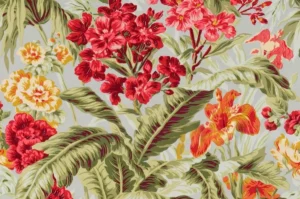
- Floral patterns
- Geometric designs
- Family photos
- Logos and branding
- Repeating patterns
- Personalized messages
Digital textile printing technology makes it possible to produce detailed designs with accurate colors and fine patterns.
The process usually includes:
- Creating or selecting a design
- Preparing the artwork file
- Choosing the right quilting fabric
- Printing the design digitally
- Reviewing the fabric sample
- Creating the final quilt project
Learn more about the complete process:
Why Quilters Choose Custom Printed Fabric
1. Create Completely Original Quilt Designs
One of the biggest advantages of custom fabric printing is creative freedom.
Instead of adapting existing fabric collections, quilters can start with their own ideas.
You can create:
- A quilt based on personal artwork
- A fabric collection with matching colors
- A themed quilt for special occasions
- A unique pattern unavailable in stores
For professional quilters and handmade businesses, original fabric designs can help create products that stand out from mass-produced alternatives.
2. Make Personalized Memory Quilts
Custom printed fabric is especially valuable for memory quilts.
Many quilters create meaningful projects using:
- Family photographs
- Children’s artwork
- Travel memories
- Special illustrations
- Personalized messages
Digital fabric printing allows these memories to become part of a physical textile product.
Examples include:
- Baby milestone quilts
- Wedding quilts
- Anniversary gifts
- Family heritage quilts
A personalized quilt fabric turns a handmade product into something truly unique.
3. Produce Limited Edition Quilt Fabrics
Many independent designers and quilting businesses do not need thousands of yards of fabric.
Traditional textile production often requires large minimum quantities, making it difficult for small creators to experiment with new designs.
Custom digital printing provides more flexibility by supporting:
- Small batch production
- Limited collections
- Test samples
- New pattern development
This allows quilters to create exclusive fabrics without committing to excessive inventory.
For small quantity production:
How to Create Your Own Quilt Fabric
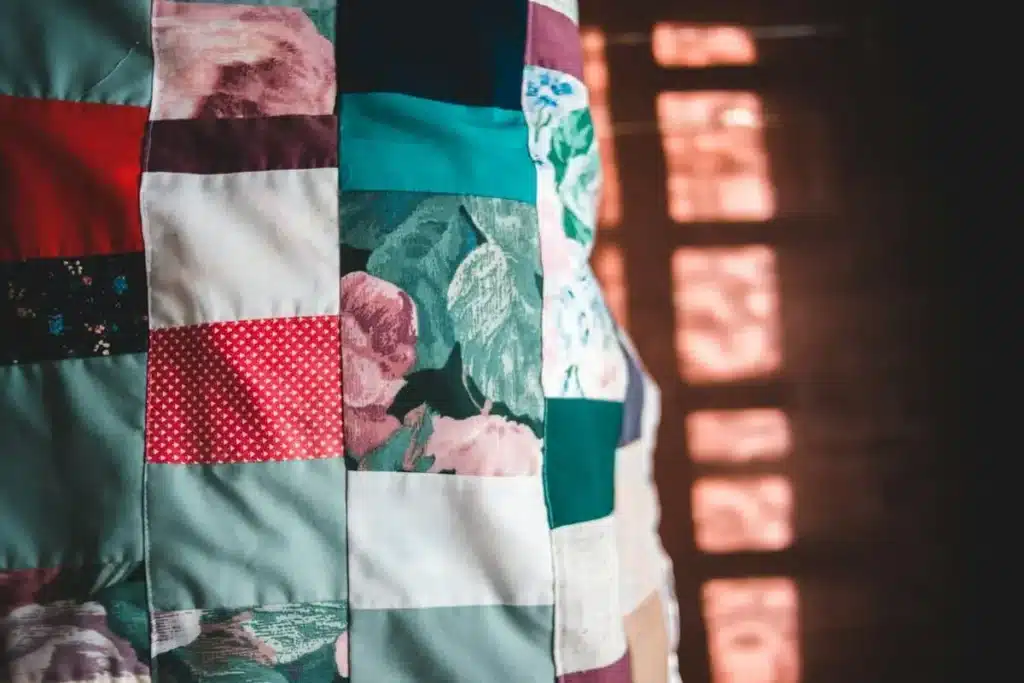
Creating custom quilt fabric is easier than many people expect.
The general workflow includes five steps.
Step 1: Create Your Quilt Fabric Design
The first step is preparing your artwork.
Design sources can include:
- Digital illustrations
- Hand-painted artwork
- Photography
- Surface pattern designs
- Brand graphics
Popular quilting patterns include:
- Floral prints
- Animals
- Abstract designs
- Traditional motifs
- Seasonal themes
For professional printing results, artwork should be prepared correctly.
Read:
Step 2: Choose the Right Fabric for Quilting
Fabric selection affects:
- Print quality
- Sewing performance
- Texture
- Final quilt appearance
Common quilting fabrics include:
Cotton Fabric
Cotton is one of the most popular choices for quilting because of its:
- Soft feel
- Easy handling
- Stable structure
- Excellent print performance
Resources from CottonWorks provide additional information about cotton fiber characteristics and textile applications.
Cotton Poplin
Cotton poplin provides:
- Smooth surface
- Lightweight feel
- Sharp printed details
It is suitable for:
- Quilts
- Craft projects
- Decorative textiles
Linen Cotton Blend
Linen blends provide:
- Natural texture
- Premium appearance
- Breathable characteristics
They are suitable for:
- Artistic quilts
- Home textile projects
- Handmade products
Bamboo Cotton Fabric
Bamboo cotton fabrics offer:
- Soft texture
- Comfortable touch
- Premium feel
They are often used for:
- Baby quilts
- Soft blankets
- Lifestyle products
Explore available materials:
Step 3: Select a Printing Method
Different printing methods are suitable for different fabrics and applications.
Digital Fabric Printing
Digital printing is widely used for custom quilting fabrics because it offers:
- Detailed pattern reproduction
- Flexible quantities
- Fast design changes
- Full-color printing
It is ideal for:
- Custom quilt patterns
- Artistic designs
- Personalized fabrics
Reactive Printing
Reactive printing is commonly used for natural fabrics such as cotton.
Advantages:
- Excellent color absorption
- Soft fabric feel
- Good durability
Pigment Printing
Pigment printing works with many fabric types and provides:
- Flexible application
- Good color performance
- Efficient production
Step 4: Create a Fabric Sample
Before producing a complete project, many quilters prefer testing a sample.
A fabric sample allows you to check:
- Color accuracy
- Pattern scale
- Fabric texture
- Sewing performance
Textile organizations such as AATCC provide standardized testing methods for evaluating textile properties, including colorfastness and performance.
This is especially important for:
- Large quilt projects
- Professional collections
- Custom designs
Step 5: Start Your Quilting Project
After approving the printed fabric, you can begin creating:
- Quilts
- Wall hangings
- Handmade products
- Textile artwork
- Gifts
Custom printed fabric gives quilters complete control from the first idea to the final creation.
Best Fabrics for Custom Quilting
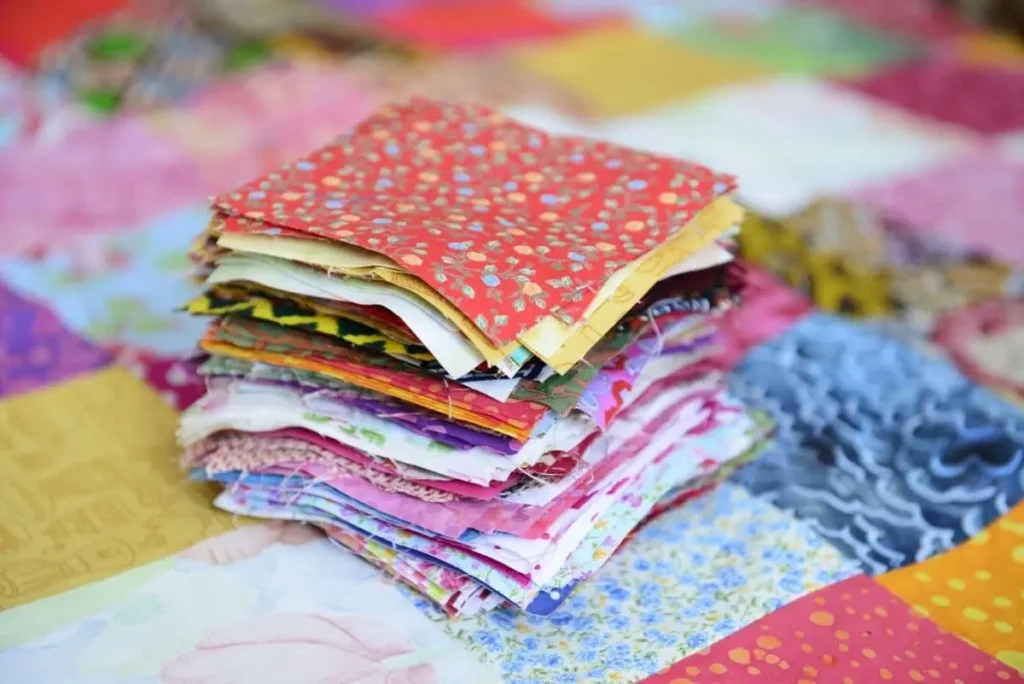
Choosing the right fabric depends on your project goals.
| Fabric | Best For |
|---|---|
| Cotton Poplin | Traditional quilting and detailed patterns |
| Cotton Canvas | Durable quilt projects |
| Linen Cotton | Premium artistic quilts |
| Bamboo Cotton | Baby quilts and soft blankets |
| Cotton Lycra | Stretch textile projects |
For most quilting applications, cotton-based fabrics remain the most popular choice because they provide an excellent balance between print quality and sewing performance.
Custom Quilt Fabric Printing Ideas
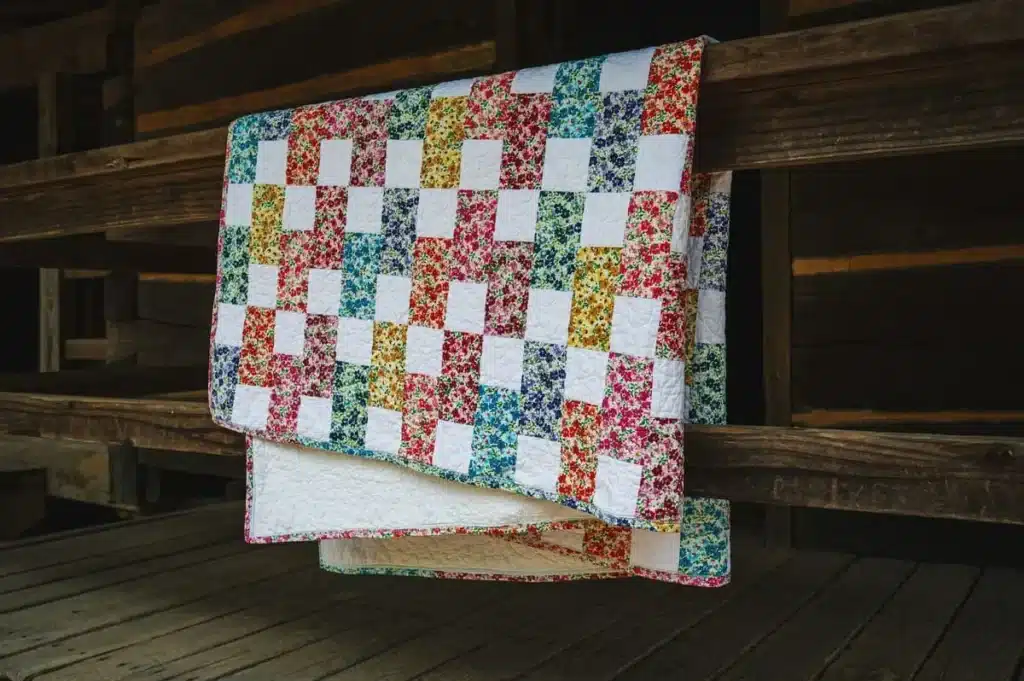
Custom printing opens many creative possibilities.
Personalized Photo Quilts
Transform meaningful photos into fabric designs.
Applications:
- Family gifts
- Memorial quilts
- Baby quilts
Handmade Business Collections
Small quilting businesses can create:
- Exclusive fabric collections
- Seasonal patterns
- Limited designs
- Boutique products
Baby Quilt Fabrics
Custom printed fabrics are ideal for:
- Nursery themes
- Animal patterns
- Name personalization
- Soft color collections
Artistic Textile Projects
Artists can use custom fabrics for:
- Textile artwork
- Decorative panels
- Creative installations
Custom Fabric Printing for Quilters vs Traditional Quilt Fabric
| Feature | Traditional Quilt Fabric | Custom Printed Quilt Fabric |
|---|---|---|
| Design Choice | Limited patterns | Unlimited designs |
| Personalization | Difficult | Fully customizable |
| Quantity | Usually fixed collections | Flexible quantities |
| Pattern Changes | Requires new collection | Easy updates |
| Unique Projects | Limited | Ideal |
Custom printing gives quilters more creative control and makes it possible to create fabrics that match a specific vision.
Is Custom Fabric Printing Suitable for Small Quilting Businesses?
Yes.
Many independent quilting businesses use custom fabric printing to create unique products without investing in large inventory.
Benefits include:
- Testing new designs
- Creating exclusive collections
- Selling personalized products
- Reducing unused stock
For Etsy sellers, handmade brands, and independent designers, custom fabric printing provides a practical way to compete with larger fabric companies.
How JCW Textile Supports Custom Quilt Fabric Printing
JCW Textile helps quilters and designers create personalized fabrics through digital textile printing.
Our services support:
- Custom artwork printing
- Small quantity orders
- Multiple fabric options
- Personalized textile designs
- Worldwide shipping
Whether you are creating one special quilt or developing a handmade textile collection, custom printing allows you to bring original ideas to life.
Start your project:
📚 Frequently Asked Questions About Custom Fabric Printing for Quilters
1. Can I print my own quilt fabric?
Yes. With custom digital fabric printing, you can upload your own artwork, photos, or patterns and create personalized quilt fabric.
2. What is the best fabric for custom quilting?
Cotton fabrics are among the most popular choices because they provide good print quality, durability, and easy sewing performance. Cotton poplin, linen blends, and bamboo cotton are also suitable depending on the project.
3. Can I order custom quilt fabric in small quantities?
Yes. Digital fabric printing supports small-batch production, making it suitable for individual quilters, designers, and small businesses.
4. How do I prepare artwork for quilt fabric printing?
Artwork should have sufficient resolution, correct colors, and suitable file formats. Professional preparation helps achieve better printing results.
5. Can I print photos on quilt fabric?
Yes. Digital printing technology allows photos and detailed images to be printed onto fabric for personalized quilt projects.
6. What file format is best for custom fabric printing?
Common formats include AI, EPS, PSD, TIFF, PNG, and high-resolution JPG files. Vector files are recommended for logos and patterns.
7. Is custom printed fabric more expensive than regular quilt fabric?
The cost depends on fabric type, printing method, quantity, and design complexity. Small-batch printing may have a higher unit cost but provides unique designs and reduces inventory risk.
Create Your Own Custom Quilt Fabric With JCW Textile
Custom quilting is about creativity, personal stories, and unique designs.
With custom fabric printing for quilters, you are no longer limited to standard fabric collections. You can transform your own ideas into professional-quality textiles.
Whether you are creating a personal quilt, developing handmade products, or building a quilting brand, custom printed fabric gives you the flexibility to design something truly original.
Start creating your custom quilt fabric today: