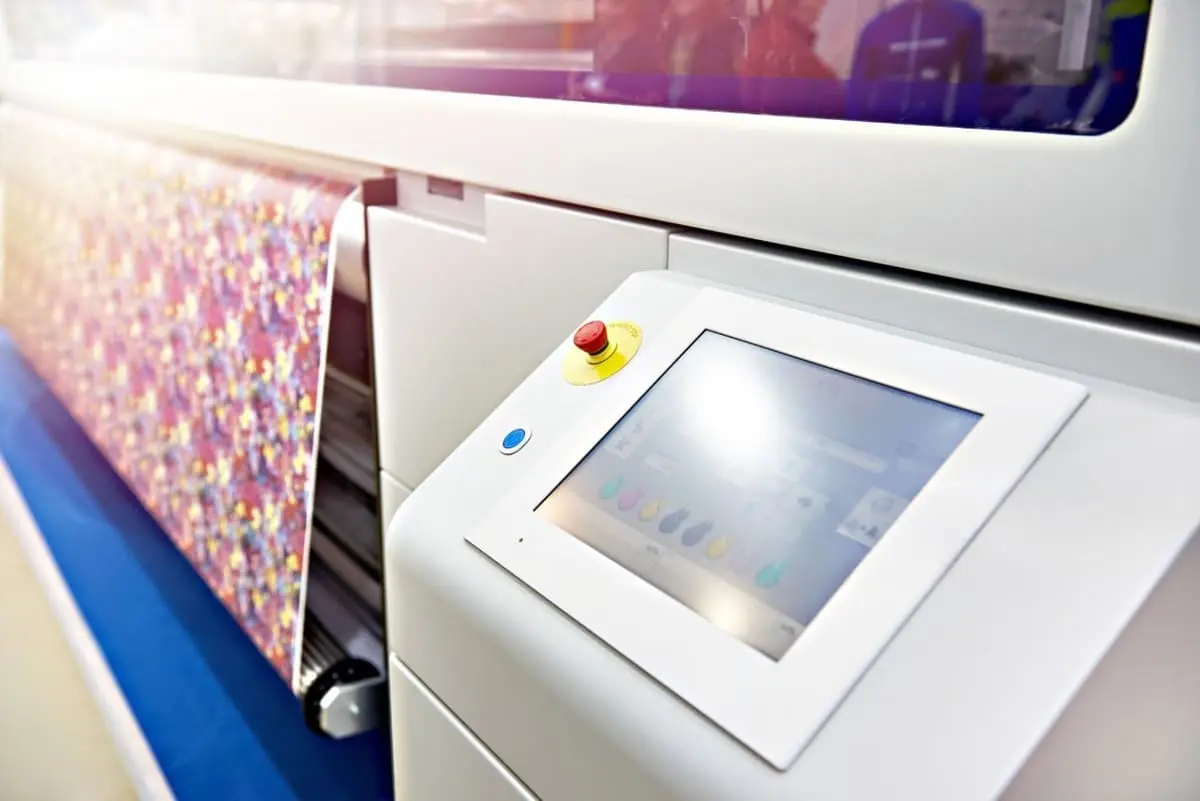
Are you ready to bring your creative ideas to life? Custom fabric printing has revolutionized the world of fashion, home décor, and accessories, allowing individuals and businesses alike to design their own unique fabrics. Whether you’re a designer looking for a custom print or someone wanting to create their own fabric for a personal project, this guide will walk you through everything you need to know about custom fabric printing.
What is Custom Fabric Printing?
Custom fabric printing is the process of applying unique designs to fabric using various printing techniques. It’s the perfect solution for anyone looking to make personalized clothing, accessories, home décor, or other fabric-based items. With advancements in technology, digital fabric printing has become increasingly popular, offering vibrant designs with high precision.
In custom fabric printing, you can choose from a variety of fabrics such as cotton, polyester, and linen, and then print any design you choose, from intricate patterns to simple logos. The possibilities are endless, whether you’re printing on fabric by the yard, for a specific project, or in bulk.
If you’re new to the world of custom fabric, you can learn more about our fabrics to find the perfect material for your print.
Choosing the Right Fabric Printing Method
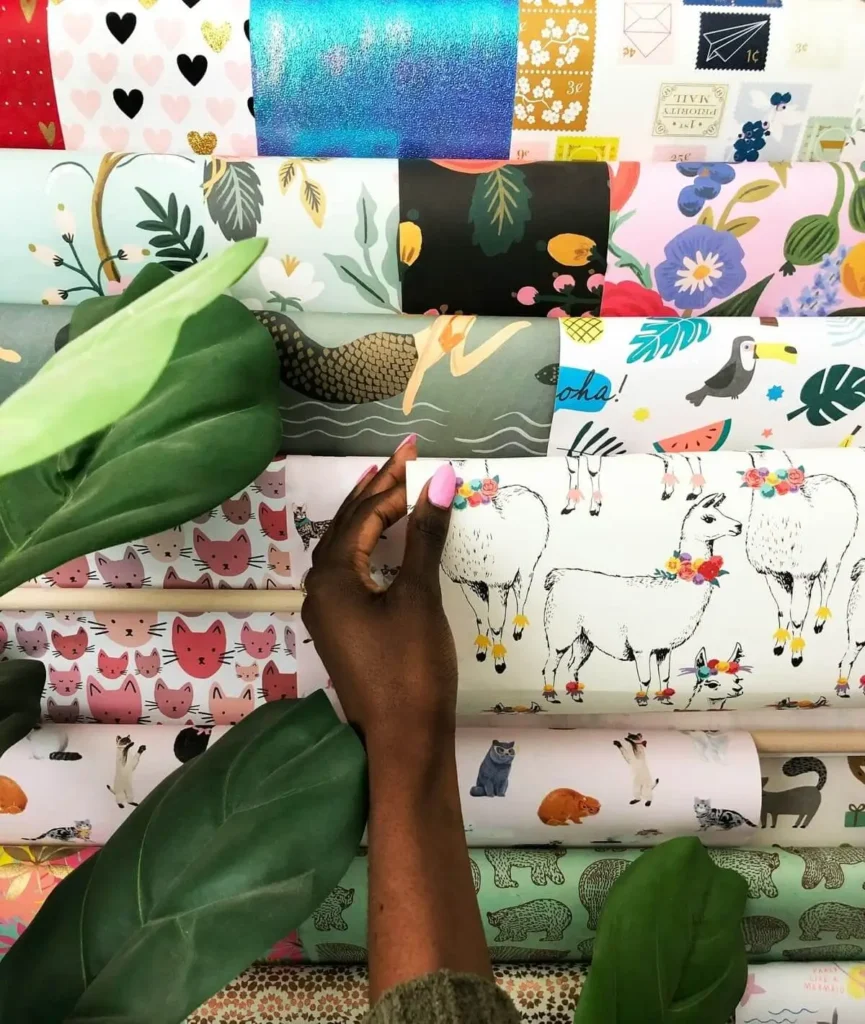
When it comes to custom fabric printing, the method you choose plays a crucial role in the final result. Different printing methods are suited for different types of designs, quantities, and fabric types.
1. Digital Fabric Printing:
This method is ideal for detailed, colorful, and intricate designs. Digital printing is the most common method used for custom fabric printing, as it allows for full-color images and high precision. The best part? It’s perfect for small and large orders alike, as there’s no need for screens or stencils.
Advantages:
- Suitable for small orders
- High-quality color accuracy
- Can print complex, multi-colored designs
2. Screen Printing:
Screen printing is a traditional method where ink is pushed through a screen stencil to transfer the design onto fabric. It’s the go-to choice for mass production of simple designs, especially when printing large quantities.
Advantages:
- Cost-effective for large batches
- Durable prints with long-lasting colors
3. Heat Transfer Printing:
Heat transfer printing is perfect for smaller orders and detailed designs. It involves transferring the design onto the fabric using heat and pressure. It’s often used for printing custom t-shirts, hats, and other fashion items.
Advantages:
- Best for small quantities
- Great for vibrant colors and photo-quality designs
How to Choose the Right Method for You:
When deciding between digital, screen, and heat transfer printing, consider the following:
- Design Complexity: For intricate or multi-colored designs, digital printing is the best choice. If your design is simple and you need to print in bulk, screen printing is ideal.
- Order Size: Digital printing is perfect for smaller orders, while screen printing works best for large runs.
- Fabric Type: Ensure that the printing method you choose matches the fabric type for the best results.
How to Create Your Own Fabric Design
Creating a custom fabric design is easier than you think! Whether you’re an experienced designer or a DIY enthusiast, you can bring your creative ideas to life with just a few simple steps.
Step 1: Understand the Design Process
Before you start creating your design, it’s important to know what will look best on fabric. Some tips to keep in mind:
- Size and Resolution: Your design should be created at a high resolution (at least 300 DPI) to ensure crisp, clean prints.
- Colors: Use CMYK color mode for printing, as it’s the standard for fabric printers. Avoid using too many bright, neon colors unless they’re suitable for your fabric choice.
Step 2: Choose the Right Software
There are several software options available to create your custom fabric designs:
- Adobe Illustrator: Ideal for vector-based designs.
- Photoshop: Best for raster-based, highly detailed designs.
- Canva: A simple option for beginners, with templates and easy-to-use tools.
Step 3: Upload Your Design
Once your design is ready, you can upload it to your chosen custom fabric printing platform. Most platforms accept file formats like PNG, PDF, and AI. Make sure to follow the platform’s file requirements to avoid any issues with print quality.
To upload your design, head over to our Design Your Fabric page and get started right away. You’ll find easy-to-follow steps to bring your unique designs to life.
The Importance of Choosing High-Quality Fabric
To ensure the best results with your custom fabric printing, selecting the right fabric is essential. The quality of the fabric influences the print’s appearance, feel, and durability.
Popular Fabrics for Printing:
- Cotton: A versatile and breathable fabric, great for t-shirts and home décor items.
- Polyester: Known for its durability and vibrant color retention, perfect for sportswear and banners.
- Linen: Offers a natural, textured look, making it ideal for home décor and fashion items.
- Canvas: A heavier fabric that is great for bags, upholstery, and more.
Tips for Choosing the Best Fabric for Printing:
- Consider the texture and weight of the fabric. Heavier fabrics may absorb ink differently than lighter ones.
- Test your design on different fabrics to see how the colors and details translate.
- Opt for fabric with a smooth finish for clearer prints.
Common Mistakes to Avoid in Custom Fabric Printing
While custom fabric printing is a straightforward process, there are some common mistakes you should avoid:
- Low-Resolution Designs: Always ensure your design is high resolution (300 DPI or higher).
- Incorrect File Formats: Use the correct file types, such as PNG, JPEG, or AI, as per the platform’s requirements.
- Wrong Fabric Choice: Not all fabrics are ideal for every design. Always select fabric that complements the printing method you choose.
Conclusion: Start Your Custom Fabric Printing Journey
Custom fabric printing opens up a world of possibilities for anyone looking to create personalized, high-quality fabrics. Whether you’re a fashion designer, an artist, or someone looking to create one-of-a-kind items, this guide has given you the knowledge you need to get started.
Ready to create your own custom designs? Visit JCW Textile’s Design Your Fabric page to start your journey today!
📚 Frequently Asked Questions (FAQs)
1. What are the different types of fabric printing?
The main types of fabric printing include digital printing, screen printing, and heat transfer printing, each offering unique benefits for different designs.
2. How can I upload my own fabric design for printing?
To upload your design, ensure your file is in an accepted format like PDF, PNG, or AI. Then, simply follow the upload instructions on the print-on-demand platform.
3. What is the best fabric for custom printing?
Popular fabrics for custom printing include cotton, polyester, and linen. The best fabric depends on the design and the print method you choose.
4. How long will it take to receive my custom printed fabric?
The production time for custom fabric printing typically ranges from 3-10 business days, depending on the printing method and the complexity of the design.