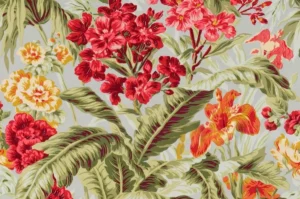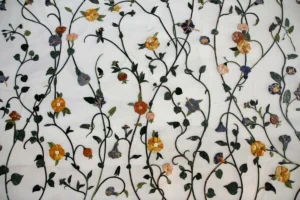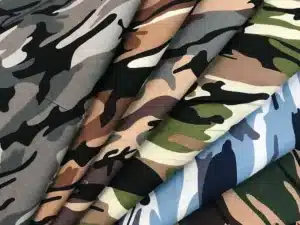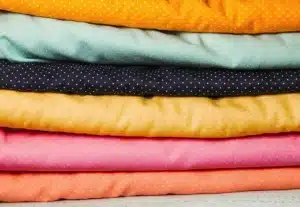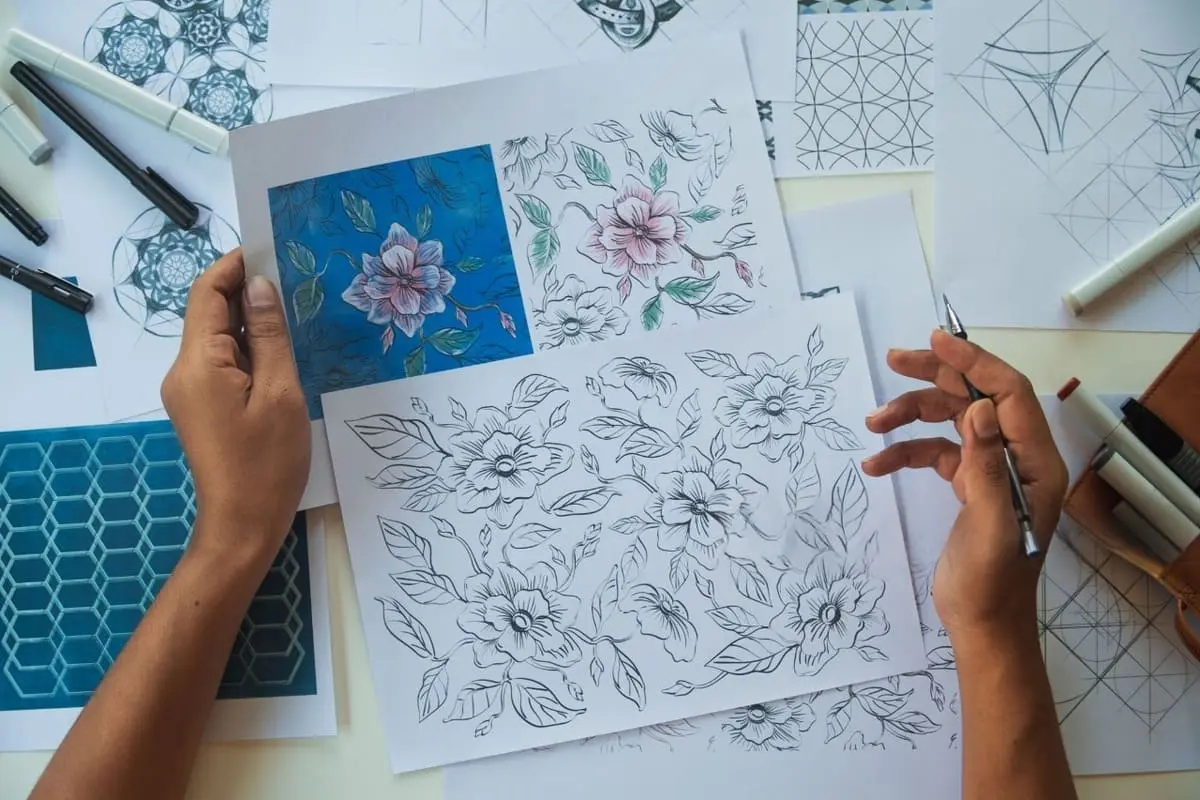
Create your own fabric design is not just about adding color and patterns to fabric—it’s about making your mark on the world of fashion, home décor, and personal style. Whether you’re looking to create a one-of-a-kind fabric for a special project or build your own fabric collection for a business, the process can be incredibly rewarding. In this blog post, we’ll walk you through the entire process of designing and printing your own custom fabric, from concept to finished product.
Step 1: Ideation and Conceptualization
Before you start designing, it’s essential to brainstorm ideas. The best designs often stem from personal experiences, nature, or art. Whether you’re aiming for something bold and abstract or soft and floral, the first step is to conceptualize. Here are a few tips:
- Find Your Inspiration: Look for inspiration in your surroundings, art, or nature. Instagram and Pinterest are excellent resources for gathering visual ideas.
- Consider Your Audience: Think about who will use the fabric. Is it for fashion, home décor, or upholstery? This can help guide your design choices.
Step 2: Choosing the Right Design Tools and Software
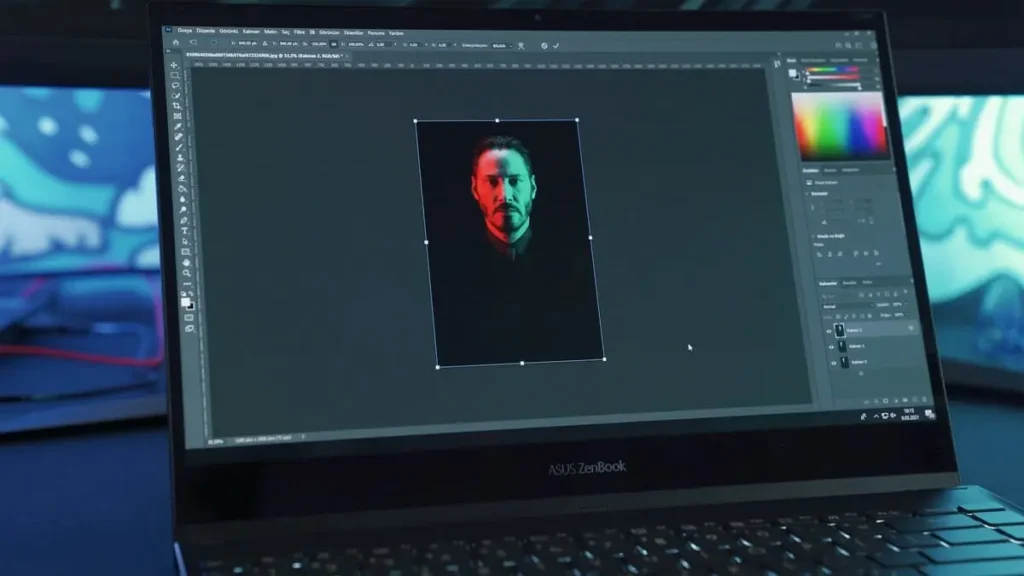
Once you have your idea, it’s time to bring it to life using the right design tools. There are several software options that cater to textile design. Here are the most popular ones:
- Adobe Illustrator: This vector-based program is ideal for creating scalable designs that won’t lose quality when resized. It’s perfect for pattern designs, logos, and more intricate artwork.
- Photoshop: Photoshop is excellent for creating detailed pixel-based designs. It’s perfect if you want to incorporate textures or photographic elements into your textile print.
- CorelDRAW: Another vector-based software that’s often favored by textile designers for its easy-to-use features and compatibility with print.
- Free Alternatives: If you’re just starting out, tools like GIMP and Inkscape can help you create your own fabric designs at no cost.
Step 3: Preparing Your Design for Print
Now that your design is ready, the next step is to prepare it for printing. Whether you’re printing at home or using a professional service, there are a few key things to keep in mind:
- Resolution: Make sure your design is at a high resolution (300 dpi) to ensure that it prints sharply and clearly.
- File Types: Save your design in file formats such as PNG, TIFF, or PDF, which are commonly used for printing.
- Design Dimensions: Set your fabric design to the correct dimensions based on the fabric size you plan to print on. You want your design to fit the fabric perfectly without distortion.
Step 4: Selecting the Right Fabric for Printing
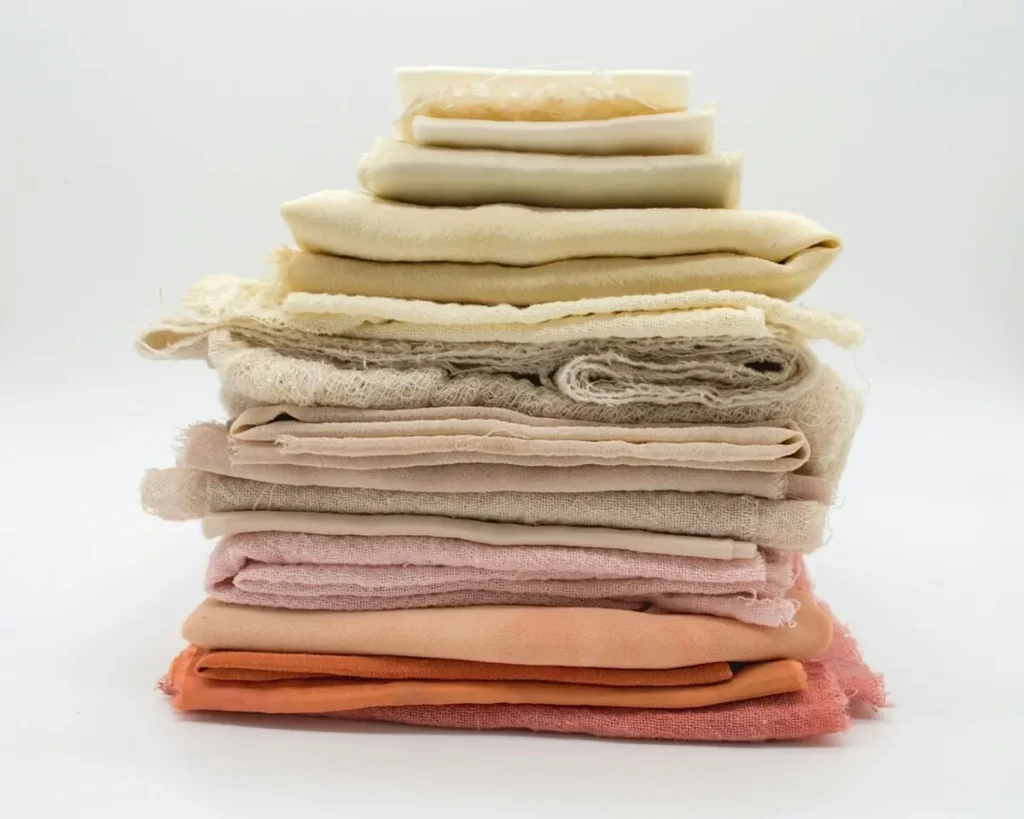
The type of fabric you choose will significantly impact the final print result. Here’s a guide to choosing the best fabric for your custom design:
- Cotton: Cotton is a versatile and widely used fabric for printing. It’s breathable, soft, and works well with both light and dark designs. It’s a great option for t-shirts, bags, and home textiles.
- Polyester: Polyester fabrics are known for their durability and vibrant colors. If you’re printing detailed or bright designs, polyester can bring them to life.
- Silk: For luxury items like scarves or dresses, silk offers a smooth texture and a premium feel. It’s perfect for high-end custom prints.
- Linen: Linen is ideal for eco-friendly designs, offering a natural texture that suits rustic or organic styles.
Consider factors like the fabric’s weight, texture, and intended use when making your choice.
Step 5: Printing Your Fabric Design
Now that your design is ready and your fabric is selected, it’s time to print. There are several printing methods you can choose from, each with its advantages:
- Digital Fabric Printing: This method involves printing your design directly onto the fabric using inkjet technology. It’s ideal for small runs, detailed designs, and vibrant colors.
- Screen Printing: Screen printing is one of the most popular methods for large orders. It involves transferring ink through a mesh screen and is great for bold, solid colors.
- Sublimation: Ideal for polyester fabrics, sublimation printing infuses the ink into the fabric fibers, resulting in vibrant, durable prints.
- Heat Transfer: Heat transfer printing involves using heat to transfer a design onto fabric. This is best for small runs or personal projects.
If you don’t have the equipment to print fabric yourself, many online printing services can help. Print-on-demand companies like Printful or Spoonflower offer high-quality fabric printing services and provide various fabric options.
Success Stories and Inspiration
Many designers have successfully ventured into the world of custom fabric design. One example is Lula’s Textiles, a small brand that started with unique floral patterns and now prints custom fabrics for various industries. They found inspiration in nature and popular culture, producing stunning fabrics that speak to a wide audience.
If you’re looking for inspiration, take a look at current design trends like geometric patterns, bold stripes, vintage florals, or minimalist designs. Popular fashion designers like Liberty Fabrics and designers on platforms like Spoonflower regularly release new collections that can spark fresh ideas.
Conclusion
Creating your own textile design is a fun and creative process that can lead to unique, personalized fabric prints. Whether you’re a designer looking to build a business or a DIY enthusiast creating fabric for a personal project, following these steps will help you create beautiful designs that stand out. Remember to choose the right tools, fabric, and printing method to bring your vision to life.
If you’re ready to start your own custom fabric printing journey, we invite you to explore our fabric options and design your own fabric print with us. Visit our Design Your Fabric page to get started!
📚 Frequently Asked Questions (FAQs)
Q1: How do I create a fabric design that stands out?
To create a fabric design that stands out, focus on a unique theme or concept that resonates with your target audience. Use high-quality textures, bold patterns, and colors that evoke emotion. Drawing inspiration from nature, art, or personal experiences can help give your design an authentic edge.
Q2: What software is best for textile design?
The best software for textile design includes:
- Adobe Illustrator for scalable vector designs.
- Photoshop for detailed, pixel-based graphics.
- CorelDRAW for user-friendly vector designs.
Free alternatives like GIMP and Inkscape are also great options for beginners.
Q3: Can I print my design at home, or do I need a professional service?
It depends on the scale of your project. For small, personal projects, you can print fabric at home using a fabric printer or iron-on transfer paper. However, for larger runs or high-quality prints, using a professional fabric printing service is recommended for the best results.
Q4: How do I choose the right fabric for my design?
Choosing the right fabric depends on the texture, weight, and intended use of your design. Popular options include:
- Cotton: Ideal for casual wear and home décor.
- Polyester: Great for vibrant and durable prints.
- Silk: Perfect for luxury fashion items.
- Linen: Best for eco-friendly, rustic designs.