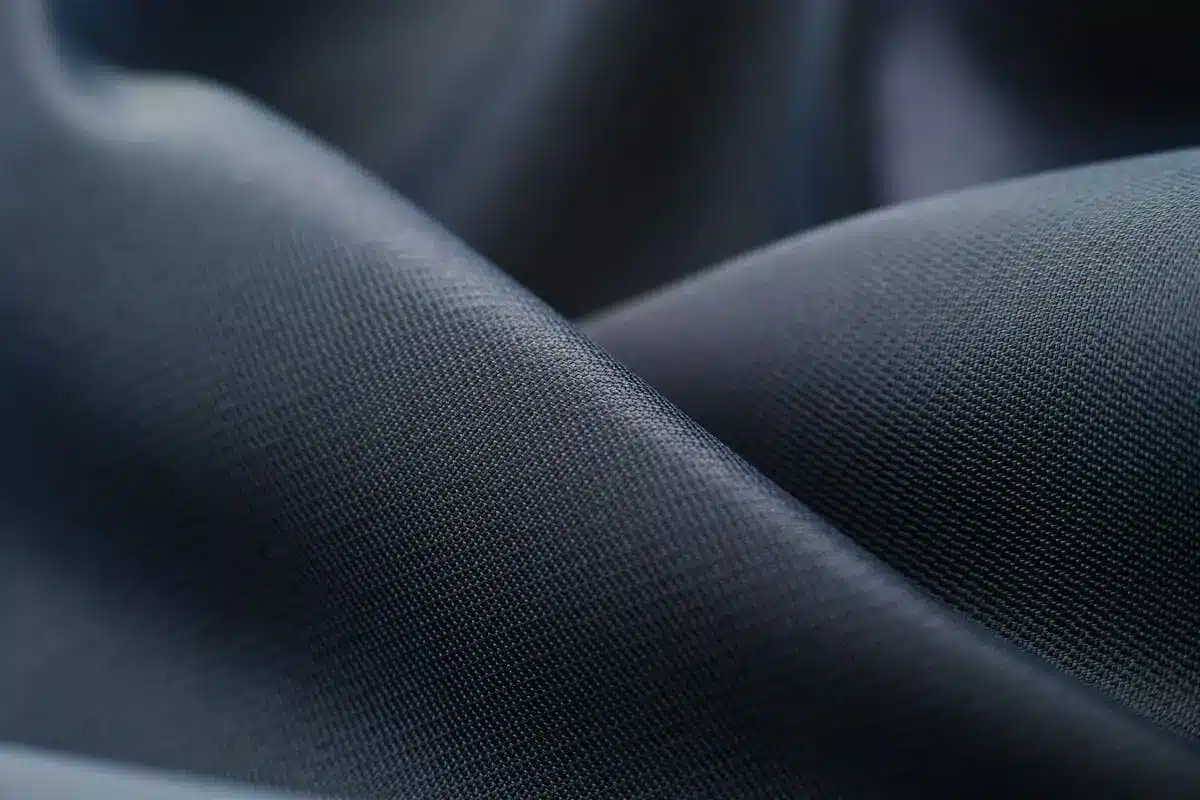
Introduction: Understanding Softshell and Waterproof Fabrics
When designing outdoor clothing, sportswear, bags, and functional textile products, choosing the right fabric is one of the most important decisions. Customers today expect materials that provide water resistance, comfort, durability, and attractive designs.
Among modern performance textiles, softshell fabric has become a popular choice for brands looking for a balance between flexibility, protection, and breathability. Unlike traditional waterproof materials that can feel stiff or uncomfortable, softshell fabrics offer a softer hand feel while still providing protection against wind and light moisture.
For outdoor products that require stronger waterproof performance, waterproof oxford fabric is another widely used solution. Known for its high durability and abrasion resistance, Oxford fabric is commonly used for backpacks, luggage, tents, outdoor covers, and heavy-duty accessories.
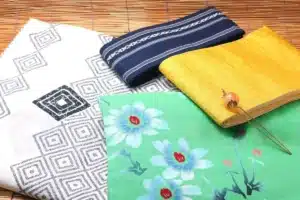
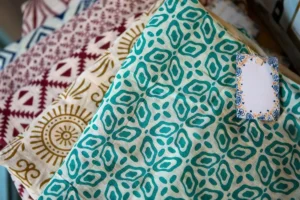
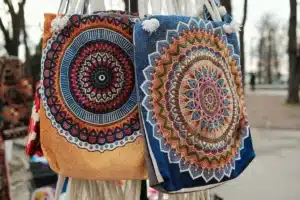
At JCW Textile, we provide professional custom fabric printing solutions for brands, designers, and businesses looking for unique textile products. From performance fabrics to customized patterns, our goal is to help customers transform creative ideas into high-quality printed materials.
Explore more fabric options from our collection:
https://jcwtextile.com/our-fabrics/
Learn more about our company:
➡️ About JCW Textilehttps://jcwtextile.com/about-us/
1. What Is Softshell Fabric?
Definition of Softshell Fabric
Softshell fabric is a type of performance textile designed to provide comfort, flexibility, and weather resistance. It is commonly used in outdoor clothing, sportswear, travel products, and functional apparel.
Unlike hard shell fabrics that focus mainly on complete waterproof protection, softshell materials are designed to balance multiple properties:
- Water resistance
- Breathability
- Stretch performance
- Wind protection
- Comfortable touch
A typical softshell structure usually contains several layers:
| Layer | Function |
|---|---|
| Outer layer | Provides wind resistance and water repellency |
| Middle membrane | Improves moisture management |
| Inner layer | Provides softness and warmth |
This construction makes softshell fabric suitable for activities where users need both protection and freedom of movement.
Key Features of Softshell Fabric
1. Water-Resistant Performance
One of the main advantages of softshell fabric is its ability to resist light rain, snow, and moisture.
The outer surface is usually treated with:
- DWR (Durable Water Repellent) coating
- PU coating
- Special finishing treatments
These technologies help water form droplets and slide away from the fabric surface.
However, it is important to understand that:
Water-resistant does not always mean completely waterproof.
For applications requiring strong waterproof protection, such as outdoor equipment or heavy-duty bags, waterproof oxford fabric may be a better option.
2. Excellent Breathability
Breathability is one of the biggest advantages of softshell materials.
During outdoor activities, body heat and moisture need to escape. A breathable fabric helps reduce discomfort caused by sweat accumulation.
Softshell fabric is commonly selected for:
- Hiking jackets
- Cycling apparel
- Outdoor uniforms
- Sports clothing
because it provides better comfort compared with many fully waterproof fabrics.
3. Flexible and Comfortable Texture
Compared with traditional waterproof fabrics, softshell materials usually have:
- Softer hand feel
- Better stretch
- Improved mobility
This makes them ideal for garments where comfort and movement are important.
Examples include:
- Outdoor jackets
- Ski clothing
- Training apparel
- Performance wear
2. Softshell Fabric vs Waterproof Oxford Fabric
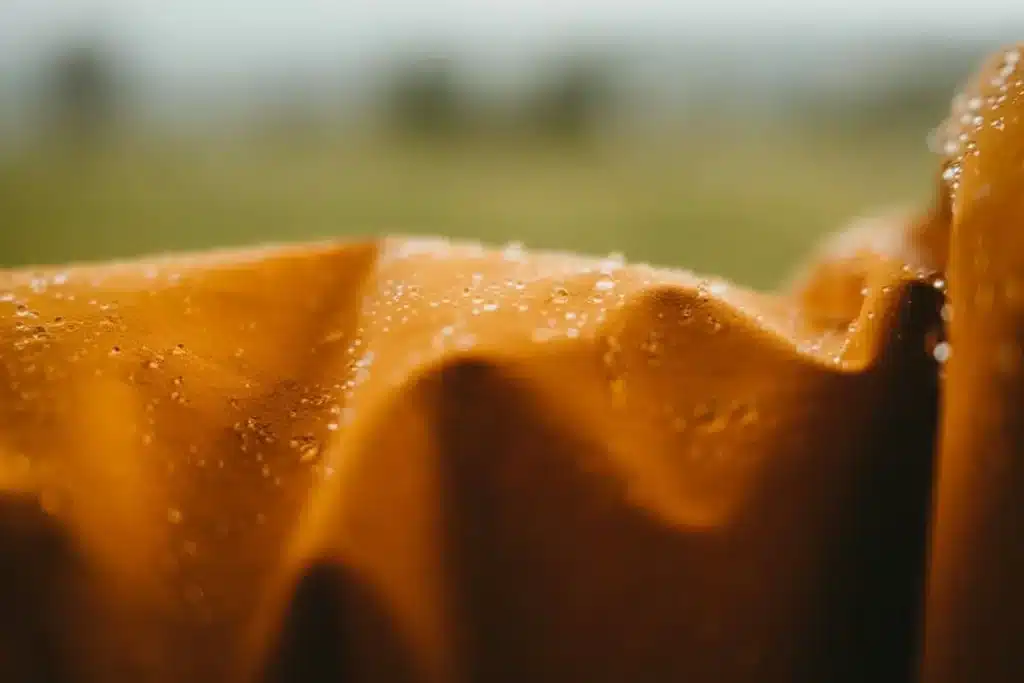
When selecting materials for outdoor products, many buyers compare softshell fabric and waterproof oxford fabric.
Although both provide weather protection, they serve different purposes.
Comparison Table: Softshell vs Waterproof Oxford Fabric
| Feature | Softshell Fabric | Waterproof Oxford Fabric |
|---|---|---|
| Main application | Clothing and sportswear | Bags and outdoor products |
| Surface feel | Soft and flexible | Strong and structured |
| Waterproof level | Water-resistant | High waterproof protection |
| Breathability | Excellent | Moderate |
| Abrasion resistance | Good | Excellent |
| Weight options | Lightweight to medium | Lightweight to heavy |
| Printing suitability | Excellent | Excellent |
What Is Waterproof Oxford Fabric?
Waterproof oxford fabric is a durable woven fabric commonly made from polyester or nylon yarns.
The fabric receives additional treatments such as:
- PU coating
- PVC coating
- Waterproof finishing
to improve resistance against water penetration.
Oxford fabric is known for:
✔ High strength
✔ Long service life
✔ Easy maintenance
✔ Resistance to wear and tear
Common Uses of Waterproof Oxford Fabric
Because of its durability, waterproof oxford fabric is widely used in:
Outdoor Bags
Examples:
- Backpacks
- Travel bags
- Cooler bags
- Sports bags
Outdoor Equipment
Examples:
- Tent materials
- Rain covers
- Camping accessories
Protective Covers
Examples:
- Furniture covers
- Vehicle covers
- Storage covers
For brands creating durable outdoor products, choosing the right Oxford fabric weight is important.
Common options include:
| Fabric Type | Application |
|---|---|
| 210D Oxford | Lightweight bags and accessories |
| 300D Oxford | Outdoor products |
| 420D Oxford | Medium-duty bags |
| 600D Oxford | Heavy-duty applications |
How Softshell and Oxford Fabric Support Custom Designs
Modern brands increasingly require fabrics that are not only functional but also visually unique.
Both softshell fabric and waterproof oxford fabric can support customized designs through professional printing technology.
Common customization options include:
- Brand logos
- Custom patterns
- Full-color artwork
- Seasonal collections
- Private label designs
For companies launching new products, custom printed fabrics allow greater brand differentiation.
JCW Textile provides customized fabric development and printing services for different industries.
Create your own fabric design: Design Your Fabric
3. Waterproof, Breathability, and Durability Analysis of Softshell Fabrics
When selecting performance textiles, three factors usually determine whether a fabric is suitable for a specific product:
- Waterproof performance
- Breathability
- Durability
For brands developing outdoor apparel, sports products, or customized textile items, understanding these characteristics helps achieve the right balance between function and appearance.
Waterproof Performance: Water-Resistant vs Waterproof
A common misunderstanding in textile selection is that all protective fabrics are completely waterproof.
In reality, fabrics are classified based on their ability to resist water penetration.
Water-Resistant Fabric
A water-resistant fabric can protect against:
- Light rain
- Moisture
- Snow
- Short exposure to water
Softshell fabric usually belongs to this category.
Its surface treatment allows water droplets to remain on the outside rather than immediately absorbing into the material.
Advantages:
✔ Lightweight
✔ Comfortable
✔ Flexible
✔ Suitable for active movement
Typical applications:
- Outdoor jackets
- Hiking clothing
- Cycling apparel
- Sports uniforms
Waterproof Fabric
Waterproof fabrics provide stronger protection against water penetration.
They are commonly used for products exposed to longer periods of moisture, including:
- Rain jackets
- Tents
- Outdoor covers
- Waterproof bags
For these applications, waterproof oxford fabric is often preferred because of its strong structure and coating performance.
The waterproof level depends on:
- Fabric construction
- Yarn density
- Coating technology
- Waterproof rating
Breathability: Why It Matters for Outdoor Fabrics
Breathability is a critical factor for clothing and sports products.
When users perform physical activities, the body produces heat and moisture. A breathable fabric allows moisture vapor to escape, improving comfort.
A high-quality softshell fabric provides:
- Better airflow
- Moisture management
- Comfortable wearing experience
This makes it suitable for:
- Hiking jackets
- Outdoor uniforms
- Training clothing
- Performance apparel
According to textile performance testing organizations such as ASTM International, fabric performance evaluation commonly includes testing properties related to strength, durability, and resistance characteristics.
Durability: Choosing Fabric That Lasts
Durability determines how long a textile product maintains its appearance and performance.
Important factors include:
1. Fabric Weight (GSM)
Higher GSM usually means:
- More fabric density
- Better durability
- Stronger structure
2. Yarn Construction
Oxford fabrics are popular because of their woven structure.
The crossing of yarns creates:
- Better abrasion resistance
- Higher tear strength
- Longer product lifespan
3. Surface Coating
Protective coatings improve:
- Water resistance
- Stain resistance
- Outdoor performance
For brands producing long-lasting outdoor products, selecting the correct fabric construction is essential.
4. Custom Printing Options for Softshell Fabric
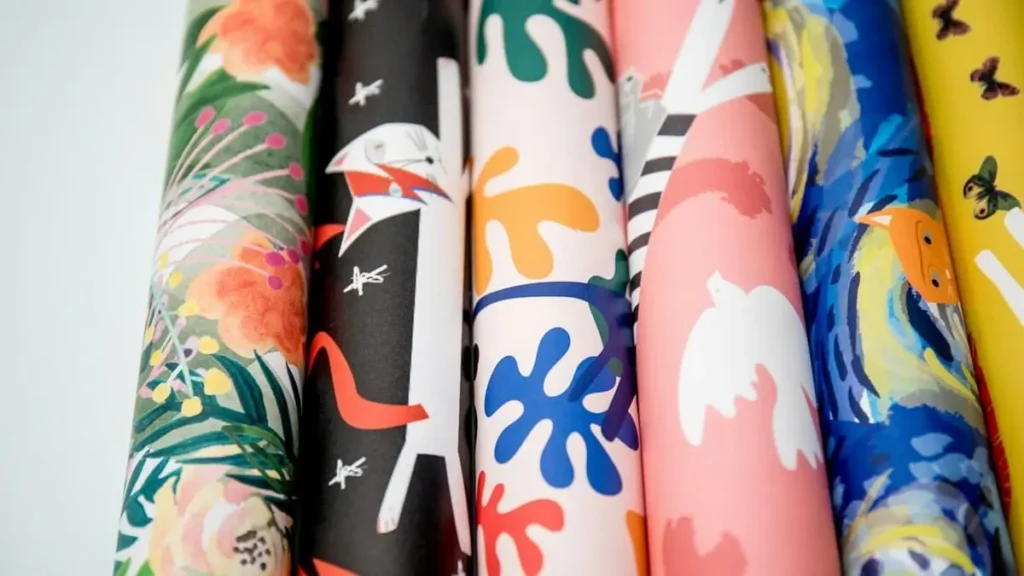
Today, customers expect more than functional materials. They also want unique colors, patterns, and branding.
This is why custom printed softshell fabric has become increasingly popular among outdoor brands and designers.
JCW Textile supports customized fabric printing solutions for businesses that need:
- Custom patterns
- Brand identity designs
- Small batch production
- Private label textile development
How to Print on Softshell Fabric?
There are several printing technologies available depending on:
- Fabric composition
- Usage requirements
- Design complexity
- Production quantity
1. Digital Printing
Digital printing is one of the most flexible solutions for customized fabrics.
Advantages:
✔ Unlimited colors
✔ Detailed patterns
✔ Photo-quality images
✔ Suitable for small quantities
It is ideal for:
- Fashion collections
- Designer products
- Custom outdoor apparel
2. Sublimation Printing
Sublimation printing works especially well with polyester-based softshell fabrics.
During the process:
- Design is printed onto transfer paper
- Heat transfers the ink into the fabric fibers
- The pattern becomes part of the textile structure
Advantages:
- Excellent color durability
- Smooth fabric surface
- High-definition graphics
Common applications:
- Sportswear
- Team clothing
- Outdoor jackets
3. Pigment Printing
Pigment printing is suitable for many textile applications where surface color effects are required.
Benefits:
- Wide material compatibility
- Good color variety
- Flexible design options
It is often selected for:
- Home textile products
- Decorative fabrics
- Lifestyle products
Custom Printing Considerations for Softshell Fabric
Before production, brands should consider:
| Factor | Importance |
|---|---|
| Fabric composition | Determines printing method |
| Color requirements | Affects printing technology |
| Product usage | Determines durability needs |
| Quantity | Influences production method |
| Design complexity | Determines printing accuracy |
Sustainable Custom Textile Production
Many brands are now looking for environmentally responsible textile solutions.
When developing custom fabrics, suppliers and brands increasingly consider:
- Responsible material sourcing
- Reduced waste production
- Sustainable manufacturing processes
Organizations such as Textile Exchange promote responsible practices and sustainable approaches throughout the textile industry.
5. Applications of Softshell and Waterproof Fabrics
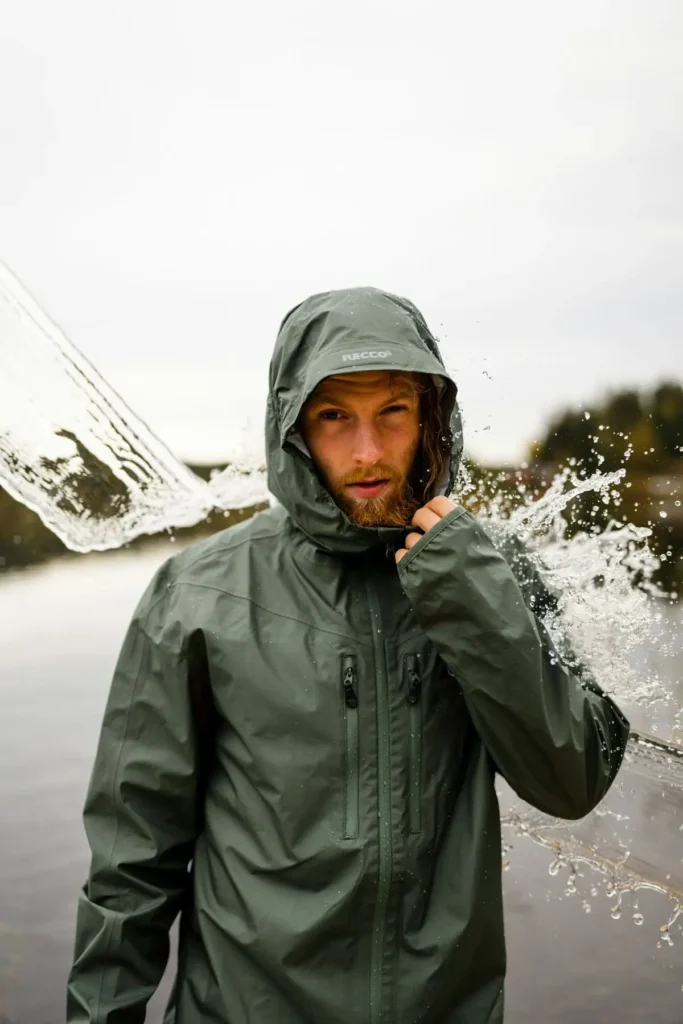
Both softshell fabric and waterproof oxford fabric are widely used across multiple industries.
Outdoor Apparel
Softshell fabrics are commonly selected for:
Jackets
Advantages:
- Wind protection
- Lightweight comfort
- Flexible movement
Hiking Clothing
Benefits:
- Breathable performance
- Weather resistance
- Comfortable fit
Sportswear
Suitable for:
- Cycling apparel
- Training clothing
- Outdoor uniforms
Bags and Outdoor Accessories
For products requiring stronger durability, waterproof oxford fabric is an excellent choice.
Applications include:
Backpacks
Features:
- Strong structure
- Water resistance
- Scratch resistance
Travel Bags
Benefits:
- Long service life
- Easy maintenance
- Heavy-duty performance
Camping Products
Examples:
- Tent accessories
- Storage bags
- Outdoor covers
Home Textile Applications
Although softshell and Oxford fabrics are mainly associated with outdoor products, customized functional fabrics are also used in home textile markets.
Examples include:
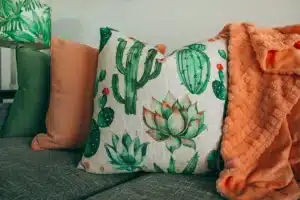
- Outdoor cushions
- Decorative covers
- Protective textiles
- Customized bedding accessories
For brands developing personalized home products, custom textile printing can create unique collections.
Examples:
- Custom printed bedding
- Custom duvet cover fabric
- Decorative textile products
Why Choose Custom Printed Functional Fabrics?
Custom printing allows businesses to create products that stand out.
Benefits include:
Brand Differentiation
Unique patterns help products become recognizable.
Flexible Product Development
Brands can create:
- Seasonal designs
- Limited collections
- Personalized products
Small Business Opportunities
With modern digital printing technology, even smaller brands can develop customized products without extremely large production quantities.
6. Fabric Care Tips for Softshell and Waterproof Fabrics
Proper care is essential for maintaining the performance, appearance, and lifespan of functional textiles.
Whether you are using softshell fabric for outdoor apparel or waterproof oxford fabric for bags and accessories, correct maintenance helps preserve:
- Water resistance
- Fabric strength
- Color quality
- Surface finish
How to Wash Softshell Fabric
1. Use Mild Detergent
Avoid strong chemical cleaners because they may damage:
- Waterproof coatings
- Fabric finishes
- Printing effects
Recommended:
✔ Mild liquid detergent
✔ Cold or warm water
✔ Gentle washing cycle
2. Avoid Bleach and Fabric Softener
Bleach and fabric softeners may reduce the performance of functional fabrics.
They can affect:
- Water repellency
- Breathability
- Fabric softness
3. Air Dry When Possible
High heat can damage protective coatings.
Recommended:
✔ Hang dry naturally
✔ Avoid direct high-temperature drying
✔ Avoid excessive ironing
Maintaining Waterproof Performance
Over time, waterproof finishes may gradually lose effectiveness because of:
- Washing
- Friction
- Outdoor exposure
For some fabrics, waterproof performance can be restored through:
- Reproofing sprays
- Water-repellent treatments
- Professional textile finishing
Caring for Waterproof Oxford Fabric Products
Products made from waterproof oxford fabric usually require simple maintenance.
Recommended:
| Action | Recommendation |
|---|---|
| Cleaning | Wipe with damp cloth |
| Washing | Use gentle cleaning methods |
| Chemicals | Avoid harsh cleaners |
| Storage | Keep dry and ventilated |
Proper care helps maintain:
- Waterproof protection
- Fabric appearance
- Structural strength
7. How to Choose the Right Custom Fabric Supplier
Choosing the right supplier is one of the most important decisions for brands developing customized textile products.
A reliable supplier should provide:
1. Fabric Quality Control
Before production, confirm:
- Fabric composition
- GSM options
- Color consistency
- Performance requirements
High-quality suppliers should have clear quality inspection procedures.
2. Custom Printing Capability
For brands requiring unique designs, a supplier should support:
- Digital printing
- Sublimation printing
- Custom patterns
- Color matching
JCW Textile specializes in customized fabric printing solutions for businesses requiring flexible textile development.
Our services include:
- Custom printed fabrics
- Functional fabric solutions
- Private label textile support
3. Flexible MOQ Options
For startups and small businesses, minimum order quantity is an important consideration.
A suitable supplier should offer:
- Small batch production
- Prototype development
- Custom sample creation
This allows brands to test:
- Product designs
- Market response
- Customer preferences
4. Professional Fabric Consultation
Different applications require different fabrics.
For example:
| Product | Recommended Fabric |
|---|---|
| Outdoor jacket | Softshell fabric |
| Backpack | Waterproof oxford fabric |
| Camping equipment | Oxford coated fabric |
| Sportswear | Breathable performance fabric |
| Decorative textile | Printed fabric |
A professional textile supplier can help select the right material based on:
- Function
- Budget
- Design requirements
8. Why JCW Textile for Custom Softshell and Waterproof Fabric Printing?
JCW Textile provides customized textile solutions for brands, designers, and businesses worldwide.
Our advantages include:
Customized Fabric Development
We help customers create:
- Unique patterns
- Custom colors
- Functional textile solutions
Professional Printing Technology
Our printing services support:
- Detailed graphics
- Brand designs
- Creative textile applications
Wide Fabric Selection
Customers can choose from different fabric categories, including:
- Performance fabrics
- Outdoor fabrics
- Printed fabrics
- Specialty textiles
Explore our textile solutions: Browse JCW Fabric Collection
Conclusion: Choosing the Right Softshell and Waterproof Fabric
Selecting the right functional textile depends on balancing:
- Waterproof performance
- Breathability
- Durability
- Comfort
- Design requirements
Softshell fabric is an excellent choice for products requiring flexibility, comfort, and weather resistance, while waterproof oxford fabric provides stronger protection and durability for outdoor equipment and accessories.
With professional custom fabric printing, brands can combine technical performance with unique visual designs.
Whether you are developing outdoor apparel, bags, accessories, or customized home textile products, JCW Textile can help transform your ideas into high-quality printed fabrics.
Contact JCW Textile today to explore customized fabric solutions.