Introduction: Understanding Single Jersey Fabric
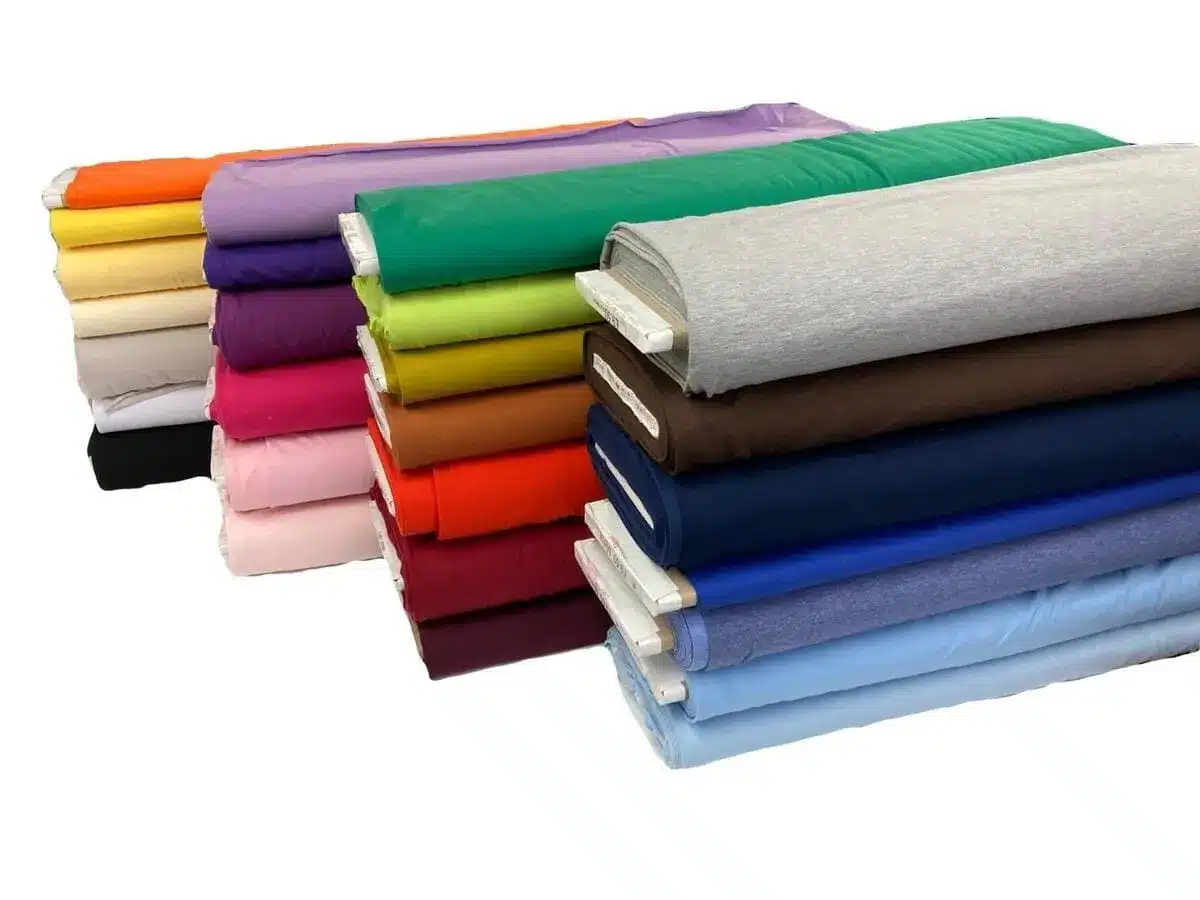
When choosing the right textile for clothing, fashion products, or custom textile projects, fabric structure plays an important role in the final quality and performance. Among the many knitted fabrics available today, single jersey fabric remains one of the most popular choices because of its softness, flexibility, breathability, and versatility.
From everyday T-shirts and baby clothing to personalized fashion products and creative DIY projects, single jersey fabric provides an excellent balance between comfort and durability. Its smooth surface also makes it an ideal material for custom printed fabric, allowing designers, brands, and businesses to create unique patterns, logos, and artwork.
At JCW Textile, we specialize in providing professional fabric printing services for customers worldwide. Whether you need small quantities for creative projects or large-volume production for your brand, our custom textile solutions help transform your ideas into high-quality printed fabrics.
In this guide, we will explain what single jersey fabric is, its key characteristics, common applications, printing methods, design tips, and fabric care recommendations.
For more information about our company and textile expertise, visit our about JCW Textile page.
Table of Contents: Single Jersey Fabric Guide
What Is Single Jersey Fabric?
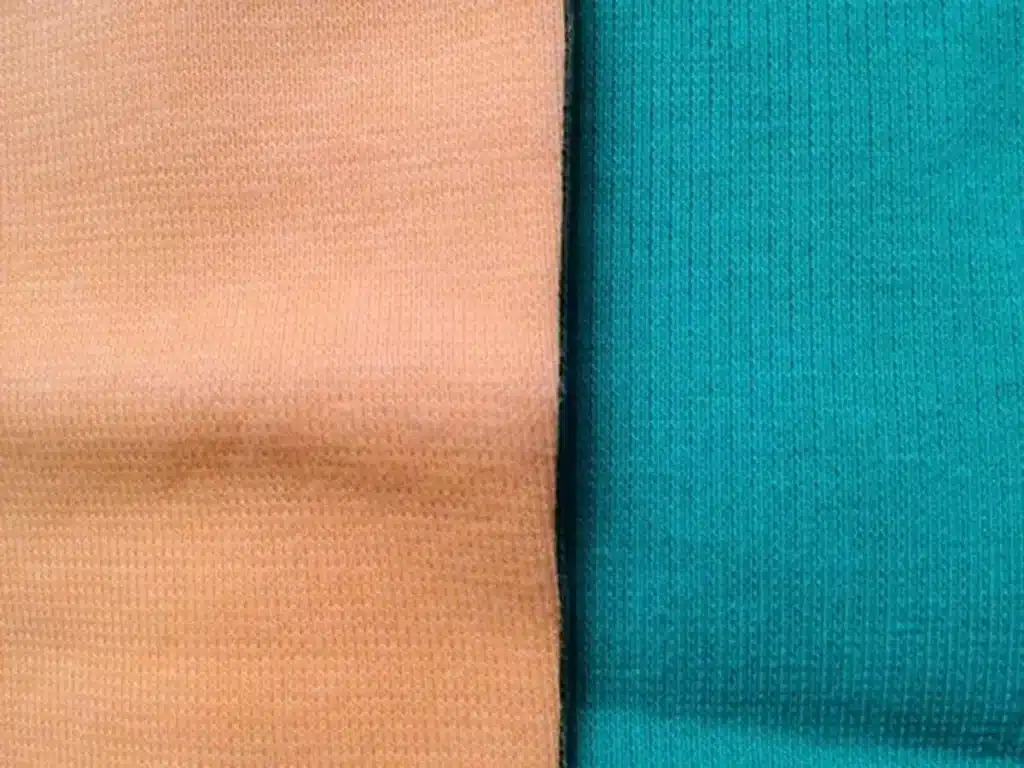
Single jersey fabric is a lightweight knitted fabric produced using a single set of needles on a circular knitting machine. Unlike woven fabrics, which are created by interlacing warp and weft yarns, knitted fabrics are formed through interconnected loops.
This unique construction gives single jersey fabric several advantages, including natural stretch, softness, and excellent comfort.
The fabric usually has:
- A smooth and flat surface on the front side
- A slightly textured appearance on the back side
- Natural elasticity due to the knitted structure
- Lightweight and breathable characteristics
Because of these properties, cotton single jersey fabric is widely used in apparel manufacturing, especially for products that require comfort and flexibility.
Common fiber compositions include:
- 100% cotton
- Cotton and polyester blends
- Organic cotton
- Bamboo blends
- Other sustainable fiber combinations
The choice of fiber affects the final performance of the fabric, including softness, durability, color appearance, and printing results.
For customers looking for different textile materials, JCW Textile provides a wide selection of fabrics through our fabric collection page.
Key Features of Single Jersey Fabric
Understanding the advantages of single jersey fabric helps designers and buyers choose the right material for their projects.
1. Soft and Comfortable Hand Feel
One of the biggest advantages of single jersey fabric is its softness.
Cotton single jersey fabric has a smooth surface that feels comfortable against the skin, making it an excellent choice for:
- T-shirts
- Baby clothing
- Pajamas
- Underwear
- Casual wear
The lightweight construction allows garments to provide comfort even during long periods of wear.
This is why many clothing brands prefer single jersey fabric when developing everyday apparel collections.
2. Breathable and Moisture Absorbing
Breathability is another important characteristic of single jersey fabric.
Cotton fibers naturally absorb moisture and allow air circulation, helping maintain comfort in warm weather.
Compared with heavier woven fabrics, single jersey fabric provides:
- Better airflow
- Comfortable wearing experience
- Lightweight performance
For summer clothing, sportswear, and children’s apparel, this fabric structure is especially suitable.
3. Natural Stretch and Flexibility
Because single jersey fabric is knitted rather than woven, it has natural stretch.
This flexibility allows garments to:
- Move comfortably with the body
- Maintain a relaxed fit
- Provide better wearing comfort
Although single jersey fabric is not as elastic as fabrics containing spandex, its knitted construction provides enough flexibility for many applications.
4. Excellent Surface for Fabric Printing
The smooth front surface of single jersey fabric makes it suitable for various printing technologies.
Businesses and designers often choose this material for:
- Custom T-shirt printing
- Personalized clothing
- Brand merchandise
- Fashion collections
- Creative textile projects
For customers who want to print on cotton fabric, single jersey offers an excellent combination of print quality and wearing comfort.
Common Uses of Single Jersey Fabric
Due to its versatility, single jersey fabric is used in many industries.
Apparel Manufacturing
The largest application area is clothing production.
Popular products include:
- T-shirts
- Tank tops
- Dresses
- Leggings
- Casual shirts
- Children’s clothing
Fashion designers often choose single jersey fabric because it is easy to cut, sew, and customize.
Baby and Children's Products
Softness and skin-friendly properties make single jersey fabric suitable for baby products.
Applications include:
- Baby clothes
- Baby blankets
- Nursery accessories
- Children’s pajamas
When combined with gentle printing methods, it creates comfortable and attractive products for children.
Home Textile Applications
Although mainly used for clothing, single jersey fabric is also suitable for lightweight home textile products.
Examples include:
- Pillow covers
- Decorative textile items
- Personalized fabric projects
For creative makers, custom fabric by the yard provides flexibility for different DIY applications.
Single Jersey Fabric Printing Options
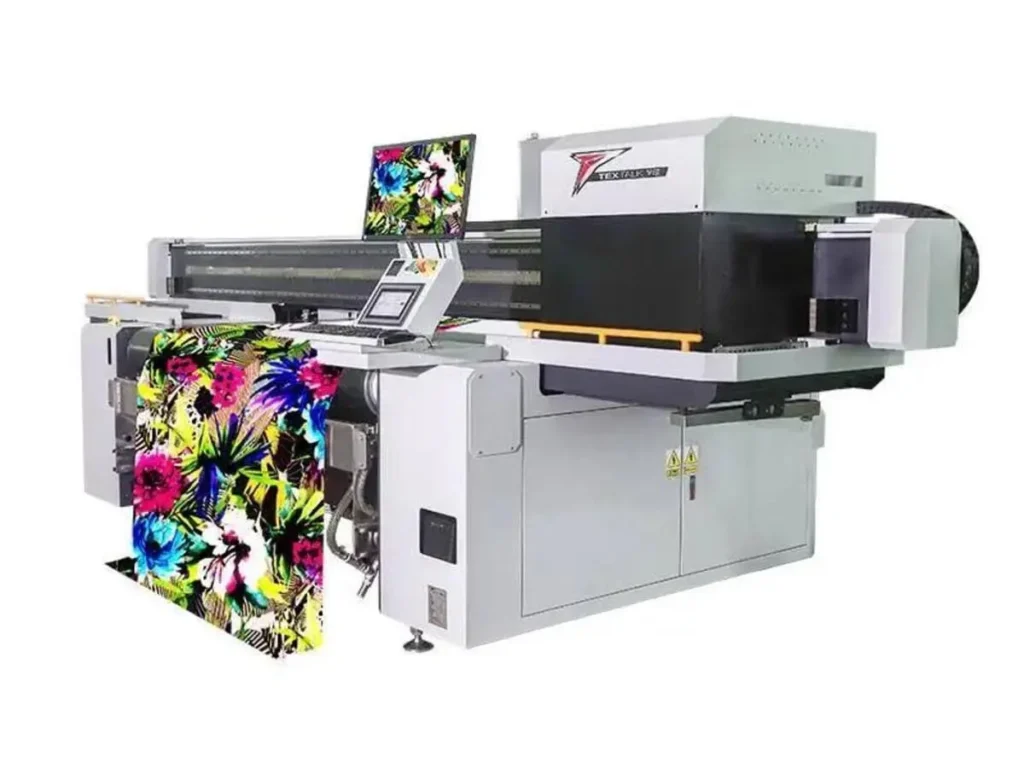
One of the main reasons single jersey fabric is popular today is its compatibility with modern printing technologies.
With advanced textile printing methods, manufacturers can create detailed, colorful, and durable designs.
The main printing options include:
Digital Printing on Single Jersey Fabric
Digital printing has become one of the most popular solutions for customized textiles.
Digital printing on cotton fabric allows designers to directly transfer artwork onto fabric using specialized textile printers.
Advantages include:
Unlimited Design Possibilities
Digital printing supports:
- Complex patterns
- Photorealistic images
- Multiple colors
- Gradient effects
This makes it ideal for:
- Independent designers
- Small businesses
- Custom clothing brands
Suitable for Small Quantity Orders
Traditional printing methods often require large production quantities.
Digital printing allows customers to create:
- Prototype samples
- Limited collections
- Personalized products
This makes it an excellent choice for DIY creators and emerging brands.
High Detail Accuracy
Digital technology can reproduce fine details that are difficult to achieve with traditional printing.
Examples:
- Illustrations
- Logos
- Artistic patterns
- Custom graphics
For customers searching for custom printed single jersey fabric, digital printing provides a flexible and efficient solution.
Reactive Printing vs Pigment Printing for Single Jersey Fabric
When selecting a printing method for single jersey fabric, the best option depends on the fiber composition, product requirements, color expectations, and production volume.
At JCW Textile, we help customers choose suitable printing solutions based on their fabric type, design complexity, and final application.
Reactive Printing for Cotton Single Jersey Fabric
Reactive printing is one of the preferred methods for cotton single jersey fabric, especially when bright colors and excellent wash durability are required.
During reactive printing, dyes chemically bond with cotton fibers, creating a strong connection between the color and the fabric.
Advantages of reactive printing:
- Excellent color fastness
- Soft fabric hand feel
- Bright and vibrant colors
- Suitable for detailed patterns
- Long-lasting print performance
Reactive printing is commonly used for:
- Fashion garments
- Premium T-shirts
- Baby clothing
- High-quality cotton products
For brands that require durable and professional results, reactive printing is an excellent choice.
Pigment Printing for Single Jersey Fabric
Pigment printing is another widely used option for customized textiles.
Unlike reactive printing, pigment printing applies color pigments onto the surface of the fabric using a binder system.
Benefits include:
- Suitable for different fiber types
- Cost-effective production
- Good color variety
- Flexible application
Pigment printing is often selected for:
- Fashion fabrics
- Promotional products
- Decorative textile projects
The right printing method depends on the customer’s goals, fabric composition, and expected usage.
How to Print on Cotton Fabric: Step-by-Step Guide
Many designers and businesses ask how they can print on cotton fabric and turn creative ideas into finished textile products.
The process usually includes several important steps.
Step 1: Prepare Your Fabric Design
The first step is creating artwork for your custom fabric.
Recommended design requirements:
- High-resolution artwork
- 300 DPI image quality
- Correct color format
- Seamless pattern design when required
Popular design styles include:
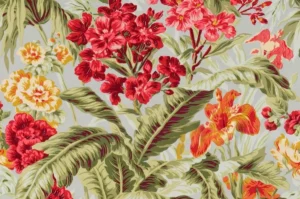
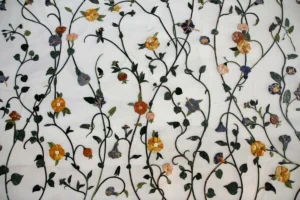
- Floral patterns
- Geometric graphics
- Cartoon illustrations
- Brand logos
- Abstract artwork
- Personalized images
A well-prepared design helps achieve better printing results.
Step 2: Select the Right Single Jersey Fabric
Choosing the correct fabric weight and composition is important.
Common options include:
| Fabric Type | Features | Suitable Applications |
|---|---|---|
| 100% Cotton Jersey | Soft and breathable | T-shirts, baby wear |
| Cotton Blend Jersey | More durable | Fashion garments |
| Organic Cotton Jersey | Eco-friendly | Sustainable products |
| Stretch Jersey | Flexible | Sportswear and fitted clothing |
The fabric weight also affects the final product.
For example:
- Lightweight jersey: summer clothing
- Medium-weight jersey: everyday apparel
- Heavy jersey: premium garments
Step 3: Choose the Printing Method
The printing technology depends on:
- Fabric composition
- Design complexity
- Order quantity
- Required durability
For small custom projects:
Digital printing is usually recommended.
For larger production:
Reactive or pigment printing may provide better cost efficiency.
Step 4: Order a Fabric Sample
Before starting bulk production, testing a sample is highly recommended.
A sample allows you to evaluate:
- Color accuracy
- Print quality
- Fabric softness
- Washing performance
This step helps prevent production issues and ensures the final product meets expectations.
Custom Printed Fabric Design Tips
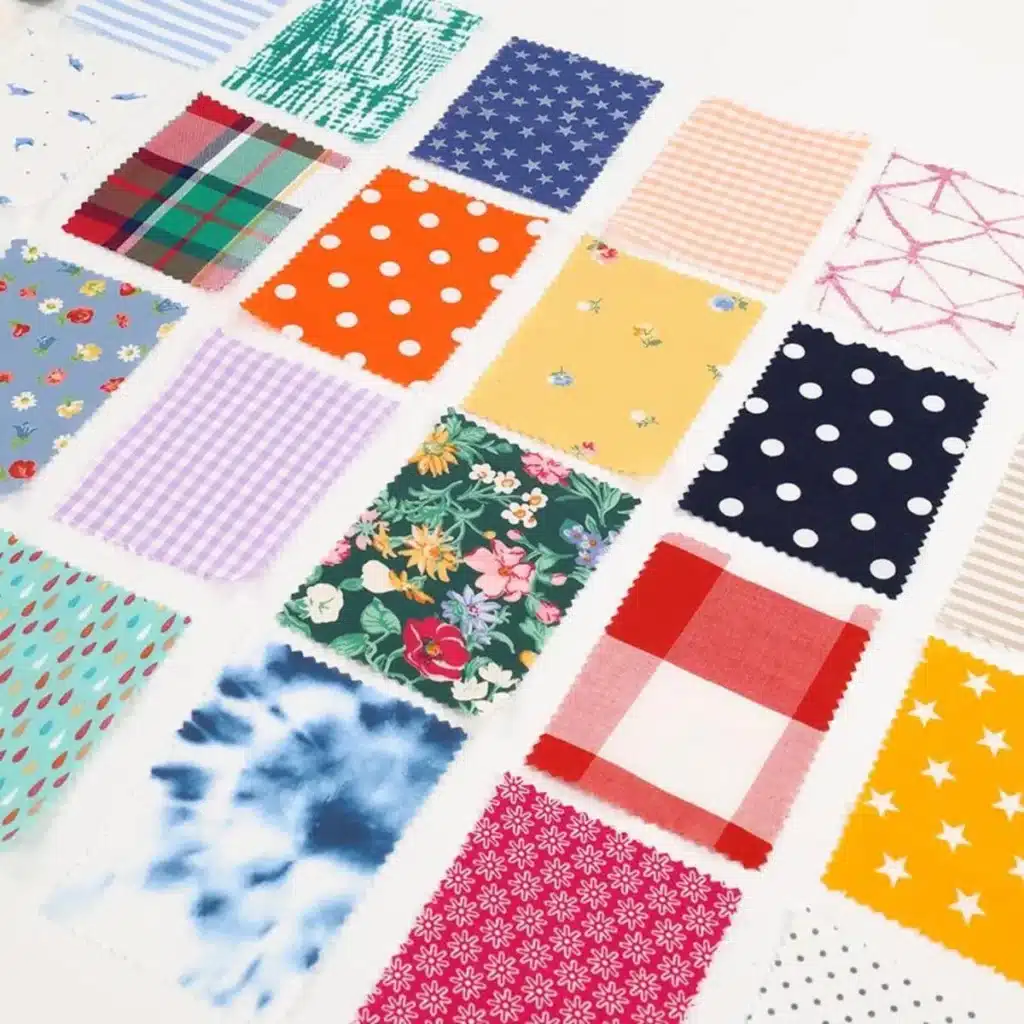
Creating attractive designs requires more than simply adding colors and patterns.
A successful custom printed fabric design should consider product purpose, target customers, and visual balance.
1. Choose Patterns Based on Product Application
Different products work better with different design styles.
Fashion Clothing
Recommended:
- Minimal patterns
- Elegant prints
- Modern geometric designs
Children's Products
Recommended:
- Cartoon characters
- Animals
- Bright colors
- Fun illustrations
Home Textile Products
Recommended:
- Nature-inspired patterns
- Decorative prints
- Seasonal themes
2. Consider Pattern Scale
The size of the pattern affects the final appearance.
Large patterns:
- Create bold visual impact
- Work well for fashion statements
Small patterns:
- Provide a classic appearance
- Suitable for everyday clothing
Before printing, always consider how the pattern will appear after the fabric is cut and sewn.
3. Maintain Color Balance
Good color combinations improve product appeal.
Popular approaches include:
Neutral Color Design
Examples:
- Beige
- Gray
- White
- Black
Suitable for:
- Minimalist fashion
- Premium brands
Bright Color Design
Examples:
- Blue
- Yellow
- Pink
- Green
Suitable for:
- Children’s products
- Summer collections
Brand Color Matching
Businesses can incorporate:
- Company colors
- Logos
- Signature patterns
This is especially useful for promotional products and branded apparel.
Digital Printing Technology and Sustainable Textile Development
Modern textile printing continues to evolve with improved technology and environmentally responsible solutions.
According to Textile Exchange, sustainable textile production focuses on reducing environmental impact throughout the textile supply chain.
Digital textile printing supports more sustainable production by:
- Reducing material waste
- Allowing smaller production quantities
- Supporting on-demand manufacturing
For businesses developing new products, this provides more flexibility compared with traditional large-volume printing methods.
For customers interested in learning more about professional digital textile printing technology, Kornit Digital provides information about advanced textile printing solutions used in modern apparel production.
Custom Fabric Printing Solutions from JCW Textile
Choosing the right supplier is essential when creating custom printed single jersey fabric.
JCW Textile provides professional textile printing solutions for:
- Fashion brands
- Clothing manufacturers
- Designers
- Small businesses
- Creative entrepreneurs
Our services include:
Custom Fabric Design Support
Customers can submit their artwork and receive professional assistance with:
- Pattern preparation
- Color adjustment
- Fabric selection
- Printing recommendations
Learn more about our process through our design your fabric service.
Flexible Production Options
Whether you need:
- Small quantities for testing
- Custom fabric by the yard
- Large production orders
JCW Textile can provide suitable solutions.
Professional Fabric Selection
Different projects require different materials.
Our fabric range includes options for:
- Apparel
- Accessories
- Home textiles
- Baby products
Explore our complete fabric collection to find suitable materials for your project.
Single Jersey Fabric Care Instructions: How to Maintain Printed Fabric Quality
Proper care is essential to maintain the appearance, softness, and durability of custom printed fabric.
Although modern textile printing technologies provide excellent color performance, correct washing and maintenance can significantly extend the life of printed fabrics.
Whether you are using printed single jersey fabric for clothing, baby products, or DIY projects, following the right care instructions helps protect your designs.
1. Wash Printed Single Jersey Fabric with Cold Water
Cold water washing is recommended for most printed fabrics.
Benefits include:
- Protecting printed colors
- Reducing fabric shrinkage
- Maintaining softness
- Extending garment life
Avoid using extremely hot water because high temperatures may gradually affect the brightness of printed patterns.
For products made with cotton single jersey fabric, gentle washing is especially important because natural cotton fibers may shrink under excessive heat.
2. Use Mild Detergent
Strong chemical detergents can affect printed surfaces over time.
Recommended:
- Mild laundry detergent
- Color-safe detergent
- Gentle washing cycles
Avoid:
- Bleach
- Harsh chemicals
- Strong whitening products
These products may reduce color intensity and affect the appearance of your custom designs.
3. Avoid High Heat Drying
High temperatures from dryers can cause:
- Fabric shrinkage
- Fiber stress
- Reduced print durability
Recommended drying methods:
- Air drying
- Low-temperature drying
- Drying in a shaded area
This helps preserve both the fabric structure and printed patterns.
4. Iron Printed Fabric Correctly
When ironing printed single jersey fabric:
- Turn the fabric inside out
- Use a low or medium temperature
- Avoid direct heat on printed areas
This protects the surface design and keeps colors looking fresh.
How to Maintain Long-Lasting Printed Fabric Colors
For businesses producing custom apparel or textile products, maintaining print quality is essential for customer satisfaction.
Here are several practical tips:
Choose the Right Printing Method
Different printing methods provide different durability levels.
For example:
- Reactive printing provides excellent color bonding for cotton fabrics.
- Digital printing offers design flexibility and detailed patterns.
- Pigment printing provides versatile application options.
Selecting the correct method during production is one of the most important factors affecting print performance.
Select High-Quality Fabric
The quality of the base fabric directly influences the final printing result.
Premium single jersey fabric provides:
- Smoother printing surface
- Better color appearance
- More comfortable finished products
Test Before Mass Production
Before producing large quantities, professional textile suppliers usually recommend sample testing.
Testing may include:
- Color evaluation
- Washing tests
- Fabric feel assessment
- Print durability checking
This is especially important for brands launching new collections.
Why Choose JCW Textile for Custom Printed Single Jersey Fabric?
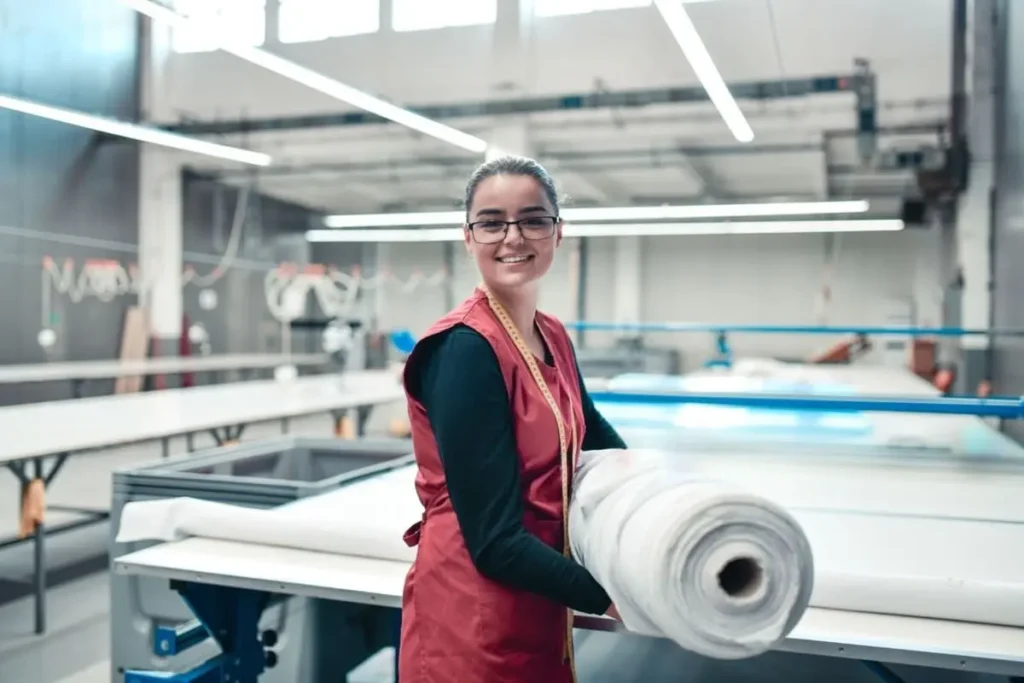
Selecting a reliable textile partner is important for achieving consistent quality.
JCW Textile specializes in customized textile solutions, helping customers transform creative ideas into finished fabrics.
Our advantages include:
Professional Custom Fabric Printing Experience
We support customers with:
- Fabric selection
- Printing method recommendations
- Artwork preparation
- Production guidance
Whether you are creating a small personal project or developing a commercial collection, our team provides practical textile solutions.
Wide Range of Fabric Applications
Our custom printing services are suitable for:
- Apparel brands
- Fashion designers
- Textile wholesalers
- Retail businesses
- DIY creators
From clothing materials to creative textile products, we help customers develop unique fabric solutions.
Flexible Customization Options
JCW Textile supports different customization requirements, including:
- Custom patterns
- Personalized colors
- Brand logos
- Repeat designs
- Different fabric specifications
Customers looking for custom printed fabric can create unique products based on their own ideas.
Global Textile Supply Solutions
With professional manufacturing experience, JCW Textile provides customized fabric solutions for customers worldwide.
Our goal is to help businesses create high-quality textile products with reliable production support.
To learn more about our company, visit:
Single Jersey Fabric vs Other Fabrics: Why Choose It?
Compared with many woven fabrics, single jersey fabric offers unique advantages.
| Feature | Single Jersey Fabric | Woven Fabric |
|---|---|---|
| Stretch | Excellent natural flexibility | Limited |
| Comfort | Very soft | Depends on material |
| Breathability | High | Medium to high |
| Printing Suitability | Excellent | Good |
| Apparel Application | Very common | Common |
For comfortable everyday clothing and personalized textile products, single jersey remains one of the most practical choices.
Conclusion: Create Unique Products with Custom Printed Single Jersey Fabric
Single jersey fabric continues to be one of the most versatile textile choices for fashion, apparel, and creative projects.
Its combination of:
- Soft texture
- Breathability
- Natural stretch
- Printing compatibility
makes it an excellent option for designers, brands, and businesses.
With modern printing technology, creating personalized textiles has become easier than ever. Whether you need a small DIY project or large-scale production, custom printed single jersey fabric provides unlimited creative possibilities.
JCW Textile offers professional fabric printing services to help customers bring their designs to life with high-quality materials and reliable production support.
Frequently Asked Questions About Single Jersey Fabric
1. What is single jersey fabric?
Single jersey fabric is a lightweight knitted textile made using a single knitting structure. It has a smooth surface, soft texture, natural stretch, and excellent breathability, making it widely used for T-shirts, baby clothing, casual wear, and custom textile products.
2. What are the main advantages of single jersey fabric?
The main advantages of single jersey fabric include softness, breathability, flexibility, lightweight comfort, and excellent suitability for printing. Its smooth surface makes it an ideal choice for creating high-quality custom printed fabric designs.
3. Can you print on cotton fabric?
Yes. You can print on cotton fabric using different textile printing technologies, including digital printing, reactive printing, and pigment printing. Cotton single jersey fabric is especially suitable because it provides a soft surface and excellent color absorption.
4. Is single jersey fabric good for custom printing?
Yes. Single jersey fabric is one of the most popular materials for custom printed fabric because it supports detailed patterns, vibrant colors, and personalized designs. It is commonly used for custom T-shirts, apparel collections, baby products, and DIY projects.
5. What printing methods are available for single jersey fabric?
The most common printing methods for single jersey fabric include:
- Digital printing – ideal for detailed designs and small quantity orders
- Reactive printing – suitable for cotton fabrics requiring excellent color fastness
- Pigment printing – a flexible and cost-effective printing solution
The best method depends on fabric composition, design requirements, and production volume.
6. Can I order custom printed single jersey fabric in small quantities?
Yes. Digital textile printing allows flexible production quantities, making it suitable for designers, small businesses, DIY creators, and brands testing new products.
JCW Textile provides customized fabric printing solutions for both small and bulk orders.
7. What designs work best on single jersey fabric?
Many design styles work well on single jersey fabric, including:
- Floral patterns
- Geometric designs
- Cartoon illustrations
- Brand logos
- Abstract artwork
- Personalized graphics
High-resolution artwork usually produces the best printing results.
8. How do I create my own custom printed fabric?
To create custom printed fabric:
- Prepare your artwork
- Select the suitable fabric type
- Choose a printing method
- Confirm colors and pattern layout
- Produce a sample
- Begin production
Customers can also use JCW Textile’s design your fabric service for professional assistance.
9. How should I care for printed single jersey fabric?
To maintain printed colors and fabric quality:
- Wash with cold water
- Use mild detergent
- Avoid bleach
- Avoid high-temperature drying
- Iron on the reverse side
Proper care helps extend the life of printed designs.
10. Why choose JCW Textile for custom printed fabric?
JCW Textile provides professional fabric printing services with customized solutions for fashion brands, designers, wholesalers, and businesses.
Our services include:
- Custom fabric printing
- Fabric selection assistance
- Artwork preparation support
- Small and bulk production options