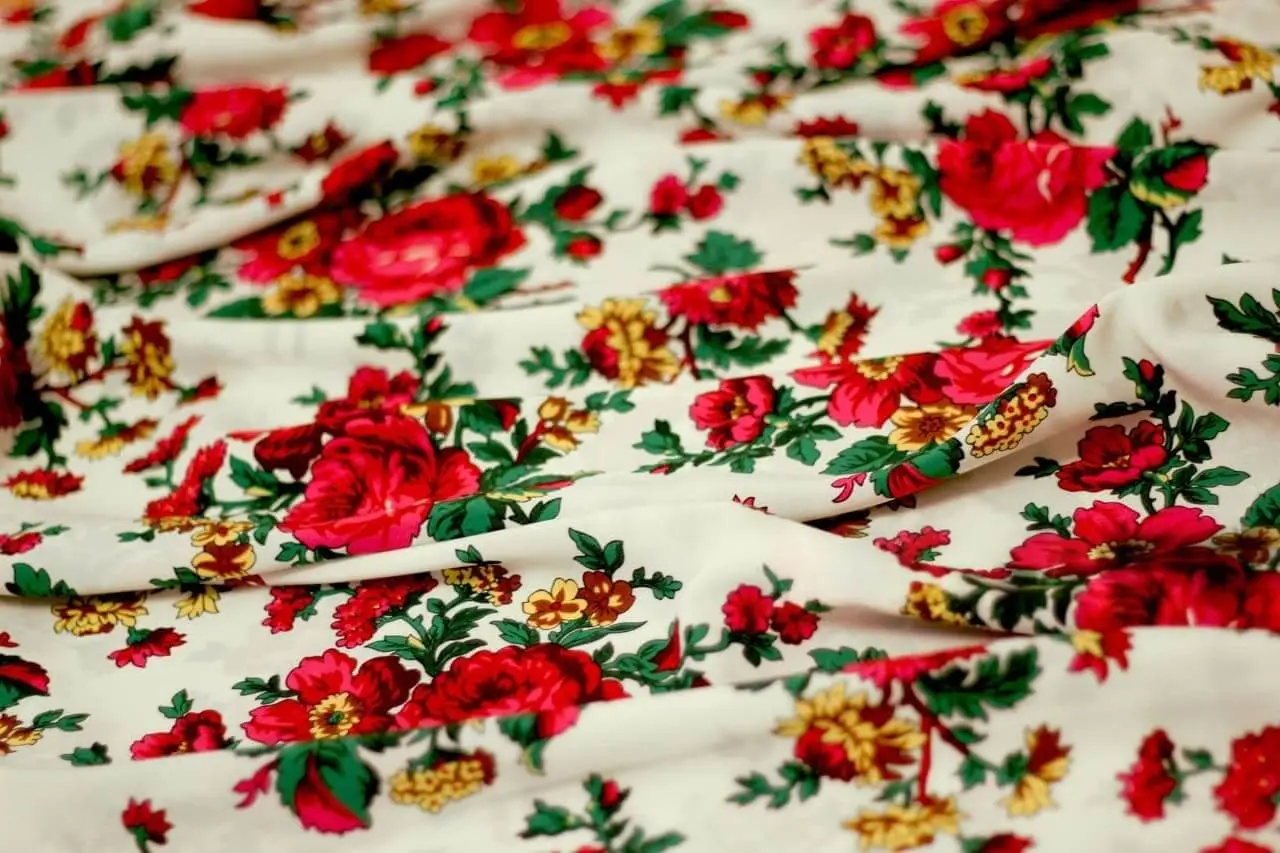
Printing on silk fabric is one of the most challenging yet rewarding processes in textile printing. Silk is prized for its natural sheen, softness, and fluid drape—but these same qualities also make it highly sensitive to heat, tension, and unsuitable inks. Without the right techniques, silk fabric printing can easily result in stiffness, color bleeding, or permanent texture damage.
In this guide, we’ll explain how to print on silk fabric without compromising its texture, explore the best modern printing methods, and share practical tips for achieving high-quality printed silk fabric for fashion, accessories, and home décor.
If you’re new to textile printing or looking to improve results, you may also find helpful resources in our
👉 Blog: https://jcwtextile.com/blog/
👉 About Us: https://jcwtextile.com/about-us/
Understanding Silk Fabric and Why It’s So Delicate
Silk is a natural protein fiber produced by silkworms, and its smooth surface structure is fundamentally different from cotton or polyester. This unique composition gives silk its luxurious feel—but also makes it more vulnerable during printing.
According to Textile School, silk fibers are extremely fine and sensitive to high temperatures and aggressive mechanical processing, which explains why improper printing methods often damage the fabric’s surface and drape.
Common Types of Printable Silk Fabric
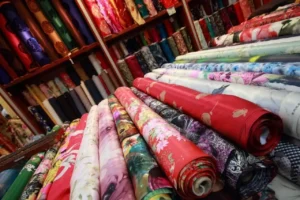
Not all silk fabrics behave the same during printing. The most commonly used printable silk fabric types include:
Silk Charmeuse – Smooth, glossy front with excellent color depth
Silk Satin – Slightly heavier, suitable for vibrant printed silk fabric
Silk Habotai – Lightweight and breathable, ideal for scarves
Silk Chiffon – Sheer and delicate, requires precise ink control
Choosing the right silk base is the first step toward successful silk fabric printing.
Best Printing Methods for Silk Fabric
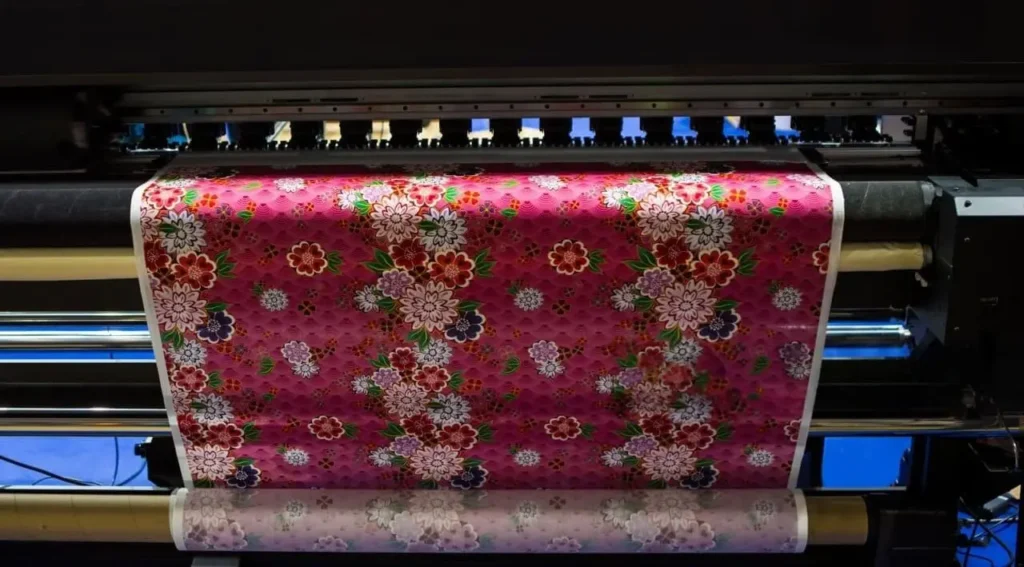
When it comes to printing on silk fabric, the printing method matters more than almost any other factor.
Digital Printing on Silk: The Modern Standard
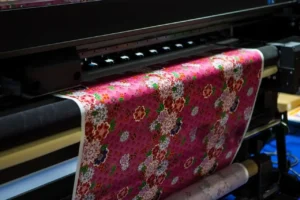
Digital printing on silk is widely regarded as the safest and most effective technique for preserving texture. Unlike traditional screen printing, digital methods apply ink precisely and gently, reducing mechanical stress on the fabric.
Key benefits include:
Minimal tension during printing
Accurate color placement and gradients
Compatibility with fine silk weaves
Ideal for small batches and custom silk printing
Organizations like FESPA highlight digital textile printing as the leading solution for high-value fabrics such as silk, where quality and surface integrity are critical.
Reactive vs. Acid Inks for Silk Fabric Printing
Ink selection plays a major role in protecting silk texture:
Reactive inks:
Bond chemically with silk fibers
Maintain softness and breathability
Excellent wash fastness
Acid inks:
Offer strong color saturation
Require precise temperature control
Common in premium printed silk fabric applications
Both options can deliver excellent results when paired with controlled digital printing on silk.
Key Factors That Protect Silk Texture During Printing
Even with the right printing method, several process details determine whether the final fabric remains soft and fluid.
Pre-Treatment: Preparing Silk for Printing
Pre-treatment ensures ink absorption without excessive spreading. Proper preparation helps:
Maintain fabric smoothness
Prevent color bleeding
Improve print clarity on printable silk fabric
Heat Control and Fixation
Silk reacts poorly to excessive heat. Controlled fixation temperatures are essential to:
Lock in color
Avoid fiber hardening
Preserve the natural sheen
Post-Printing Washing and Finishing
Gentle washing removes excess dye while restoring softness. This step is critical for high-end custom silk printing where hand feel matters as much as appearance.
Custom Silk Printing: What to Consider Before Ordering
If you’re planning custom silk printing, a few considerations can dramatically improve final results:
Fabric selection – Match design complexity with the right silk weave
Artwork quality – High-resolution files ensure clean edges
Color management – Accurate profiles prevent unexpected shifts
You can explore available silk bases on our Fabric Collection page.
To start your own custom silk project, visit: design-your-fabric.
Common Mistakes That Ruin Printed Silk Fabric
Many issues with printed silk fabric stem from avoidable mistakes, such as:
Using heat-transfer printing meant for polyester
Applying pigment inks without proper fixation
Ignoring post-print finishing steps
Understanding silk’s sensitivity is essential to achieving professional silk fabric printing results.
Applications of Printed Silk Fabric
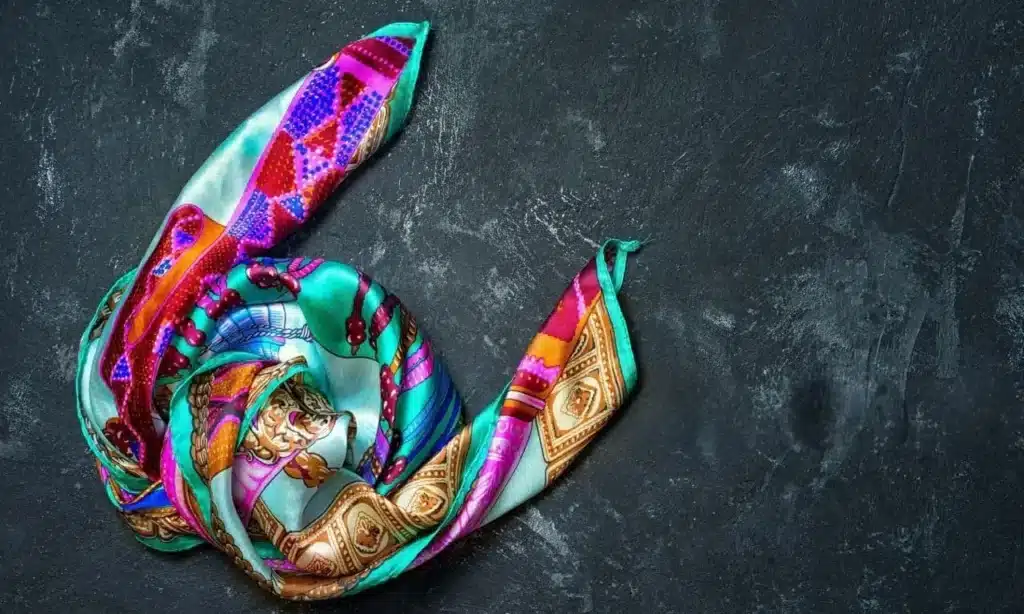
When printed correctly, silk becomes a versatile material for premium products, including:
Fashion garments and linings
Luxury silk scarves
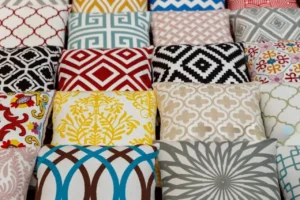
Home décor accents such as curtains and cushions
High-quality printing on silk fabric enhances both visual appeal and perceived value.
Conclusion: High-Quality Silk Printing Without Compromise
Printing on silk fabric doesn’t have to mean sacrificing texture or softness. By choosing digital printing on silk, using appropriate inks, and controlling every step of the process, it’s possible to achieve vibrant, long-lasting designs while preserving the fabric’s natural elegance.
Whether you’re producing small-batch designs or scaling up custom silk printing, understanding these principles will help you create printed silk fabric that looks as good as it feels.
👉 Learn more about our process and expertise:
https://jcwtextile.com/about-us/
📚 Faqs About Printing on Silk Fabric
1. Can you print on silk fabric without damaging the texture?
Yes. Printing on silk fabric can be done safely when using gentle techniques such as digital printing on silk. Proper ink selection, controlled heat, and careful post-treatment help preserve silk’s softness, sheen, and natural drape.
2. What is the best printing method for silk fabric?
Digital printing on silk is widely considered the best option. It applies ink with minimal tension and precise control, making it ideal for delicate silk fabric printing and custom silk printing projects.
3. Which inks are suitable for printed silk fabric?
Reactive and acid inks are commonly used for printed silk fabric. Both bond well with silk fibers and provide vibrant colors while maintaining a soft hand feel when properly fixed and washed.
4. Is silk fabric suitable for custom printing?
Yes. Printable silk fabric is excellent for custom printing, especially for fashion garments, scarves, and home décor. Choosing the right silk type and professional printing process is essential for high-quality results.
5. Does digital printing affect the softness of silk fabric?
When done correctly, digital printing on silk does not reduce softness. In fact, it is one of the safest methods to maintain the original texture compared to traditional or heat-transfer printing techniques.