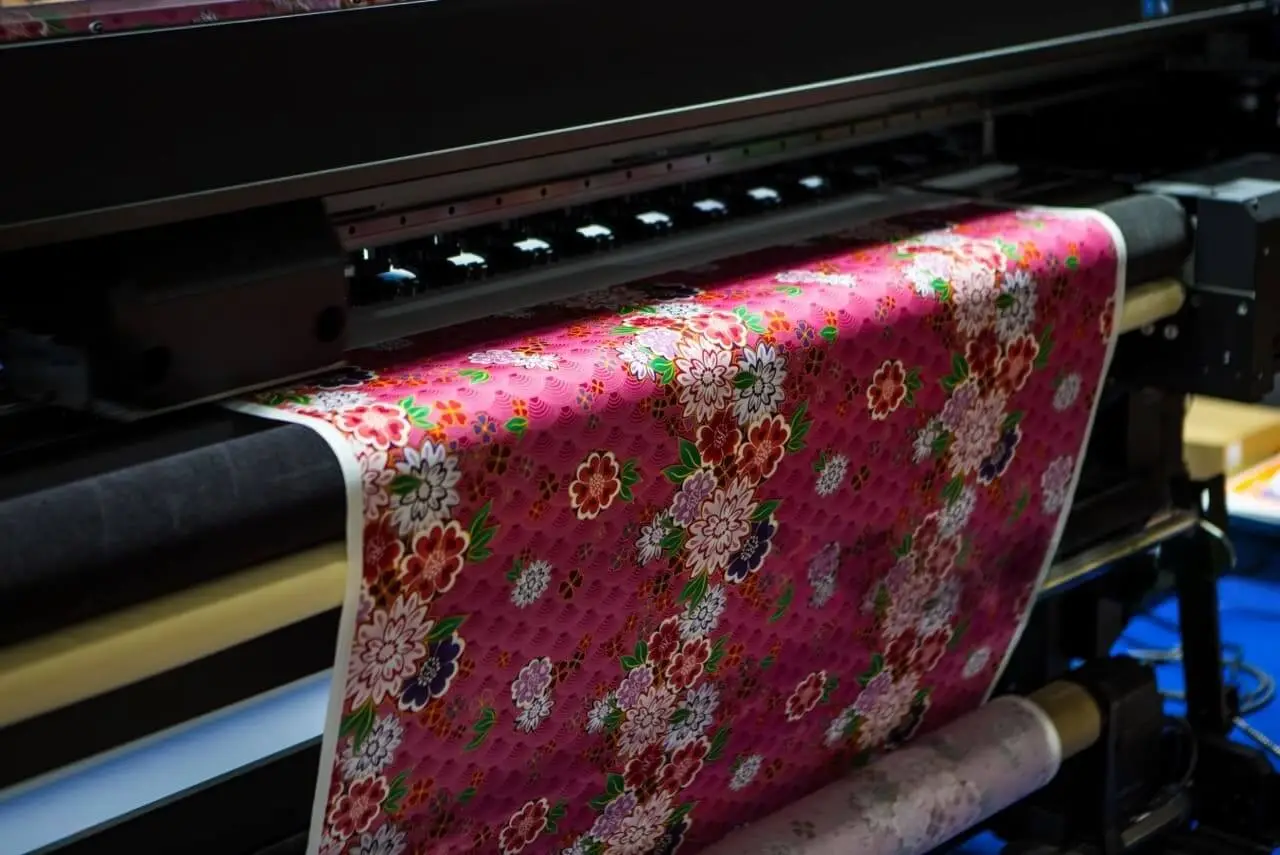
Linen fabric has become a popular choice for designers, home décor brands, and custom textile businesses thanks to its natural texture, breathability, and eco-friendly appeal. However, printing on linen fabric requires a different approach compared to cotton or polyester.
In this guide, we’ll explain how to print on linen fabric, walk through the linen fabric printing process, and show why digital printing is the best solution for modern printed linen applications.
Why Linen Is Ideal for Digital Printing
Linen is made from flax fibers, giving it a distinctive organic texture that many customers value. When combined with modern digital textile printing, linen offers a unique balance between natural aesthetics and high-quality customization.
Compared with traditional methods, digital printing on linen fabric allows linen to be printed in smaller batches, with more color flexibility and faster turnaround times. This makes it ideal for brands offering custom printable linen rather than mass production.
If you want to learn more about our experience with digital textile printing and custom fabric solutions, visit our About Us page.
Understanding Linen Fabric Before Printing
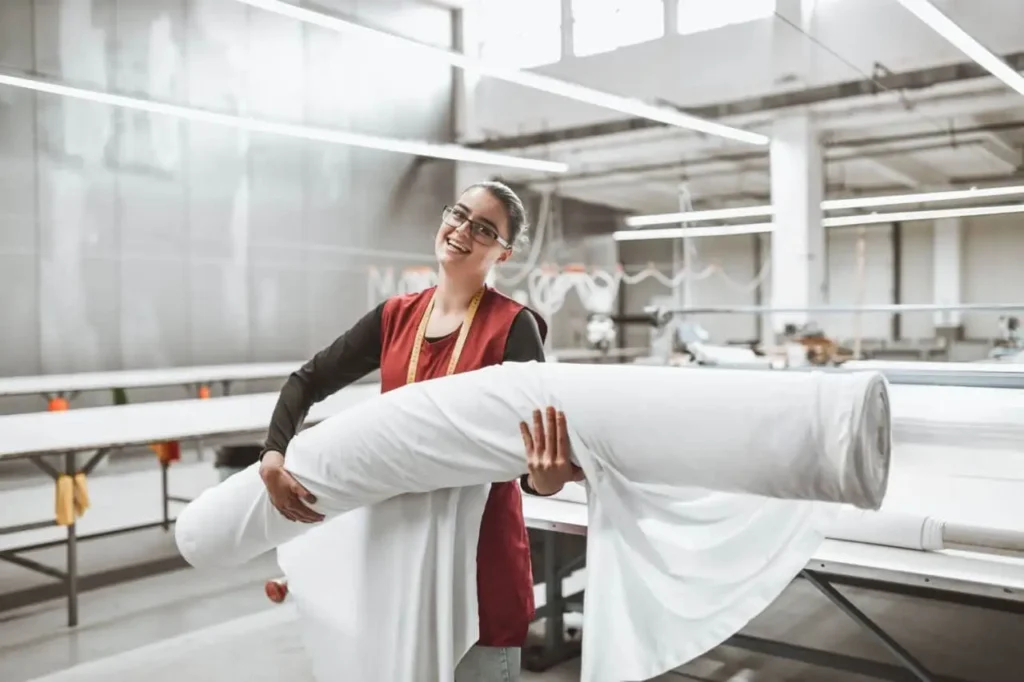
Before starting any linen fabric printing project, it’s important to understand the structure and behavior of linen fibers.
What Is Linen Fabric Made Of?
Linen is produced from flax fibers, which are longer and stiffer than cotton fibers. This structure gives linen its durability and breathability, but it also affects how ink is absorbed during the printing process.
According to Textile School’s overview of linen fabric, flax fibers have lower elasticity and a more uneven surface compared to cotton, which directly influences print sharpness and color consistency.
Is Linen Printable? Key Factors That Affect Print Quality
Yes—linen is printable, but results depend on several factors:
Fabric weave (plain weave works best)
Fabric weight (medium GSM is ideal)
Surface treatment and coating
Ink type and fixation method
Choosing professional-grade printable linen is essential for achieving consistent results. You can explore our available fabric options on the Our Fabric page.
Linen Fabric Printing Process Explained
The linen fabric printing process includes several steps that ensure color accuracy and durability. Pre-treatment or coating improves ink absorption, reduces color bleeding, and enhances detail clarity—especially important due to linen’s textured surface.
As detailed in Linenwind’s guide, understanding each printing method—from reactive dyes to digital pigment inks—helps achieve optimal results for both home décor and fashion applications.
Pre-Treatment for Linen Printing
Linen typically requires pre-treatment or coating before printing. This step improves ink absorption, reduces color bleeding, and enhances detail clarity—especially important due to linen’s textured surface.
Without proper pre-treatment, printed linen may appear faded or uneven.
Digital Printing on Linen Fabric
Digital printing allows complex designs, gradients, and photographic details to be accurately printed on linen. Different ink types interact differently with linen fibers, making pre-treatment and proper fixation critical for maintaining color fastness.
For a technical perspective on ink compatibility and wash performance, see Szoneier Fabrics. Following these recommendations ensures your print on linen fabric remains vibrant and durable.
Fixation and Post-Treatment
After printing, the fabric goes through fixation—usually heat or steam—to bond the ink permanently to the linen fibers. The fabric is then washed and dried to improve color fastness and softness.
Digital Printing vs Traditional Printing on Linen
When deciding how to print on linen fabric, it’s important to compare digital printing with traditional methods such as screen printing.
| Feature | Digital Printing | Screen Printing |
|---|---|---|
| Minimum Order | Low | High |
| Color Complexity | Unlimited | Limited |
| Custom Designs | Excellent | Poor |
| Setup Time | Minimal | Long |
For businesses focused on customization, personalization, or rapid prototyping, digital printing delivers better efficiency and quality for printed linen products.
Common Challenges When Printing on Linen (And Solutions)
Despite its advantages, printing on linen fabric comes with a few challenges.
Uneven Color Absorption
Linen’s natural texture can cause uneven ink absorption. Using coated or pre-treated printable linen helps maintain consistent color output.
Loss of Fine Details
Very thin lines or small text may not print sharply on linen. Adjusting DPI settings and avoiding overly intricate designs can significantly improve results.
Natural Texture Visibility
Linen’s texture will always be visible—and that’s often a design advantage. Embracing the organic look rather than trying to eliminate it produces better visual results.
If you want to turn these challenges into design strengths, you can start a custom project on our Design Your Fabric page.
Best Applications for Printed Linen Fabric
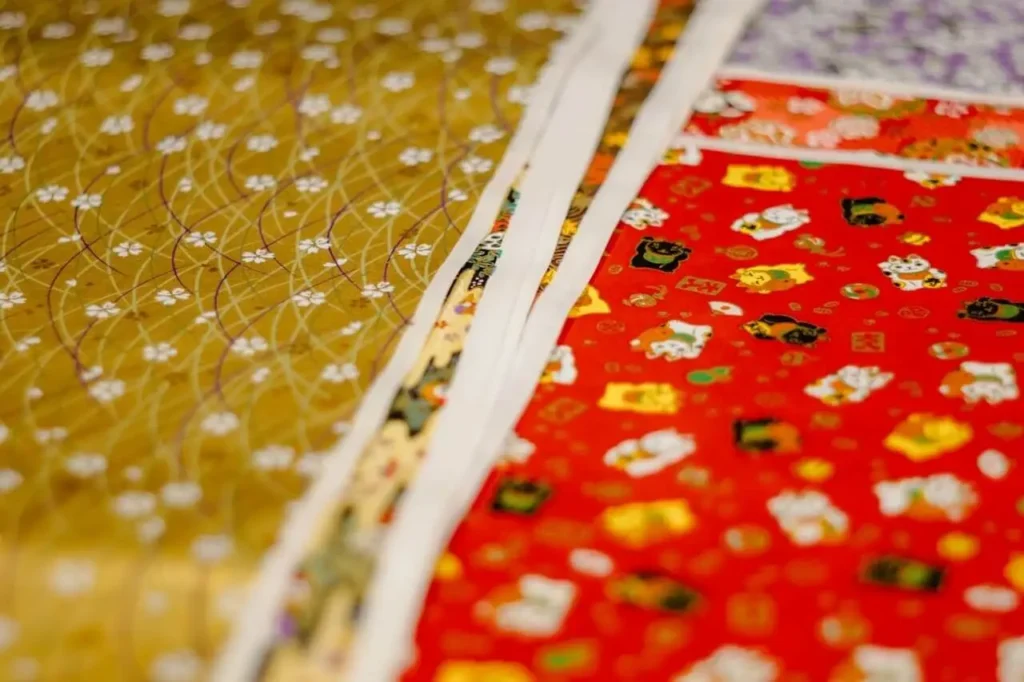
Printed linen fabric is widely used across multiple industries:
Home décor (curtains, tablecloths, cushion covers)
Fashion (dresses, shirts, resort wear)
Interior branding and upholstery
Eco-conscious product lines
Because linen is durable and breathable, it performs especially well in home and lifestyle applications that value both aesthetics and comfort.
For more fabric-related insights, browse our Blog for additional guides and comparisons.
How to Design for Linen Fabric Printing
Designing specifically for linen fabric printing improves both appearance and customer satisfaction.
Best practices include:
Using slightly bolder lines
Choosing earthy or muted color palettes
Avoiding overly smooth gradients
Designing patterns that complement linen’s texture
If you’re ready to create your own custom printed linen, our online tool makes it easy to design your fabric with professional digital printing support.
Conclusion: Is Linen Fabric Right for Your Printing Project?
If you’re looking for a fabric that combines natural aesthetics with customization potential, printing on linen fabric is an excellent choice. With the right materials, design approach, and digital printing process, printable linen delivers unique visual appeal and long-lasting performance.
Explore our fabric options on the Our Fabric page or start your next project through Design Your Fabric to bring your ideas to life.
📚 Faqs About Printing on Linen Fabric
1. Is linen fabric suitable for digital printing?
Yes, linen fabric is suitable for digital printing when properly pre-treated. Digital printing allows ink to bond effectively with flax fibers, making it ideal for custom and small-batch linen fabric printing.
2. What is the best printing method for linen fabric?
Digital textile printing is the best option for linen fabric, especially for customized designs. It supports complex patterns, rich colors, and low minimum order quantities compared to traditional screen printing.
3. Does printed linen fabric fade after washing?
High-quality printed linen fabric maintains good color fastness when washed correctly. Using professional digital printing techniques and following recommended care instructions helps prevent fading.
4. Can I print detailed designs on linen fabric?
Yes, but designs should account for linen’s natural texture. Slightly bolder lines and well-balanced color contrast produce the best results when printing on linen fabric.
5. What products are best made from printed linen?
Printed linen is commonly used for home décor items, fashion garments, table linens, curtains, and custom interior textiles due to its durability and breathable properties.