When it comes to custom fabric printing, color quality is often the deciding factor. Designers, brands, and manufacturers all want prints that look vibrant, sharp, and consistent over time. One of the most common questions in textile printing today is cotton vs polyester printing — which fabric delivers better color results?
The answer isn’t as simple as choosing one fabric over the other. Color performance depends on fiber structure, printing technology, and intended use. In this guide, we’ll break down the real differences between cotton fabric printing and polyester printing, helping you choose the right material for your next custom project.
For more insights on textile materials and printing techniques, explore our blog.
How Cotton and Polyester Differ at the Fiber Level
Understanding why colors behave differently starts with the fibers themselves.
Cotton Fiber Structure and Ink Absorption
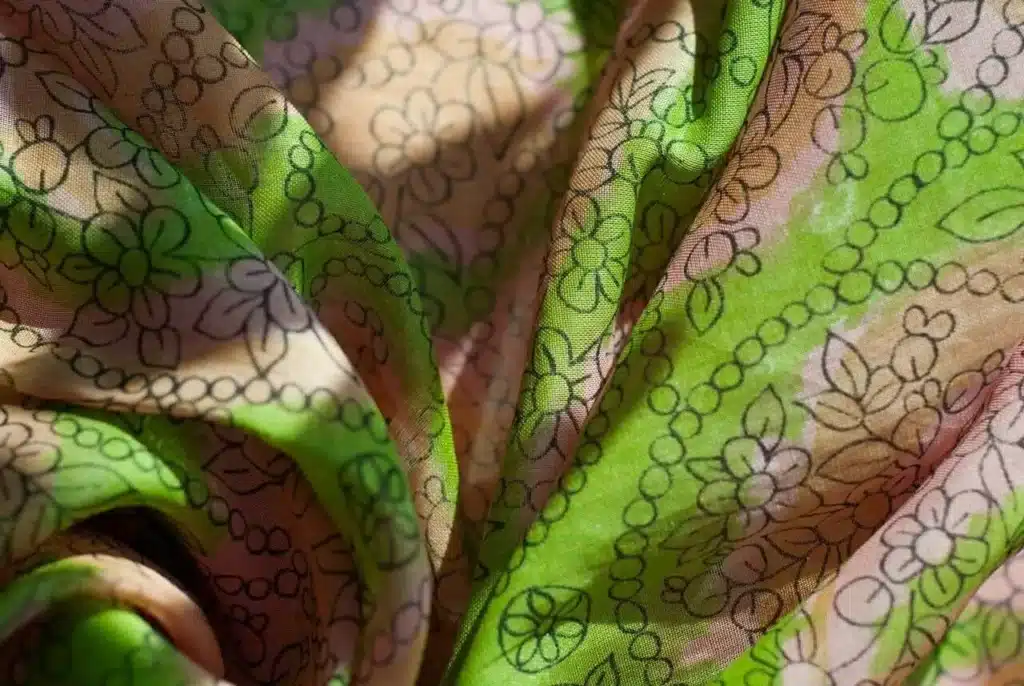
Cotton is a natural cellulose fiber with a soft, porous structure. This allows water-based inks to penetrate deeply into the fabric, which is why print cotton fabric processes often produce a natural, matte appearance.
In cotton fabric printing, pigments or reactive inks bond to the fiber surface and interior, creating prints that feel soft to the touch. While this results in excellent comfort and breathability, it can slightly reduce color saturation compared to synthetic fabrics.
From a material science perspective, cotton’s absorbent nature is well documented in textile education resources such as Textile School, which explains how fiber structure affects dye behavior.
Polyester Fiber Structure and Dye Bonding
Polyester is a synthetic fiber made from polymers with a smooth, non-porous surface. Unlike cotton, it does not absorb water-based inks. Instead, polyester printing relies primarily on dye sublimation, where heat transforms solid dye into gas that bonds directly with the fiber.
This process is the reason polyester fabric print quality is often associated with high saturation, strong contrast, and long-lasting color. According to Encyclopaedia Britannica’s overview of synthetic textile fibers, polyester’s molecular structure makes it exceptionally stable once dyed.
Printing Technologies: Digital Printing on Cotton vs Polyester
The printing method plays a critical role in color output.
Digital Pigment Printing on Cotton
Digital pigment printing is one of the most common methods for cotton fabrics. It offers flexibility, lower setup costs, and suitability for small-batch production.
Advantages of cotton fabric printing:
Natural, soft hand feel
Accurate color reproduction for subtle tones
Works across a wide range of cotton blends
Limitations:
Colors may appear slightly less vibrant
Deep blacks and neon shades are harder to achieve
Despite this, digital pigment printing remains the preferred option for brands focused on comfort, sustainability, and versatility.
Dye Sublimation Printing on Polyester
When comparing digital printing on cotton vs polyester, dye sublimation on polyester clearly stands out for color intensity.
Advantages of polyester printing:
Extremely vibrant and saturated colors
Excellent detail sharpness
No cracking, peeling, or fading
Because the dye becomes part of the fiber itself, polyester prints maintain their appearance even after repeated washing. Organizations like FESPA highlight dye sublimation as a leading technology for high-impact visual textiles.
To explore suitable materials for each printing method, visit our fabric page.
Color Vibrancy Comparison: Cotton vs Polyester Printing
This is where the difference becomes most visible.
Color Brightness and Saturation
In general, polyester fabric print quality surpasses cotton when it comes to brightness and saturation. Colors appear more vivid, especially reds, blues, and high-contrast designs.
Cotton, by comparison, delivers softer, more organic tones. This makes it ideal for applications where a natural aesthetic is preferred.
Detail Sharpness and Edge Definition
Polyester excels at producing crisp edges and fine details, making it a strong choice for complex patterns, gradients, and photographic designs.
Cotton prints may show slightly softer edges, but this effect is often desirable for artistic or lifestyle products.
Wash Fastness and Long-Term Color Stability
Polyester prints created through sublimation offer outstanding wash fastness. Cotton prints, while durable, may show gradual fading over time depending on ink type and care conditions. Standards from AATCC emphasize the importance of proper testing to ensure long-term color performance.
Best Use Cases: When to Print Cotton Fabric vs Polyester

Choosing the right fabric depends on your end use.
Cotton Printing Is Best For:
Home décor textiles
Baby and children’s products
Fashion items requiring breathability
Eco-conscious or natural-feel designs
Polyester Printing Is Best For:
Sportswear and activewear
Promotional banners and displays
High-impact graphic designs
Projects requiring maximum color vibrancy
To learn more about our printing philosophy and production standards, visit about-us.
Cost, Sustainability, and Production Considerations
Cotton printing typically offers lower material costs and broader sustainability options, especially when using responsibly sourced fibers. Polyester printing may involve higher initial costs but provides superior durability and reduced waste due to minimal ink loss during sublimation.
From a production standpoint, polyester is ideal for large-scale, color-critical projects, while cotton offers flexibility for diverse applications.
Final Verdict: Which Delivers Better Color Results?
So, cotton vs polyester printing — which is better?
For maximum vibrancy and long-term color stability: Polyester wins
For natural feel, versatility, and comfort: Cotton is the better choice
The best results come from matching the fabric to your design goals, usage requirements, and brand positioning.
If you’re ready to start a custom project, try our design-your-fabric tool to explore fabric options and bring your designs to life.
📚 Frequently Asked Questions (FAQs)
1. Is polyester printing more vibrant than cotton printing?
Yes. In most cases, polyester printing delivers more vibrant and saturated colors than cotton printing. This is because dye sublimation allows the ink to bond directly with polyester fibers, resulting in brighter and longer-lasting colors.
2. Which fabric offers better print quality: cotton or polyester?
Print quality depends on the desired result. Polyester fabric print quality is superior for bold colors and sharp details, while cotton fabric printing provides a softer, more natural appearance with excellent comfort.
3. Does cotton fabric printing fade faster than polyester?
Cotton prints may gradually fade over time, especially with frequent washing. Polyester prints created through dye sublimation generally maintain color better and offer higher wash fastness.
4. What is the best digital printing method for cotton fabric?
Digital pigment printing is the most widely used method to print cotton fabric. It offers flexibility, works on many cotton blends, and is suitable for small-batch and custom production.
5. Cotton vs polyester printing: which is better for custom fabric designs?
Neither option is universally better. Cotton is ideal for breathable, natural-feel products, while polyester is better for high-impact designs that require maximum color vibrancy and durability.