A Complete Guide to Sheer Fabric Printing
Printing on sheer fabrics like mesh, lace, organza, and chiffon requires a very different approach compared to standard cotton or canvas textiles. Their lightweight structure, transparency, and open weaves present unique challenges—but when handled correctly, printed mesh fabric and other sheer materials can deliver stunning visual results.
In this guide, we’ll walk through how sheer fabric printing works, the best printing methods for mesh and organza, common problems to avoid, and how to design artwork that truly performs on transparent fabrics. If you’re new to custom fabric printing, you may also want to explore our background and production capabilities on our About Us page.
What Are Sheer Fabrics? Mesh, Lace, Organza & Chiffon Explained
Sheer fabrics are defined by their semi-transparent appearance and lightweight construction. While they may look similar at first glance, each fabric behaves differently during printing.
Mesh Fabric: Structure & Print Challenges
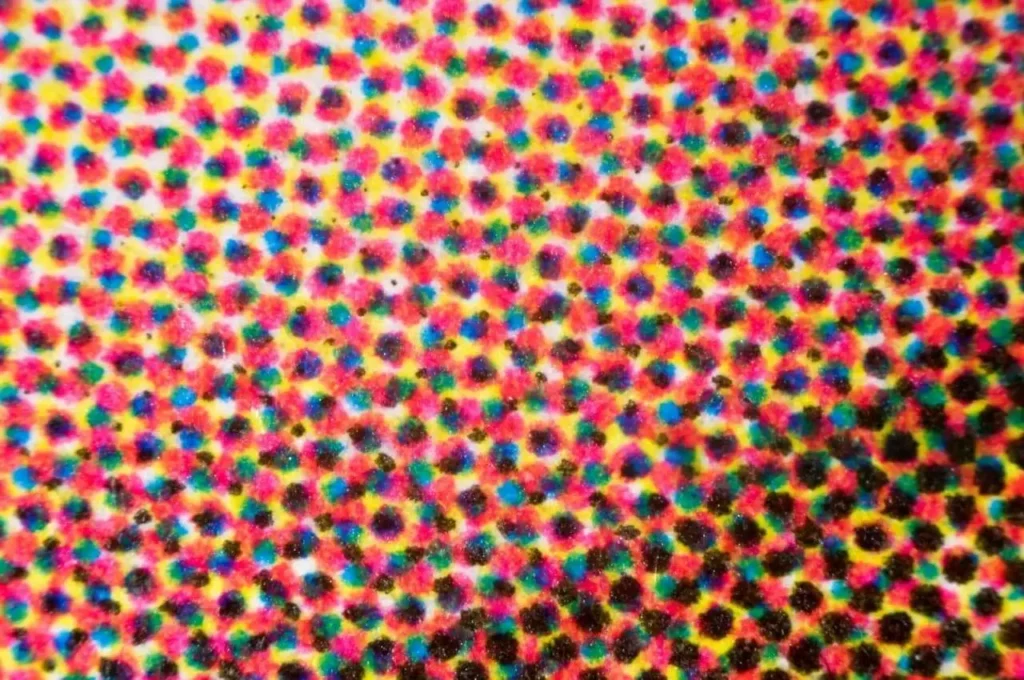
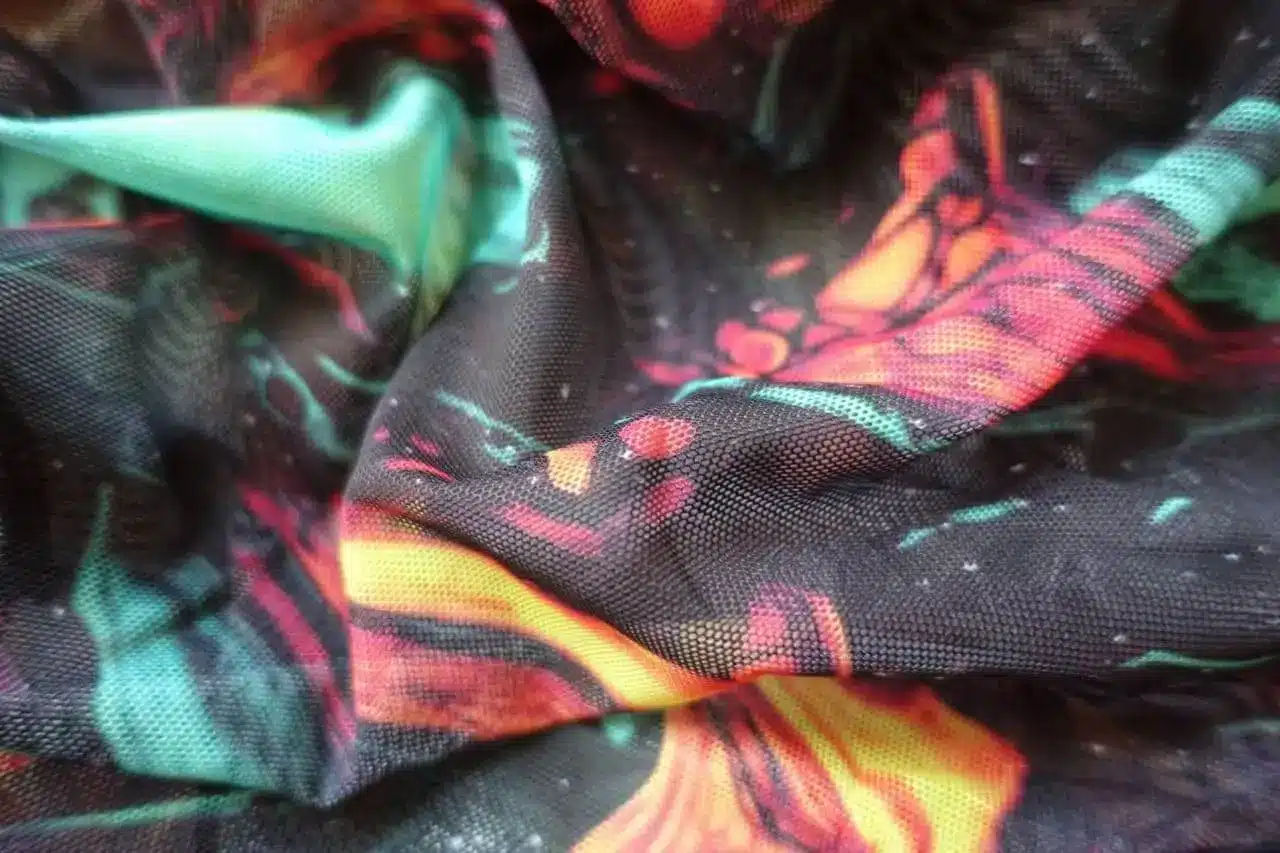
Mesh fabric features an open, grid-like structure that allows air and light to pass through. This makes mesh fabric printing popular for sportswear, stage costumes, and decorative panels.
However, the open holes mean ink can easily spread or bleed if not properly controlled. High-quality printed mesh fabric relies on precise ink placement, optimized color profiles, and carefully selected base materials—especially when fine details are involved.
Lace Fabric: Open Patterns & Print Precision
Lace fabrics combine open spaces with intricate woven or embroidered patterns. Printing on lace requires extra attention to pattern alignment and ink density, as excessive ink can distort delicate details or reduce transparency.
Organza Fabric: Crisp Transparency & Color Control
Organza is a sheer, crisp fabric—often made from polyester or silk—that holds shape better than chiffon. Printing on organza demands excellent color management because light easily passes through the fabric, affecting how colors appear from different angles.
Chiffon Fabric: Soft Flow & Ink Absorption
Chiffon is soft, flowing, and highly translucent. Printed chiffon fabric is widely used in fashion due to its elegant drape, but ink absorption must be carefully balanced. Without proper control, colors may appear muted or uneven on printed chiffon material.
For a deeper look at fabric structures and textile classifications, resources like Textile School and Encyclopaedia Britannica offer solid foundational references.
Can You Print on Mesh and Sheer Fabrics?
Yes—sheer fabrics can absolutely be printed, but not all methods or designs will work equally well. Successful sheer fabric printing depends on three key factors:
Fabric composition (polyester vs natural fibers)
Weave openness and thickness
Printing method and ink type
At our facility, we test each material before production. You can explore which fabrics are suitable for printing on our Our Fabric page.
Best Printing Methods for Mesh, Lace & Organza Fabrics
Choosing the right printing technique is essential for achieving clean, vibrant results on sheer textiles.
Digital Fabric Printing for Sheer Materials
Digital textile printing offers precise control over ink placement, making it ideal for mesh, chiffon, and organza. It supports complex designs, gradients, and small production runs—perfect for custom projects and on-demand orders.
This method is particularly effective for printed mesh fabric where fine details and controlled saturation are critical.
Sublimation Printing: Is It Suitable for Mesh?
Sublimation printing works best on polyester-based mesh fabrics. The ink becomes part of the fiber, resulting in durable prints with no added texture. However, sublimation is not suitable for silk organza or natural chiffon.
Screen Printing vs Digital Printing on Sheer Fabrics
Screen printing can work for bold, simple designs, but it often struggles with transparency and fine detail. Digital printing, by contrast, provides higher resolution and better consistency for printing on organza and other sheer materials.
Organizations like FESPA and AATCC provide authoritative insights into modern textile printing technologies and standards.
Common Problems When Printing on Sheer Fabrics (And How to Fix Them)
Sheer fabric printing comes with predictable challenges:
Blurry patterns caused by excessive ink
Uneven color density due to fabric transparency
Ink bleeding through open weaves
Fabric distortion during printing
These issues can be minimized through proper fabric pretreatment, reduced ink saturation, and design optimization—especially for mesh fabric printing and chiffon.
Design Tips for Printed Mesh & Chiffon Fabrics
Design plays a critical role in the final result:
Use high-contrast patterns for better visibility
Avoid ultra-thin lines and small text
Repeating patterns often perform better than placement prints
Consider how the design looks when light passes through the fabric
If you’re preparing artwork for production, our Design Your Fabric page explains how to upload and customize your designs effectively.
Applications of Printed Mesh, Lace & Organza Fabrics
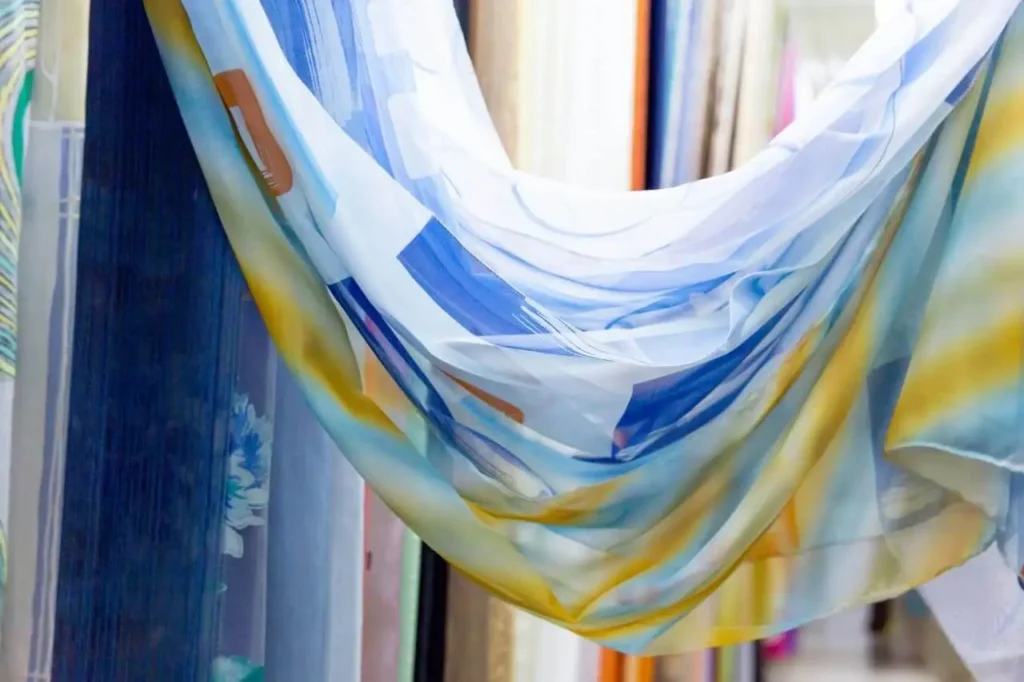
Thanks to their lightweight and decorative nature, sheer fabrics are widely used across industries:
Fashion and apparel (dresses, stage wear, bridal garments)
Interior decor (curtains, room dividers, overlays)
Commercial displays (exhibitions, retail visuals, event backdrops)
Well-executed printed mesh fabric is especially popular in performance costumes and architectural decor due to its breathability and visual depth.
How We Print High-Quality Mesh & Sheer Fabrics
We specialize in digital printing solutions tailored for delicate textiles. From fabric testing to color calibration, our workflow ensures reliable results across mesh, chiffon, and organza.
Learn more about our experience and production standards on our About Us page, or browse printable materials in Our Fabric section.
Conclusion: Choosing the Right Method for Sheer Fabric Printing
Printing on mesh, lace, organza, and chiffon is absolutely achievable with the right approach. By selecting suitable fabrics, optimizing designs, and using modern digital techniques, sheer fabric printing can deliver both beauty and durability.
Whether you’re developing fashion collections or decorative textiles, understanding how printed mesh fabric and other sheer materials behave is the key to professional results.
📚 Frequently Asked Questions (FAQs)
1. Can mesh fabric be printed?
Yes, mesh fabric can be printed using specialized techniques such as digital fabric printing or sublimation printing. High-quality printed mesh fabric requires precise ink control to prevent bleeding through the open weave.
2. What is the best printing method for sheer fabrics?
Digital textile printing is the most effective method for sheer fabric printing. It allows accurate ink placement and color control, making it ideal for mesh, organza, lace, and chiffon fabrics.
3. Is printing on organza fabric difficult?
Printing on organza can be challenging due to its transparency and crisp texture. Proper color profiling and reduced ink saturation are essential to achieve clean and vibrant results when printing on organza.
4. Can chiffon fabric be digitally printed?
Yes, chiffon fabric can be digitally printed. Printed chiffon fabric works best with high-contrast designs and simplified patterns to ensure clarity on this lightweight, translucent material.
5. Why do colors look lighter on sheer fabric printing?
Colors often appear lighter on sheer fabrics because light passes through the material. This is a natural characteristic of sheer fabric printing, and it can be compensated for by adjusting ink density and design contrast.
6. What designs work best for printed mesh and chiffon fabrics?
Bold patterns, larger shapes, and repeating designs perform best on printed mesh fabric and chiffon. Very thin lines or small text may lose clarity due to fabric transparency.