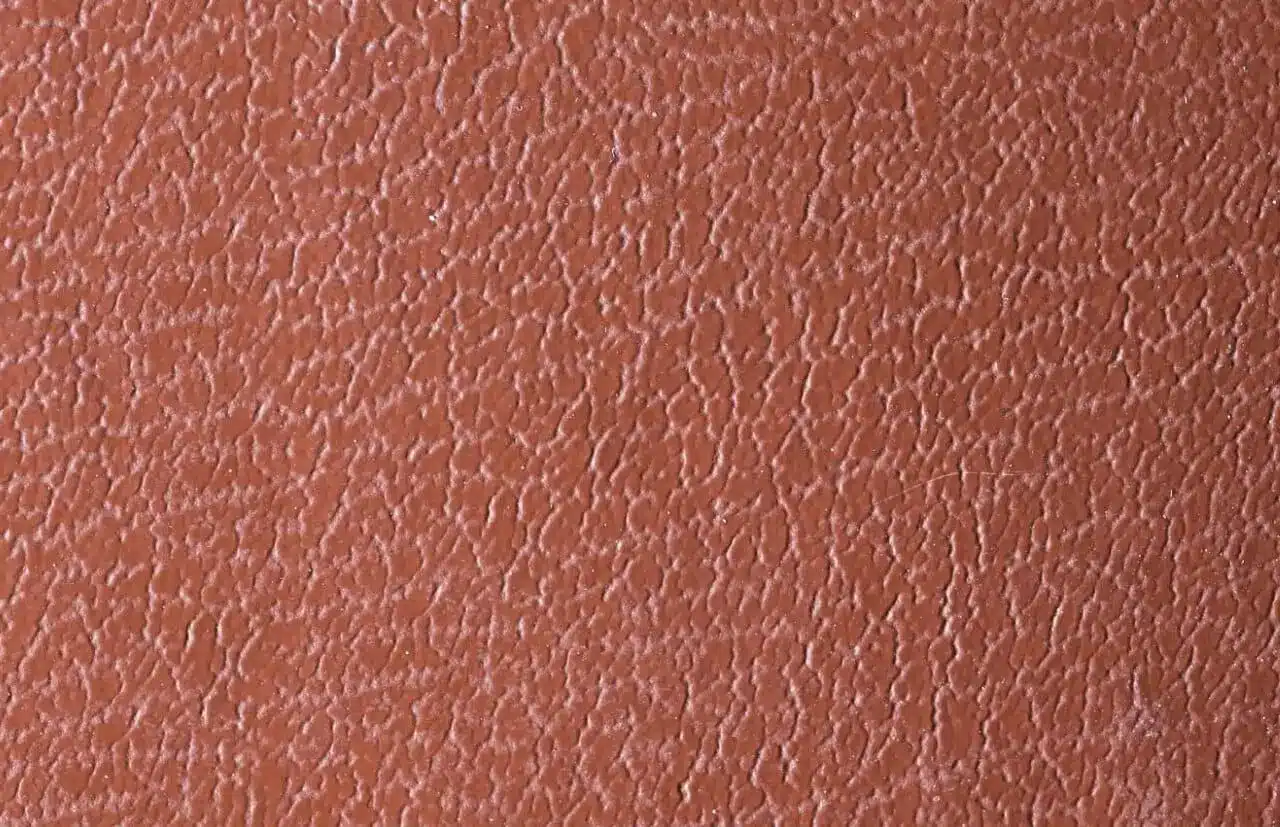
Printable faux leather and vinyl fabrics have become increasingly popular in fashion, accessories, home décor, and commercial applications. Thanks to advances in digital textile printing, designers and brands can now create highly detailed, custom patterns on synthetic leather and vinyl surfaces with excellent durability and visual impact.
In this guide, we explore what printable faux leather is, how it differs from printable vinyl fabric, common use cases, and practical printing tips to help you achieve the best results for custom faux leather printing projects.
What Is Printable Faux Leather?
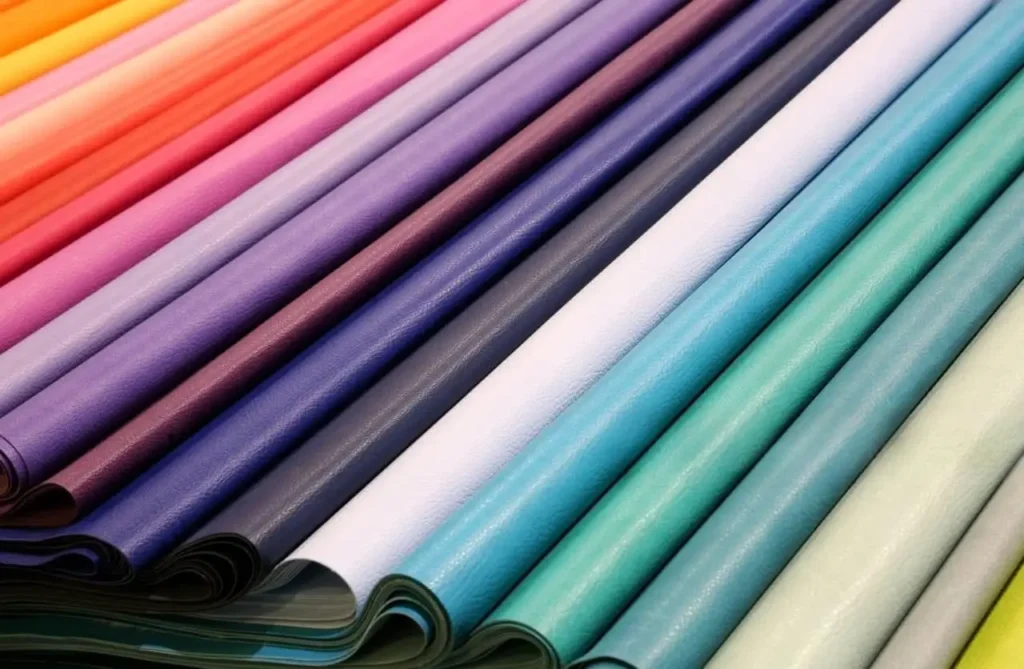
Printable faux leather refers to synthetic leather fabrics that are specially treated or coated to accept digital printing inks. These materials are typically composed of a textile backing with a polyurethane (PU) or polyvinyl chloride (PVC) surface layer, offering a leather-like appearance without using animal hides.
From a materials science perspective, synthetic leather is engineered to balance flexibility, abrasion resistance, and surface uniformity—key factors that directly affect print adhesion and color clarity. Research and technical overviews of synthetic leather materials highlight how surface coatings play a critical role in print performance and durability.
Learn more about available printable materials on our-fabric page.
Printable Faux Leather vs. Printable Vinyl Fabric
Although often grouped together, printable faux leather and printable vinyl fabric are not the same material. Understanding their differences helps you choose the right option for your project.
Faux Leather Fabric
Faux leather fabrics are designed to mimic the texture and flexibility of genuine leather. They are commonly used in fashion and accessories due to their softer hand feel and drape, making them suitable for garments and wearable items.
Vinyl Fabric
Vinyl fabric is usually made by coating a fabric base with polyvinyl chloride (PVC). According to Encyclopaedia Britannica, PVC is widely used in coated textiles because of its durability, water resistance, and versatility . These properties make vinyl fabric ideal for printed vinyl fabric applications such as upholstery, signage, and decorative panels.
Key difference for printing:
Faux leather offers better flexibility for clothing applications.
Vinyl fabric excels in structure and moisture resistance for commercial and decorative uses.
Common Uses of Printable Faux Leather Fabric
Faux Leather Fabric for Clothing
Printable faux leather is widely used in fashion, including jackets, skirts, stage costumes, and statement pieces. Its flexibility and smooth surface allow for vibrant prints without cracking when worn properly.
Bags, Shoes, and Accessories
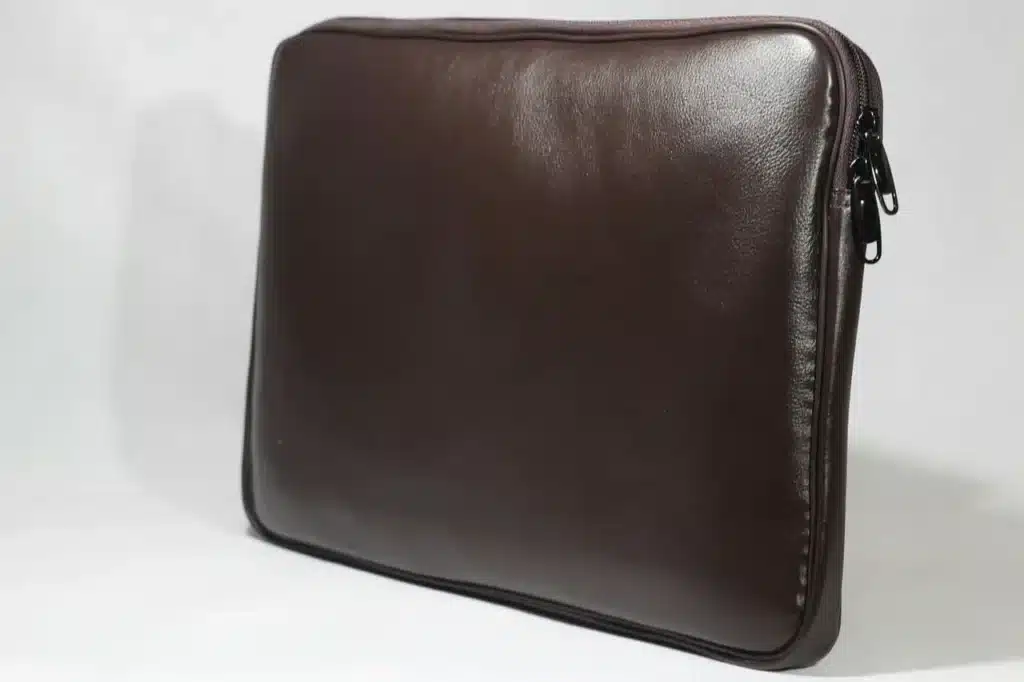
Custom faux leather printing is especially popular for handbags, wallets, belts, and small accessories. Designers can create unique textures and patterns while maintaining a premium look.
Home Décor and Commercial Applications
Both faux leather and vinyl fabrics are used for wall art, decorative panels, and retail displays where durability and visual impact are essential.
Start your own customization process on our design-your-fabric page.
Printing Methods for Faux Leather and Vinyl Fabrics
Successful fabric vinyl printing depends heavily on the printing technology and ink compatibility.
Digital Printing on Faux Leather
Modern digital textile printing allows for high-resolution images with excellent color saturation. Pigment-based inks are commonly used due to their versatility and wash resistance.
Printing on Vinyl Fabric
Vinyl surfaces are less porous, requiring inks with strong adhesion properties. Latex and UV printing technologies are often preferred for printed vinyl fabric to ensure durability and resistance to cracking.
Industry-leading digital textile printing solutions demonstrate how advanced ink systems can achieve consistent results on coated and synthetic fabrics such as faux leather and vinyl.
Design and File Preparation Tips
To achieve the best results in custom faux leather printing, proper design preparation is essential:
Use high-resolution files (300 DPI recommended)
Preferred formats: PNG or TIFF
Design in RGB color mode unless otherwise specified
Consider pattern scale and seam allowances
Avoid overly fine details on heavily textured surfaces
For more design and printing insights, explore our blog section.
Care and Durability of Printed Faux Leather and Vinyl
Durability is a major advantage of printable faux leather and vinyl fabrics when printed correctly. Key performance factors include abrasion resistance, color fastness, and surface coating quality.
Professional textile testing organizations such as Intertek evaluate these characteristics to ensure printed fabrics meet real-world usage requirements, including resistance to wear and fading.
For best longevity:
Clean with a damp cloth
Avoid harsh chemicals
Use for appropriate indoor or outdoor conditions based on material specifications
Why Choose Custom Printable Faux Leather from a Professional Fabric Printer?
Working with a professional fabric printing provider ensures consistent color management, reliable material sourcing, and optimized printing techniques for synthetic surfaces. Whether you need small-batch production or large-scale customization, professional printing delivers superior results compared to DIY methods.
Learn about our expertise on the about-us page
Start customizing your fabric today at design-your-fabric
📚 Frequently Asked Questions (FAQs)
1. Is printable faux leather suitable for clothing?
Yes. Printable faux leather is widely used for clothing such as jackets, skirts, stage costumes, and fashion accessories. When printed with flexible inks and properly cured, faux leather maintains comfort, durability, and color stability for wearable applications.
2. What is the difference between printable faux leather and printable vinyl fabric?
Printable faux leather is designed to mimic real leather in texture and flexibility, making it ideal for fashion and accessories. Printable vinyl fabric, typically PVC-coated, is more rigid and water-resistant, making it better suited for upholstery, décor, and commercial applications.
3. Can vinyl fabric be digitally printed?
Yes. Printable vinyl fabric can be digitally printed using latex, UV, or specially formulated pigment inks. Proper surface treatment and ink selection are essential to ensure strong adhesion and long-lasting print quality.
4. What is the best printing method for faux leather?
Digital textile printing with pigment-based inks is one of the most common and effective methods for custom faux leather printing. It delivers vibrant colors, fine detail, and good durability on synthetic leather surfaces.
5. How durable is custom faux leather printing?
When printed correctly, custom faux leather printing offers excellent durability, including resistance to abrasion, fading, and light surface wear. Durability depends on ink type, coating quality, and proper care.
6. Is printable faux leather easy to maintain?
Yes. Printable faux leather is generally easy to clean using a damp cloth and mild soap. Avoid harsh chemicals or excessive heat to preserve the printed surface and extend product lifespan.