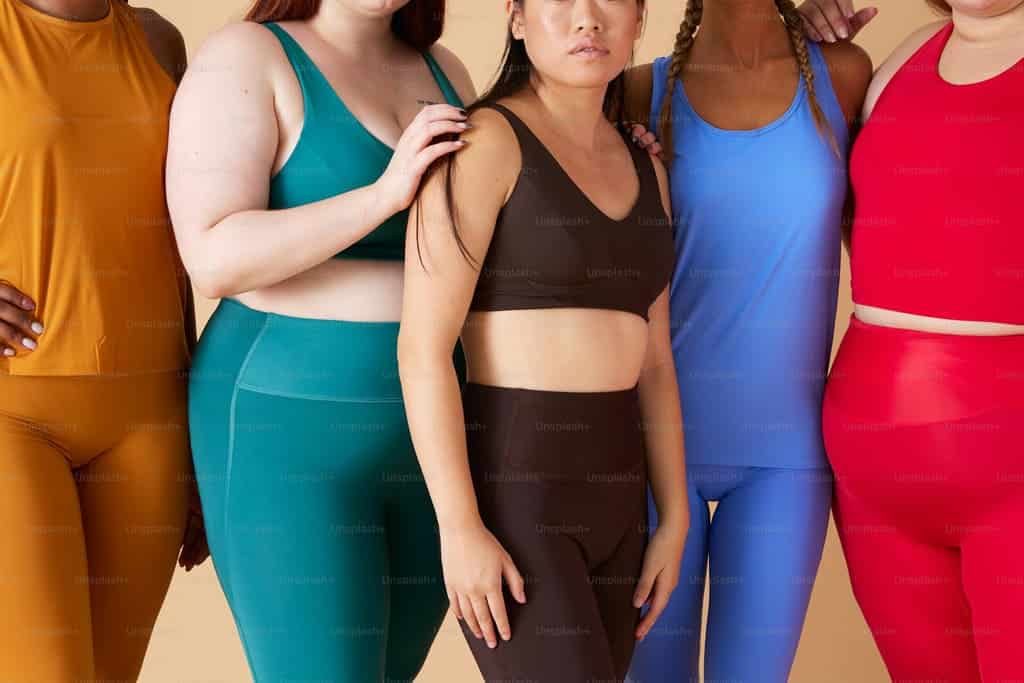
Choosing the right stretchy fabric is essential for creating comfortable, durable, and high-performance activewear. Among all materials used in sportswear today, polyester and spandex material stands out as one of the most versatile and reliable options. Whether you’re designing gym leggings, yoga sets, sports bras, or performance tops, understanding how each fabric blend works will help you create better products and choose the right materials for your customers.
In this guide, we break down the differences between polyester-spandex, cotton-spandex, and nylon-spandex fabrics so you can confidently select the best option for any activewear project.
When designing or sourcing materials for activewear, choosing the right stretchy fabric determines comfort, performance, and durability. Whether you’re selecting polyester and spandex material, spandex and cotton fabric, or wondering if polyester and spandex are stretchy, this guide will help you understand the best options for sportswear and custom-printed apparel.
To learn how our custom fabric printing works, you can also explore our internal page: How It Works.
1. What Makes Fabrics Stretchy?
Stretchiness in fabrics depends on fiber composition and construction. Materials like spandex, also called elastane, provide exceptional elasticity. Even small percentages (5–20%) dramatically improve flexibility.
For further reference, authoritative sources such as the American Association of Textile Chemists and Colorists (AATCC) explain the science behind stretch and recovery in fabrics:
🔗 https://www.aatcc.org/
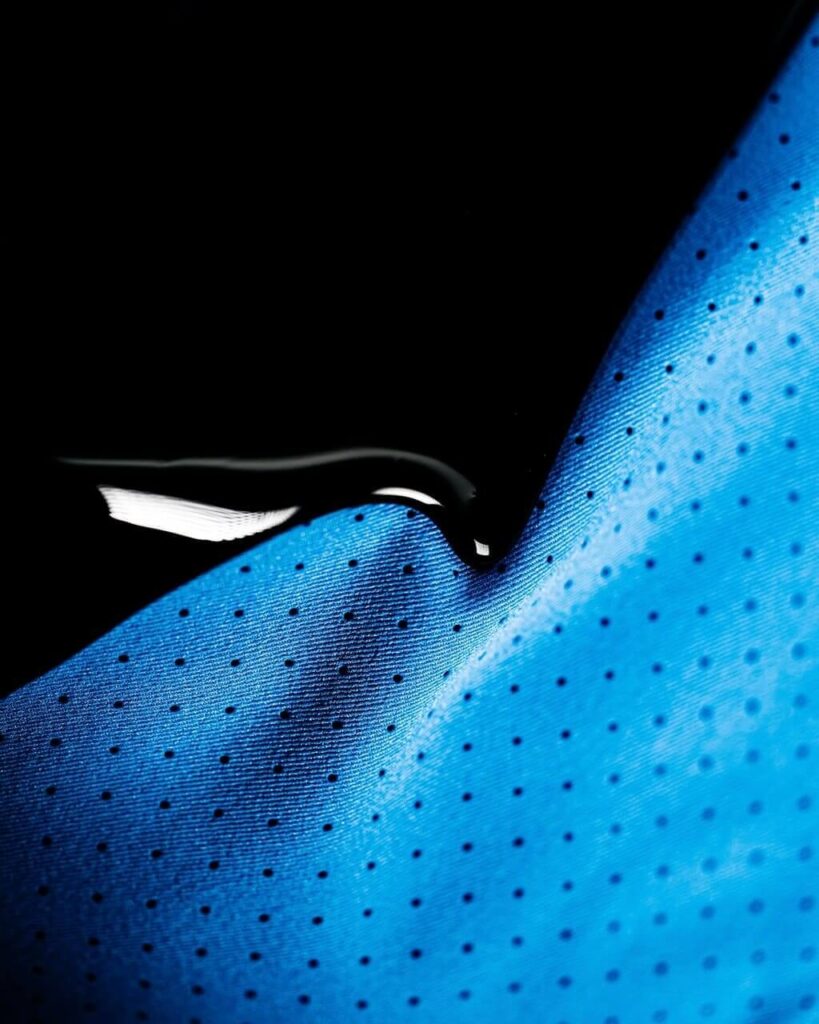
2. Polyester and Spandex Material
Polyester-spandex blends are among the most popular choices for performance clothing.this blend is highly stretchy. With 10–20% spandex, the fabric can stretch 4–7 times its original length and still recover shape.
2.1 Why This Blend Is Ideal
Excellent stretch & recovery
Sweat-wicking and fast-drying
Lightweight
Ideal for custom printing (sublimation & digital)
2.2 Common Use Cases
Yoga leggings
Compression tops
Running shorts
Sports bras
2.3 High-Authority Reference
For more details on polyester performance characteristics, see:
🔗 Textile World (industry authority)
https://www.textileworld.com/
Because polyester fibers naturally resist shrinking and wrinkling, polyester-spandex garments maintain their shape and look new longer than natural fabrics.

3. Spandex and Cotton Fabric
Cotton-spandex provides comfort and moderate stretch, suitable for athleisure.
Advantages
Breathable and soft
Natural feel
Great for light workouts and everyday wear
Limitations
Less moisture-wicking than polyester blends
Not ideal for intense sweat sessions
High-Authority Reference
🔗 Cotton Incorporated (research on cotton performance)
https://www.cottoninc.com/
Cotton-spandex is best for casual movement, yoga, loungewear, and lifestyle apparel—not heavy training.
4. Nylon + Spandex: The Highest Stretch
For maximum stretch and smoothness, nylon-spandex is the premium option.
Advantages
Superb elasticity
Silky and smooth feel
Very strong and abrasion-resistant
Great for compression garments
Best Uses
Dancewear
Swimwear
Shapewear
High-performance compression tights
Nylon is usually more expensive than polyester but offers a luxurious feel and exceptional flexibility.
5. Comparison Table of Stretch Fabrics
| Fabric Type | Stretch Level | Breathability | Best For |
|---|---|---|---|
| Polyester + Spandex | High | Medium | Activewear, leggings |
| Cotton + Spandex | Medium | High | Athleisure |
| Nylon + Spandex | Very High | Medium | Compression wear |
6. How to Choose the Best Stretch Fabric for Activewear
When selecting the right fabric for your collection, consider:
✓ Workout intensity
High-intensity → Polyester-spandex or nylon-spandex
Low-intensity → Cotton-spandex
✓ Moisture control
If fast-drying is essential → Polyester-spandex
✓ Desired feel
Soft and natural → Cotton-spandex
Smooth and premium → Nylon-spandex
✓ Printing needs
For sublimation or digital printing → Polyester-spandex is the best option.
If you need custom-printed activewear fabric, visit our product collection page or learn more on How It Works.
7. Why Custom Printed Stretch Fabrics Are Rising in Demand
As personalization grows, more brands shift to:
Small batch production
Print-on-demand solutions
Exclusive patterns and branding
Our company provides professional custom fabric printing.
Learn more About Us or Contact Us for a quote.

8. Work With Us on Your Custom Stretch Fabrics
We offer:
Premium polyester-spandex and cotton-spandex blanks
Custom prints
Fast production
Global shipping
Contact us today to start your activewear project.
📚 Frequently Asked Questions (FAQs)
1. Is polyester and spandex material stretchy?
Yes. Polyester and spandex material is extremely stretchy due to the flexibility of spandex fibers, which can extend up to 500% of their original length. When combined with polyester, the blend provides excellent 4-way stretch for activewear.
2. What is polyester and spandex fabric commonly used for?
This blend is widely used in yoga leggings, sports bras, gym sets, cycling suits, dancewear, swimwear, and compression garments because of its durability, stretch, and moisture-wicking performance.
3. How does polyester and spandex compare to spandex and cotton fabric?
Polyester and spandex material is more durable, more resistant to sweat, and dries faster than spandex and cotton fabric. Cotton blends are softer and more breathable, but polyester blends perform better for activewear and high-movement sports.
4. Is polyester and spandex good for custom fabric printing?
Yes. Polyester-spandex blends are ideal for sublimation printing. The polyester holds color extremely well, producing vibrant and long-lasting prints.
5. Does polyester and spandex shrink after washing?
Polyester and spandex fabrics do not shrink easily. It maintains its shape even after repeated washing, making it ideal for athletic and performance wear.
6. Is polyester and spandex material breathable?
Yes. Although not as breathable as cotton, this blend offers a balanced combination of breathability, moisture-wicking, and quick-drying performance—ideal for sports and workouts.
7. Is polyester and spandex comfortable to wear?
Absolutely. The fabric is soft, stretchy, lightweight, and smooth against the skin. It offers a comfortable fit without restricting movement.
8. What percentage of spandex is best for activewear?
Most high-performance activewear contains 10–20% spandex with the remaining percentage polyester. More spandex provides extra flexibility and compression.
9. Does polyester and spandex material pill easily?
High-quality blends resist pilling. Polyester fibers are durable, and spandex adds stretch without compromising fabric strength.
10. Is polyester and spandex suitable for hot weather?
Yes. The blend wicks sweat and dries quickly, making it appropriate for warm climates and outdoor workouts.