Choosing the right printable fabric is one of the most important decisions in custom digital textile printing. In 2026, as on-demand production, personalization, and sustainable manufacturing continue to grow, understanding how different fabrics perform under digital printing is no longer optional—it’s essential.
This guide explores the best printable fabrics for digital printing, compares their performance, and helps you choose the right material for your specific project, whether you’re printing for fashion, home décor, or commercial use.
Why Choosing the Right Printable Fabric Matters in 2026
Digital textile printing has evolved rapidly. Modern printers deliver higher resolution, faster output, and more environmentally friendly ink systems. However, even the most advanced printer cannot compensate for the wrong fabric choice.
The right printable fabric directly affects:
Color vibrancy and sharpness
Ink absorption and fixation
Fabric feel and drape
Durability after washing or use
Brands that invest time in fabric selection consistently achieve better print quality, lower waste, and higher customer satisfaction. At our core, we focus on helping customers select fabrics that match both their design goals and production needs. You can learn more about our approach on our About Us page.
What Is Printable Fabric?
A printable fabric is a textile material specifically suitable for digital printing technologies such as direct-to-fabric (DTF), reactive printing, pigment printing, or dye-sublimation. Not all fabrics are naturally compatible—printability depends on fiber composition, surface structure, and pre-treatment.
Key characteristics of a high-quality printable fabric include:
Consistent surface texture for accurate ink placement
Proper absorbency to prevent bleeding or dull colors
Dimensional stability during printing and heat fixation
Compatibility with digital inks
For a deeper technical overview of digital textile printing processes, Textile School provides an authoritative explanation of modern printing methods used across the industry.
Best Printable Fabrics for Digital Printing
Below is a detailed breakdown of the most popular and reliable printable fabrics used in digital printing today.
Printable Polyester Fabric: Best for Vibrant and Durable Prints
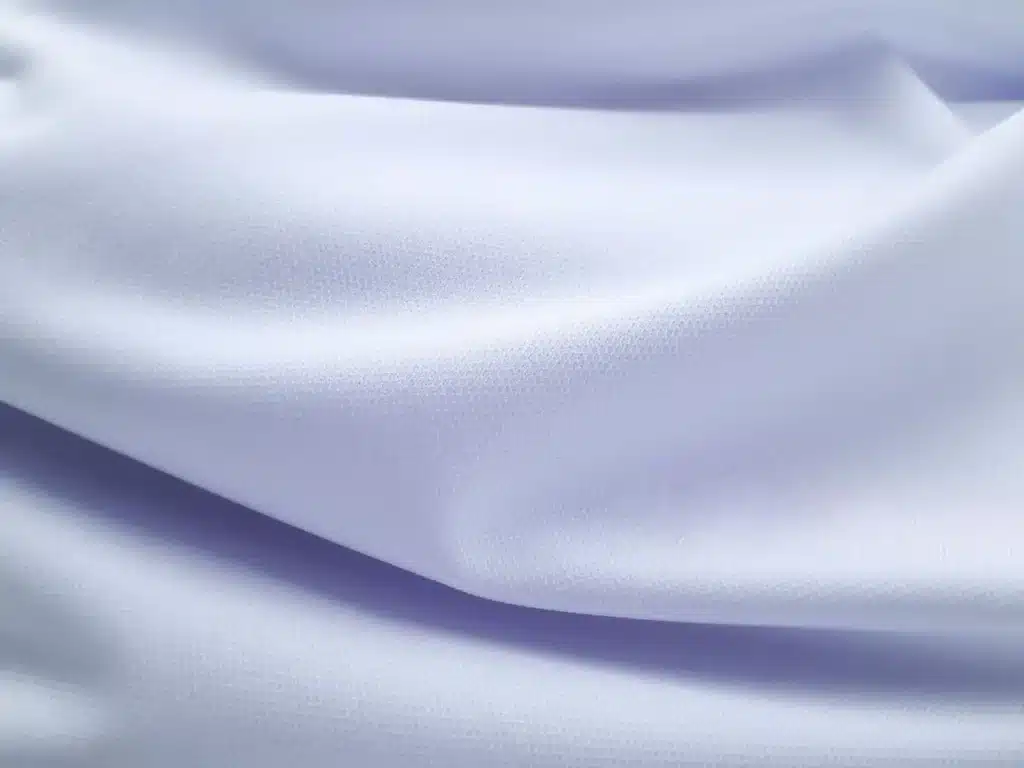
Printable polyester fabric is widely regarded as the most versatile and efficient option for digital printing, especially when paired with dye-sublimation technology.
Polyester offers excellent color saturation, sharp details, and long-term durability. Because the ink bonds directly with the fiber during sublimation, prints do not crack, peel, or fade easily.
Key advantages:
Exceptional color vibrancy
High resistance to washing and UV exposure
Low shrinkage and excellent dimensional stability
Common applications:
Sportswear and activewear
Home décor textiles
Display graphics and soft signage
Polyester remains a top recommendation when customers ask for the best fabric for digital printing, particularly for high-volume or performance-driven applications. You can explore our available polyester options on the Our Fabric page.
For an industry-level overview of polyester-based digital printing technologies, FESPA provides valuable insights into current and emerging printing standards.
Printable Cotton Canvas: Ideal for Art and Home Décor
Printable cotton canvas is a favorite for applications where texture and natural aesthetics matter as much as print quality. Cotton fibers absorb ink well, producing rich, matte finishes with excellent detail.
Unlike polyester, cotton printing often uses pigment or reactive inks, which offer a softer hand feel and a more organic appearance.
Why choose cotton canvas:
Natural fiber with breathable texture
Excellent for detailed artwork
Premium feel for interior use
Best uses:
Wall art and canvas prints
Decorative cushions and upholstery
Tote bags and lifestyle products
Cotton canvas is especially popular among artists and interior designers seeking a balance between visual quality and tactile appeal. For more cotton-focused insights, you can browse related articles in our Blog.
Printable Linen: Natural Texture with Premium Appeal
Printable linen stands out for its distinctive texture and eco-friendly image. Made from flax fibers, linen delivers a relaxed, organic look that works beautifully in minimalist and luxury interiors.
While linen can be more challenging to print due to its uneven surface, modern pre-treatment and digital printing techniques have made high-quality results achievable.
Benefits of printable linen:
Unique woven texture
Natural and sustainable fiber
Sophisticated, high-end appearance
Typical applications:
Curtains and drapery
Table linens and runners
Decorative home textiles
For a foundational explanation of linen fabric structure and history, Encyclopaedia Britannica offers a reliable reference that complements this discussion.
Printable Silk Fabric: Luxury Printing with High Precision
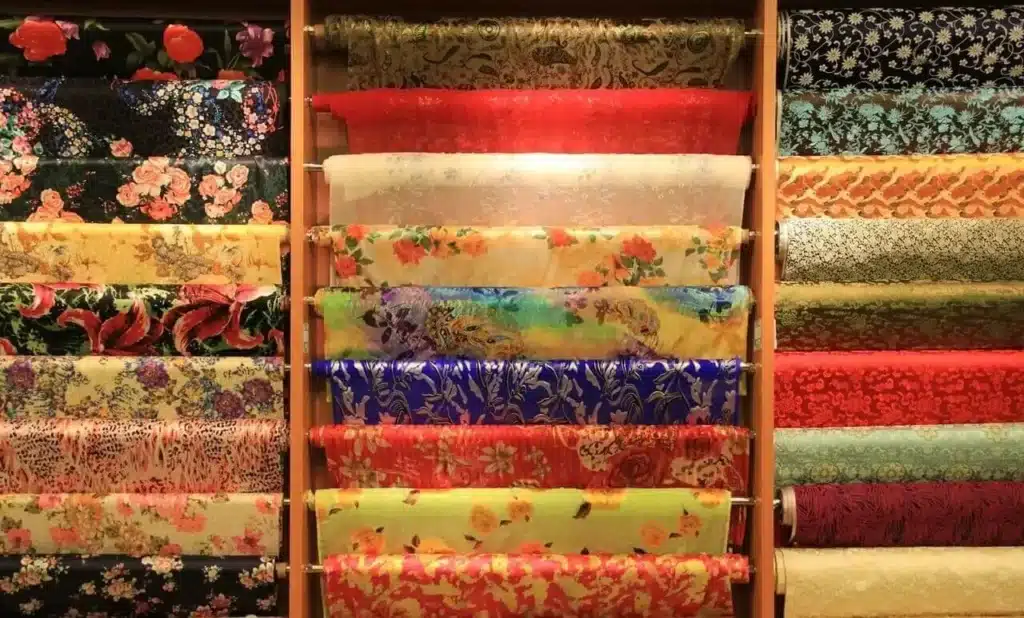
Printable silk fabric represents the pinnacle of digital textile printing. Known for its smooth surface and elegant drape, silk enables extremely fine detail and luminous color depth when printed correctly.
Reactive ink printing is commonly used on silk, allowing dyes to chemically bond with the fibers for long-lasting brilliance.
Why silk stands out:
Ultra-smooth surface for sharp details
Natural sheen enhances color depth
Lightweight and fluid drape
Common uses:
Scarves and fashion accessories
Luxury apparel
High-end interior accents
If you’re planning a premium or limited-edition project, silk is often the best choice. Our Design Your Fabric page allows you to customize silk printing specifications to match your creative vision.
Comparison: Best Fabric for Digital Printing by Use Case
When comparing printable fabrics, the best choice depends on your end use rather than a single “best overall” option.
Polyester: Best for durability, bright colors, and commercial use
Cotton canvas: Best for art, décor, and natural textures
Linen: Best for premium interiors and eco-conscious designs
Silk: Best for luxury fashion and high-detail printing
Understanding these differences helps brands and designers select the best fabric for digital printing without compromising quality or budget.
How to Choose the Best Printable Fabric for Your Project
Before placing a custom fabric order, consider the following factors:
Application – Apparel, décor, or commercial display
Printing method – Sublimation, pigment, or reactive printing
Desired texture and drape – Smooth vs. textured fabrics
Budget and production volume
If you’re unsure which printable fabric suits your project, starting with a small test run through our Design Your Fabric workflow is often the most efficient approach.
Sustainability and Future Trends in Printable Fabrics
Sustainability continues to shape the future of digital textile printing. In 2026, eco-friendly inks, waterless printing, and responsibly sourced fabrics are becoming industry standards rather than exceptions.
Organizations such as AATCC actively publish guidelines and standards that promote responsible textile printing practices. Choosing the right printable fabric not only improves print quality but also reduces environmental impact.
Conclusion: Finding the Best Printable Fabric for Custom Printing
Selecting the right printable fabric is the foundation of successful digital textile printing. Whether you prioritize color intensity, natural texture, sustainability, or luxury appeal, understanding fabric behavior ensures consistent, high-quality results.
Explore our full range of materials on the Our Fabric page, or start your next project directly through Design Your Fabric. With the right fabric choice, your designs can truly stand out in 2026 and beyond.