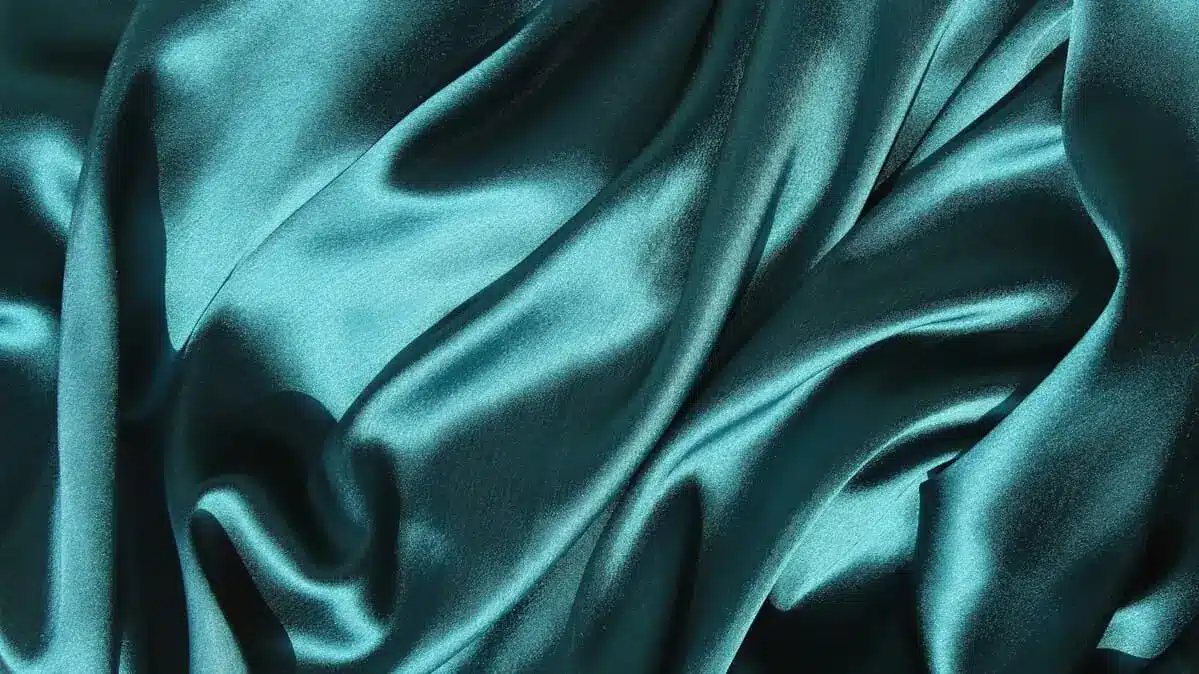
Luxury Fabric Guide: Duchess Satin Fabric, Satin Print & Design Tips
1. Introduction: Understanding Satin & Sateen in Luxury Textiles
Duchess satin fabric is a premium textile widely used in bridal fashion and luxury design. It is known for its structured body, high sheen, and elegant drape, making it a preferred choice for couture garments.
In modern textile design, both satin and sateen play important roles, but duchess satin fabric stands out due to its heavier construction and sculpted appearance.
According to industry insights from Textile World, satin-based fabrics remain one of the most in-demand materials in high-end fashion production due to their versatility and visual appeal.
Explore more about fabric customization:
https://jcwtextile.com/product/desgin-your-fabric/
2. What Is Duchess Satin Fabric?
Duchess satin fabric (also known as satin duchesse fabric) is a heavyweight satin with a dense weave and smooth, glossy surface. It is significantly thicker than regular satin, making it ideal for structured garments.
Key characteristics of duchess satin fabric include:
- High-density weaving for structure
- Glossy surface with luxury finish
- Strong drape control for tailoring
- Ideal for bridal and couture fashion
As explained by Fibre2Fashion, satin fabrics with higher density are preferred in formalwear due to their shape retention and visual richness.
3. Sateen vs Satin: Key Structural Differences
Although sateen and satin appear similar, they differ in fiber composition and weaving technique.
Satin is typically made from silk or polyester, while sateen is usually cotton-based. This difference directly impacts texture, shine, and usage.
In comparison, duchess satin fabric offers a more structured finish than both sateen and regular satin, making it ideal for couture-level design work.
According to Britannica, satin weaving produces a smooth surface due to floating yarns, which enhances light reflection and creates a glossy finish.
4. Cotton Sateen vs Duchess Satin Fabric
When comparing cotton sateen with duchess satin fabric, the differences become especially important for designers.
Cotton sateen is soft, breathable, and suitable for everyday textiles. In contrast, duchess satin fabric is heavier, more structured, and designed for high-fashion applications.
This makes satin duchesse fabric ideal for garments that require volume, such as wedding dresses and structured evening gowns.
5. Fashion Applications of Duchess Satin Fabric
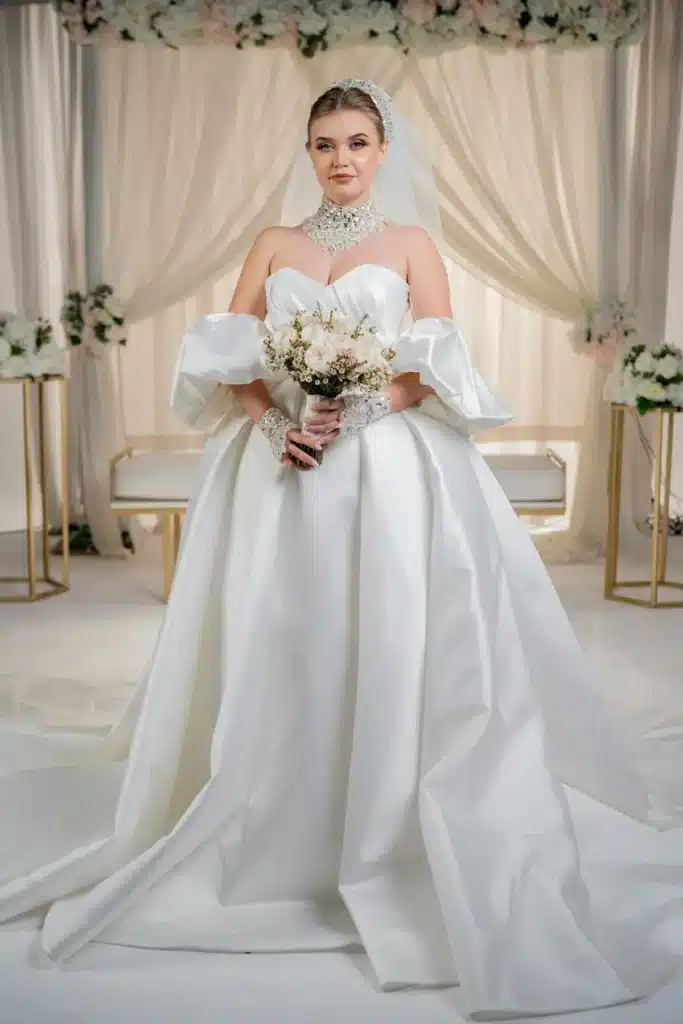
The most common use of duchess satin fabric is in luxury fashion design.
It is widely used for:
- Bridal gowns with structured silhouettes
- Evening dresses with dramatic volume
- Corset and couture tailoring
- Red carpet fashion pieces
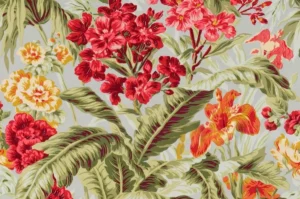
Designers often combine satin print fabric techniques to enhance visual storytelling in garments, especially in floral or abstract luxury collections.
6. Custom Satin Print & Digital Fabric Design
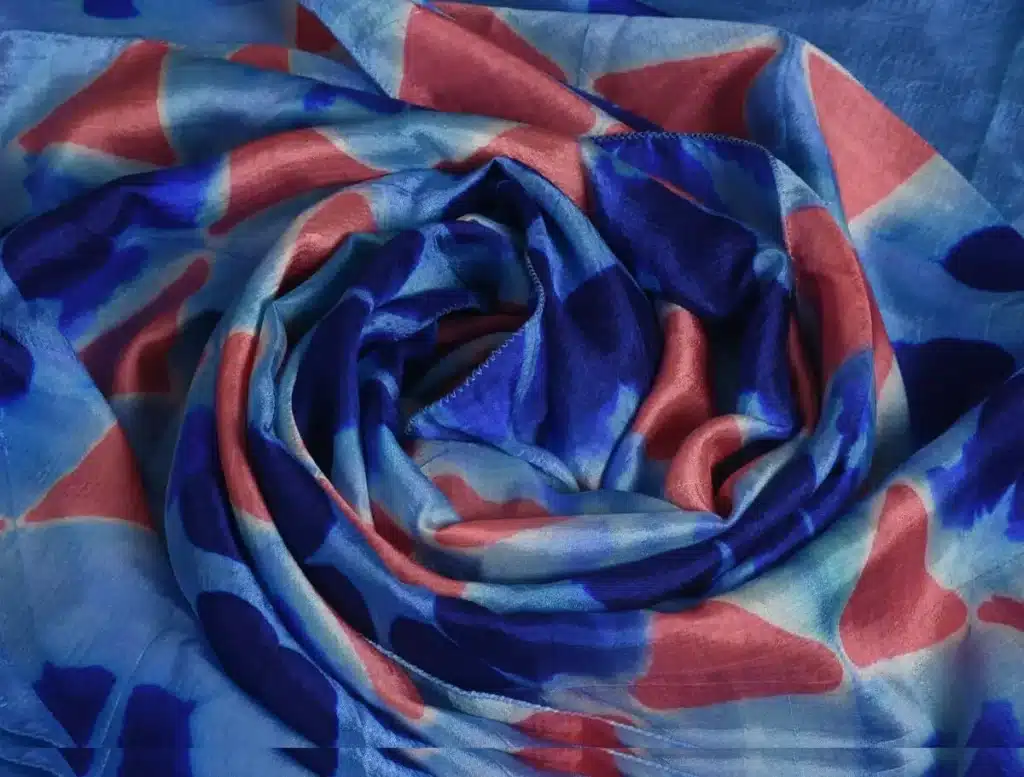
Modern textile production has expanded the use of satin print technology, allowing designers to create fully customized fabric patterns.
Duchess satin fabric is especially suitable for digital printing because of its smooth surface and stable color absorption.
Common applications include:
- Floral satin print bridal dresses
- Abstract luxury fashion collections
- Personalized textile branding
Industry trend reports from WGSN highlight that custom printed luxury fabrics are increasingly used in independent designer collections.
7. Embroidery and Surface Design Techniques
To enhance duchess satin fabric, designers often combine printing and embroidery techniques.
Popular methods include:
- Gold thread embroidery for luxury aesthetics
- 3D floral appliqué for bridal wear
- Minimal embroidery for maintaining fabric sheen
When working with satin duchesse fabric, it is important to maintain balance between structure and decoration to preserve elegance.
8. How to Care for Satin & Sateen Fabrics
Proper maintenance is essential to preserve the beauty of duchess satin fabric.
Recommended care instructions:
- Wash with cold water only
- Avoid harsh detergents
- Iron at low temperature from the reverse side
- Store by hanging to avoid creasing
These care practices help maintain the shine and structure of satin duchesse fabric over time.
9. Why Designers Choose JCWTextile
At JCWTextile, we specialize in custom fabric printing services designed for global fashion brands and independent designers.
We provide:
- No minimum order quantity (MOQ)
- Eco-friendly printing inks
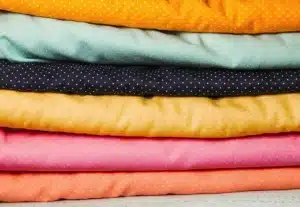
- Wide selection of satin and sateen fabrics
- Fast global production (10–15 days)
👉 Learn more about us:
https://jcwtextile.com/about-us/
👉 Explore fabric options:
https://jcwtextile.com/our-fabrics/
📚 Frequently Asked Questions (FAQs)
1. What is duchess satin fabric used for?
Duchess satin fabric is mainly used for bridal gowns, evening dresses, corsets, and luxury couture garments that require a structured and elegant silhouette.
2. Is sateen the same as satin?
No. Sateen is made from cotton and has a soft sheen, while satin is typically made from silk, polyester, or nylon and has a glossy finish.
3. What is satin duchesse fabric?
Satin duchesse fabric refers to a heavyweight satin material with a dense weave, commonly used in high-end fashion for structured dresses and bridal wear.
4. Can satin be digitally printed?
Yes. Satin is widely used for digital printing because its smooth surface allows vibrant color reproduction, making it ideal for satin print fabric designs.
5. What is satin print fabric?
Satin print fabric refers to satin material that has been custom printed with patterns, artwork, or designs using digital textile printing technology.
6. How do you care for duchess satin fabric?
It should be washed gently with cold water, ironed at low temperature from the reverse side, and stored hanging to maintain its shine and structure.