Introduction: Why Printed Linen Fabric Matters in Modern Design
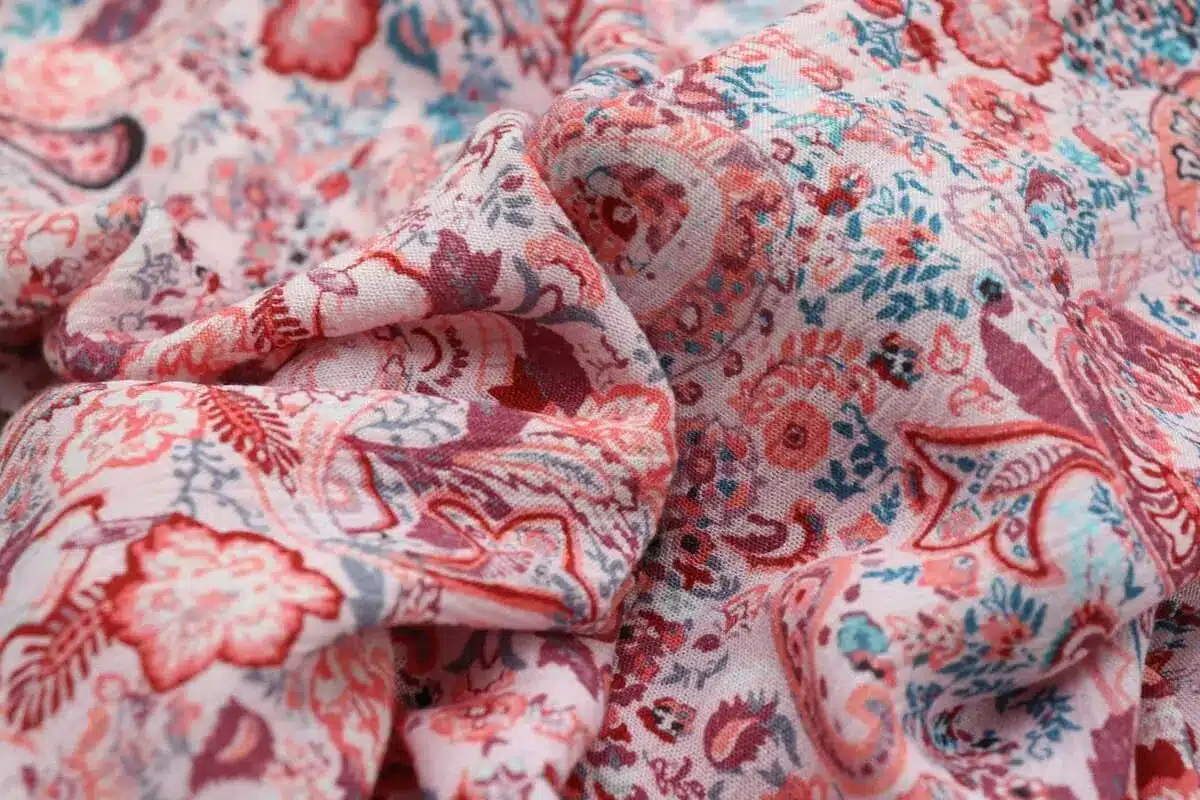
Printed linen fabric has become one of the most popular materials in both fashion and home textile design. Known for its natural texture, breathability, and eco-friendly properties, linen provides an excellent base for high-quality textile printing.
For designers, mastering how to work with print on linen fabric is essential to achieving premium results in garments, home décor, and custom textile products like printed pillow cases and table linens.
In this guide, JCWTextile explores practical printing techniques, color control strategies, and real-world applications to help you achieve professional-grade results.
Explore our linen fabric range: linen fabric
What is Printed Linen Fabric?
Printed linen fabric refers to linen textiles that have been customized with patterns, graphics, or artwork using various printing techniques such as digital printing, reactive printing, or pigment printing.
Linen is derived from flax fibers and is known for:
- Natural texture with visible slubs
- High breathability and moisture absorption
- Strong durability over time
- Eco-friendly and biodegradable properties
Because of these qualities, printed linen is widely used in both luxury fashion and sustainable textile production.
Why Designers Prefer Linen for Printing
Designers around the world choose linen because it enhances both visual and functional qualities of printed textiles.
Key Advantages:
- Natural texture enhances print depth and visual richness
- Works well with both minimal and complex patterns
- High-end “organic luxury” aesthetic
- Suitable for sustainable fashion collections
Linen is especially popular for brands focusing on eco-conscious design and handmade-style aesthetics.
Best Printing Techniques for Linen Fabric
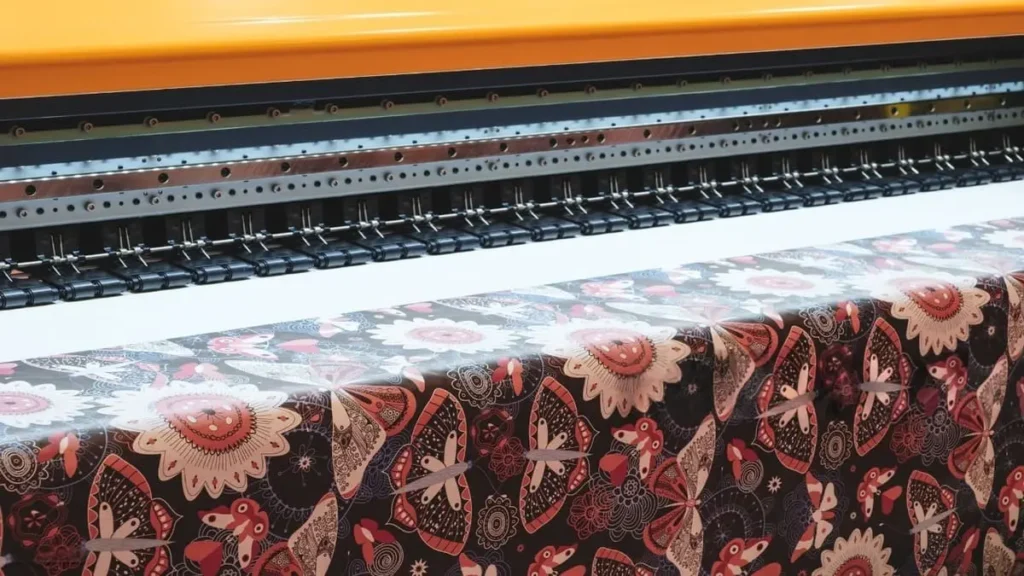
Choosing the right printing method is critical for achieving high-quality results on linen.
1. Digital Printing (Most Recommended)
- High-resolution output
- Ideal for complex patterns and gradients
- Perfect for custom fabric orders
2. Reactive Printing
- Excellent color bonding with natural fibers
- Long-lasting vibrancy
- Suitable for fashion garments
3. Pigment Printing
- Cost-effective for bulk production
- Good for simple patterns
- Slightly softer color intensity
Start designing your fabric: design your fabric
Color Retention & Pattern Precision Optimization
One of the biggest challenges in printed linen fabric is maintaining color consistency and sharp pattern definition.
✔ Pre-Treatment Process
Proper pre-treatment improves ink absorption and reduces fading risk.
✔ Color Fixation Techniques
- Use reactive dyes for stronger bonding
- Steam fixation for durability
- Avoid low-quality pigment inks
✔ Pattern Precision Tips
- Use 300–600 DPI artwork files
- Avoid ultra-thin lines or micro-details
- Ensure correct fabric shrinkage calibration
✔ Washing & Care Control
- Wash in cold water
- Avoid harsh detergents
- Air dry instead of machine drying
These steps significantly improve long-term print quality.
DIY vs Bulk Custom Printed Linen Projects
DIY Printed Linen Projects
DIY printing is popular among independent designers and small creative studios.
Common uses:
- Printed pillow cases
- Tote bags and accessories
- Home décor prototypes
Benefits:
- Low cost entry
- Creative flexibility
- Ideal for Etsy sellers and startups
Bulk Production for Brands
For fashion brands and textile companies, bulk printing offers:
- Consistent color management systems
- Lower per-unit cost
- Scalable production capacity
- Professional finishing standards
Create your custom textile order: design your fabric
Applications of Printed Linen Fabric
Fashion Industry
- Summer dresses
- Shirts and blouses
- Sustainable clothing collections
Home Textiles
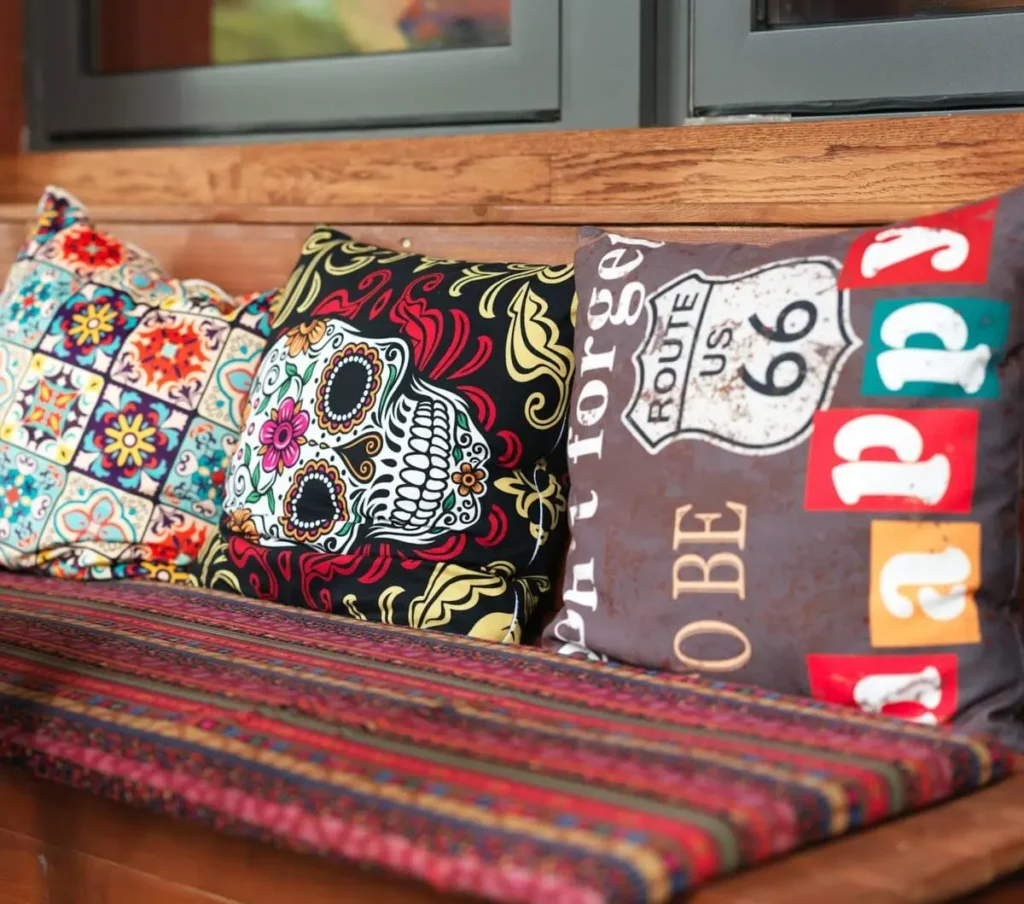
- Printed pillow cases
- Curtains and tablecloths
- Bedding sets
Creative Products
- Eco-friendly bags
- Craft textiles
- Boutique interior décor
Printed linen fabric is especially valued in premium lifestyle products.
Common Mistakes in Linen Printing
Avoid these errors to improve final production quality:
- Using low-resolution design files
- Ignoring natural shrinkage of linen
- Choosing incompatible ink types
- Over-saturating color designs
- Skipping sample testing before bulk production
Final Design Tips for Better Results
To achieve professional-level results with printed linen fabric, designers should follow these best practices:
- Always request a sample print before mass production
- Match design style with linen’s natural texture
- Use balanced contrast for better visual harmony
- Align artwork with fabric grain direction
- Maintain consistent color profiles (CMYK recommended)
These steps help ensure stable and premium-quality output.
📚 Frequently Asked Questions (FAQs)
1. What is printed linen fabric used for?
Printed linen fabric is widely used in fashion apparel, home textiles, and decorative products such as curtains, tablecloths, and printed pillow cases.
2. Is linen suitable for custom fabric printing?
Yes. Linen is one of the best natural fabrics for custom printing because it absorbs ink well and enhances the natural texture of printed designs.
3. What is the best printing method for linen fabric?
Digital printing is the most recommended method for printed linen fabric because it supports high-resolution designs, complex patterns, and small or large production runs.
4. How can I prevent printed linen fabric from fading?
To prevent fading, use reactive inks, ensure proper fabric pre-treatment, and follow gentle washing instructions such as cold water and air drying.
5. Can I order custom printed linen fabric in small quantities?
Yes. With modern digital printing technology, it is possible to order custom print on linen fabric even in small batches, making it ideal for DIY designers and startups.
6. What products can be made from printed linen fabric?
Printed linen can be used for clothing, printed pillow cases, home décor items, tote bags, curtains, and various creative textile products.