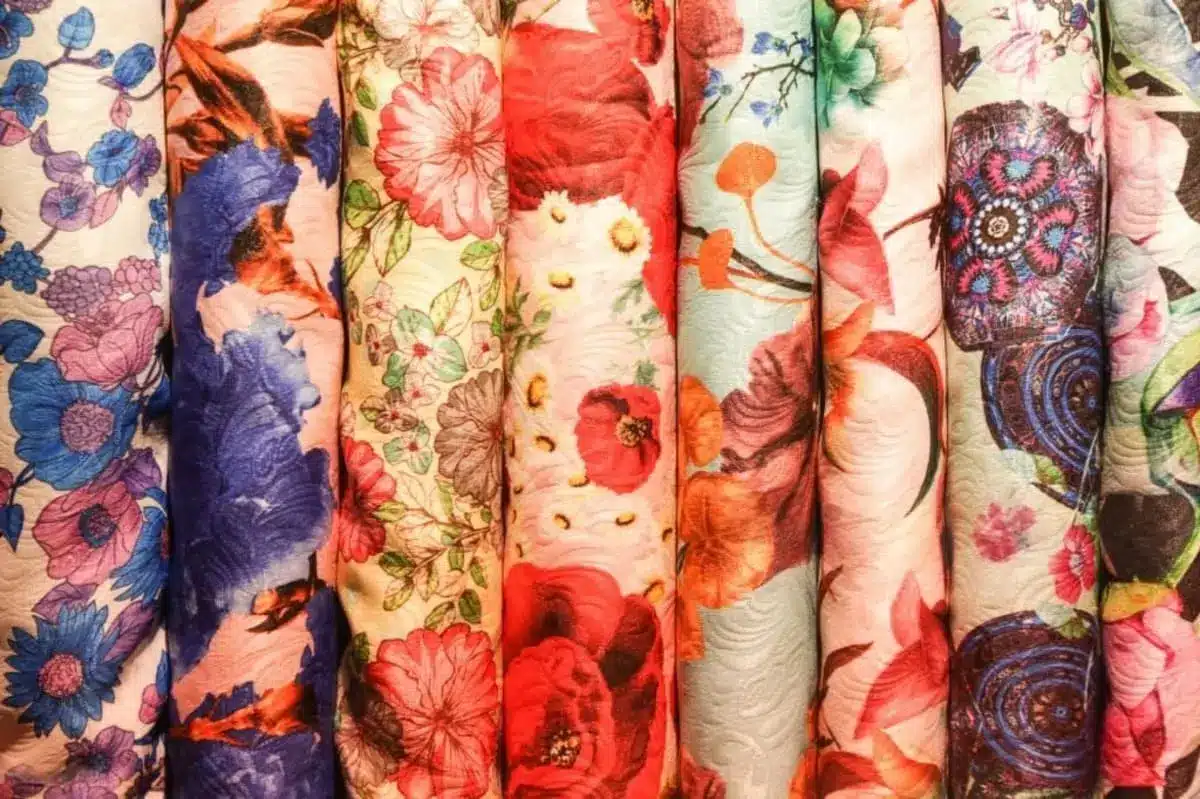
Printed fabric has become one of the most popular choices for fashion, home décor, accessories, and textile design. From elegant printed linen curtains to colorful printed cotton napkins and luxurious silk scarves, fabric printing allows designers and brands to create unique textile products with endless possibilities.
Understanding how different fabrics react to printing is essential for achieving vibrant colors, sharp details, and long-lasting quality. Cotton, linen, and silk all have unique textures, absorbency levels, and printing requirements. Choosing the correct printing process can dramatically improve the final appearance of your printed fabrics.
Printed fabric is widely used across fashion, interior decoration, upholstery, and textile manufacturing. Modern printed fabrics allow designers to create unique colors, patterns, and textures for nearly every type of application. Whether you are producing printed cotton fabric for apparel or printed linen fabric for home décor, choosing the correct printing method is essential for achieving professional results.
Today, custom printed fabric solutions are more accessible than ever thanks to advances in digital textile printing technology. Businesses can now create high-quality printed fabric designs in both small and large production runs.
At JCW Textile, we specialize in custom textile printing solutions for businesses, designers, and wholesale buyers worldwide. You can explore more fabric insights on our Fabric Blog or browse our fabric collections on Our Fabric Library.
Why Printed Fabric Is So Popular
Printed fabric combines creativity with functionality. Whether used for apparel, upholstery, table linens, or fashion accessories, custom prints help products stand out in a competitive market.
Common uses for printed fabrics include:
- Fashion garments
- Printed cotton napkins
- Home decoration
- Curtains and bedding
- Scarves and accessories
- Tote bags and craft projects
Modern printing technology also makes it easier to produce small-batch and large-scale custom fabric designs with high precision and color accuracy.
Understanding Different Fabrics Before Printing
Cotton Fabric Printing
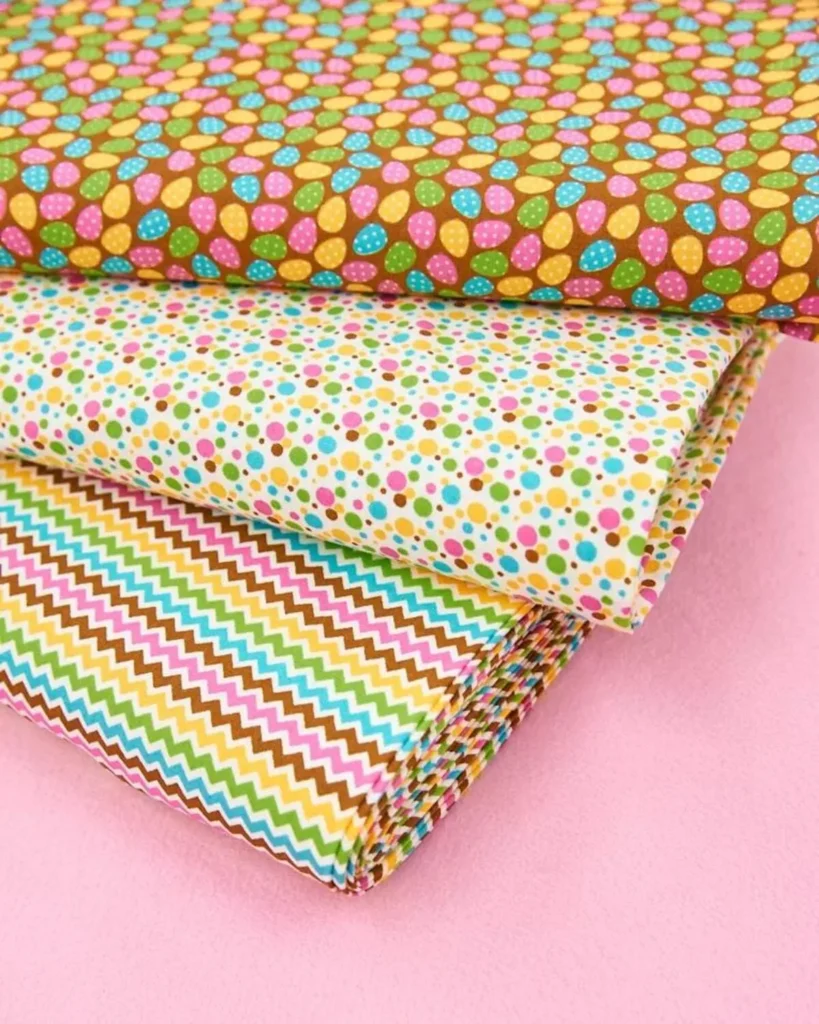
Cotton is one of the easiest and most versatile materials for textile printing. It absorbs dyes well and works with multiple printing techniques.
Printed cotton fabric remains one of the most popular options in the textile industry because of its excellent dye absorption and soft texture. Many businesses prefer printed fabric made from cotton for fashion apparel, tote bags, and printed cotton napkins due to its durability and comfort.
Advantages of Printed Cotton
- Excellent color absorption
- Soft and breathable texture
- Durable after repeated washing
- Ideal for digital and screen printing
- Great for printed cotton napkins and apparel
Cotton is widely used for:
- T-shirts
- Dresses
- Tablecloths
- Kitchen textiles
- Quilting fabric
Digital textile printing works especially well on cotton because it produces highly detailed patterns and vibrant colors.
You can learn more about different printable fabrics through our fabric collection page.
Linen Fabric Printing
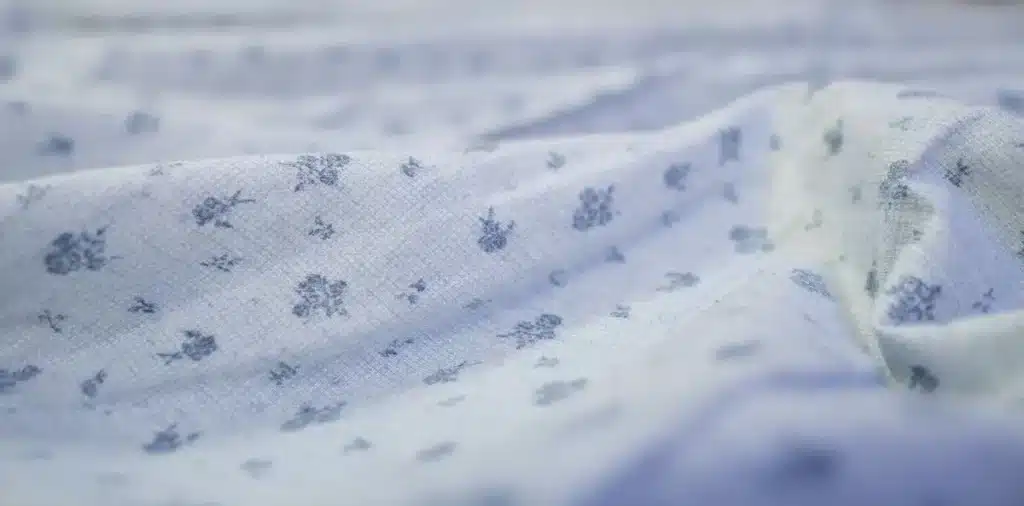
Printed linen has become increasingly popular in luxury home décor and fashion applications. Linen’s natural texture creates a premium organic appearance that many designers prefer.
Printed linen fabric is highly valued for its natural appearance and eco-friendly characteristics. Compared with synthetic printed fabrics, linen offers a more organic texture that works especially well for luxury interior applications and decorative textiles.
Advantages of Printed Linen
- Elegant natural texture
- Eco-friendly material
- Strong and durable fibers
- Excellent for rustic and vintage designs
- Sophisticated matte finish
Important Considerations
Linen wrinkles more easily than cotton, and its uneven texture may slightly affect ultra-fine print details. However, this natural appearance is often considered part of its charm.
Printed linen is commonly used for:
- Curtains
- Cushion covers
- Table runners
- Summer clothing
- Decorative fabrics
Silk Fabric Printing
Silk is known for luxury, smoothness, and vibrant color presentation. Printing on silk requires careful handling but produces stunning results.
Luxury printed fabric made from silk is commonly used in premium fashion collections. Silk printed fabrics can display intricate artwork, vibrant gradients, and elegant patterns that are difficult to reproduce on heavier materials.
Advantages of Printed Silk
- Brilliant color vibrancy
- Smooth and soft texture
- Elegant drape
- High-end appearance
- Excellent for fashion accessories
Common Uses
- Silk scarves
- Luxury dresses
- Decorative fabrics
- Premium fashion collections
Silk performs exceptionally well with digital printing because the process can reproduce intricate details and gradients beautifully.
Popular Fabric Printing Techniques
Choosing the correct printing method is just as important as selecting the right fabric.
Screen Printing
Screen printing is one of the oldest and most reliable textile printing methods.
Best For
- Bulk production
- Bold graphics
- Simple color designs
- Durable prints
Advantages
- Excellent durability
- Strong color opacity
- Cost-effective for large orders
Limitations
- Less suitable for highly detailed artwork
- Multiple colors require multiple screens
For industry insights into screen printing technology, visit Craft Industry Alliance.
Digital Fabric Printing
Digital printing is now one of the most popular methods for custom printed fabric production.
Best For
- Complex patterns
- Small-batch production
- Photographic designs
- Custom textile projects
Advantages
- High-resolution printing
- Unlimited color options
- Fast sampling
- Eco-friendly ink options
Digital printing works particularly well on cotton, linen, and silk fabrics.
For more information about textile printing innovation, see Textile World.
Block Printing
Block printing is a traditional hand-printing technique widely used for artistic and handmade textiles.
Best For
- Artisan products
- Vintage styles
- Handmade collections
Advantages
- Unique handcrafted appearance
- Artistic texture
- Traditional aesthetic
Limitations
- Time-consuming
- Less precise than digital printing
Heat Transfer Printing
Heat transfer printing uses heat and pressure to transfer designs onto fabric surfaces.
Best For
- Promotional products
- Sportswear
- Polyester blends
Advantages
- Fast production
- Bright colors
- Good for small runs
Limitations
- Less breathable finish
- May crack over time
Step-by-Step Guide to Printing on Fabric
Step 1: Prepare the Fabric
Proper preparation ensures better print quality.
Preparation Tips
- Wash the fabric before printing
- Remove dust and oils
- Iron the fabric surface
- Ensure proper tension during printing
Pre-treatment is especially important for digital textile printing.
Step 2: Choose the Right Ink or Dye
Different fabrics require different ink systems.
| Fabric Type | Recommended Ink/Dye | Best Printing Method |
|---|---|---|
| Cotton | Reactive Dye Ink | Digital / Screen |
| Linen | Pigment Ink | Digital / Block |
| Silk | Acid Dye Ink | Digital |
Choosing the wrong ink can lead to fading, cracking, or poor wash durability.
Step 3: Create the Print Design
Design quality directly affects the final printed fabric appearance.
Design Tips
- Use high-resolution artwork
- Avoid overly thin lines on textured fabrics
- Test colors before mass production
- Consider fabric texture during design creation
You can create your own custom textile designs through our custom fabric printing service.
Step 4: Print and Heat Set
After printing:
- Allow the fabric to dry properly
- Heat set when necessary
- Wash-test the sample
- Check colorfastness
Proper finishing improves durability and print longevity.
Best Color Combinations for Printed Fabrics
Color matching is essential in textile design.
Cotton Fabric Color Ideas
- Bright florals
- Bold geometric prints
- Children’s patterns
- Modern graphic designs
Linen Fabric Color Ideas
- Earth tones
- Neutral palettes
- Botanical prints
- Rustic vintage colors
Silk Fabric Color Ideas
- Jewel tones
- Watercolor effects
- Metallic-inspired shades
- Elegant gradients
Good color selection can significantly improve the visual appeal of prints fabric collections.
Common Fabric Printing Mistakes to Avoid
Using the Wrong Fabric
Not every fabric works well with every printing method.
For example:
- Sublimation works poorly on natural cotton
- Heavy linen may reduce ultra-fine detail accuracy
Ignoring Fabric Shrinkage
Always pre-wash fabrics before printing to reduce shrinkage problems.
Overcomplicated Designs
Highly detailed artwork may not reproduce well on textured fabrics like linen.
Poor Color Testing
Different fabrics absorb dyes differently. Always print test swatches before full production.
How to Choose the Right Printing Technique
Choosing the best printing method depends on several factors.
| Project Type | Recommended Fabric | Recommended Printing Method |
|---|---|---|
| Fashion Apparel | Cotton | Digital Printing |
| Luxury Scarves | Silk | Digital Printing |
| Rustic Home Décor | Linen | Block Printing |
| Bulk Promotional Items | Cotton | Screen Printing |
If you are unsure which option works best for your project, visit our About Us page to learn more about our textile printing expertise.
Sustainable Trends in Fabric Printing
Sustainability is becoming increasingly important in textile manufacturing.
Modern eco-friendly textile printing focuses on:
- Water-based inks
- Reduced chemical waste
- Digital printing efficiency
- Organic fabric materials
Digital textile printing often consumes less water compared to traditional dyeing methods.
Final Thoughts
As the demand for custom printed fabric continues to grow, businesses and designers are investing in higher-quality textile printing solutions. From printed linen tablecloths to digitally printed fabric for fashion collections, selecting the right material and printing process can significantly improve product quality and customer satisfaction.
Printing on cotton, linen, and silk fabrics requires understanding both the fabric characteristics and the printing technology. Cotton offers versatility and durability, linen provides natural elegance, and silk delivers luxurious color depth.
Whether you are producing printed cotton napkins, fashion garments, or premium printed linen décor, selecting the right printing method can dramatically improve quality and customer satisfaction.
If you are looking for professional custom printed fabric solutions, explore our fabric printing services and discover more textile resources on our blog page.
📚 Frequently Asked Questions (FAQs)
1. What is printed fabric?
Printed fabric refers to textile material that has patterns, colors, or designs applied using printing techniques such as digital printing, screen printing, block printing, or heat transfer printing. Printed fabrics are commonly used in fashion, upholstery, home décor, and accessories.
2. Which fabric is best for fabric printing?
Cotton is often considered the best fabric for printing because it absorbs ink well and produces vibrant colors. Linen and silk are also popular choices for premium printed fabric applications due to their texture and elegant appearance.
3. What is the difference between printed cotton fabric and printed linen fabric?
Printed cotton fabric is softer, more versatile, and ideal for apparel and everyday textiles. Printed linen fabric has a more natural texture and is commonly used for luxury home décor, curtains, and decorative products.
4. Can silk fabric be digitally printed?
Yes. Silk is one of the best materials for digital textile printing because it can display rich colors, detailed artwork, and smooth gradients with exceptional clarity.
5. What printing method works best for custom printed fabric?
Digital printing is usually the best option for custom printed fabric because it supports detailed artwork, unlimited colors, and small production runs. Screen printing is better for large-volume orders with simpler designs.
6. How do I make printed fabric last longer?
To improve the durability of printed fabric:
- Use high-quality textile inks
- Heat set the print correctly
- Wash fabrics in cold water
- Avoid harsh detergents
- Dry fabrics naturally when possible
7. Is printed linen fabric eco-friendly?
Yes. Linen is considered one of the more sustainable textile materials because it is made from flax fibers and requires less water and fewer chemicals compared to many synthetic fabrics.
8. What are printed cotton napkins made from?
Printed cotton napkins are typically made from 100% cotton fabric because cotton is soft, absorbent, durable, and suitable for repeated washing and printing.