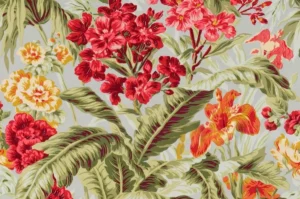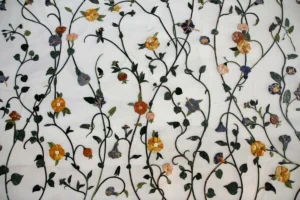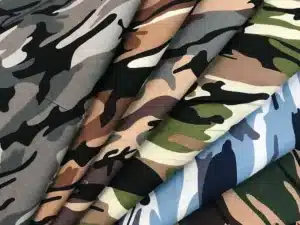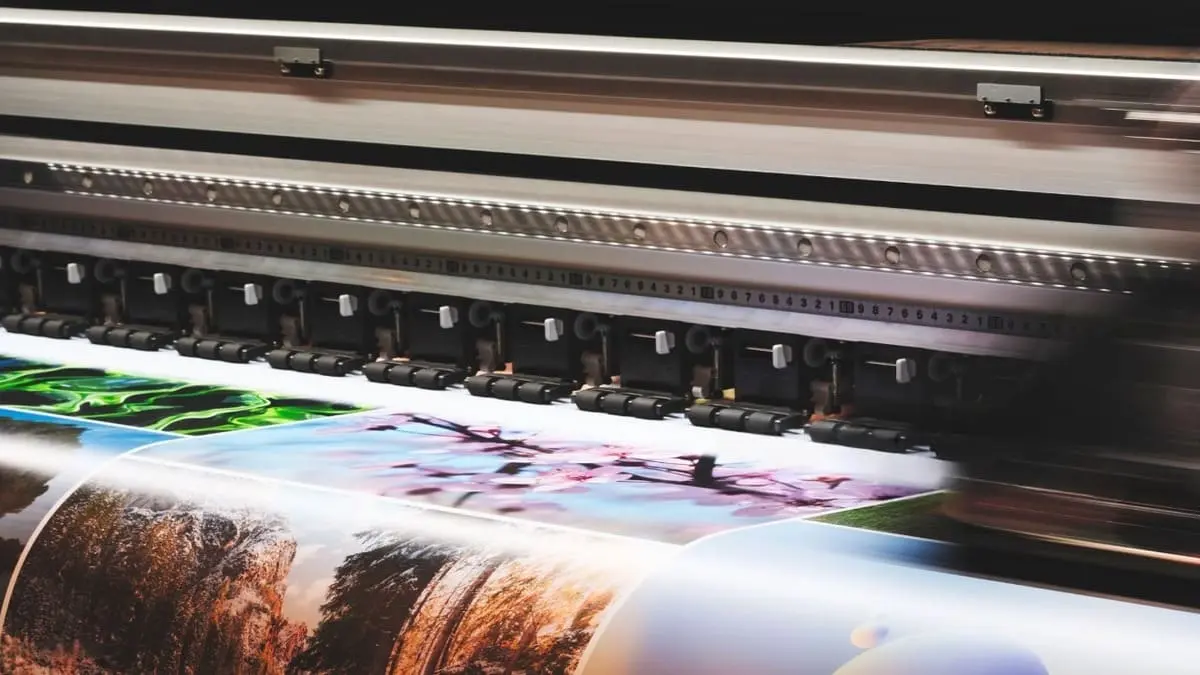
Custom printed fabric is transforming the textile industry by giving designers, brands, and creators complete freedom to produce unique patterns, colors, and artwork on a wide range of materials. From fashion collections and home décor to sportswear and handmade products, custom fabric printing allows businesses to stand out with personalized textile solutions.
As digital textile technology continues to improve, more companies and independent designers are looking for the best custom fabric printing services to create high-quality fabrics with vibrant colors, excellent durability, and fast turnaround times. Whether you want to create your own fabric print for a clothing brand or design and print your own fabric for home décor, understanding the printing process is essential.
In this complete guide, you will learn:
- What custom printed fabric is
- The most popular fabric printing methods
- How to upload and prepare your design files
- How to choose the right fabric
- Tips for achieving professional printing results
- How sustainable textile printing is shaping the future
If you are searching for professional custom fabric printing online, this guide will help you make the best decisions for your next project.
Table of Contents
What Is Custom Printed Fabric?
Custom printed fabric refers to textiles that are printed with personalized artwork, patterns, logos, or graphics instead of standard factory-made designs. Using advanced textile printing technology, businesses and designers can produce unique fabrics in small or large quantities.
Unlike traditional mass-produced fabrics, custom textile printing gives customers complete control over:
- Pattern design
- Color selection
- Fabric type
- Print scale
- Production quantity
Today, custom printed fabric is widely used in:
- Fashion apparel
- Sportswear
- Upholstery
- Curtains
- Bedding
- Tote bags
- Craft projects
- Promotional products
The growing demand for personalized products has made custom fabric printing one of the fastest-growing segments in the textile industry.
For businesses looking to launch original textile collections, custom printing provides flexibility, creativity, and faster product development.
Learn more about fabric options on our fabric page or explore additional textile resources in our blog.
Why Custom Fabric Printing Is So Popular
The popularity of custom printed fabric has increased dramatically in recent years for several reasons.
Creative Freedom
Designers can create unique patterns without relying on pre-made textiles. This allows brands to establish a stronger visual identity and produce exclusive products.
Low Minimum Order Quantities
Modern digital fabric printing allows businesses to order small quantities without the high setup costs associated with traditional printing methods.
This is especially useful for:
- Startup fashion brands
- Etsy sellers
- Independent designers
- Small businesses
Faster Production
Digital textile printing significantly reduces production time. Designs can move from artwork to finished fabric much faster than traditional printing techniques.
Better Color Accuracy
Advanced textile printers can reproduce highly detailed patterns with millions of colors, gradients, and photographic-quality artwork.
Sustainable Manufacturing
Print-on-demand fabric production helps reduce waste and unnecessary inventory, making it a more environmentally friendly solution.
According to Textile World, digital textile printing continues to expand globally because of its efficiency, sustainability, and flexibility.
Different Types of Custom Fabric Printing Methods
Understanding different printing methods is essential when selecting the best custom fabric printing solution for your project.
Digital Fabric Printing
Digital printing is one of the most popular methods for custom printed fabric.
This process uses specialized inkjet textile printers to apply ink directly onto the fabric surface.
Advantages of Digital Fabric Printing
- Excellent color detail
- Unlimited color combinations
- Ideal for complex artwork
- Fast turnaround time
- Low minimum order quantity
- Suitable for small runs
Digital fabric printing is perfect for:
- Fashion fabrics
- Cotton fabrics
- Silk fabrics
- Home textiles
- Personalized fabric projects
It is also the preferred option for customers who want to design and print their own fabric online.
Best Fabrics for Digital Printing
- Cotton poplin
- Cotton voile
- Silk satin
- Polyester fabrics
- Linen blends
- Bamboo fabrics
Screen Printing
Screen printing is a traditional textile printing technique that uses mesh screens to apply ink onto fabric.
Each color requires a separate screen, making this method more suitable for large production runs.
Advantages of Screen Printing
- Excellent durability
- Strong color saturation
- Cost-effective for bulk orders
- Consistent large-scale production
Limitations
- Less suitable for small orders
- Higher setup costs
- Limited color flexibility
Screen printing is commonly used for:
- T-shirts
- Uniforms
- Promotional textiles
- Bulk apparel production
Sublimation Printing
Sublimation printing uses heat to transfer dye into polyester fibers.
This method is extremely popular in:
- Sportswear
- Activewear
- Performance fabrics
- Promotional products
Benefits of Sublimation Printing
- Vibrant colors
- Excellent wash durability
- Breathable prints
- No cracking or peeling
However, sublimation works best on polyester fabrics or polyester blends.
Reactive Printing
Reactive printing is commonly used for natural fibers such as cotton, linen, and rayon.
The dye chemically bonds with the fabric, producing:
- Soft hand feel
- Excellent wash fastness
- Rich colors
- High-end textile quality
Reactive printing is often used for premium custom printed cotton fabric.
Pigment Printing
Pigment printing has become increasingly popular because it requires less water and produces less waste.
Many eco-conscious textile manufacturers now use pigment printing for sustainable fabric production.
According to OEKO-TEX®, environmentally responsible textile production is becoming increasingly important for global consumers.
How to Design and Print Your Own Fabric
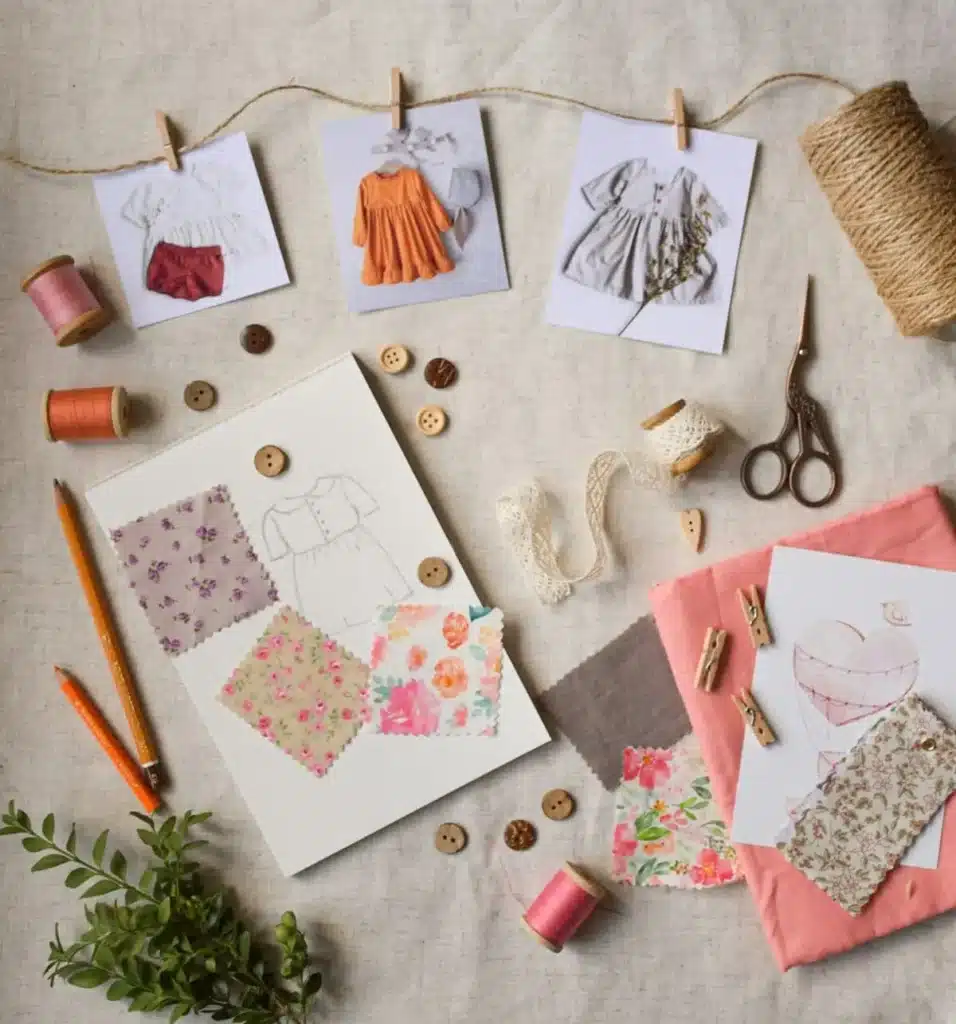
If you want to create your own fabric print, proper preparation is essential for achieving professional results.
Visit design your fabric to start your custom printing project.
Choose the Right Design Style
Popular fabric design styles include:
- Floral prints
- Geometric patterns
- Abstract artwork
- Watercolor textures
- Seamless repeat patterns
- Vintage-inspired prints
When creating patterns, consider:
- Target audience
- Fabric application
- Color harmony
- Print scale
Prepare High-Resolution Artwork
Professional custom fabric printing requires high-quality design files.
Recommended File Formats
- TIFF
- PSD
- AI
- PNG
Recommended Resolution
For the best results, artwork should typically be at least:
- 150 DPI minimum
- 300 DPI preferred
Low-resolution files may appear blurry or pixelated after printing.
Understand Color Profiles
Most textile printers use RGB workflows, but final colors may vary depending on:
- Fabric type
- Ink system
- Printing method
- Fabric pretreatment
Ordering a sample swatch before bulk production is highly recommended.
Upload Your Fabric Design
Most custom fabric printing online services allow customers to upload artwork directly through their website.
Before uploading:
- Double-check dimensions
- Verify repeat alignment
- Convert fonts to outlines
- Embed linked images
Common mistakes to avoid include:
- Low-resolution graphics
- Incorrect repeat setup
- Missing bleed areas
- Oversaturated colors
How to Choose the Best Fabric for Printing
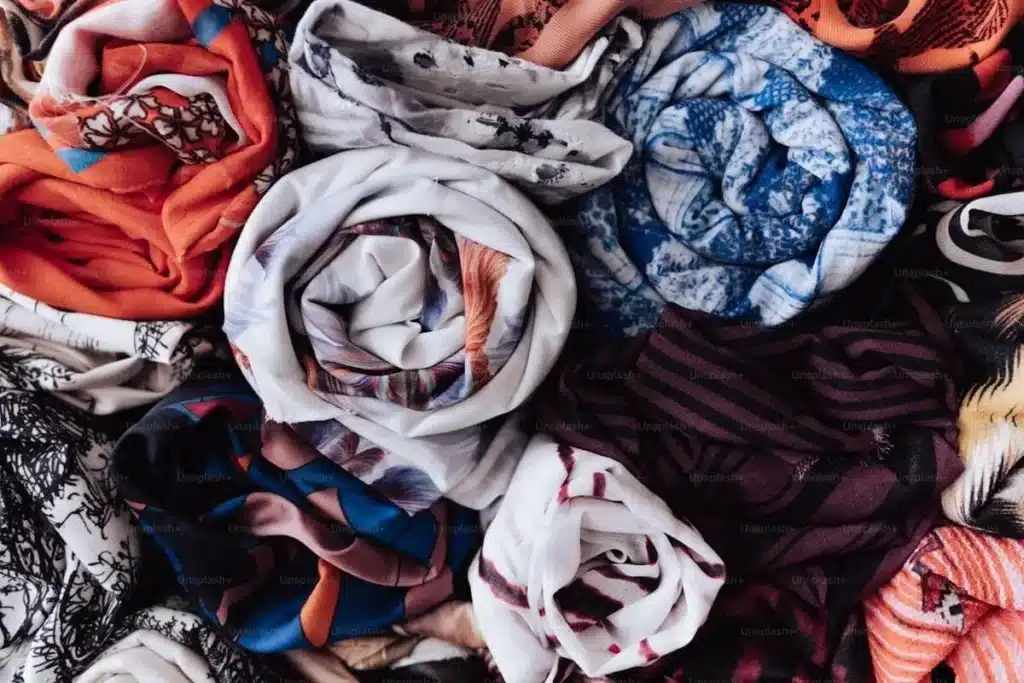
Selecting the right fabric is just as important as choosing the printing method.
Different fabrics produce different printing results.
Cotton Fabrics
Cotton is one of the most popular choices for custom printed fabric because it offers:
- Excellent print clarity
- Soft texture
- Breathability
- Versatility
Common cotton fabrics include:
- Cotton poplin
- Cotton twill
- Cotton voile
- Cotton canvas
Cotton works especially well with reactive printing and digital printing.
Polyester Fabrics
Polyester is ideal for:
- Sportswear
- Swimwear
- Activewear
- Flags
- Event textiles
Polyester fabrics are commonly used with sublimation printing because of their vibrant color performance.
Silk Fabrics
Silk offers a luxurious appearance and elegant drape.
Popular silk fabrics include:
- Silk satin
- Silk chiffon
- Silk habotai
Custom printed silk fabric is commonly used in:
- Scarves
- Luxury fashion
- Bridal wear
Linen Fabrics
Linen fabrics provide a natural texture that works beautifully for:
- Home décor
- Curtains
- Cushion covers
- Table linens
Linen blends also print well with digital textile printing technology.
Why Fabric Quality Matters
High-quality fabric significantly affects the final printing result.
Premium fabric provides:
- Better ink absorption
- Sharper details
- Improved durability
- Better color consistency
Cheap fabrics may cause:
- Uneven printing
- Poor wash fastness
- Fading
- Distorted patterns
At JCW Textile, we recommend selecting fabrics based on both design requirements and end-use applications.
Learn more about available textiles on our fabric.
How to Ensure High-Quality Printing Results
Professional custom printed fabric requires careful attention to detail during every stage of production.
Use Professional Artwork
The quality of the original artwork directly affects print clarity.
Always use:
- Vector graphics when possible
- High-resolution images
- Accurate color settings
Test Fabric Samples
Before placing a large order, testing samples is highly recommended.
Sampling helps verify:
- Color accuracy
- Fabric texture
- Print sharpness
- Scale proportions
Understand Wash Fastness
Different printing methods offer different levels of durability.
Reactive printing and sublimation printing generally provide excellent wash resistance.
Proper fabric care also helps maintain color quality over time.
Work With Experienced Fabric Printers
Experienced textile printing companies can help optimize:
- File preparation
- Fabric selection
- Print settings
- Color management
Reliable suppliers also provide better consistency across production batches.
You can learn more about our company on about us.
Industries That Use Custom Printed Fabric
Custom printed fabric is widely used across many industries.
Fashion Industry
Fashion designers use custom textile printing to create:
- Dresses
- Shirts
- Jackets
- Scarves
- Limited-edition collections
Home Décor Industry
Interior designers use printed fabrics for:
- Curtains
- Upholstery
- Pillow covers
- Bedding
Sportswear Industry
Sportswear brands rely on sublimation printing for:
- Jerseys
- Yoga wear
- Athletic apparel
Small Businesses and Creators
Independent artists and Etsy sellers often create personalized fabric products with low minimum order quantities.
Sustainable Custom Fabric Printing
Sustainability is becoming increasingly important in textile manufacturing.
Modern digital fabric printing helps reduce:
- Water consumption
- Chemical waste
- Excess inventory
- Energy usage
Eco-friendly fabric options include:
- Organic cotton
- Bamboo fabrics
- Recycled polyester
- Natural fiber blends
Organizations such as Better Cotton promote more sustainable textile production worldwide.
Why Choose JCW Textile for Custom Printed Fabric
At JCW Textile, we specialize in high-quality custom printed fabric solutions for global customers.
Our Advantages
- Wide range of printable fabrics
- Advanced digital printing technology
- Low MOQ support
- Fast production times
- Professional customer service
- Worldwide shipping
We help customers:
- Create own fabric print projects
- Develop fashion collections
- Produce personalized textiles
- Launch custom fabric businesses
Whether you need cotton, silk, polyester, bamboo, or linen fabrics, our team can help you achieve professional textile printing results.
Conclusion
Custom printed fabric offers endless possibilities for designers, brands, and creative businesses. With modern textile printing technology, it is now easier than ever to design and print your own fabric with exceptional detail, color accuracy, and flexibility.
By selecting the right printing method, preparing professional artwork, and choosing high-quality fabrics, you can achieve outstanding results for fashion, home décor, crafts, and commercial applications.
As the demand for personalized textiles continues to grow, custom fabric printing will remain one of the most innovative and exciting areas of the textile industry.
If you are ready to start your next project, explore our fabric collections and custom printing services today.
📚 Frequently Asked Questions (FAQs)
1. What is custom printed fabric?
Custom printed fabric is textile material that features personalized designs, patterns, logos, or artwork created using digital, screen, sublimation, or reactive printing methods.
2. What is the best method for custom fabric printing?
The best method depends on your project. Digital printing is ideal for detailed designs and small orders, while screen printing is better for large-volume production.
3. Can I design and print my own fabric?
Yes. You can upload your own artwork, patterns, or graphics to create personalized fabric for fashion, home décor, crafts, or branding projects.
4. What file format is best for fabric printing?
High-resolution TIFF, PSD, AI, PDF, and PNG files are commonly recommended for professional fabric printing results.
5. Which fabrics work best for custom printing?
Cotton, polyester, silk, linen, and bamboo fabrics are popular choices because they provide excellent print quality and color performance.
6. Is digital fabric printing durable?
Yes. High-quality digital textile printing can provide excellent wash fastness, vibrant colors, and long-lasting performance when proper inks and fabrics are used.
7. Can I order small quantities of custom printed fabric?
Many textile printing companies support low minimum order quantities, making it easier for small businesses and independent designers to create custom fabrics.
8. How do I ensure the best printing quality?
Use high-resolution artwork, select suitable fabrics, verify color settings, and request sample swatches before bulk production.