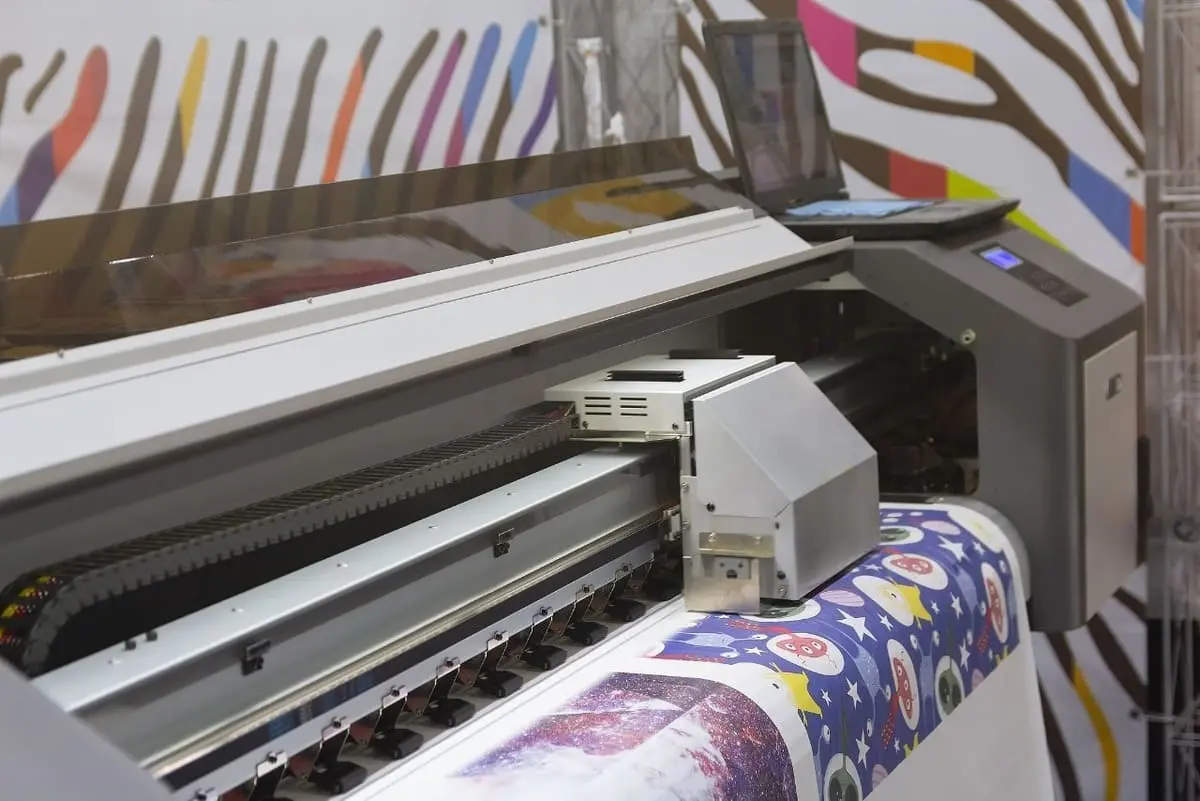
Digital printing on fabric has revolutionized the textile industry, offering endless possibilities for designers, brands, and hobbyists alike. With the rise of custom printing and on-demand services, understanding how digital printing works—and whether it’s the right choice for your fabric needs—is crucial. In this blog post, we’ll explore what digital fabric printing is, how it compares to traditional methods, the best fabrics for digital printing, and its environmental advantages.
What Is Digital Printing on Fabric?
Digital printing on fabric involves using specialized inkjet technology to print designs directly onto textiles. Unlike traditional printing methods such as screen printing, which require a physical screen for each color, digital printing uses digital files and a printer to apply the ink directly onto the fabric surface. This process allows for complex, detailed designs with a faster turnaround time, minimal setup costs, and the ability to create unique, one-of-a-kind items.
As a leader in custom fabric printing, JCW Textile embraces this innovative technology, offering a range of high-quality digital printing services to meet diverse customer needs. For more about how we bring your design ideas to life, check out our Design Your Fabric page.
Digital Printing vs. Traditional Printing: A Comparison
One of the most significant advantages of digital printing is its flexibility. Traditional printing methods like screen printing can be costly and time-consuming, especially for smaller runs. With digital printing, there’s no need for creating screens, which means faster production times and more affordable pricing for small batch orders. Additionally, digital printing offers a higher level of detail and color accuracy, making it perfect for intricate patterns, gradients, or photographic prints.
In contrast, traditional methods may still be the go-to for larger orders with simpler designs, as they can be more cost-effective for bulk production. However, digital printing excels in customization and shorter production times, making it a great choice for fashion designers, home decor, and personalized products.
If you’re curious about the fabrics we use in digital printing, head over to our fabric page to explore our wide selection of textiles.
Types of Fabrics Suitable for Digital Printing
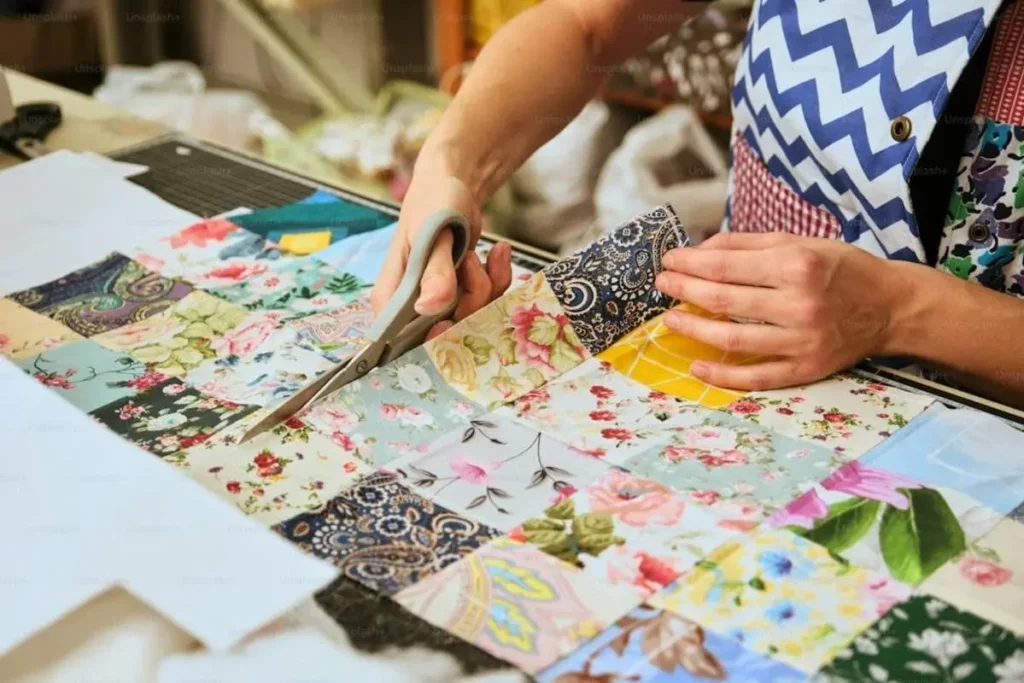
Not all fabrics are created equal when it comes to digital printing. The best results are often achieved on fabrics that are smooth and tightly woven, allowing the ink to sit evenly on the surface. Common fabrics suitable for digital textile printing include:
- Cotton: Ideal for its natural softness and ability to hold vibrant colors.
- Polyester: Excellent for bright, long-lasting prints and commonly used in sportswear and activewear.
- Silk: Offers a luxurious finish and is great for high-end fashion and accessories.
Each fabric type requires specific settings to ensure optimal results, such as different ink formulations or heat settings. Whether you’re designing custom fashion pieces or creating unique home decor items, understanding fabric compatibility is key to achieving the best results.
Learn more about the fabrics we offer and their unique properties on our about us page.
Choosing the Right Digital Printing Service for Your Needs
When selecting a digital printing service, it’s important to consider several factors to ensure the best results for your project. Here are key considerations to guide your decision:
- Fabric Selection: Ensure that the service provider offers the type of fabric that suits your design. At JCW Textile, we provide a variety of fabrics tailored to digital printing, including cotton, polyester, and more.
- Printing Quality: Look for a service that offers high-resolution printing and accurate color reproduction.
- Customization Options: Choose a provider that offers custom printing services, such as the ability to upload your own design and receive personalized recommendations.
- Lead Time and Pricing: Be mindful of turnaround times and cost, especially if you’re working on a tight schedule or budget.
For more information about how to create your custom fabric design and explore our range of fabric choices, visit our design your fabric page.
The Environmental Benefits of Digital Printing
One of the most exciting aspects of digital printing is its environmental sustainability. Compared to traditional textile printing methods, digital printing has several eco-friendly advantages:
- Reduced Water Usage: Traditional methods require vast amounts of water to rinse screens and clean fabrics. Digital printing, on the other hand, uses minimal water, making it a more sustainable option.
- Lower Energy Consumption: Digital printing technology is more energy-efficient than conventional methods that involve heating screens or using large industrial machines.
- Less Waste: Because digital printing is a precise, on-demand process, there’s less fabric and ink waste. This makes it an ideal choice for small batch production, reducing overall waste in the textile industry.
For a deeper look at how digital printing can be both a creative and sustainable choice, be sure to check out our [blog] where we discuss the future of eco-friendly fabric printing.
Look for companies and organizations focused on eco-friendly printing practices. Such as Green Printing Technologies.
Conclusion
Digital printing on fabric is an excellent choice for designers and brands seeking high-quality, custom prints with minimal environmental impact. Whether you’re designing custom fashion, home decor, or accessories, the flexibility, speed, and precision of digital printing make it an attractive option.
At JCW Textile, we offer a variety of fabrics and digital printing services that cater to your specific needs. Ready to create your own custom fabric design? Visit our design your fabric page and start your project today.
📚 Frequently Asked Questions (FAQs)
1. What is digital printing on fabric?
Digital printing on fabric is a modern printing technique that uses inkjet technology to apply designs directly to textiles, offering high-quality prints with minimal setup costs and faster production times.
2. How does digital printing differ from traditional printing methods?
Unlike traditional methods like screen printing, which require physical screens for each color, digital printing uses digital files to print designs directly onto fabric, allowing for more detailed and customizable prints.
3. What types of fabrics are best for digital printing?
Fabrics like cotton, polyester, and silk are commonly used for digital printing. Each fabric type offers unique benefits, such as vibrant colors and durability, and may require specific ink or heat settings.
4. Is digital printing on fabric environmentally friendly?
Yes, digital printing is more eco-friendly compared to traditional methods. It uses less water and energy, produces less waste, and allows for on-demand production, which helps reduce overproduction and environmental impact.
5. How do I choose the right digital printing service for my project?
When selecting a digital printing service, consider factors such as fabric options, printing quality, customization choices, and lead time. It’s important to choose a provider that meets your specific project needs and budget.