Cotton interlock fabric has become a preferred choice for brands, designers, and textile wholesalers seeking a balance of comfort, durability, and print performance. As a type of interlock knit fabric, it offers a smooth surface, stable structure, and excellent compatibility with modern textile printing methods.
In this guide, we’ll explore the structure of cotton interlock fabric, its printing advantages, and key considerations when sourcing cotton interlock wholesale for custom or bulk projects.
For more textile knowledge and fabric insights, you can also browse our full fabric guides on our blog.
What Is Cotton Interlock Fabric?
Interlock Knit Fabric Structure Explained
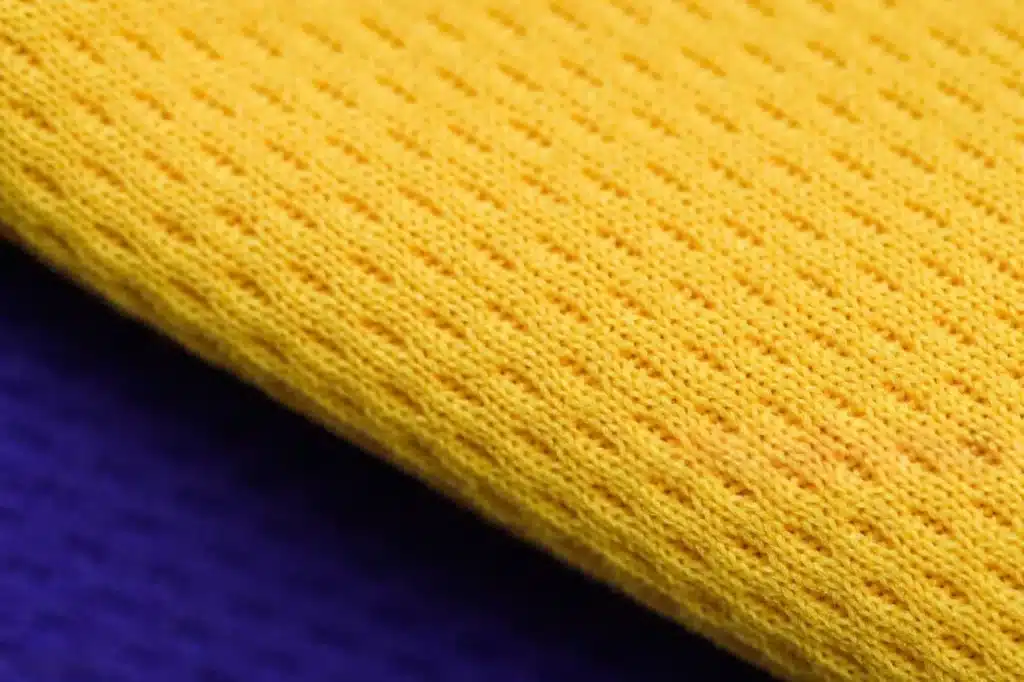
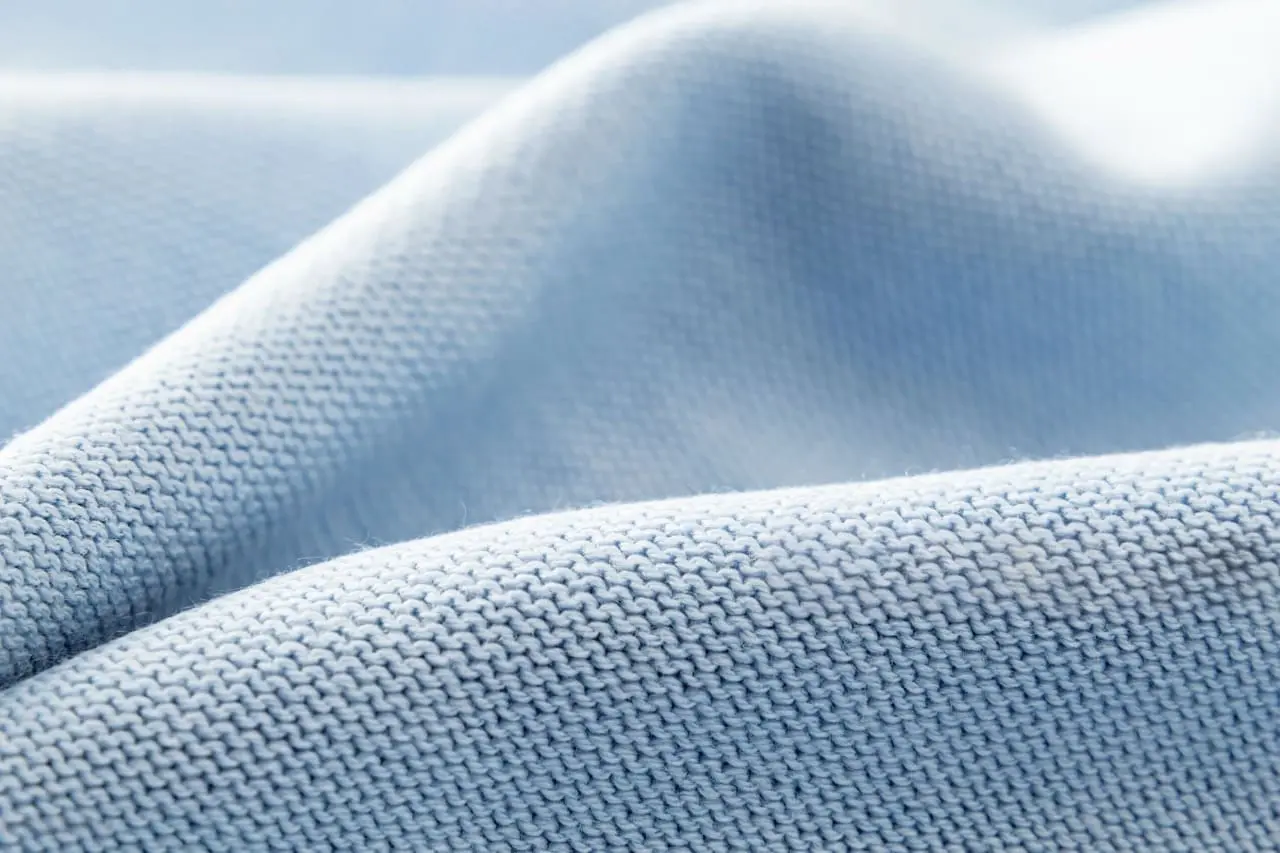
Cotton interlock fabric is a double-knit fabric constructed on interlock knitting machines. Unlike single jersey knits, interlock cotton is formed by two sets of needles working together, creating a fabric that looks identical on both sides.
This interlock knit fabric structure provides:
A smooth, flat surface
Improved dimensional stability
Reduced curling at the edges
A slightly heavier and more substantial hand feel
From a technical perspective, interlock knitting is widely recognized as one of the most stable knit structures in the textile industry. For a deeper explanation of knit fabric construction, Textile School offers a clear technical overview of interlock knitting principles.
Cotton Interlock vs Other Cotton Knits
Compared with other cotton knits, cotton interlock fabric stands out in several ways:
Interlock vs Jersey Knit
Jersey knit fabrics are lighter and more flexible but tend to curl and distort more easily. Cotton interlock holds its shape better, making it ideal for premium garments.Interlock vs Rib Knit
Rib knits offer more stretch but are less smooth and less suitable for large-area printing. Interlock cotton provides a cleaner surface for printed designs.
According to Encyclopaedia Britannica’s overview of knitted fabrics, double-knit structures like interlock are favored where durability and fabric stability are required.
Key Properties of Cotton Interlock Fabric
Feel, Stretch & Durability
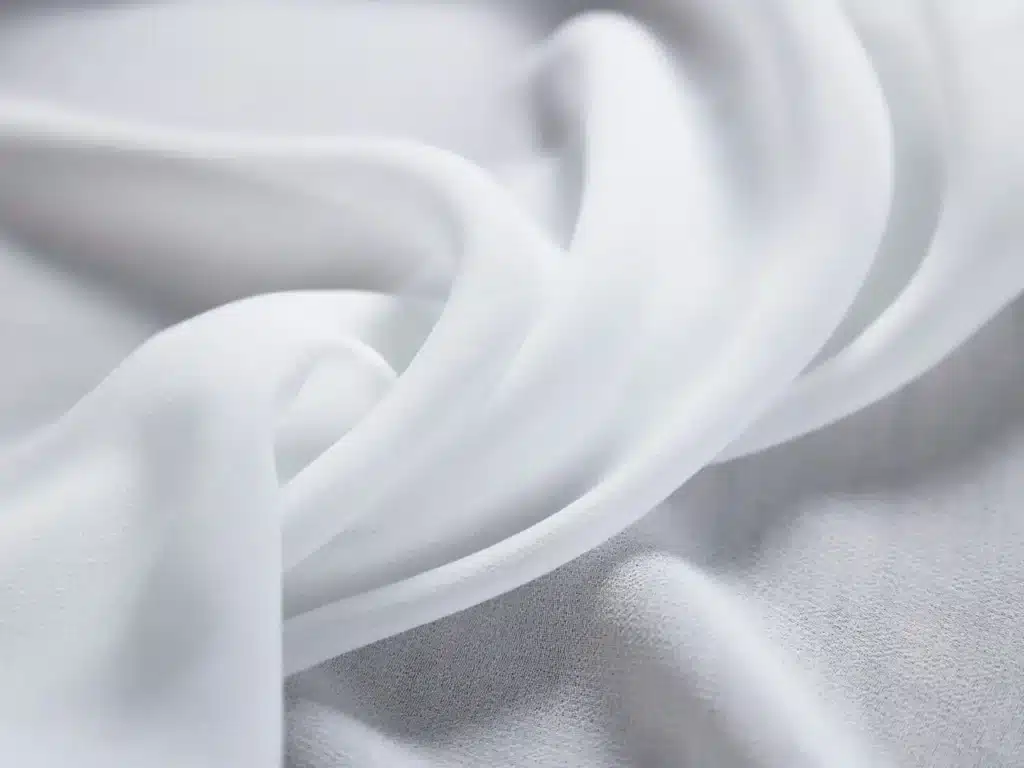
Interlock knit fabric is known for its:
Soft, smooth hand feel
Natural stretch without added elastane
Excellent recovery and resistance to deformation
These properties make interlock cotton suitable for garments that require comfort while maintaining a polished appearance.
Breathability & Skin-Friendly Performance
Because it is made from cotton fibers, cotton interlock fabric remains breathable and moisture-absorbent. This makes it particularly popular for:
Baby and children’s clothing
Loungewear and sleepwear
T-shirts and lightweight sweatshirts
You can explore other knit and woven options in our fabric collection here: our-fabric.
Cotton Interlock Printing: What Makes It Print-Ready?
Is Cotton Interlock Good for Digital Printing?
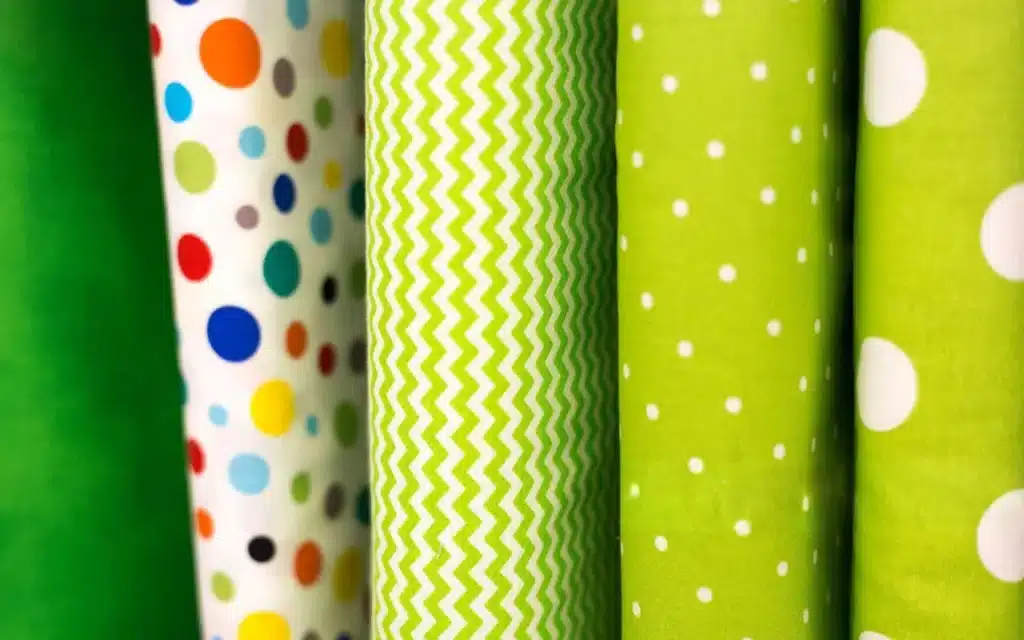
Yes—cotton interlock printing performs exceptionally well with modern digital textile printing technologies. Its smooth surface and balanced density allow inks to penetrate evenly, resulting in:
Sharp pattern definition
Rich, consistent colors
Minimal print distortion after washing
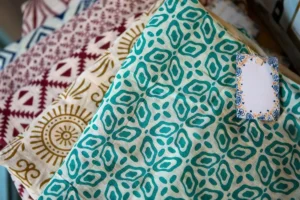
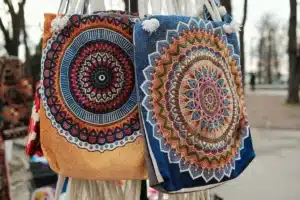
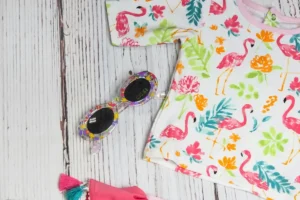
Printed cotton interlock fabric is especially popular for custom apparel brands and private-label collections.
Best Printing Methods for Cotton Interlock Fabric
The most suitable printing methods for cotton interlock fabric include:
Reactive Printing
Ideal for cotton interlock printing, offering vibrant colors, excellent wash fastness, and a soft hand feel.Pigment Printing
A cost-effective option for smaller runs and fast production cycles, though slightly less vivid than reactive printing.Sublimation Printing
Not recommended for pure cotton interlock, as sublimation inks bond best with polyester fibers.
Industry organizations such as FESPA regularly highlight digital textile printing advancements, while AATCC sets widely adopted standards for cotton fabric performance and colorfastness.
To start your own custom project, you can upload designs directly via our design platform: design-your-fabric.
Common Uses of Cotton Interlock Fabric
Apparel Applications
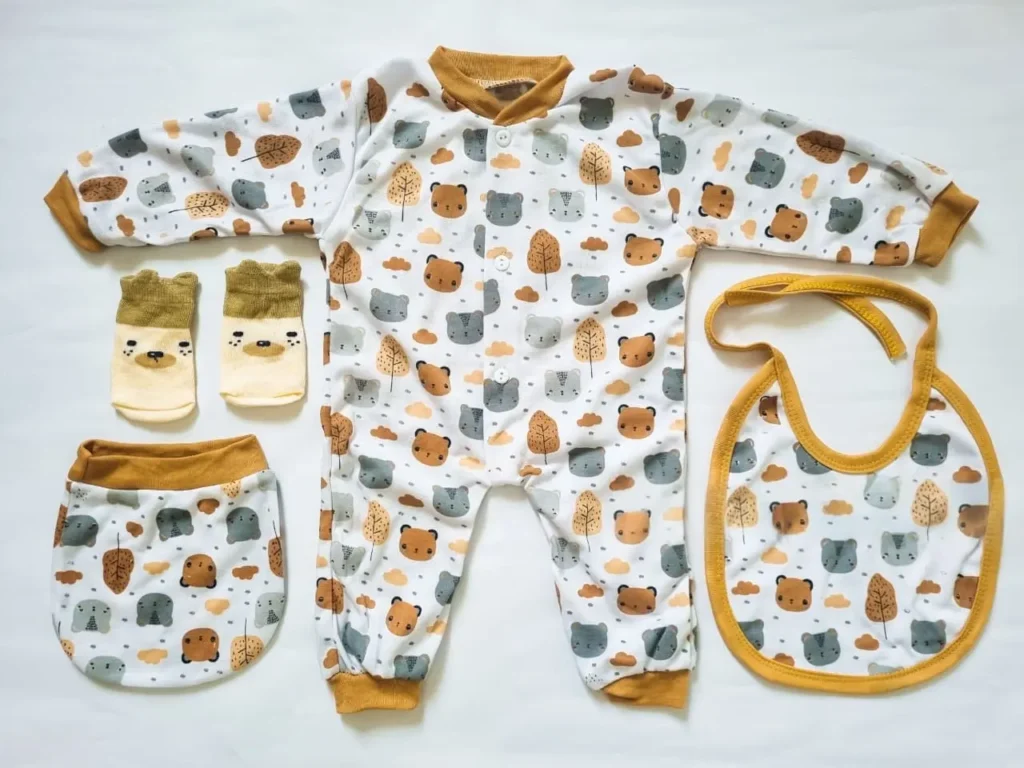
This fabric is widely used in:
T-shirts and tops
Babywear and toddler clothing
Loungewear and pajamas
Casual and athleisure garments
Its balance of softness and structure makes it suitable for both everyday wear and premium collections.
Home & Custom Textile Uses
Beyond apparel, printed cotton interlock fabric is also used for:
Lightweight bedding layers
Custom sleepwear sets
Brand-specific promotional textiles
Cotton Interlock Wholesale: What Buyers Should Know
Fabric Specifications to Check
When sourcing cotton interlock wholesale, buyers should carefully review:
Fabric weight (GSM)
Yarn quality and consistency
Shrinkage control
Colorfastness after printing and washing
These factors directly affect garment quality and long-term performance.
Wholesale vs Custom Printed Cotton Interlock
Buyers can typically choose between:
Greige or dyed cotton interlock fabric by the yard
Custom printed cotton interlock fabric
Custom printing allows brands to reduce inventory risk and create unique designs, while wholesale greige fabric is often preferred for large-scale manufacturing.
To learn more about our production capabilities and experience, visit our About Us page.
Why Choose Custom Cotton Interlock Fabric from a Professional Printer?
Working with a professional textile printer ensures:
Consistent color management
Controlled fabric quality
Flexible MOQs for growing brands
Reliable global shipping
Our cotton interlock fabric solutions are designed to support designers, startups, and established brands alike—from sampling to bulk production.
You can view available fabric bases at our-fabric or start customizing immediately at design-your-fabric.
Conclusion: Is Cotton Interlock Fabric Right for Your Project?
This knit combines a stable knit structure, excellent printability, and versatile wholesale options. Whether you are developing babywear, casual apparel, or custom printed collections, interlock cotton offers a reliable foundation for high-quality textile products.
If you’re planning your next fabric project, cotton interlock fabric is a strong choice worth considering.
📚 Frequently Asked Questions (FAQs)
1. What is cotton interlock fabric?
Cotton interlock fabric is a double-knit cotton fabric made using an interlock knitting structure. It has a smooth surface on both sides, offers better stability than single jersey, and is commonly used for comfortable apparel and custom textile printing.
2. Is interlock cotton good for printing?
Yes. Cotton interlock fabric is well-suited for digital textile printing because of its smooth knit surface and consistent fabric density. Reactive and pigment printing methods both perform well on interlock cotton.
3. What is the difference between cotton interlock and jersey knit?
The main difference lies in the knit structure. Cotton interlock is a double-knit fabric that is thicker and more stable, while jersey knit is lighter and more prone to edge curling and distortion.
4. What are common uses of cotton interlock fabric?
Yes, it is widely used for T-shirts, babywear, pajamas, loungewear, and other garments where softness and durability are important.
5. Can I buy cotton interlock fabric wholesale?
Yes. Cotton interlock wholesale options are available for buyers sourcing fabric by the yard or in bulk rolls. Wholesale supply may include greige, dyed, or custom printed cotton interlock fabric depending on production needs.
6. What printing methods work best for cotton interlock fabric?
Reactive printing is ideal for cotton interlock fabric due to its strong color bonding and wash durability. Pigment printing is also commonly used for short-run or fast-turnaround projects.
7. Is cotton interlock fabric suitable for baby clothing?
Yes. Because interlock cotton is soft, breathable, and skin-friendly, it is often used for baby and children’s garments.