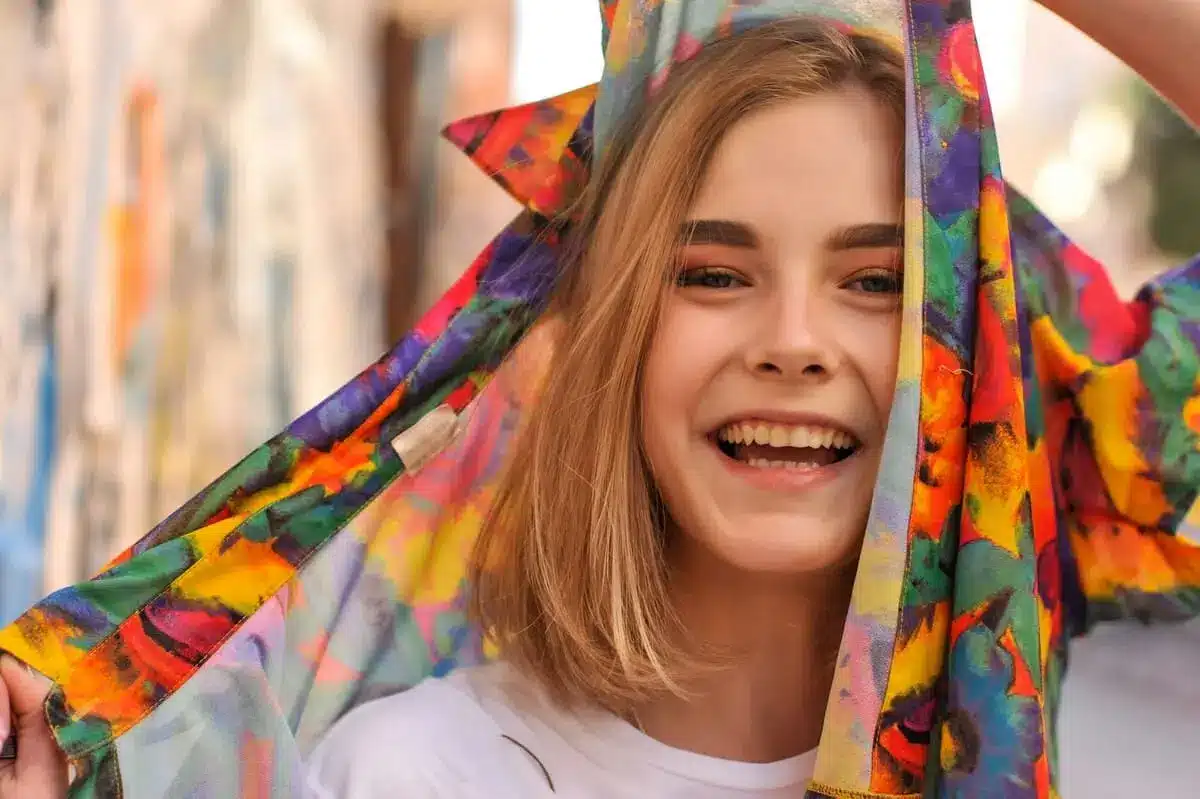
Custom scarves are more than simple fashion accessories. Today, they have become powerful tools for personal expression, brand promotion, and fashion collection development. With modern textile technology, designers, businesses, and creative individuals can easily transform original artwork into unique textile products.
A professional scarf print allows you to create personalized designs featuring custom patterns, brand logos, illustrations, photographs, and artistic graphics. Whether you are developing a luxury fashion collection, launching a small handmade brand, or creating personalized gifts, custom printed scarves provide endless creative possibilities.
At JCWTextile, we help designers, fashion brands, and businesses turn creative ideas into high-quality printed fabrics through professional custom textile printing solutions. From fabric selection to pattern development and production, our goal is to make customized textile creation simple and efficient.
In this complete guide, you will learn:
- How to design your own custom printed scarf
- How to choose the best fabric for scarf printing
- How different materials affect printing results
- How to create attractive colors and patterns
- The difference between DIY printable scarves and professional production
- How businesses can order custom printed scarves in bulk
If you are interested in creating your own textile designs, you can also explore our guide on design your own fabric and learn how custom patterns are developed for professional textile production.
What Is Scarf Printing?
Scarf printing is the process of applying customized artwork, patterns, colors, or images onto textile materials to create unique scarves. Unlike traditional scarves that use pre-designed patterns, custom printed scarves allow complete control over the final appearance.
Modern digital textile printing technology has made it possible for designers to produce detailed artwork with excellent color accuracy and flexibility.
A custom scarf print can include:
- Floral patterns
- Abstract artwork
- Geometric designs
- Brand logos
- Hand-drawn illustrations
- Photography
- Seasonal fashion graphics
Today, printed scarves are widely used in many industries, including:
- Fashion brands
- Boutique stores
- Corporate gifts
- Event merchandise
- Interior decoration
- Designer collections
According to textile industry trends, digital printing has become an important solution for customized textile products because it allows faster development, lower minimum orders, and greater design freedom.
For designers who want to understand professional textile printing technology, resources from organizations such as Textile Institute provide valuable industry knowledge about textile innovation and manufacturing standards.
Table of Contents: Complete Guide to Creating Custom Printed Scarves
Why Choose Custom Printed Scarves?
Traditional mass-produced scarves often limit creativity because customers must select from existing patterns. Custom printing removes these restrictions and allows complete personalization.
1. Create Unique Fashion Products
For fashion designers, a custom scarf can become a signature product.
A unique scarf design can help brands:
- Build brand identity
- Create seasonal collections
- Differentiate from competitors
- Offer exclusive products
For example, a fashion brand can create:
- Silk scarves with luxury floral artwork
- Satin scarves with modern geometric patterns
- Cotton scarves with natural illustrations
2. Support Small Business Growth
Many small businesses now use printable scarves as a low-risk product opportunity.
Instead of investing in large inventories, designers can:
- Create original artwork
- Test different designs
- Produce limited collections
- Expand successful products
This approach is especially useful for:
- Independent designers
- Online stores
- Boutique retailers
- Creative entrepreneurs
3. Create Personalized Gifts
Custom printed scarves are also popular for personalized gifts.
Examples include:
- Family photo scarves
- Custom artwork scarves
- Wedding gifts
- Company anniversary gifts
With modern printing technology, even complex images can be transferred onto fabric with excellent detail.
How to Design Your Own Custom Printed Scarf
Creating a successful scarf design requires more than choosing a beautiful image. Designers need to consider fabric characteristics, color balance, pattern repetition, and printing techniques.
Below are the key steps for creating professional scarf designs.
Step 1: Define Your Scarf Design Concept
Before creating artwork, determine the purpose of your scarf.
Ask yourself:
- Who will use this scarf?
- What style does the product represent?
- What feeling should the design communicate?
Different markets require different design approaches.
Luxury Fashion Scarves
Luxury collections often use:
- Elegant floral patterns
- Minimalist graphics
- Artistic illustrations
- Premium color combinations
Silk and satin fabrics are commonly selected because they provide a smooth surface and sophisticated appearance.
Casual Everyday Scarves
For casual products, designers often choose:
- Cotton fabrics
- Simple patterns
- Natural colors
- Comfortable textures
Brand Promotion Scarves
Companies may use scarves as promotional products featuring:
- Logos
- Corporate colors
- Brand symbols
- Marketing messages
Step 2: Create Your Artwork
The next step is preparing the design file for printing.
Professional scarf designs usually require:
High Resolution Images
Low-quality images may appear blurry after printing.
Recommended:
- 300 DPI artwork
- Large image dimensions
- Clear details
Suitable File Formats
Common formats include:
- AI
- PSD
- TIFF
- PNG
Design software such as Adobe Photoshop and Illustrator are widely used by textile designers to create professional artwork.
Step 3: Create Seamless Patterns
Many scarf designs use repeating patterns.
A seamless pattern allows artwork to continue naturally across the entire fabric surface.
Popular repeat styles include:
Full Pattern Repeat
The same design repeats across the scarf.
Suitable for:
- Floral prints
- Geometric designs
- Abstract patterns
Border Pattern Design
The main artwork appears around the edges.
Suitable for:
- Luxury silk scarves
- Fashion accessories
Center Artwork Design
A main image appears in the center area.
Suitable for:
- Artistic scarves
- Personalized gifts
Understanding pattern placement helps achieve a more professional scarf print result.
Step 4: Select the Right Colors
Color selection directly affects the final appearance of printed scarves.
Good color combinations should consider:
- Fabric type
- Printing method
- Target customers
- Brand identity
Use Brand Colors
For businesses, using consistent brand colors helps customers recognize products immediately.
Follow Seasonal Trends
Examples:
Spring collections:
- Soft green
- Pastel pink
- Light blue
Autumn collections:
- Brown
- Orange
- Deep red
Maintain Good Contrast
A successful scarf design needs balance between:
- Background color
- Pattern color
- Detail visibility
Overly complicated color combinations may reduce visual impact.
Choosing the Right Fabric for Scarf Print
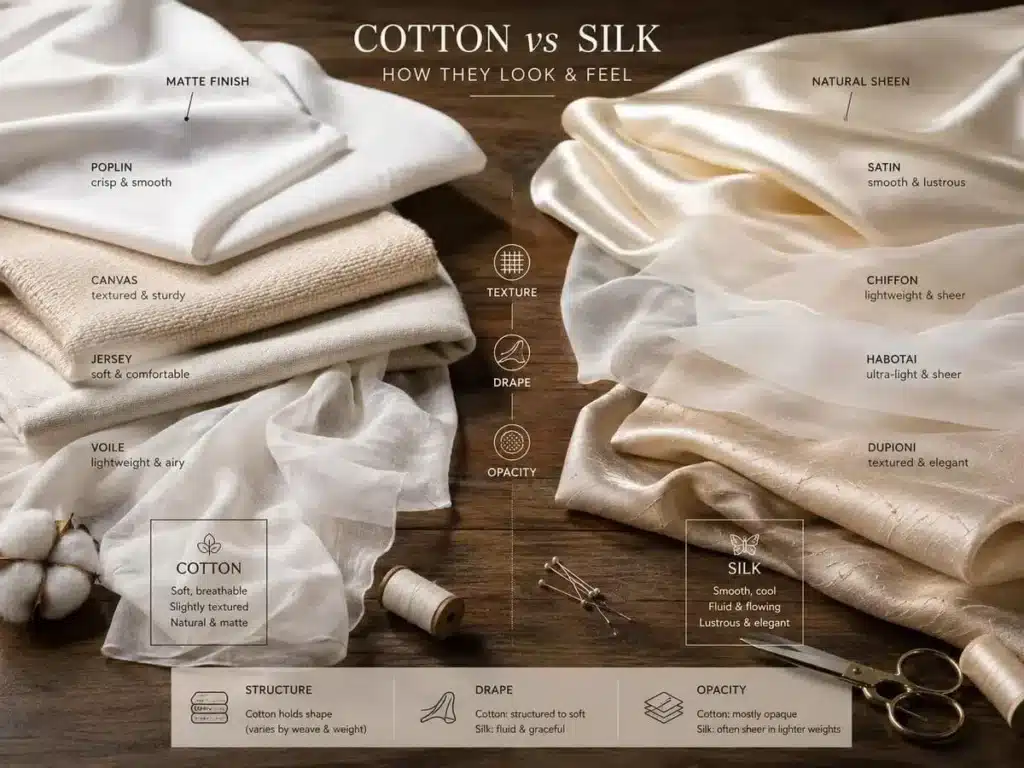
Selecting the right fabric is one of the most important steps when creating custom printed scarves. Different textile materials have different textures, absorbency, color performance, and printing requirements.
A beautiful scarf design can look completely different depending on whether it is printed on silk, satin, cotton, or synthetic fabrics.
For professional scarf print projects, designers should consider:
- Fabric texture
- Printing method
- Color brightness
- Hand feel
- Durability
- Final product application
At JCWTextile, we provide different fabric options for custom textile printing. You can explore our available materials through our fabric collection.
Silk Fabric: Premium Choice for Luxury Scarf Printing
Silk is one of the most popular materials for high-end custom printed scarves.
Because of its smooth surface and natural shine, silk creates a luxurious appearance that is widely used by fashion designers and premium brands.
Advantages of Silk Scarf Printing
1. Excellent Color Appearance
Silk fibers absorb dyes effectively, producing:
- Rich colors
- Smooth gradients
- Fine details
- Elegant visual effects
This makes silk ideal for:
- Floral artwork
- Watercolor designs
- Artistic illustrations
- Luxury patterns
2. Soft and Comfortable Texture
Silk scarves are lightweight and comfortable, making them suitable for:
- Fashion accessories
- Designer collections
- Premium gifts
3. High-End Brand Value
Many luxury fashion brands choose silk scarf printing because the material itself represents quality and sophistication.
Popular silk scarf applications include:
- Luxury fashion scarves
- Boutique products
- Limited edition collections
- Designer collaborations
Satin Fabric: Glossy and Elegant Printed Scarves
Satin fabric is another excellent choice for custom scarf printing.
Unlike matte fabrics, satin has a smooth surface with a beautiful glossy effect.
This reflective surface can make colors appear brighter and more attractive.
Benefits of Satin Scarf Print
Satin fabric provides:
✔ Smooth surface
✔ Bright color performance
✔ Elegant appearance
✔ Affordable production cost
It is commonly used for:
- Fashion accessories
- Promotional scarves
- Event products
- Brand merchandise
For businesses looking for printable scarves with an attractive appearance and competitive pricing, satin is often a practical option.
Cotton Fabric: Natural and Comfortable Custom Scarves
Cotton is one of the most widely used natural textile materials.
Cotton scarves are popular because they provide:
- Breathability
- Soft touch
- Comfortable wearing experience
- Easy maintenance
Cotton is suitable for:
- Casual fashion brands
- Eco-conscious products
- Handmade businesses
- Everyday scarves
Compared with silk and satin, cotton usually creates a softer and more natural visual effect.
It works especially well with:
- Botanical patterns
- Minimal designs
- Vintage artwork
- Natural themes
Polyester Fabric: Flexible and Cost-Effective Printing Solution
Polyester fabrics are widely used in modern textile printing because they offer:
- Excellent color brightness
- Good durability
- Cost efficiency
- Easy maintenance
Polyester is commonly selected for:
- Promotional scarves
- Sports accessories
- Large-volume production
For businesses ordering custom printed scarves in larger quantities, polyester can provide a good balance between quality and production cost.
Fabric Comparison for Custom Scarf Printing
| Fabric Type | Appearance | Best For | Printing Performance |
|---|---|---|---|
| Silk | Luxury and shiny | Premium fashion scarves | Excellent color depth |
| Satin | Smooth and glossy | Fashion accessories | Bright colors |
| Cotton | Natural and soft | Casual products | Comfortable texture |
| Polyester | Durable and affordable | Bulk production | High color vibrancy |
Digital Printing Methods for Custom Printed Scarves
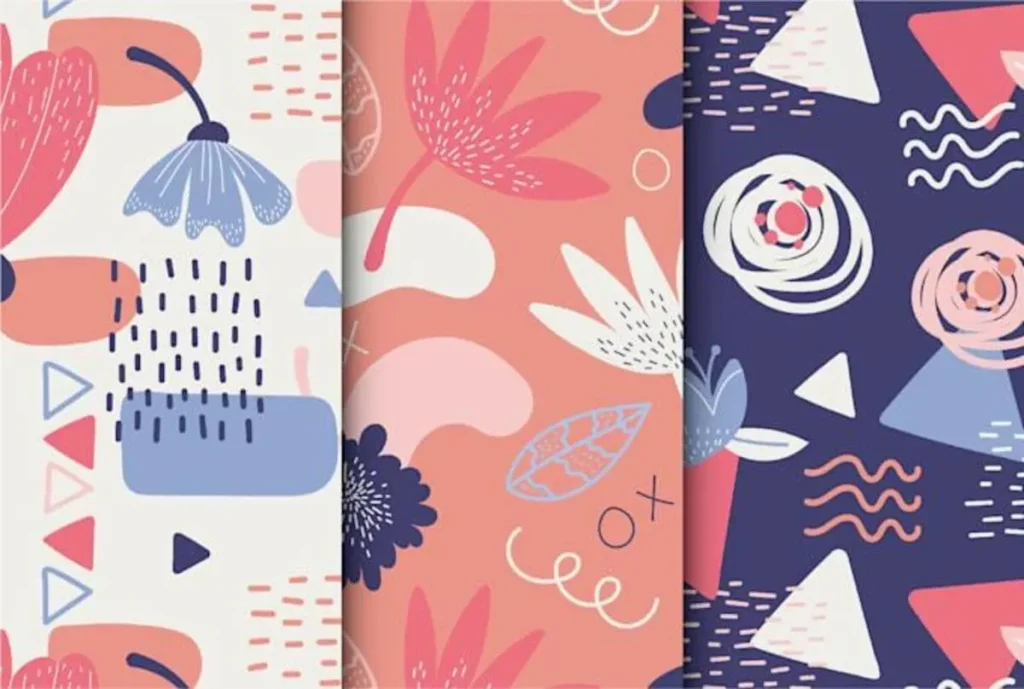
Modern textile printing technology allows designers to create detailed scarf patterns with excellent accuracy.
The most common printing methods include:
- Reactive printing
- Sublimation printing
- Pigment printing
Choosing the correct printing method depends on:
- Fabric composition
- Desired appearance
- Production quantity
- Usage requirements
Reactive Printing for Natural Fabrics
Reactive printing is commonly used for natural fibers such as:
- Cotton
- Silk
- Rayon
The dye chemically bonds with the fabric fibers, creating excellent durability.
Advantages:
- Strong color fastness
- Soft fabric feel
- Excellent washing performance
Reactive printing is suitable for premium cotton and silk scarf projects where quality and durability are important.
Sublimation Printing for Synthetic Fabrics
Sublimation printing is widely used for polyester-based materials.
During this process, heat transfers the design into the fabric fibers.
Benefits:
- Extremely vivid colors
- Detailed graphics
- Smooth surface
- Long-lasting prints
Sublimation is commonly used for:
- Fashion scarves
- Sports scarves
- Promotional products
Pigment Printing for Versatile Applications
Pigment printing applies color pigments directly onto the fabric surface.
It is suitable for various materials and offers flexible production options.
Advantages include:
- Wide fabric compatibility
- Simple production process
- Good design flexibility
How to Choose the Best Printing Method?
When selecting a printing method for your scarf design, consider these factors:
1. Fabric Material
Example:
Silk → Reactive printing
Polyester → Sublimation printing
Cotton → Reactive or pigment printing
2. Design Complexity
Detailed artwork with:
- Multiple colors
- Fine lines
- Gradient effects
usually requires advanced digital printing technology.
3. Product Usage
Consider whether the scarf will be:
- Washed frequently
- Used as fashion accessory
- Displayed as artwork
- Sold commercially
Professional printing selection helps ensure the final product meets customer expectations.
Creative Inspiration for Custom Scarf Designs
A successful scarf print combines creativity with practical design principles.
Below are some popular design directions for modern printed scarves.
Floral Scarf Designs
Floral patterns remain one of the most popular choices in scarf design.
Common styles include:
- Vintage flowers
- Tropical plants
- Botanical illustrations
- Abstract floral artwork
Floral designs work especially well on:
- Silk scarves
- Satin scarves
- Luxury fashion products
Abstract Scarf Patterns
Abstract designs are becoming increasingly popular among modern fashion brands.
They often include:
- Artistic shapes
- Brush effects
- Color blocks
- Fluid patterns
Abstract scarf designs allow brands to create unique products without following traditional fashion patterns.
Examples:
- Marble effects
- Watercolor textures
- Modern geometric combinations
Geometric Scarf Patterns
Geometric patterns create a clean and contemporary appearance.
Popular elements include:
- Lines
- Circles
- Squares
- Symmetrical layouts
These designs are suitable for:
- Modern fashion collections
- Corporate scarves
- Minimalist brands
Nature-Inspired Designs
Nature themes create emotional connections with customers.
Popular ideas include:
- Leaves
- Mountains
- Ocean patterns
- Animals
- Landscape artwork
These styles are especially suitable for brands focusing on:
- Sustainability
- Outdoor lifestyle
- Natural products
Color Matching Tips for Better Scarf Designs
Color selection can determine whether a scarf design looks professional or ordinary.
Here are practical tips:
Tip 1: Follow the 60-30-10 Color Rule
A balanced design often uses:
- 60% main color
- 30% secondary color
- 10% accent color
This creates a visually comfortable appearance.
Tip 2: Match Colors With Fabric Type
Different fabrics influence color appearance.
For example:
Silk:
- More luxurious
- Softer color transitions
Satin:
- More reflective
- Brighter appearance
Cotton:
- More natural
- Slightly softer tones
Tip 3: Consider Your Target Market
Different customers prefer different styles.
Luxury customers:
- Elegant colors
- Minimal patterns
Young fashion customers:
- Bright colors
- Creative graphics
Corporate customers:
- Brand colors
- Professional appearance
Designing and Printing Your Own Fabric: Professional Tips
Many designers search for ways to design and print your own fabric because customized textile products are becoming more accessible.
However, successful fabric printing requires more than uploading an image.
Professional designers should consider:
Artwork Scale
Large patterns and small patterns create completely different visual effects.
Fabric Width
The design should match the available fabric width.
Print Direction
Consider:
- Horizontal patterns
- Vertical patterns
- Center placement
Sample Testing
Before mass production, creating a fabric sample helps verify:
- Color accuracy
- Pattern size
- Fabric quality
This step reduces production risks and improves the final result.
DIY Printable Scarves vs Bulk Custom Production
The growth of digital textile printing has made customized scarves more accessible than ever. Today, individuals, designers, and businesses can create unique scarf products without relying only on traditional mass production.
However, there is an important difference between DIY printable scarves and professional bulk custom scarf production.
Understanding these differences helps you choose the right solution for your project.
DIY Printable Scarves: Best for Personal Creative Projects
DIY printable scarves are popular among:
- Hobby designers
- Artists
- Craft enthusiasts
- Students
- Small creative projects
The biggest advantage of DIY printing is creative freedom.
You can:
- Create your own artwork
- Experiment with different patterns
- Produce personalized gifts
- Test new design ideas
For example, an artist can create:
- A hand-painted scarf design
- A family photo scarf
- A personalized birthday gift
- A limited handmade collection
However, DIY printing also has some limitations.
Challenges of DIY Scarf Printing
Limited Fabric Options
Home printing systems usually support fewer textile types.
Professional manufacturers provide more choices, including:
- Silk
- Satin
- Cotton
- Polyester blends
Higher Cost Per Piece
Small personal projects usually have higher costs because:
- Materials are purchased individually
- Equipment investment is required
- Production efficiency is lower
Limited Color Accuracy
Professional textile printing equipment provides more accurate:
- Color matching
- Pattern reproduction
- Fabric finishing
For testing creative ideas, DIY methods can be useful. However, for commercial products, professional production usually provides better consistency.
Bulk Custom Scarf Printing for Businesses
Professional custom scarf production is ideal for:
- Fashion brands
- Online retailers
- Boutique owners
- Corporate buyers
- Textile wholesalers
With professional manufacturing, businesses can achieve:
✔ Consistent quality
✔ Better pricing for larger quantities
✔ Professional finishing
✔ Multiple fabric choices
✔ Reliable production schedules
Why Businesses Choose Custom Printed Scarves
1. Build Brand Identity
A custom scarf can become a recognizable brand product.
Companies can integrate:
- Brand colors
- Signature patterns
- Logos
- Seasonal themes
This creates stronger customer recognition.
2. Launch Limited Collections
Modern fashion brands often create small seasonal collections.
Custom printing allows brands to produce:
- Spring collections
- Holiday designs
- Exclusive collaborations
- Limited edition products
3. Reduce Inventory Risk
Compared with traditional manufacturing, digital printing allows more flexible production.
Businesses can:
- Test new designs
- Produce smaller quantities
- Adjust collections quickly
This is especially valuable for emerging fashion brands.
Common Mistakes When Designing Printed Scarves
Creating a beautiful scarf print requires attention to both artistic and technical details.
Below are common mistakes designers should avoid.
Mistake 1: Using Low-Resolution Artwork
One of the most common problems is submitting poor-quality images.
Low-resolution artwork may result in:
- Blurry patterns
- Missing details
- Poor print quality
For professional printing, designers should prepare:
- High-resolution files
- Clear graphics
- Proper color settings
Recommended:
- 300 DPI artwork
- Large original files
- Vector formats when possible
Mistake 2: Ignoring Fabric Differences
A design that looks perfect on a computer screen may appear different after printing.
Fabric affects:
- Color brightness
- Texture appearance
- Pattern sharpness
For example:
A silk scarf may create a luxurious color effect, while cotton may produce a softer natural appearance.
Therefore, designers should always consider the relationship between:
Design + Fabric + Printing Method
Mistake 3: Choosing Incorrect Pattern Scale
Pattern size has a major impact on the final scarf appearance.
A design that is too small may look:
- Busy
- Confusing
- Less attractive
A design that is too large may lose important details.
Professional designers usually test different pattern scales before final production.
Mistake 4: Forgetting the Printing Area
A scarf is not just a flat image.
Designers need to consider:
- Edge areas
- Center placement
- Folding effects
- Wearing position
A professional scarf design should look attractive from multiple angles.
Mistake 5: Not Creating a Sample Before Production
Before producing a large order, sample testing is highly recommended.
A sample allows you to check:
- Actual colors
- Fabric feel
- Print quality
- Pattern placement
This helps prevent unexpected production issues.
How JCWTextile Supports Custom Scarf Printing
Creating successful custom printed scarves requires experience in both design and textile manufacturing.
JCWTextile provides professional custom fabric printing solutions for designers, brands, and businesses worldwide.
Our services include:
Custom Fabric Printing
We help customers transform creative ideas into printed textile products.
Solutions include:
- Custom patterns
- Digital textile printing
- Fabric customization
- Flexible production options
Learn more about our custom fabric printing services.
Wide Range of Fabric Options
Choosing the right fabric is essential for achieving the desired scarf appearance.
Our fabric solutions include options suitable for:
- Fashion scarves
- Promotional products
- Designer collections
- Retail brands
Explore our available materials:
Support From Design to Production
JCWTextile works with customers throughout the development process:
Step 1: Share Your Design
Customers provide:
- Artwork
- Pattern ideas
- Brand requirements
Step 2: Select Fabric
Choose from suitable materials based on:
- Product purpose
- Budget
- Desired appearance
Step 3: Confirm Printing Method
We recommend suitable printing solutions according to:
- Fabric type
- Design complexity
- Production requirements
Step 4: Produce Custom Printed Fabric
After confirmation, production begins with professional textile printing technology.
Why Choose JCWTextile for Custom Scarf Printing?
As an experienced textile printing supplier, JCWTextile focuses on helping businesses create unique fabric products.
Our advantages include:
Professional Textile Experience
We understand:
- Fabric characteristics
- Printing technology
- Pattern development
- Production requirements
Learn more about our company:
Flexible Solutions for Different Customers
We support:
- Small businesses
- Independent designers
- Fashion brands
- Wholesale buyers
Whether you need a small creative project or larger commercial production, we provide customized solutions.
Start Creating Your Custom Printed Scarf Design Today
A successful scarf begins with a creative idea.
With modern textile printing technology, anyone can transform artwork into a professional textile product.
Whether you want to create:
- Luxury silk scarves
- Fashion accessories
- Personalized gifts
- Brand merchandise
- Custom collections
JCWTextile can help you turn your vision into reality.
Start your custom scarf project today and explore professional scarf print solutions with JCWTextile.
Conclusion: Create Unique Scarf Designs With Professional Printing
Custom scarves provide endless opportunities for creativity, branding, and product development.
From selecting premium silk fabrics to creating modern abstract patterns, every design decision influences the final product.
A successful scarf print combines:
- Creative artwork
- Suitable fabric selection
- Professional printing technology
- Quality production experience
Whether you are a designer creating your first collection or an established brand expanding your product line, custom printed scarves can help bring your ideas to life.
JCWTextile provides complete textile printing solutions, helping customers create high-quality personalized fabrics for fashion and commercial applications.
Explore our services today and start designing your own custom printed scarves.
📚 Frequently Asked Questions (FAQs)
1: What is scarf printing?
Scarf printing is the process of applying customized patterns, artwork, logos, or images onto fabric materials to create unique scarves. Modern digital textile printing technology allows designers and businesses to create custom printed scarves with detailed patterns, vibrant colors, and flexible production options.
2: Can I design and print my own fabric for scarves?
Yes. With modern digital textile printing, designers can design and print their own fabric by creating original artwork and selecting suitable materials. Professional textile printing services can transform digital designs into high-quality fabrics for custom scarves, fashion products, and brand collections.
3: Which fabric is best for custom printed scarves?
The best fabric depends on the desired appearance and application.
- Silk is ideal for luxury scarf designs because of its smooth texture and premium feel.
- Satin provides a glossy surface with bright colors.
- Cotton offers natural comfort and breathability.
- Polyester is suitable for cost-effective production and vibrant digital printing.
Choosing the right fabric helps achieve better scarf print quality and customer satisfaction.
4: What printing method is used for scarf printing?
Common scarf printing methods include:
- Reactive printing for natural fabrics such as cotton and silk
- Sublimation printing for polyester fabrics
- Pigment printing for versatile textile applications
The best printing method depends on fabric type, design complexity, color requirements, and production goals.
5: Can small businesses order custom printed scarves?
Yes. Many small businesses, fashion designers, and independent brands use custom printed scarves to create unique products without large inventory investment. Flexible production solutions allow businesses to test new designs, launch limited collections, and develop personalized fashion products.
6: What artwork files are needed for custom scarf printing?
For professional scarf printing, high-resolution artwork is recommended.
Common file formats include:
- AI
- PSD
- TIFF
- PNG
For the best printing results, designs should be prepared with sufficient resolution, accurate colors, and proper pattern layouts.
7: Are printable scarves suitable for fashion brands?
Yes. Printable scarves are an excellent option for fashion brands because they allow complete customization of patterns, colors, and artwork. Brands can create seasonal collections, limited editions, and exclusive products that match their unique identity.
8: How can I create a professional scarf design?
A professional scarf design usually includes:
- Selecting the right fabric
- Creating high-resolution artwork
- Choosing suitable colors
- Preparing seamless patterns
- Testing samples before production
Working with an experienced textile printing supplier can help ensure better quality and production results.
9: Does JCWTextile provide custom scarf printing services?
Yes. JCWTextile provides custom fabric printing solutions for designers, fashion brands, and businesses. We support customers with fabric selection, custom patterns, digital printing, and production solutions for creating unique printed textile products.