Introduction: The Growing Popularity of Abstract Fabric Design
Modern textile design is constantly evolving as designers, fashion brands, and creative businesses look for unique ways to express their identity. Traditional prints remain popular, but abstract fabric and geometric pattern fabric have become two of the most influential trends in contemporary textile collections.
Unlike conventional repeating patterns, abstract designs focus on artistic expression through colors, shapes, textures, and visual movement. They allow designers to create fabrics that feel original, modern, and emotionally engaging. From luxury fashion garments to home décor products, abstract patterns are helping brands develop distinctive collections that stand out in competitive markets.
At the same time, advances in digital fabric printing have made custom textile production more accessible. Designers no longer need large production quantities to create unique fabrics. With modern printing technology, businesses can produce custom printed fabric, test new concepts, and order fabric by the yard according to their specific requirements.
At JCW Textile, we help designers, brands, and small businesses transform creative ideas into high-quality printed fabrics. Whether you need artistic abstract patterns, geometric designs, floral fabric patterns, or a personalized scarf print, customized textile solutions make it easier to bring your vision to life.
Explore more fabric printing knowledge on our blog or learn about our textile solutions through our custom fabric printing service.
Table of Contents: Abstract Fabric Design Trends & Printing Ideas
What Is Abstract Fabric Design?
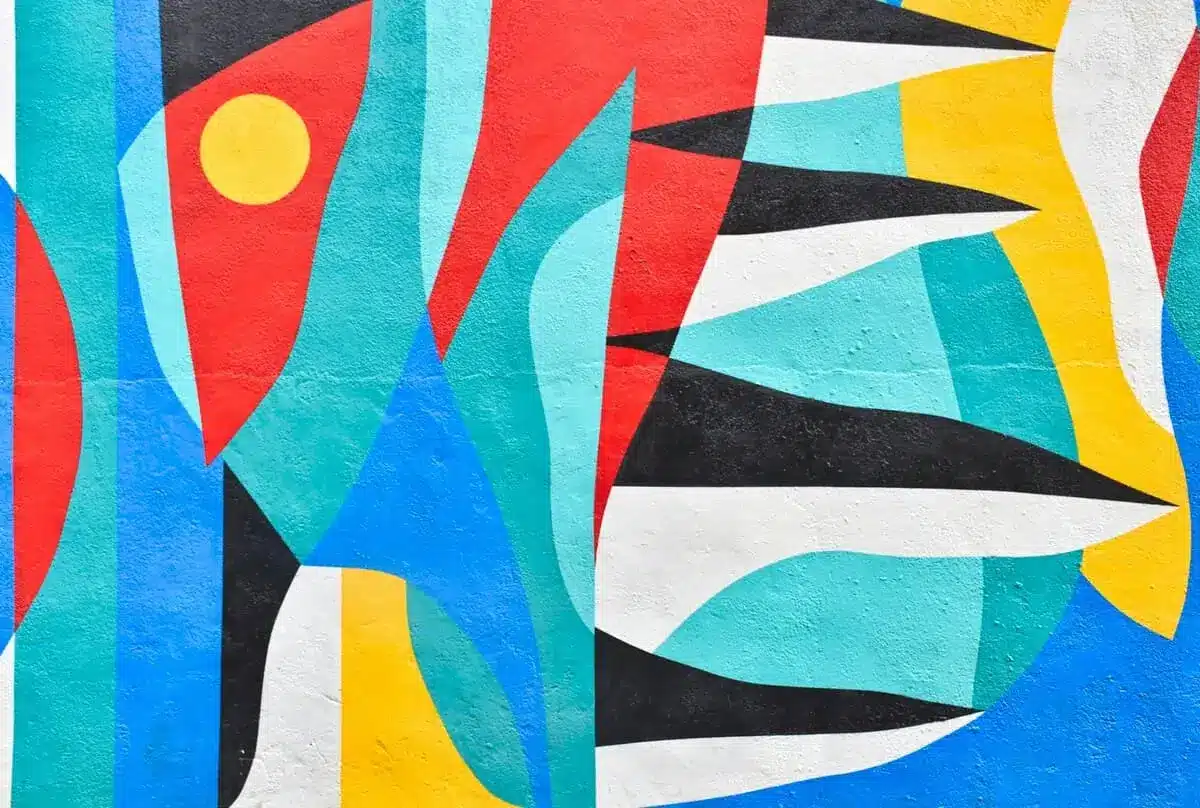
Abstract fabric refers to textile designs that use artistic elements instead of traditional realistic images. These designs often include free-form shapes, unusual color combinations, brush effects, and experimental patterns.
Unlike classic floral or striped fabrics, abstract patterns are not limited by traditional design rules. They create a sense of creativity and allow designers to develop fabrics that match modern lifestyles and consumer preferences.
Some common characteristics of abstract fabric designs include:
1. Artistic Shapes and Organic Forms
Many abstract fabrics are inspired by nature, painting, and contemporary artwork. Designers often use:
- flowing curves
- irregular shapes
- watercolor effects
- hand-painted textures
- natural movements
These elements create fabrics with a unique artistic appearance.
For example, an abstract linen fabric featuring soft watercolor patterns can create a premium look for curtains, table textiles, and relaxed fashion garments.
2. Bold Color Combinations
Color plays an important role in modern fabric design. Abstract patterns allow designers to experiment with:
- contrasting colors
- gradient transitions
- monochrome palettes
- seasonal color trends
Professional color forecasting organizations such as Pantone Color Institute influence many creative industries, including fashion and textile development.
By combining modern colors with creative patterns, designers can develop fabrics that feel fresh and commercially attractive.
3. Texture-Inspired Abstract Patterns
Many modern abstract fabric patterns imitate natural and artistic textures, including:
- marble effects
- stone surfaces
- waves
- clouds
- brush strokes
These designs are especially popular for:
- fashion fabrics
- scarves
- upholstery
- decorative textiles
With advanced printing methods, these detailed textures can be reproduced clearly on different fabric surfaces.
Why Abstract Fabric Is Trending in Modern Textile Design
The increasing popularity of abstract textile patterns is closely connected with several market trends.
Personalization and Unique Product Design
Consumers today prefer products that feel personal and different. Mass-produced designs often lack uniqueness, while custom printed fabric allows brands to create exclusive collections.
Small businesses, independent designers, and online sellers can use abstract designs to develop:
- limited-edition clothing
- personalized accessories
- boutique home products
- handmade collections
This trend has increased demand for flexible textile printing services.
The Growth of Digital Textile Printing
Traditional textile printing usually requires significant setup costs and large production quantities. However, digital fabric printing provides more flexibility.
Advantages include:
Unlimited Design Possibilities
Digital printing can reproduce:
- detailed illustrations
- complex geometric shapes
- multiple colors
- photographic effects
This makes it ideal for modern abstract fabric designs.
Small Quantity Production
For emerging brands, ordering thousands of meters of fabric may not be practical.
Fabric printing by the yard allows designers to:
- test new collections
- produce small batches
- reduce inventory risks
Faster Design Development
Designers can move from concept to finished textile faster, helping businesses respond quickly to market trends.
The Rise of Geometric Pattern Fabric in Contemporary Design
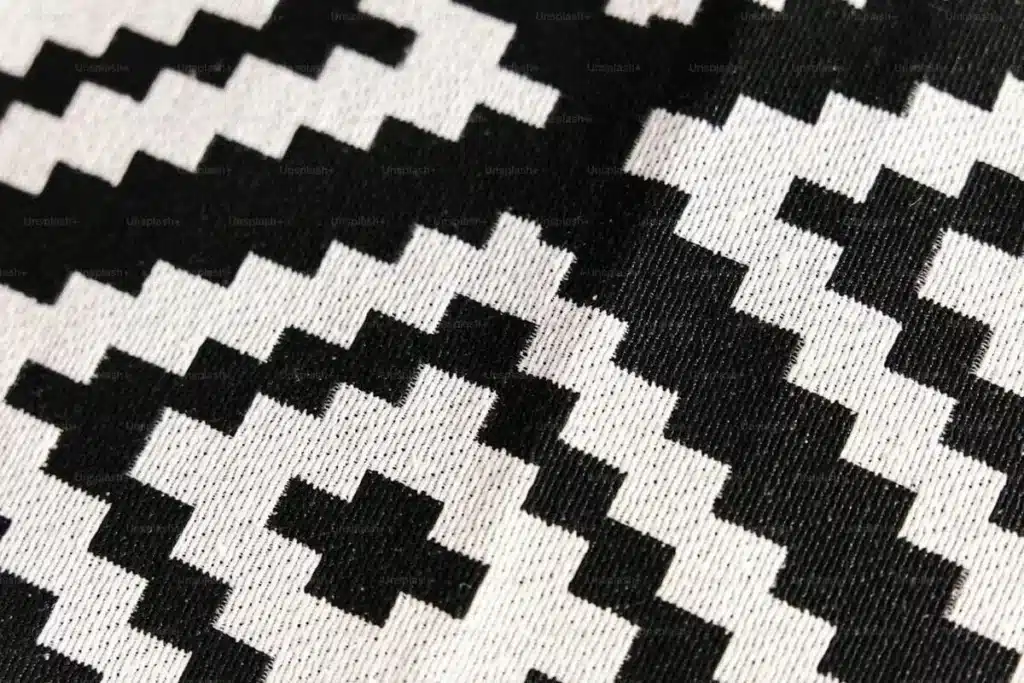
Alongside abstract styles, geometric pattern fabric has become one of the most popular choices in modern textile collections.
Geometric designs use structured elements such as:
- circles
- squares
- triangles
- lines
- repeating shapes
These patterns create a balance between creativity and visual organization.
Popular Geometric Pattern Fabric Trends
1. Minimalist Geometric Designs
Minimal geometric fabrics focus on simplicity.
Common features include:
- clean lines
- neutral colors
- balanced layouts
- modern compositions
These fabrics are widely used in:
- Scandinavian-style interiors
- modern clothing
- minimalist accessories
For example, a black-and-white geometric pattern fabric can create a timeless appearance for cushions, curtains, and fashion products.
2. Retro-Inspired Geometric Prints
Vintage geometric patterns continue to influence modern textile design.
Popular inspirations include:
- 1960s abstract art
- Art Deco geometry
- mid-century modern design
These styles combine historical aesthetics with contemporary color palettes.
Retro geometric fabrics are often used for:
- statement dresses
- jackets
- home décor
- decorative accessories
3. Three-Dimensional Optical Patterns
A growing trend in geometric textile design is the use of optical effects.
Designers create visual movement through:
- layered shapes
- repeating structures
- perspective effects
- contrasting colors
These patterns are especially effective for fashion items because they create strong visual impact.
Combining Abstract and Geometric Elements
One of the biggest trends in modern fabric design is combining abstract and geometric styles.
For example:
- geometric shapes with watercolor textures
- abstract backgrounds with structured lines
- floral elements mixed with modern patterns
This combination creates fabrics that are both artistic and commercially appealing.
A designer may combine:
- geometric pattern fabric as the foundation
- abstract colors as the visual highlight
- floral fabric patterns as decorative details
The result is a unique textile design suitable for fashion, accessories, and home applications.
Custom Fabric Printing Techniques for Abstract and Geometric Designs
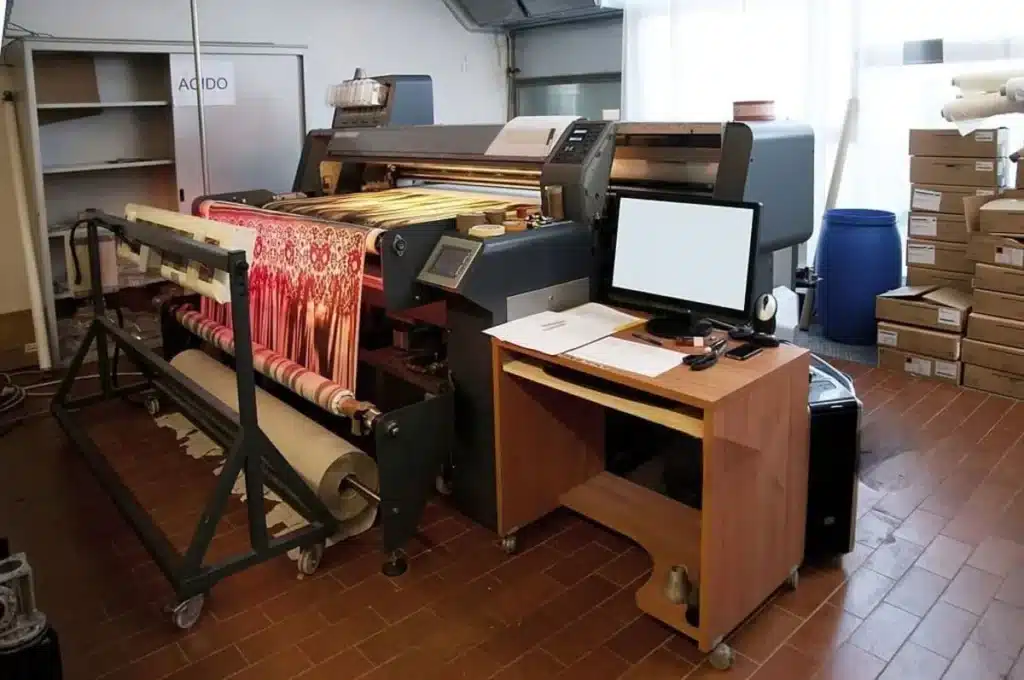
Creating modern textile collections requires not only creative artwork but also the right printing technology. Different fabrics and applications require different printing methods to achieve the best visual quality, durability, and hand feel.
At JCW Textile, advanced printing solutions allow designers and businesses to transform digital artwork into high-quality custom printed fabric suitable for fashion, accessories, and home décor products.
The most common printing technologies for abstract fabric and geometric pattern fabric include:
Digital Fabric Printing: Bringing Creative Designs to Life
Digital fabric printing has changed the way designers produce customized textiles. Unlike traditional printing methods that require expensive screens and large minimum quantities, digital printing allows detailed designs to be printed directly onto fabric.
This technology is especially suitable for:
- abstract fabric patterns
- geometric pattern fabric
- personalized artwork
- photographic designs
- complex color combinations
Advantages of Digital Textile Printing
1. High Design Accuracy
Digital printing can reproduce:
- fine lines
- detailed illustrations
- gradient colors
- multiple shades
This makes it ideal for modern patterns that require precise details.
For example, a designer creating an abstract scarf collection can print complicated artwork without losing the original visual effects.
2. Flexible Production Quantities
Many small brands and independent designers face challenges with large production minimums.
With fabric printing by the yard, businesses can produce smaller quantities for:
- market testing
- limited collections
- custom projects
- handmade products
This flexibility helps reduce inventory pressure and allows designers to experiment with new concepts.
3. Faster Design Updates
Fashion and interior trends change quickly. Digital printing allows brands to update their fabric collections faster without investing heavily in traditional printing preparation.
This is especially valuable for:
- seasonal fashion collections
- boutique brands
- online sellers
- creative entrepreneurs
Sublimation Printing for Vibrant Geometric and Abstract Patterns
Sublimation printing is widely used for synthetic fabrics, especially polyester materials.
The process transfers dye directly into the fabric fibers, creating bright and durable prints.
Benefits include:
- excellent color brightness
- strong washing resistance
- smooth fabric surface
- detailed pattern reproduction
Sublimation printing is commonly used for:
- sportswear
- scarves
- blankets
- promotional textiles
- fashion accessories
For example, a colorful geometric pattern fabric printed through sublimation can maintain sharp lines and vivid colors even after repeated use.
Reactive Printing for Natural Fabrics
For natural fibers such as cotton and linen, reactive printing is a popular choice.
It creates strong color bonding between dye and fabric fibers, producing:
- soft hand feel
- excellent color durability
- comfortable wearing experience
Reactive printing is suitable for:
- cotton dresses
- linen shirts
- bedding products
- home textiles
Designers looking for premium abstract fabric made from natural materials often choose cotton or linen with reactive printing.
Choosing the Right Fabric for Abstract Fabric Printing
The fabric type has a major influence on the final appearance of printed designs.
Different materials create different visual effects, texture, and applications.
When selecting fabric for abstract or geometric designs, consider:
- product purpose
- fabric texture
- color performance
- durability requirements
- customer expectations
Below are popular fabric choices for modern printed textiles.
Cotton Fabric: Natural Comfort and Versatility
Cotton remains one of the most popular choices for custom printing.
Advantages:
- soft and breathable
- comfortable for skin contact
- suitable for everyday products
- excellent for detailed prints
Cotton abstract fabrics are commonly used for:
- shirts
- dresses
- quilting projects
- tote bags
- children’s products
For designers creating wearable collections, cotton provides a comfortable foundation for artistic patterns.
Linen Fabric: Natural Texture Meets Modern Design
Linen has a unique natural texture that works beautifully with artistic patterns.
It is especially suitable for:
- summer clothing
- curtains
- table linens
- luxury home décor
Abstract designs printed on linen create a sophisticated handmade appearance.
For example:
A watercolor-style abstract linen fabric can add a natural artistic feeling to home decoration products.
Polyester Fabric: Best for Bright and Detailed Prints
Polyester is widely used in digital fabric printing because it provides excellent color performance.
Benefits include:
- bright colors
- smooth surface
- durable printing results
- easy maintenance
Polyester printed fabrics are popular for:
- scarves
- sportswear
- fashion accessories
- promotional products
A detailed scarf print design often uses polyester because it allows sharp patterns and vibrant colors.
Velvet Fabric: Luxury Appearance for Premium Products
Velvet creates a rich texture that enhances printed designs.
It is commonly used for:
- luxury fashion
- decorative cushions
- upholstery
- special event products
Abstract patterns on velvet can create a premium visual effect by combining color depth with a soft surface texture.
Velvet Fabric: Luxury Appearance for Premium Products
Velvet creates a rich texture that enhances printed designs.
It is commonly used for:
- luxury fashion
- decorative cushions
- upholstery
- special event products
Abstract patterns on velvet can create a premium visual effect by combining color depth with a soft surface texture.
Sherpa and Fleece Fabrics: Comfort-Focused Applications
Soft fabrics such as sherpa and fleece are ideal for:
- blankets
- winter accessories
- cozy home products
Printed patterns can transform these materials into personalized lifestyle products.
Popular designs include:
- geometric patterns
- nature-inspired artwork
- seasonal prints
Abstract and Geometric Printed Fabric Applications
Modern printed textiles are used across many industries.
The flexibility of custom printing allows designers and businesses to create unique products for different markets.
Fashion Applications
Fashion remains one of the largest markets for abstract and geometric fabrics.
Designers use these patterns for:
- dresses
- shirts
- skirts
- jackets
- scarves
- accessories
Abstract Fabric Patterns for Clothing
Abstract patterns help fashion brands create:
- statement pieces
- seasonal collections
- artistic garments
Unlike basic solid-color fabrics, abstract prints immediately attract attention and create stronger brand identity.
For example:
A boutique fashion brand may create a limited collection using custom abstract fabric with exclusive artwork.
Custom Scarf Print Designs
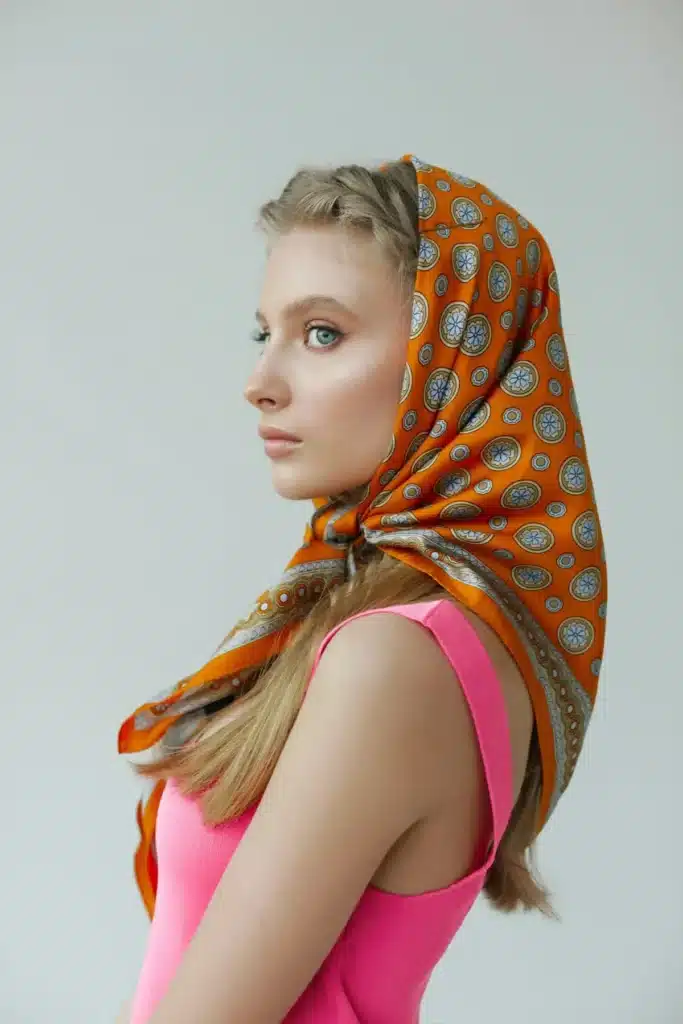
Scarves are one of the most suitable products for artistic textile patterns.
A unique scarf print can include:
- abstract artwork
- geometric compositions
- floral fabric patterns
- personalized logos
Popular scarf fabrics include:
- polyester
- silk-like materials
- lightweight woven fabrics
Custom printed scarves are commonly used for:
- fashion brands
- corporate gifts
- promotional products
- boutique collections
Home Décor Applications
Abstract and geometric fabrics are also widely used in interior design.
Popular applications include:
Curtains
Large-scale geometric patterns can create a modern interior atmosphere.
Cushion Covers
Small abstract patterns add artistic details to living spaces.
Bedding
Custom printed bedding allows homeowners and brands to create unique bedroom styles.
Table Textiles
Linen and cotton printed fabrics are popular for:
- tablecloths
- napkins
- kitchen accessories
Fabric Printing by the Yard: Flexible Solutions for Designers
One of the most important trends in modern textile production is the ability to order fabric according to actual project needs.
Fabric by the yard printing provides flexibility for:
- independent designers
- fashion students
- small brands
- interior designers
- handmade creators
Why Choose Fabric Printing by the Yard?
Reduce Inventory Risk
Instead of purchasing large quantities, designers can produce only the amount they need.
Test New Designs
Before launching a full collection, brands can test:
- customer feedback
- color combinations
- pattern popularity
Create Limited Edition Products
Small-batch production allows businesses to create exclusive products without competing with mass-market designs.
For designers who want complete control over their textile designs, JCW Textile offers custom printing solutions that support creative projects from concept development to final production.
Explore our available materials and printing options:
Sustainable Trends in Modern Fabric Printing
Sustainability has become an important factor in modern textile development. More designers and consumers are looking for fabrics that combine creative design with environmentally responsible production methods.
The development of eco-friendly textile solutions has encouraged brands to explore:
- recycled fabrics
- sustainable fibers
- responsible printing processes
- environmentally conscious production methods
According to Textile Exchange, sustainable materials and responsible textile practices are becoming increasingly important across the global fashion industry.
For businesses creating abstract fabric and geometric pattern fabric collections, sustainability can become part of the brand story.
Examples include:
- recycled polyester fabrics with custom digital prints
- organic cotton with artistic patterns
- eco-conscious home textiles
- sustainable fashion accessories
Eco-Friendly Printing Considerations
When developing custom printed fabric collections, designers should consider:
1. Fabric Material Selection
Choosing sustainable materials can improve product value.
Popular options include:
- recycled polyester
- organic cotton
- natural linen
2. Responsible Ink and Production Methods
Modern printing technologies help reduce:
- material waste
- unnecessary inventory
- excessive production processes
Digital textile printing is particularly useful for customized production because it supports smaller quantities and reduces overproduction.
For information about textile safety and product standards, designers can also refer to OEKO-TEX®, a widely recognized textile testing and certification organization.
How JCW Textile Helps Bring Your Fabric Ideas to Life
Creating a successful textile collection requires more than just a beautiful pattern. Designers need reliable fabric selection, printing technology, and production support.
JCW Textile provides customized fabric solutions for brands, designers, and businesses looking to create unique printed textiles.
Learn more about our company:
Custom Fabric Printing Services
JCW Textile supports customers with:
Custom Pattern Development
Whether you have:
- original artwork
- digital illustrations
- logos
- repeating patterns
our printing solutions help transform creative ideas into finished fabrics.
Wide Fabric Selection
Different applications require different materials.
Our fabric options include:
- cotton
- linen
- polyester
- velvet
- fleece
- sherpa
- other customized textile materials
Choosing the right fabric ensures your abstract or geometric designs achieve the desired appearance and performance.
Explore our fabric options:
Support for Small and Growing Brands
Many emerging businesses need flexible production options.
JCW Textile helps small businesses create:
- boutique fashion collections
- custom accessories
- personalized home products
- limited-edition designs
From a single creative idea to finished printed fabric, professional textile support can help brands move faster and develop unique products.
How to Design Your Own Abstract Fabric
Creating your own fabric design does not require complicated processes.
Follow these basic steps:
Step 1: Define Your Design Style
Decide whether your design focuses on:
- abstract artwork
- geometric patterns
- floral fabric patterns
- minimalist graphics
- artistic textures
A clear design direction helps create stronger product identity.
Step 2: Select Your Fabric Type
Consider your final product:
| Product | Recommended Fabric |
|---|---|
| Fashion clothing | Cotton, linen, polyester |
| Scarves | Polyester, silk-like fabrics |
| Home décor | Linen, cotton, velvet |
| Blankets | Fleece, sherpa |
The fabric surface affects how colors and patterns appear.
Step 3: Prepare Your Artwork
Professional textile designs usually require:
- high-resolution files
- suitable color settings
- repeat pattern preparation
Complex designs such as abstract textures and geometric layouts benefit from digital printing technology.
Step 4: Print and Test
Before full production, testing allows designers to evaluate:
- color accuracy
- fabric texture
- pattern scale
- final appearance
Small quantity production makes it easier to improve designs before larger orders.
Why Abstract and Geometric Fabrics Will Continue Growing
The future of textile design is moving toward:
- personalization
- creativity
- flexible production
- sustainable materials
Abstract and geometric patterns perfectly match these trends because they allow unlimited creative possibilities.
Whether used for fashion, accessories, or interior products, abstract fabric provides designers with a powerful way to create memorable products.
Meanwhile, geometric pattern fabric continues to attract attention because it combines structure, modern style, and visual impact.
With the development of digital printing technology, more businesses can now create professional-quality fabrics without traditional production limitations.
Conclusion: Create Unique Fabrics with JCW Textile
Modern textile design is no longer limited to traditional patterns. Abstract artwork, geometric structures, and personalized prints allow brands to create fabrics that reflect their unique identity.
From fashion collections and custom scarves to home décor and small business products, custom printed textiles provide endless opportunities.
JCW Textile helps designers transform ideas into high-quality printed fabrics through flexible solutions, professional printing technology, and a wide range of fabric choices.
Whether you need abstract fabric, geometric pattern fabric, floral fabric patterns, or custom fabric printing by the yard, we can help bring your designs to life.
📚 Frequently Asked Questions (FAQs)
1. What is abstract fabric?
Abstract fabric is a textile design style that uses artistic shapes, colors, textures, and patterns instead of realistic images. It is commonly used in fashion, accessories, and home décor products.
2. What is the difference between abstract fabric and geometric pattern fabric?
Abstract fabric focuses on artistic expression through creative shapes, colors, and textures, while geometric pattern fabric uses structured elements such as lines, circles, squares, and repeating shapes.
Many modern textile designs combine both styles to create unique visual effects.
3. What fabrics are best for abstract fabric printing?
The best fabric depends on the final application.
Popular choices include:
- cotton for clothing
- linen for natural texture
- polyester for vibrant colors
- velvet for luxury products
4. Can I print my own fabric design?
Yes. With modern digital fabric printing technology, designers and businesses can create custom fabrics using their own artwork, patterns, and ideas.
5. Can I order custom fabric by the yard?
Yes. Fabric printing by the yard allows designers and small businesses to order flexible quantities for testing, limited collections, and customized products.
6. What fabric is best for scarf print designs?
Lightweight polyester, silk-like fabrics, and premium woven materials are commonly used for custom scarf printing because they provide excellent color performance and a smooth appearance.
7. Can small businesses order custom printed fabric?
Yes. Custom fabric printing is suitable for small businesses because it allows smaller production quantities, unique designs, and reduced inventory risks.