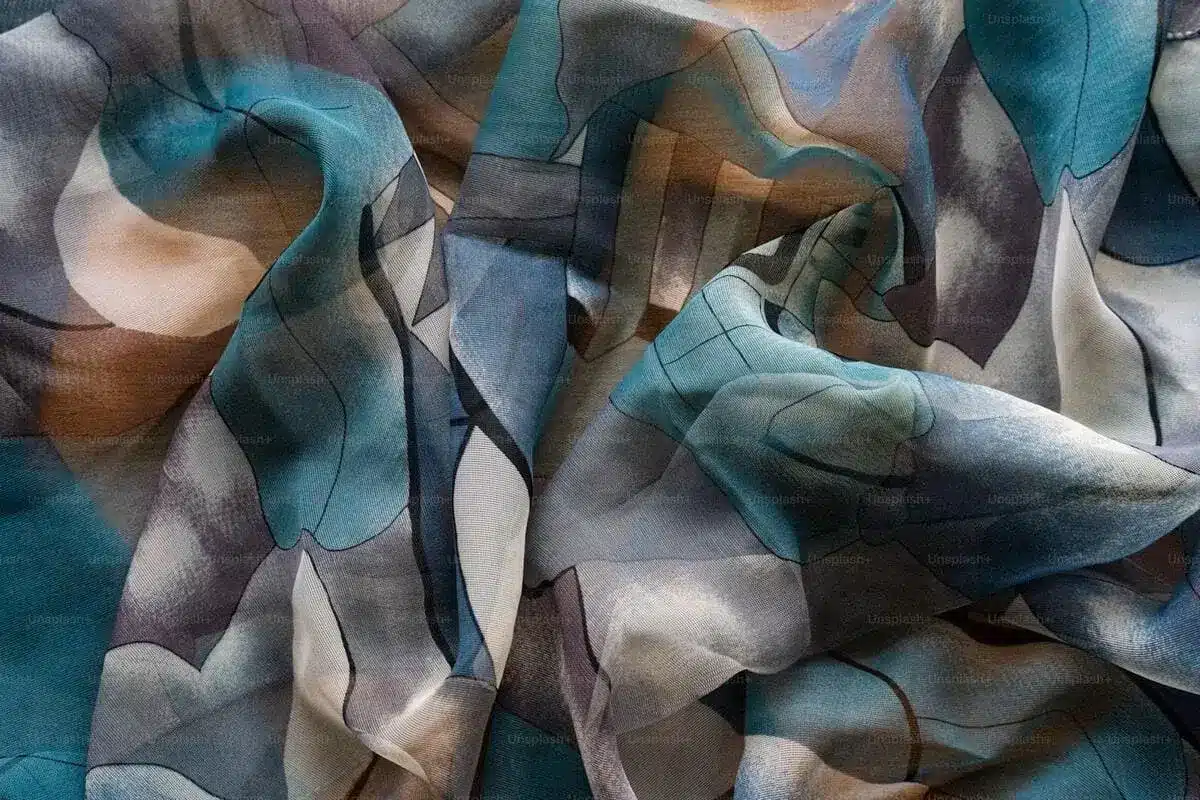
Introduction: Transform Ordinary Linen into Unique Fabric Designs
Linen fabric has been loved for centuries because of its natural texture, breathability, durability, and elegant appearance. Today, more creative makers, designers, and small businesses are exploring ways to print on linen fabric to create personalized textiles for home decoration, fashion, handmade crafts, and unique gifts.
Whether you want to design your own cushion covers, create custom table runners, make personalized clothing, or develop a small handmade product line, learning how to print designs on linen fabric can help turn your creative ideas into reality.
With simple tools and basic techniques, beginners can experiment with DIY linen fabric printing at home. At the same time, professional fabric printing services make it possible to transform your artwork into high-quality printed fabrics for larger projects.
At JCW Textile, we help designers, brands, and creative businesses create customized textile solutions, from fabric selection to professional printing. If you are interested in exploring more textile possibilities, you can also visit our fabric printing guides to discover more ideas.
What You’ll Learn in This Guide: How to Print on Linen Fabric at Home
1. Why Choose Linen Fabric for Printing?
Before learning how to print on linen fabric at home, choosing the right material is one of the most important steps. Linen is a natural fiber made from flax plants and has unique characteristics that make it an excellent choice for printing projects.
1.1 Natural Texture Creates a Premium Handmade Look
One of the biggest advantages of linen fabric is its natural texture.
Unlike synthetic fabrics with perfectly smooth surfaces, linen has a slightly irregular weave that gives printed patterns a beautiful handmade appearance.
This makes linen especially suitable for:
- Vintage-style designs
- Botanical patterns
- Minimalist artwork
- Rustic home decoration
- Handmade fashion products
For creators who want a natural and premium look, linen fabric printing offers a unique visual effect that is difficult to achieve with other materials.
1.2 Linen Fabric Is Breathable and Comfortable
Linen is widely used in clothing and home textiles because it allows air circulation and absorbs moisture naturally.
Common printed linen applications include:
Fashion Products
- Shirts
- Dresses
- Scarves
- Summer clothing
- Accessories
Home Textile Products
- Curtains
- Pillow covers
- Tablecloths
- Napkins
- Decorative fabrics
Handmade Products
- Tote bags
- Custom gifts
- Craft projects
- Personalized accessories
By adding your own patterns, colors, and artwork, plain linen can become a completely personalized textile product.
2. Choosing the Best Linen Fabric for Printing
Selecting suitable linen is essential for achieving clear patterns and beautiful colors.
Different linen fabrics produce different printing results.
2.1 Pure Linen Fabric
Pure linen provides:
- Natural appearance
- Excellent breathability
- Premium texture
- Long-lasting durability
It is ideal for:
- Luxury home textiles
- High-end fashion
- Designer projects
However, pure linen has a more textured surface, so very detailed images may require professional digital printing equipment.
2.2 Linen Blend Fabric
Linen blends combine linen with fibers such as cotton or polyester.
Advantages include:
- Easier handling
- Smoother surface
- Better color consistency
- More affordable price
For beginners learning to print your own fabric design, linen blends are often easier to work with.
2.3 Linen Canvas Fabric
Linen canvas is thicker and stronger.
It works well for:
- Bags
- Wall decoration
- Upholstery projects
- Craft products
The strong structure allows repeated printing and handling.
2.4 Lightweight Linen Fabric
Lightweight linen is suitable for:
- Clothing
- Scarves
- Decorative accessories
Because the surface is softer, it works well with delicate patterns and artistic designs.
If you are looking for different fabric options beyond linen, you can explore JCW Textile’s complete fabric range:
3. Materials and Tools Needed to Print on Linen Fabric at Home
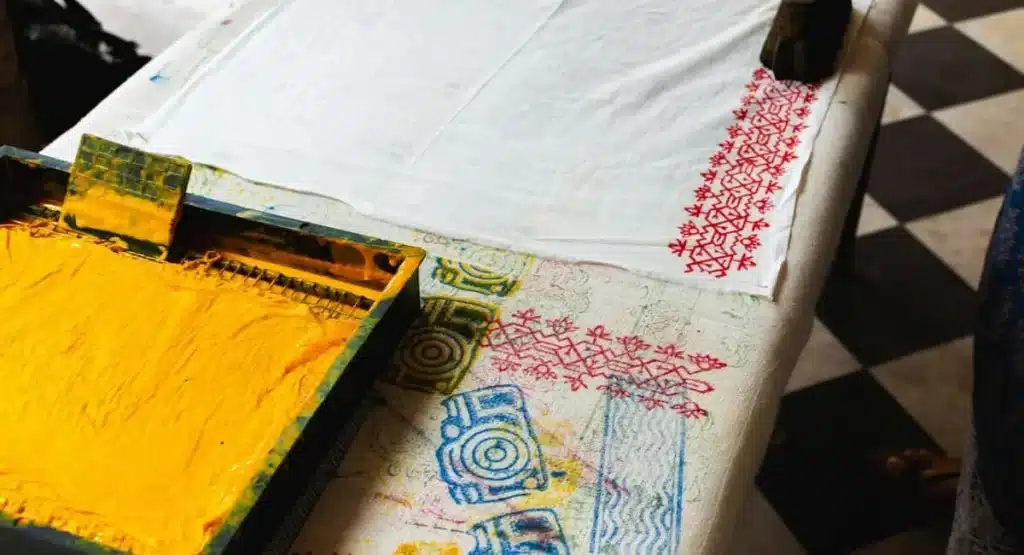
A successful DIY printing project requires the right tools. Fortunately, most home fabric printing methods do not require expensive equipment.
3.1 Fabric Paint or Textile Ink
Fabric paint is one of the easiest choices for beginners.
Benefits:
- Easy to apply
- Available in many colors
- Suitable for handmade projects
- Works well with stamps and brushes
When selecting fabric paint, choose products specifically designed for textiles because they are more flexible and washable.
Professional textile products such as fabric paints and mediums are also available from suppliers like Jacquard Products.
3.2 Printing Stamps
Stamp printing is a simple method for creating repeating patterns.
Popular designs include:
- Flowers
- Leaves
- Geometric shapes
- Abstract patterns
Advantages:
- Beginner-friendly
- Low cost
- Creates handmade effects
3.3 Stencils
Stencils allow you to create cleaner and more consistent patterns.
They are ideal for:
- Large symbols
- Repeated patterns
- Simple illustrations
For example, you can create your own stencil design and print the same pattern across fabric surfaces.
3.4 Brushes and Printing Rollers
Different tools create different effects:
| Tool | Effect |
|---|---|
| Brush | Artistic hand-painted style |
| Roller | Even coverage |
| Sponge | Soft texture effect |
| Stamp | Repeated patterns |
Experimenting with different tools helps you discover your preferred printing style.
4. Designing Your Own Fabric Pattern Before Printing
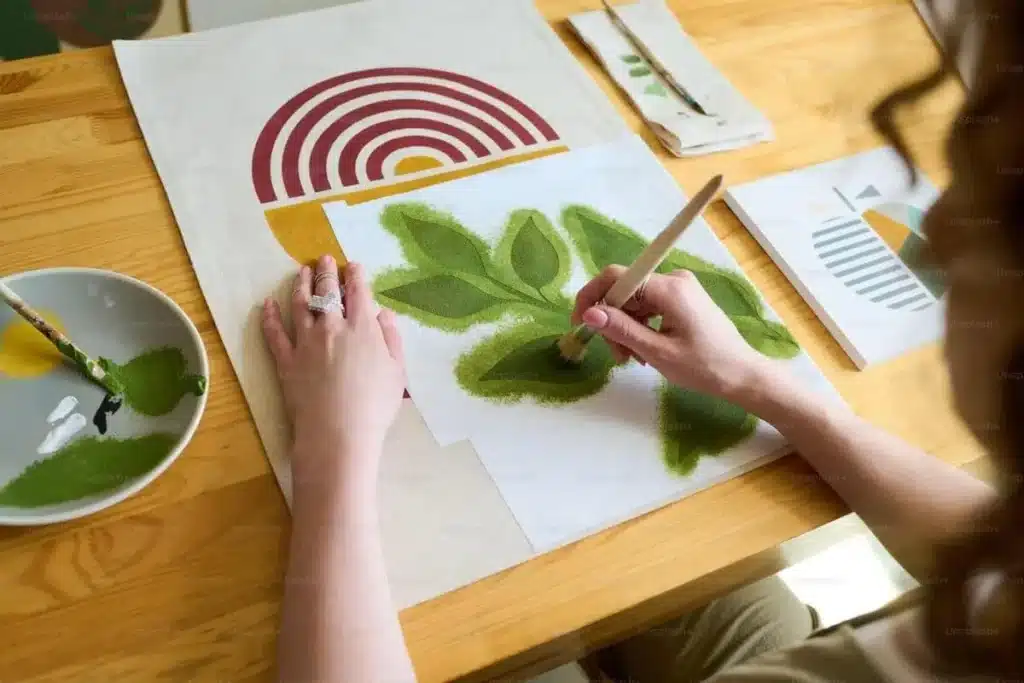
A successful fabric print starts with a good design.
Many beginners search for ways to create own fabric print, but the design process is often easier than expected.
4.1 Draw Your Own Artwork
Hand-drawn designs create a personal and artistic feeling.
Popular ideas include:
- Floral illustrations
- Handwritten quotes
- Nature-inspired drawings
- Simple line art
After creating your artwork, you can transfer it onto linen using different printing techniques.
4.2 Create Digital Fabric Designs
Digital design provides more flexibility.
Popular tools include:
- Adobe Illustrator
- Photoshop
- Canva
- Procreate
For beginners, Canva provides simple design templates, while professional designers often use vector software such as Adobe Illustrator for creating repeat patterns.
4.3 Use Repeat Patterns
Fabric designs often use repeating patterns.
Common pattern styles:
Floral Repeat
Suitable for:
- Dresses
- Curtains
- Cushion covers
Geometric Repeat
Suitable for:
- Modern interiors
- Bags
- Accessories
Abstract Repeat
Suitable for:
- Contemporary fashion
- Artistic textile projects
Creating a repeat pattern makes your fabric design look more professional.
5. Step-by-Step Process to Print on Linen Fabric
Once you have selected your linen fabric and prepared your design, the next step is turning your idea into a finished printed textile. Whether you want to create handmade home décor, personalized gifts, or small-batch products, following the correct printing process will help you achieve better results.
This section explains how beginners can print on linen fabric at home using simple techniques and how to improve the quality of their final designs.
Step 1: Prepare Your Linen Fabric Before Printing
Proper fabric preparation is essential because untreated linen may contain natural oils, dust, or finishing agents that can affect ink absorption.
Before printing:
1. Wash the Linen Fabric
Wash your linen fabric with mild detergent before printing.
Benefits:
- Removes surface treatments
- Prevents uneven color absorption
- Improves print durability
Avoid using fabric softeners because they may create a coating that prevents ink from bonding properly.
2. Iron the Fabric Surface
After washing and drying:
- Iron the linen flat
- Remove wrinkles
- Create a smooth printing surface
A flat surface helps prevent:
- Blurry patterns
- Uneven printing pressure
- Misaligned designs
3. Secure the Fabric
Place the linen on a clean working surface.
You can use:
- Painter’s tape
- Fabric clips
- Printing boards
This prevents the fabric from moving while applying your design.
Step 2: Transfer Your Design onto Linen Fabric
There are several ways to transfer your artwork depending on your skill level and desired effect.
Method 1: Hand Painting on Linen
Hand painting is the simplest way to create a unique fabric design.
Suitable for:
- Small projects
- Artistic patterns
- Handmade gifts
Process:
- Sketch your design lightly
- Apply fabric paint using brushes
- Allow each color layer to dry
- Add additional details
- Fix the color according to the paint instructions
This method works especially well for:
- Floral artwork
- Abstract designs
- Personalized illustrations
The final result usually has a handmade character that makes each piece unique.
Method 2: Block Printing on Linen Fabric
Block printing is one of the oldest textile decoration methods.
It uses carved blocks to transfer patterns onto fabric.
Required materials:
- Wooden or rubber stamps
- Fabric ink
- Printing surface
Steps:
1. Prepare the Stamp
Apply a thin layer of fabric ink evenly.
Too much ink may cause:
- Blurred edges
- Uneven patterns
2. Press the Stamp onto Linen
Apply steady pressure.
Avoid moving the stamp sideways because it can distort the pattern.
3. Repeat the Pattern
Create your own fabric print by repeating:
- Floral motifs
- Geometric shapes
- Decorative symbols
Block printing is excellent for creators who want a traditional handmade appearance.
Method 3: Stencil Printing
Stencil printing is a beginner-friendly method for creating clean designs.
It is especially useful when you want to:
- Print logos
- Create simple graphics
- Repeat the same pattern
Steps:
1. Create Your Stencil
You can design your stencil manually or create one digitally.
Popular stencil materials:
- Plastic sheets
- Mylar
- Cardboard
2. Position the Stencil
Place the stencil securely on your linen fabric.
Make sure:
- Edges are flat
- Fabric does not move
3. Apply Fabric Ink
Use:
- Sponge
- Roller
- Brush
Apply thin layers to avoid bleeding.
Method 4: Heat Transfer Printing
Heat transfer printing is suitable for detailed images and colorful artwork.
Advantages:
- High image detail
- Suitable for photos
- Multiple colors possible
However, the final quality depends on:
- Transfer paper quality
- Heat temperature
- Fabric composition
For professional results, many designers choose digital fabric printing instead of home transfer methods.
Method 5: Digital Printing on Linen Fabric
Digital printing has become one of the most popular methods for modern textile production.
Unlike traditional printing, digital printing allows designers to create:
- Unlimited colors
- Detailed artwork
- Complex patterns
- Custom designs without large minimum orders
This makes it ideal for:
- Fashion designers
- Small businesses
- Independent artists
If you want to move from DIY experiments to professional production, JCW Textile provides customized fabric printing solutions.
Learn more: Design your own fabric
7. Common Mistakes When Printing on Linen Fabric
Avoiding common problems can significantly improve your results.
Mistake 1: Printing Without Washing the Fabric
Problem:
Ink may not absorb evenly.
Solution:
Always pre-wash linen before printing.
Mistake 2: Using Low-Quality Artwork
Problem:
Images may appear blurry.
Solution:
Use:
- High-resolution images
- Vector graphics
- Clear patterns
Professional textile printing usually requires artwork at around 300 DPI for sharp results.
Mistake 3: Applying Too Much Ink
Problem:
- Colors spread
- Details disappear
Solution:
Apply multiple thin layers instead of one thick layer.
Mistake 4: Ignoring Fabric Testing
Before printing a large piece:
Always test:
- Color accuracy
- Drying effect
- Washing performance
A small sample test can prevent expensive mistakes.
8. DIY Printing Projects You Can Try at Home
Learning to print on linen fabric becomes more enjoyable when you choose practical projects.
Project 1: Custom Linen Pillow Covers
Create:
- Floral designs
- Family names
- Personalized artwork
Perfect for:
- Home decoration
- Handmade gifts
Project 2: Printed Linen Table Runner
A customized table runner can add personality to:
- Dining rooms
- Events
- Weddings
Design ideas:
- Botanical patterns
- Seasonal themes
- Minimal artwork
Project 3: Personalized Linen Bags
Linen bags are popular because they are:
- Reusable
- Eco-friendly
- Practical
Small businesses can use custom printed linen bags as:
- Brand merchandise
- Packaging
- Promotional products
Project 4: Handmade Fashion Items
Printed linen can be used for:
- Dresses
- Shirts
- Scarves
- Accessories
Unique patterns allow designers to create products that stand out.
9. Creative Ideas for Your Own Linen Fabric Prints
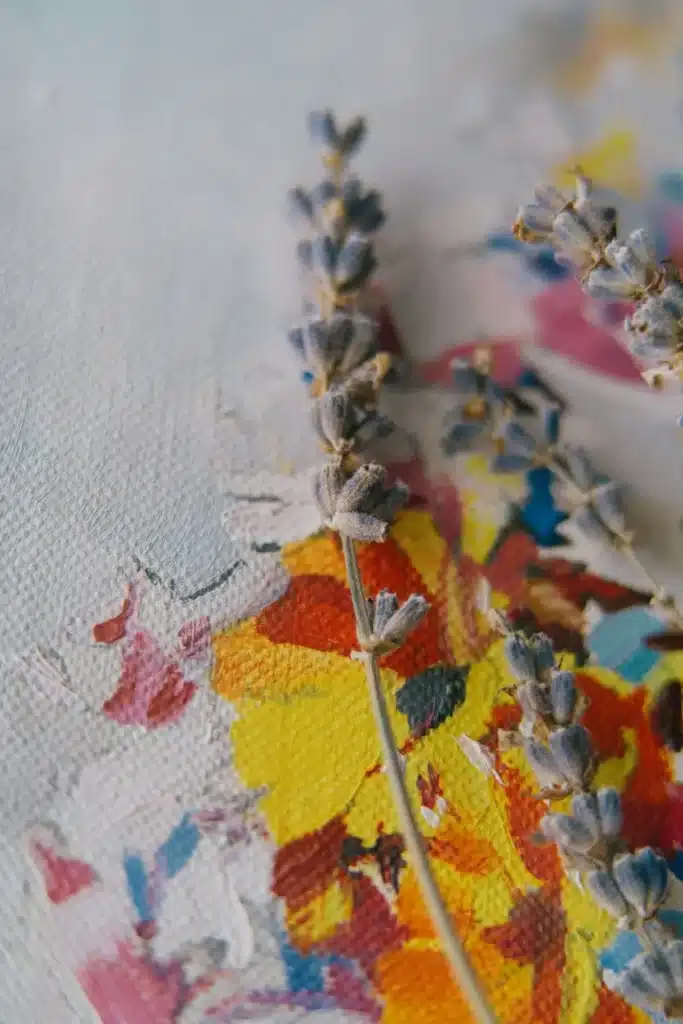
After learning the basic steps of how to print on linen fabric at home, the next challenge is creating designs that look professional and improving the durability of your printed textiles.
Whether you are a hobby creator, an independent designer, or a small business owner, creative patterns and proper finishing techniques can help transform simple linen into attractive customized products.
Creating a unique fabric design starts with inspiration. The best printed textiles usually combine a clear concept, suitable colors, and a pattern style that matches the final product.
Below are some popular ideas for people who want to create own fabric print projects.
9.1 Botanical and Floral Linen Designs
Floral patterns remain one of the most popular choices for linen printing.
Why they work well:
- Match linen’s natural texture
- Create a handmade appearance
- Suitable for many applications
Design inspiration:
- Wildflowers
- Leaves
- Branch patterns
- Tropical plants
- Botanical illustrations
Best applications:
- Pillow covers
- Curtains
- Tablecloths
- Summer clothing
Floral linen designs are especially popular in farmhouse, vintage, and eco-friendly interior styles.
9.2 Minimalist Modern Linen Patterns
Modern consumers often prefer simple and elegant designs.
Popular minimalist ideas:
- Simple geometric shapes
- Line drawings
- Abstract forms
- Neutral color combinations
These designs are suitable for:
- Contemporary home décor
- Premium fashion products
- Boutique collections
Minimalist patterns also work well for businesses looking for timeless product designs.
9.3 Personalized Linen Fabric Designs
Personalization is becoming increasingly popular in handmade and gift markets.
You can create:
- Name-printed linen products
- Custom wedding decorations
- Personalized home textiles
- Special event fabrics
Examples:
- Initial patterns
- Family names
- Custom illustrations
- Important dates
This type of project allows customers to create products that feel meaningful and unique.
9.4 Seasonal and Holiday Linen Prints
Seasonal designs are excellent for limited collections.
Examples:
Spring
- Flowers
- Pastel colors
- Nature patterns
Summer
- Ocean themes
- Tropical plants
- Bright colors
Autumn
- Leaves
- Warm tones
- Rustic patterns
Winter
- Snow patterns
- Holiday illustrations
Small businesses can use seasonal linen printing to launch limited-edition products.
10. Tips to Improve Linen Fabric Printing Quality
A beautiful design requires not only creativity but also proper printing techniques.
10.1 Use High-Quality Artwork
The quality of your artwork directly affects the final printed result.
For professional-looking fabric designs:
Recommended:
- High-resolution images
- Vector artwork
- Clear lines
- Proper color preparation
If you plan to work with a professional textile printing company, prepare artwork files carefully.
Common file formats include:
- AI
- PSD
- TIFF
- High-resolution PNG
10.2 Understand Color Differences Between Screen and Fabric
One common issue beginners experience is that printed colors may look different from digital screens.
Reasons include:
- Screen brightness
- Fabric texture
- Ink absorption
- Printing method
To improve accuracy:
- Test print samples
- Adjust colors before final production
- Choose suitable printing technology
Professional textile suppliers usually provide sample approval before bulk production.
10.3 Choose the Right Printing Method
Different designs require different printing methods.
| Printing Method | Best For | Advantages |
|---|---|---|
| Hand Painting | Small handmade projects | Unique artistic effect |
| Block Printing | Traditional patterns | Handmade appearance |
| Screen Printing | Medium production | Strong colors |
| Digital Printing | Complex designs | Unlimited patterns and colors |
For businesses requiring detailed artwork and flexible quantities, digital fabric printing is often the most efficient solution.
10.4 Allow Proper Drying and Color Fixing
After printing:
Do not immediately wash the fabric.
Follow the ink manufacturer’s instructions for:
- Drying time
- Heat setting
- Washing recommendations
Proper fixing improves:
- Color durability
- Wash resistance
- Overall appearance
11. How to Make Printed Linen Fabric Last Longer
A high-quality printed fabric should maintain its appearance after repeated use.
Proper care is important for protecting your design.
11.1 Washing Recommendations
To protect printed linen:
Recommended:
✔ Wash with cold water
✔ Use mild detergent
✔ Select gentle washing cycles
✔ Wash printed fabrics inside out
Avoid:
✘ Strong bleach
✘ Extremely hot water
✘ Harsh chemicals
11.2 Drying Instructions
The best drying method is:
- Air drying
- Avoiding direct strong sunlight
High heat may gradually affect printed colors.
11.3 Ironing Printed Linen
When ironing:
- Turn fabric inside out
- Use moderate temperature
- Avoid pressing directly on printed areas for long periods
This helps maintain pattern clarity.
12. DIY Linen Printing vs Professional Custom Fabric Printing
DIY printing is a great way to explore creativity, but professional printing offers more possibilities for designers and businesses.
Understanding the differences can help you choose the right solution.
| Feature | DIY Linen Printing | Professional Fabric Printing |
|---|---|---|
| Design Freedom | Good for simple artwork | Suitable for complex designs |
| Quantity | Small projects | Small orders to bulk production |
| Color Accuracy | Depends on technique | Professional color control |
| Pattern Repeat | Limited | Fully customizable |
| Production Speed | Slow for many items | Efficient for business needs |
| Commercial Use | Limited | Suitable for brands |
When DIY Printing Is the Best Choice
DIY methods are ideal for:
- Personal projects
- Handmade gifts
- Creative experiments
- Small home decorations
For example:
A person creating a custom pillow cover or handmade linen bag can enjoy the creative process of printing at home.
When Professional Linen Fabric Printing Is Better
Professional printing is recommended for:
- Fashion brands
- Interior designers
- Online sellers
- Small businesses
- Product developers
Advantages include:
Consistent Quality
Every meter of fabric has the same:
- Color
- Pattern
- Print quality
Custom Design Support
You can provide your artwork and create:
- Exclusive patterns
- Brand-specific fabrics
- Customized collections
Flexible Production
Professional printing allows businesses to develop products without investing in expensive equipment.
13. How JCW Textile Helps You Create Custom Printed Fabrics
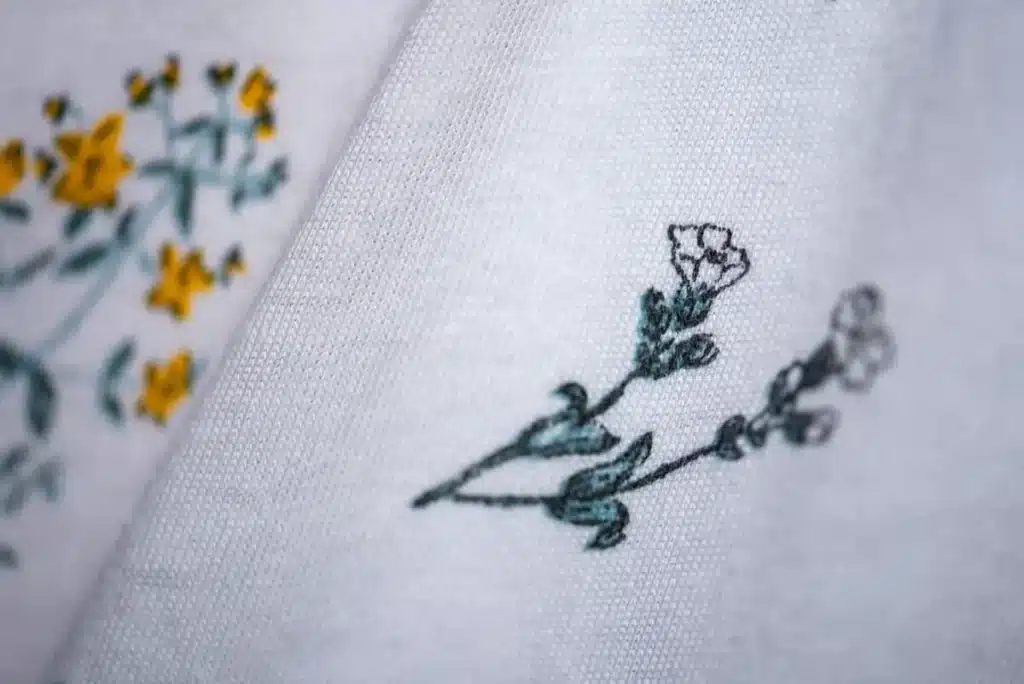
While DIY printing is a great way to explore creativity, turning a design into commercial-quality fabric requires professional experience.
JCW Textile provides customized textile solutions for designers, brands, and businesses.
Our services include:
- Custom fabric printing
- Personalized textile design
- Various fabric selections
- Small batch and bulk production support
Whether you already have artwork or need help developing your concept, professional printing can help transform your ideas into finished fabrics.
Learn more:
You can also learn more about our company and textile expertise:
14. How Small Businesses Can Use Custom Linen Fabric Printing
Custom printed linen is not only for personal projects. Many businesses use unique fabric designs to create products that stand out.
Applications include:
Fashion Brands
Create:
- Limited collections
- Signature patterns
- Exclusive designs
Home Décor Companies
Products include:
- Curtains
- Cushion fabrics
- Table textiles
Handmade Businesses
Examples:
- Etsy shops
- Boutique stores
- Craft brands
Custom fabric printing helps businesses create products that cannot be easily copied by competitors.
Conclusion: Start Creating Your Own Linen Fabric Designs
Learning how to print on linen fabric at home is an exciting way to explore creativity and transform ordinary textiles into personalized designs.
With the right linen fabric, suitable tools, and thoughtful artwork, beginners can create unique printed products for:
- Home decoration
- Handmade gifts
- Fashion projects
- Creative businesses
DIY printing is perfect for small personal projects, while professional custom fabric printing provides better solutions for designers and companies that need consistent quality and larger production.
Whether you want to experiment with a new hobby or develop your own textile collection, creating your own fabric designs is the first step toward turning imagination into reality.