Introduction: What is Printable Fabric?
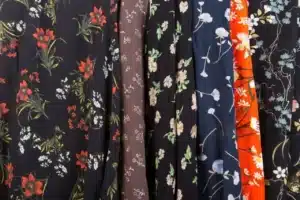
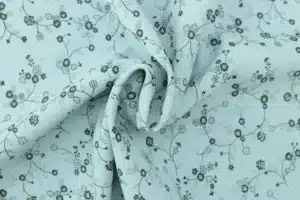
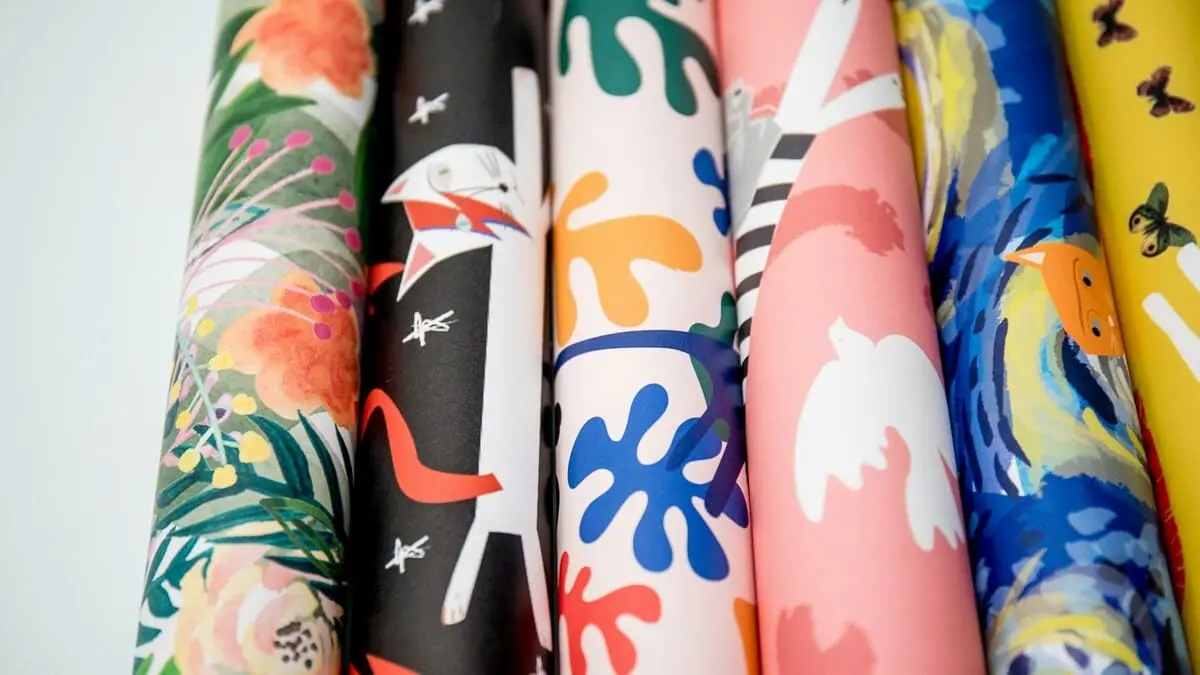
Printable fabric is specially designed textile material that allows high-quality designs, patterns, and images to be printed directly onto its surface. With the rise of customization in fashion, home décor, and DIY crafts, printable fabrics have become an essential solution for designers, small businesses, and creative individuals.
From custom clothing to personalized gifts, the demand for printable fabric continues to grow rapidly. If you want to explore more fabric trends and insights, visit our blog for expert guides and inspiration.
Types of Fabrics Suitable for Printing
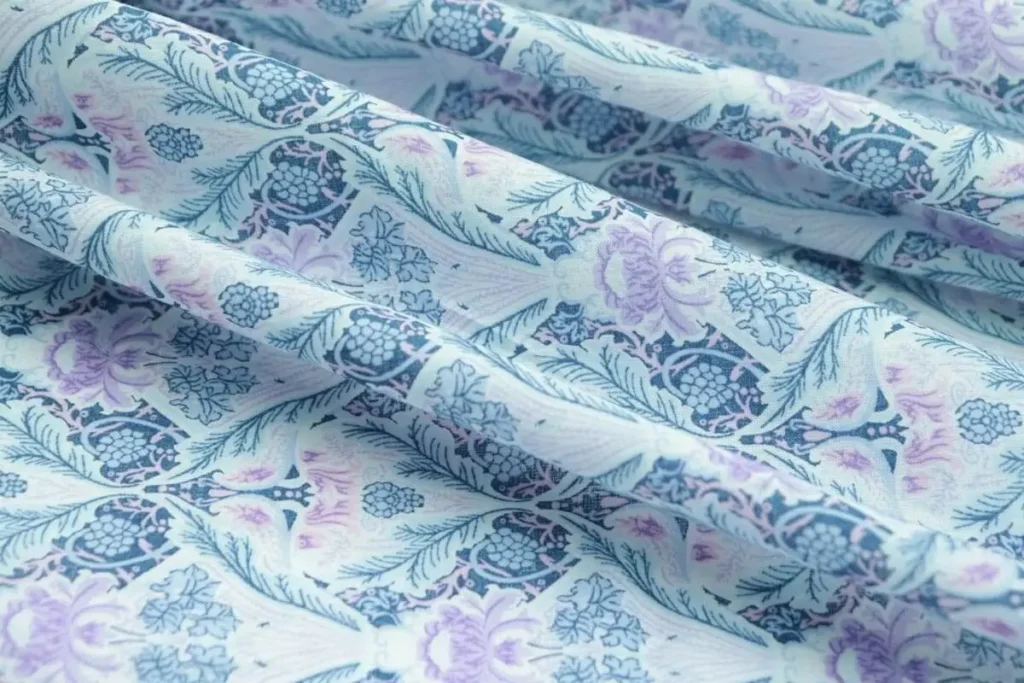
Choosing the right printable fabric starts with understanding the different materials available. Each fabric type offers unique characteristics and printing results.
Cotton Fabric for Printing
Printable cotton fabric is one of the most popular choices due to its softness, breathability, and excellent ink absorption. It delivers vibrant colors and sharp details, making it ideal for:
- T-shirts and dresses
- Baby clothing
- Quilting projects
Printable Linen Fabric
Printable linen fabric is known for its natural texture and premium feel. While slightly less smooth than cotton, it offers a sophisticated, organic look perfect for:
- Curtains
- Tablecloths
- Upholstery
Printable Canvas Fabric
Printable canvas fabric is thicker and more durable, making it ideal for heavy-duty applications. Its textured surface adds artistic depth to printed designs.
Best uses include:
- Tote bags
- Wall art
- Upholstery projects
Other Printable Fabrics for DIY
There are also several other printable fabrics for DIY projects:
- Polyester (ideal for sublimation printing)
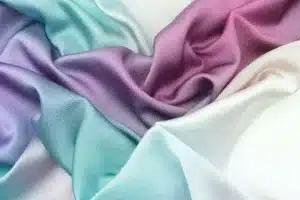
- Silk (luxury printing applications)
- Blended fabrics (balance of durability and comfort)
To explore a wide range of materials, check out our fabric collection.
For a deeper understanding of sustainable and innovative textiles, organizations like Textile Exchange provide valuable industry insights.
How to Choose the Right Printable Fabric
Selecting the right printable fabric depends on your printing method, project type, and desired finish.
Based on Printing Method
- Inkjet printing works best with cotton and linen
- Sublimation printing requires polyester fabrics
Based on End Use
- Clothing → soft and breathable fabrics
- Home décor → heavier fabrics like canvas or linen
- Accessories → durable and flexible materials
Fabric Weight and Texture
Smooth fabrics produce sharper prints, while textured fabrics create a more artistic effect.
For more professional textile guidance, platforms like Fibre2Fashion offer extensive resources on fabric performance and trends.
Fabric Printing Methods: तुलना and Comparison
Understanding different printing techniques is essential when learning how to print on fabric.
Digital Printing (Direct-to-Fabric)
- High precision and unlimited color options
- Ideal for complex and detailed designs
- Suitable for small-batch customization
Heat Transfer Printing
- Perfect for DIY and small-scale projects
- Works best on polyester fabrics
- Requires heat pressing
Screen Printing
- Cost-effective for bulk production
- Limited color range
- Highly durable prints
If you’re ready to start creating your own designs, visit design your fabric to begin customizing today.
Step-by-Step: How to Print on Fabric
If you’re wondering how to print on fabric, follow these simple steps:
- Choose the right printable fabric
- Prepare a high-resolution design file (300 DPI recommended)
- Select a suitable printing method
- Test print on a small sample
- Fix the print using heat setting or curing
This process ensures long-lasting, vibrant results for any project.
Creative DIY Projects Using Printable Fabrics
Printable fabrics unlock endless creative possibilities.
Custom Clothing
Design unique T-shirts, dresses, or activewear with your own patterns.
Home Décor
Create personalized pillowcases, curtains, and upholstery fabrics.
Personalized Gifts
Make custom tote bags, photo fabrics, or handmade accessories.
Learn more about our mission and expertise on about us.
Where to Buy Printable Fabric
Finding high-quality printable fabric is key to achieving professional results.
You can source fabrics from:
- Online marketplaces
- Specialized custom printing services
- Wholesale fabric suppliers
For industrial sourcing insights and supplier connections, platforms like ThomasNet are widely used.
👉 Explore premium fabric options on our fabric
👉 Start your custom project at design your fabric
Tips for Getting the Best Printing Results
To maximize the quality of your printable fabric, follow these expert tips:
- Use high-resolution images (300 DPI)
- Pre-wash fabrics to prevent shrinkage
- Choose the correct color mode (RGB or CMYK)
- Always test before full production
These small steps can significantly improve your final results.
Conclusion
Printable fabric is revolutionizing the way we design and create textiles. Whether you’re working on fashion, home décor, or DIY crafts, choosing the right fabric and printing method is essential for success.
As customization continues to grow, investing in high-quality printable fabrics will give you a competitive edge.
📚 Frequently Asked Questions (FAQs)
1. What is printable fabric?
Printable fabric is a type of textile specially treated or manufactured to allow designs, patterns, and images to be printed directly onto its surface using various printing methods.
2. What fabrics are best for printing?
The best fabrics for printing include printable cotton fabric, printable linen fabric, and printable canvas fabric. Cotton is ideal for vibrant colors, linen offers a natural textured look, and canvas provides durability for heavy-duty projects.
3. How to print on fabric at home?
To print on fabric at home, choose a suitable printable fabric, prepare a high-resolution design, use an inkjet printer or heat transfer method, and set the print with heat to ensure durability.
4. What is the best printing method for fabric?
The best method depends on your needs:
- Digital printing for detailed designs
- Heat transfer for DIY projects
- Screen printing for bulk production
5. Can I use any fabric for printing?
Not all fabrics are suitable for printing. Smooth and tightly woven fabrics like cotton and polyester produce the best results, while rough or loosely woven fabrics may affect print quality.
6. What are printable fabrics used for?
Printable fabrics are widely used for:
- Custom clothing
- Home décor (curtains, pillows)
- DIY crafts and personalized gifts
7. Where can I buy printable fabric?
You can buy printable fabric from online suppliers, custom printing services, or wholesale fabric providers. For premium options, visit our fabric page or start designing at design your fabric.