1. Introduction|Why Fabric Patterns Matter in Modern Design
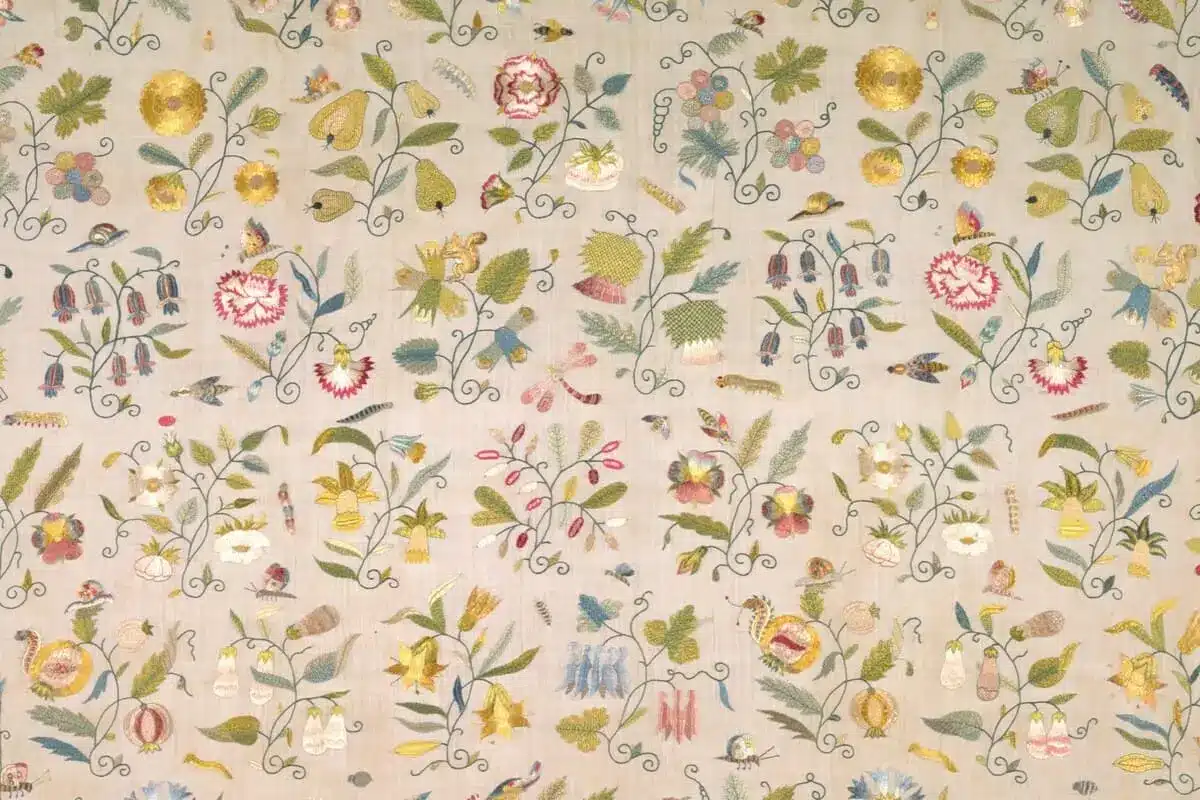
Fabric patterns are the foundation of modern textile and fashion design. From luxury runway collections to independent DIY brands, floral fabric patterns, abstract compositions, and geometric structures define how products are perceived and sold.
Today’s designers no longer rely only on traditional prints. Instead, they combine trend forecasting data, digital art tools, and custom fabric printing to turn ideas into physical textiles with full creative control.
Fashion authorities such as Vogue regularly highlight how runway culture continues to redefine floral and abstract aesthetics, turning classic motifs into modern visual languages that influence global design direction.
Fabric Pattern Trends & Design Insights
2. Trend Analysis|2026 Fabric Pattern Trends for Designers
2.1 Floral Fabric Patterns
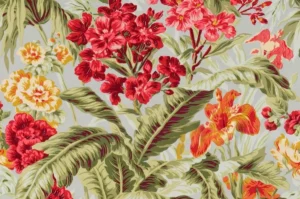
Floral design remains one of the most enduring and commercially successful directions in textile design.
According to trend discussions across Vogue runway insights, floral patterns are evolving from traditional romantic styles into more abstract floral expressions, combining illustration, texture, and digital distortion effects.
Key directions include:
- Watercolor floral fabric patterns with soft blending tones
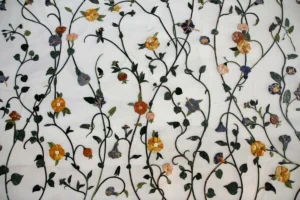
- Minimal botanical line-art designs
- Vintage-inspired flower cloth pattern with modern color palettes
Floral prints are widely used in:
- Womenswear and dresses
- Baby and kidswear
- Home textiles and bedding
2.2 Abstract Fabric Trends
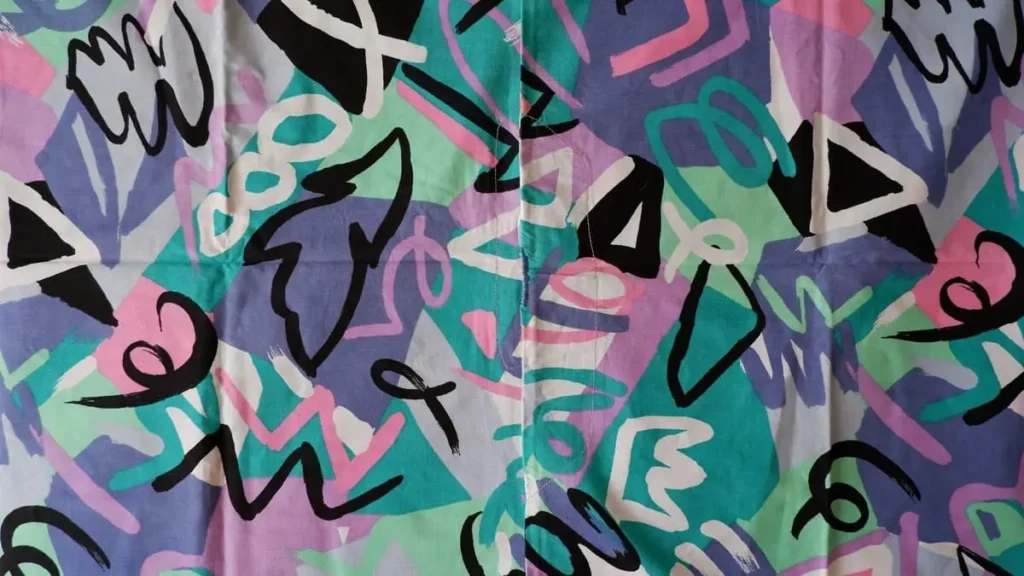
Abstract fabric design is strongly influenced by global forecasting platforms such as WGSN, which provides data-driven insights into future fashion and textile demand.
WGSN highlights that modern fabric design increasingly focuses on:
- Emotional color storytelling
- Brush stroke and ink-based textures
- Digital gradient transitions
- Experimental artistic compositions
Abstract fabric is especially popular in:
- Contemporary fashion collections
- Scarf print design for luxury accessories
- Creative streetwear branding
This trend allows designers to move beyond realism and create expressive textile identities.
Industry reference: https://www.wgsn.com
2.3 Geometric Fabric Patterns
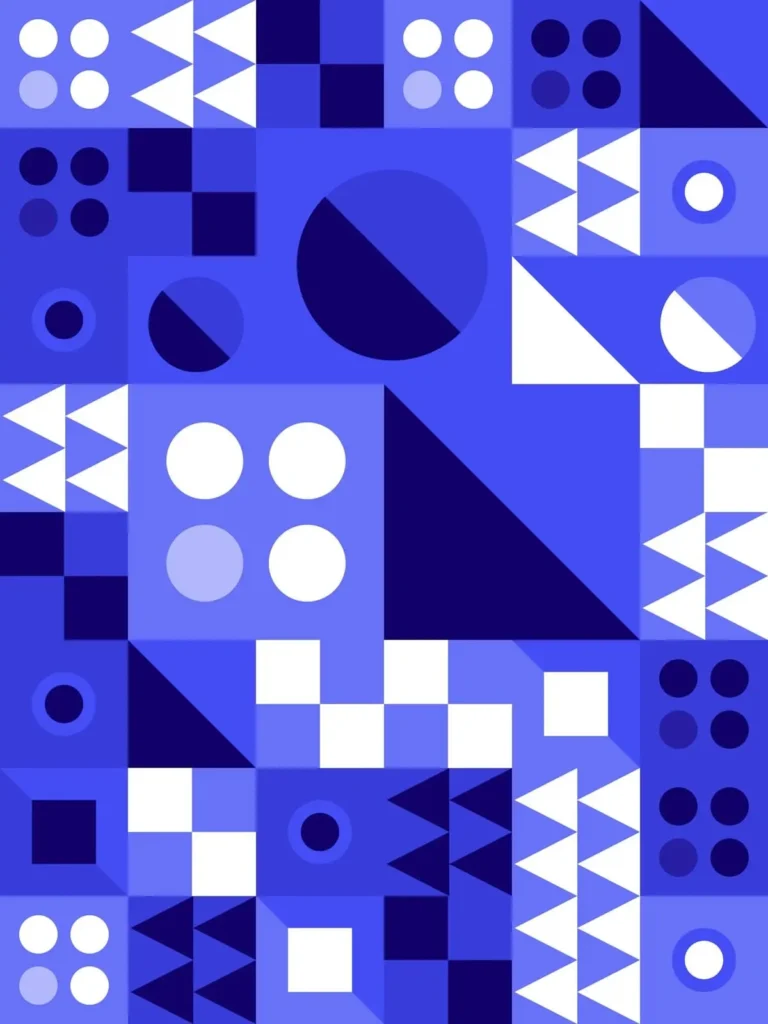
Geometric textile design continues to grow due to its versatility and strong visual structure.
As noted in textile innovation discussions, geometric patterns are often combined with natural or abstract motifs to create hybrid visual systems that feel both modern and timeless.
Common geometric styles include:
- Bauhaus-inspired minimal grids
- Repeating modular systems
- Optical illusion and layered geometry
- Asymmetric structured compositions
These designs are widely used in fashion, interior textiles, and product packaging.
3. Color Direction|How Pantone Shapes Fabric Design Trends
Color plays a critical role in how floral fabric patterns and abstract textiles are perceived.
The Pantone Color Institute is widely recognized as the global authority on color forecasting. Its seasonal reports influence fashion, textile, and product design worldwide.
For example, Pantone seasonal palettes often combine:
- Natural earth tones
- Soft neutrals and creamy whites
- Bold accent colors for contrast
These palettes directly affect how designers build floral, abstract, and geometric fabric collections, ensuring visual consistency across global markets.
👉 Color authority reference: https://www.pantone.com
4. Pattern Combination Guide|How Designers Mix Styles
Modern textile design often blends multiple visual languages to create unique results.
4.1 Floral + Abstract Fusion
- Watercolor floral layered with brush textures
- Organic forms blended with digital distortion
- Creates artistic and emotional storytelling effects
4.2 Geometric + Floral Balance
- Structured geometric base with soft floral overlays
- Contrast between order and natural flow
4.3 Scarf Print Composition Strategy
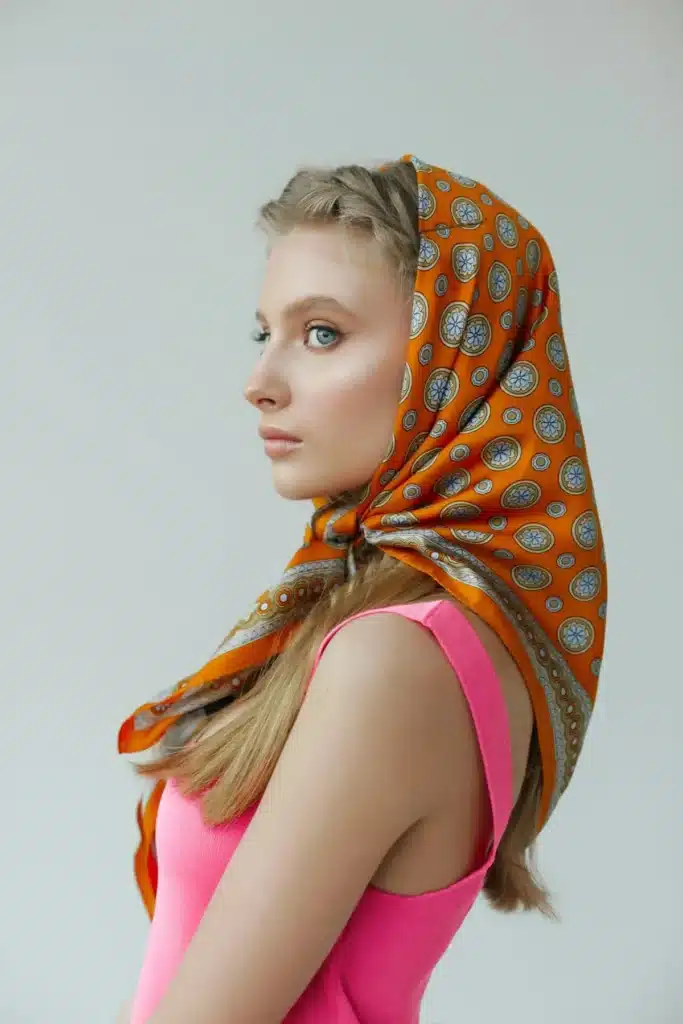
Scarf print design requires precise layout planning:
- Central focal composition for luxury branding
- Edge-to-edge seamless repeat design
- Balanced symmetry for wearable accessories
Scarf prints are widely used in fashion accessories and premium textile branding.
5. Real Applications|Custom Fabric Printing in Modern Industry
At JCWTextile, designers transform digital artwork into real fabric products using advanced digital printing technology.
Industry insights from Textile World highlight the increasing demand for:
- Sustainable textile production
- Digital printing innovation
- Eco-friendly fabric materials
These trends align strongly with modern custom fabric production systems.
5.1 Fashion Applications
- Dresses and seasonal collections
- Luxury scarf and accessory printing
- Independent designer brands
5.2 Home Textile Applications
- Cushion covers
- Curtains and bedding
- Decorative textile panels
5.3 DIY & Small Brand Use Cases
- Etsy creators
- Independent fashion designers
- Startup textile brands
Start your project:
https://jcwtextile.com/design-your-fabric/
6. Fabric Selection Guide|Choosing the Right Material
Different fabrics significantly affect how patterns appear after printing.
- Cotton → Best for floral fabric patterns with natural softness
- Satin / Silk-like fabrics → Ideal for luxury scarf print effects
- Polyester → Strong for abstract fabric and sharp digital prints
- Rayon / Bamboo blends → Excellent drape for fashion garments
Choosing the right base fabric ensures both visual quality and durability.
Explore materials:
https://jcwtextile.com/our-fabric/
7. Why Choose JCWTextile for Custom Fabric Printing
JCWTextile provides global designers with flexible and scalable textile production services.
Key advantages:
- No minimum order quantity (MOQ)
- High-resolution digital fabric printing
- Eco-friendly ink systems
- Fast sampling and global shipping
Whether you are developing a new collection or testing a design concept, JCWTextile supports the full production workflow.
📚 Frequently Asked Questions (FAQs)
Q1: What are floral fabric patterns used for?
Floral fabric patterns are widely used in fashion, baby clothing, and home textiles because they offer a timeless, natural, and visually appealing aesthetic.
Q2: What is abstract fabric in textile design?
Abstract fabric refers to non-representational designs such as brush strokes, ink splashes, gradients, and artistic textures used in modern digital fabric printing.
Q3: How is scarf print design different from regular fabric patterns?
Scarf print design focuses on layout composition, often using central focal points or symmetrical borders, while regular fabric patterns are usually seamless repeats.
Q4: Which fabric is best for flower cloth pattern printing?
Cotton and rayon fabrics are ideal for flower cloth pattern printing due to their softness, color absorption, and ability to display detailed designs.
Q5: Can I create custom fabric printing for small batches?
Yes, JCWTextile supports low MOQ and small-batch custom fabric printing, making it suitable for independent designers and small brands.
Q6: How do color trends affect fabric design?
Color trends, often defined by Pantone seasonal palettes, influence how floral, abstract, and geometric patterns are developed in fashion and textile industries.