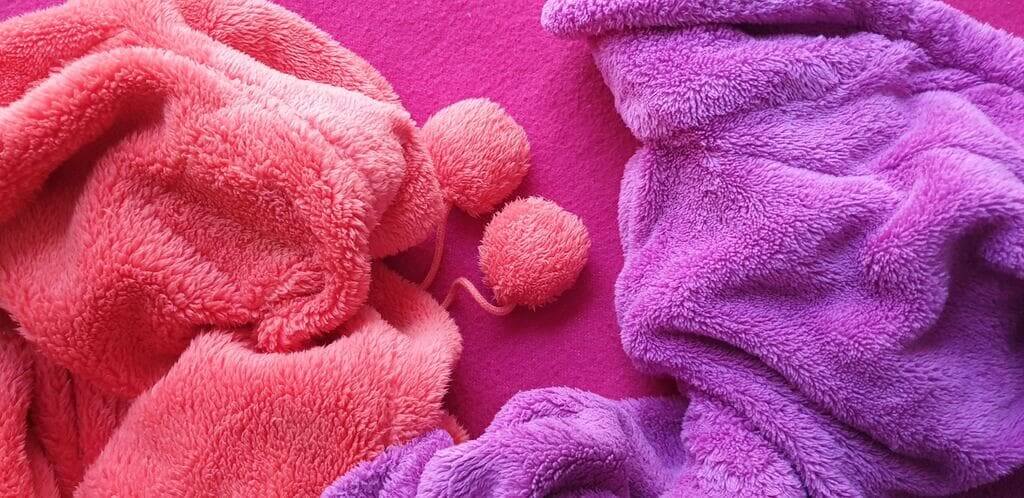
Fleece fabric is one of the most versatile, comfortable, and widely used textiles in today’s apparel and home textile industries. From cozy hoodies to baby blankets, plush toys to winter loungewear, fleece offers warmth, softness, and durability that few fabrics can match. In this guide, we take a deep look at the different types of fleece fabric, how each one is used, how fleece is made, and how to choose the best fleece for custom printing or sewing projects.
If you’re looking for printable fleece materials, you can browse our fabric.
What Makes Fleece Fabric So Popular?
Fleece is typically made from polyester and engineered to mimic the insulating warmth of wool while remaining lightweight and breathable. Britannica describes fleece as a “synthetic insulating fabric designed for comfort and moisture management,” making it ideal for apparel and home textiles.
What makes fleece truly stand out is its brushed or napped finish. The brushing process lifts the fibers, creating the fluffy layer that traps heat effectively. This gives fleece an exceptionally soft hand-feel, great stretch, and high warmth-to-weight ratio—qualities that explain why fleece has become a staple material for winter wear, baby products, activewear, and custom printed blankets.
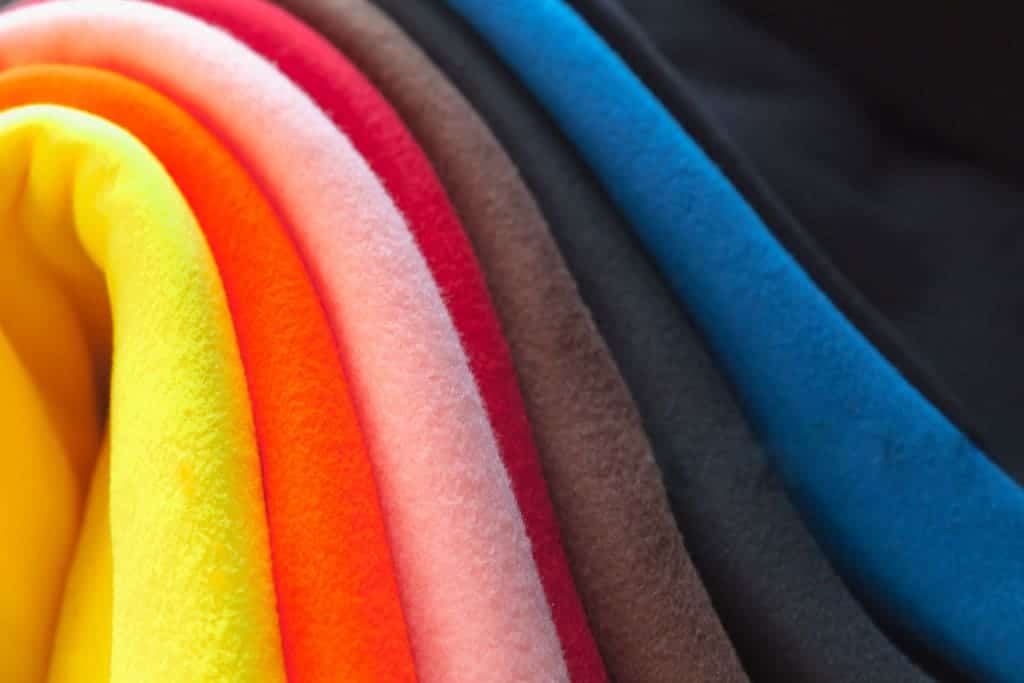
Different Types of Fleece Fabric and Their Uses
Fleece comes in several varieties, each with its own feel, thickness, and application. Choosing the right one can dramatically affect the quality and performance of your final product.
Minky Fleece – Soft, Plush, and Perfect for Baby Products
Minky fleece is known for its velvet-like softness and luxurious texture. It is one of the most popular options for customers looking to purchase minky fleece fabric by the yard for sewing blankets, baby products, or plush toys. Its surface is smooth and silky, offering a premium feel that stands out from traditional polar fleece.
Because of its smooth pile and stretch, minky fleece performs beautifully in custom printed fleece fabric, delivering rich color with excellent detail. This makes it a top choice for baby blankets, personalized gifts, and plush accessories.
Brushed Fleece Fabric – Smooth Outside, Soft Inside
Brushed fleece fabric features a knit exterior and a brushed interior, creating a cozy lining ideal for hoodies, sweatshirts, and joggers. The inside has a warm, fluffy texture, while the outside remains smooth enough for printing or embroidery.
Brushed Back Fleece for Apparel
A specific category within brushed fleece is brushed back fleece, which has a sleek, polished surface on the outside and a brushed underside. This structure makes it especially practical for performance clothing, sportswear, and premium loungewear. The fabric is durable, easy to style, and holds color well—an essential factor when designing clothing with printed graphics or custom branding.
Polar Fleece – Lightweight Warmth for Outdoor Apparel
Polar fleece is a medium-weight fleece that balances warmth and breathability, making it popular for jackets, vests, sweaters, and outdoor gear. It dries quickly and resists moisture, which explains its long-time use in hiking and camping apparel. Textile World notes that polar fleece is also known for its resilience and ability to retain heat even in damp conditions.
Sherpa Fleece – Wool-Like Softness and Comfort
Sherpa fleece is the go-to option when you want a material that mimics natural wool. Its fluffy, deep piles offer excellent insulation, making it ideal for jacket linings, thick blankets, and winter hoodies. Sherpa fleece pairs beautifully with brushed fleece or cotton fabrics when used as a lining.
Microfleece – Lightweight and Breathable
Microfleece is the lightest variation of fleece, typically used for children’s sleepwear, layering pieces, and athletic clothing. Despite its low weight, it still provides great warmth and moisture management, making it a suitable choice for base layers in cold climates.
How Fleece Fabric Is Made
The transformation from polyester yarn to the soft fleece fabric we know involves several technical steps:
Knitting
Polyester fibers are knitted into a flexible fabric base.Brushing or Napping
Machines gently raise the fibers on the surface to create the soft, fuzzy texture.Shearing
The brushed surface is trimmed to create a uniform pile height.Anti-Pill Treatment
High-quality fleece may undergo finishing steps to minimize pilling, improving its longevity.
For a breakdown of how our printing and finishing process works, visit: how-it-works
ISO standards are often referenced in textile production to maintain consistency, especially in thickness, color accuracy, and quality finishing (via ISO.org).
Fleece Fabric Weight Guide: Understanding GSM
Fleece fabrics are measured in GSM (grams per square meter). The higher the GSM, the warmer and thicker the fleece.
| GSM Range | Feel & Warmth | Best Uses |
|---|---|---|
| 150–200gsm | Lightweight | Microfleece tops, baby apparel, base layers |
| 200–260gsm | Medium weight | Hoodies, sweatshirts, printed blankets |
| 260–350gsm | Heavyweight | Winter outerwear, premium blankets, sherpa lining |
Choosing the right GSM depends on your project—lighter weights for activewear, medium weights for custom printed fleece blankets, and heavier weights for cold-weather garments.
Can You Print on Fleece Fabric?
Yes—and it looks fantastic.
Modern fleece materials such as minky fleece, brushed back fleece, and polar fleece are excellent for digital printing. The raised fibers absorb ink beautifully, creating vivid colors and crisp details.
Why Printed Fleece Is in High Demand
Soft and comfortable
Great color depth
Versatile for apparel and home décor
Works well for small businesses, custom brands, and designers
Ideal for blankets, hoodies, pillows, toys, and personalized gifts

Best Uses for Fleece Fabrics
1. Apparel and Loungewear
Hoodies
Sweatshirts
Joggers
Pajamas
Baby clothing
Winter activewear
Brushed back fleece is particularly valued for sweatshirts and hoodies due to its smooth face and warm interior.
2. Home Textiles
Throws
Cushion covers
Decorative blankets
Bed accessories
Minky fleece offers an especially premium feel for blankets and home décor.
3. Crafts and DIY Projects
Plush toys
Quilts
Pet beds
Accessories
Personalized blankets for gifts
The stretch and softness of minky fleece fabric by the yard make it a top choice for handmade baby items and plush toys.
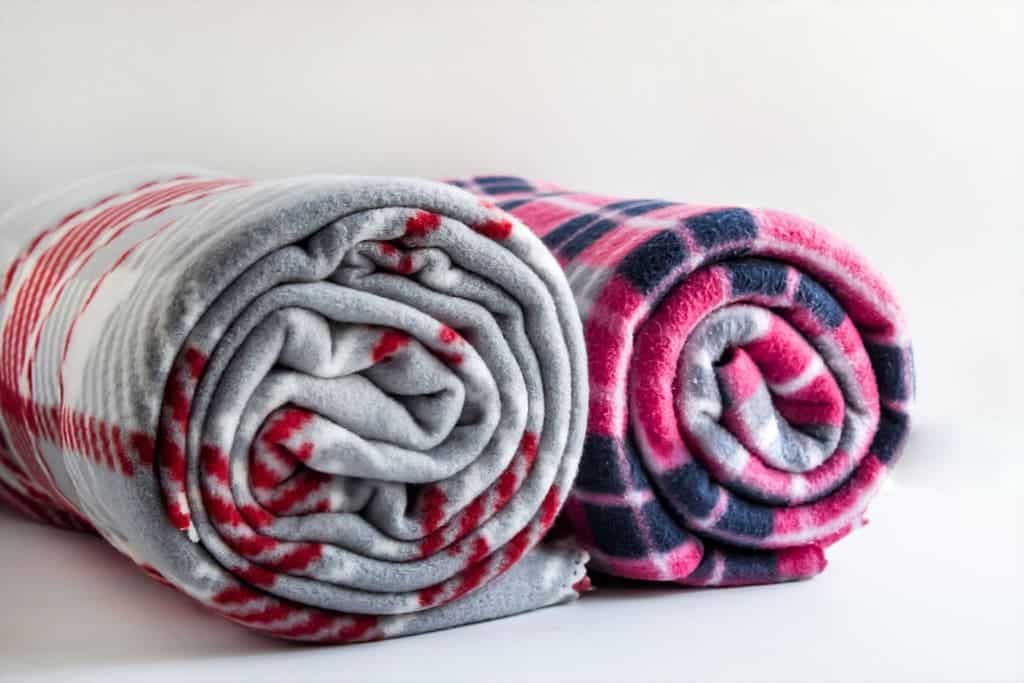
How to Choose the Right Fleece Fabric
Consider these factors:
Warmth Requirements
Higher GSM for winter items, lower GSM for layering garments.
Texture Preference
Velvety (minky), wool-like (sherpa), smooth-faced (brushed fleece), or plush-lined (brushed back fleece).
Print Quality
Brushed fleece and minky fleece produce the most vibrant print results.
Durability & Wear
Some fleece types are treated to reduce pilling and maintain long-term softness.
To learn more about our company and fabric expertise, visit: about-us
Or contact our team for custom fleece printing inquiries:contact-us