Introduction
When it comes to knit fabrics for apparel, cotton pique fabric and cotton interlock fabric are two of the most popular choices for fashion brands, clothing manufacturers, and designers. Both fabrics are known for their comfort, breathability, and versatility—but they offer different functionalities, textures, and performance levels, making them suitable for different types of garments.
Whether you’re developing your next T-shirt collection, planning a premium polo line, designing babywear, or sourcing high-quality materials for custom printing, understanding the key characteristics of pique and interlock is essential. This guide breaks down everything you need to know—from fabric properties and best uses to GSM, durability, printing compatibility, and how to choose the right material for your brand.
By the end of this article, you’ll be able to confidently decide whether pique cotton fabric or cotton interlock fabric is the best fit for your apparel project.
What Is Cotton Pique Fabric?
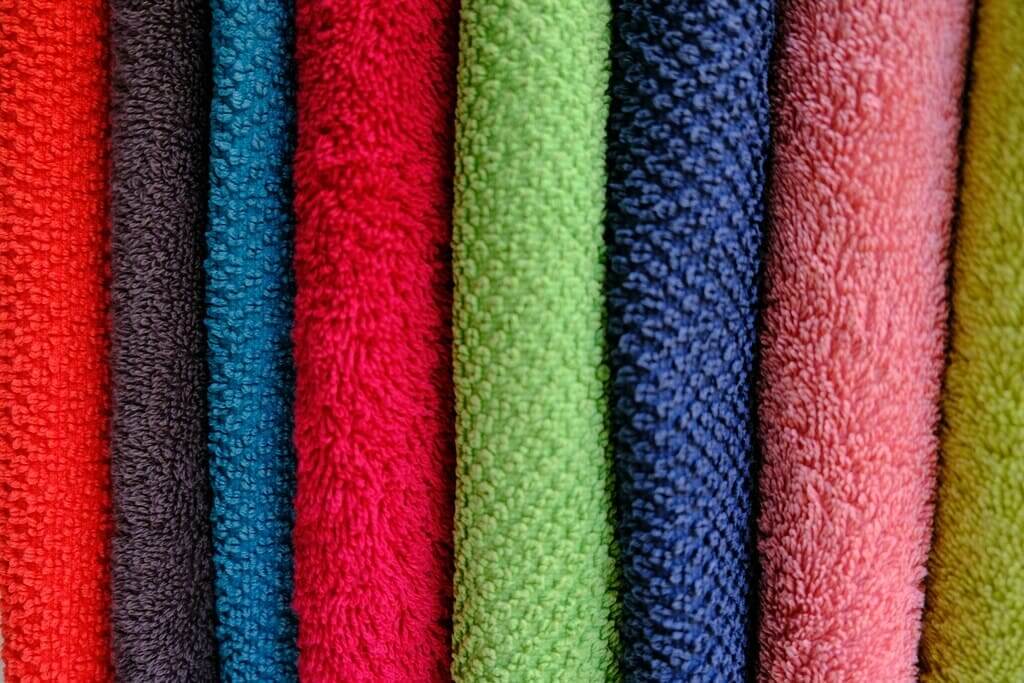
Cotton pique fabric—also commonly referred to as pique cotton fabric—is a textured knitted fabric characterized by its raised, waffle-like pattern. Created using a dobby or knitted construction, pique features small geometric designs or ribbed patterns that give it a refined and slightly dimensional appearance. This unique structure enhances breathability, making it especially suitable for warm-weather clothing and sportswear.
Originally developed in the 18th century in the UK, pique quickly became associated with refined casualwear due to its elegant structure and comfort. Today, it remains the go-to fabric for polo shirts worldwide. Pique offers a perfect balance of durability, structure, and style, making it ideal for garments that require a polished look without sacrificing comfort.
Key Characteristics of Cotton Pique Fabric
Textured, breathable surface that allows airflow
Soft yet structured handle, maintaining its shape well
Excellent wrinkle resistance compared to plain cotton knits
Durable and long-lasting, even with frequent washes
Adds a premium, refined aesthetic to garments
Types of Cotton Pique Fabric
Although many people associate pique only with classic polo shirts, there are actually several varieties available. Each type of pique cotton fabric offers different textures, stretch levels, and performance features, depending on the garment’s purpose.
1. Classic Cotton Pique
This is the most traditional version, featuring a subtle waffle or honeycomb texture. It provides medium thickness, excellent breathability, and a refined look—making it a staple for polos, casual tops, and uniforms.
2. Double Pique
Double pique has a more pronounced texture and a slightly thicker structure compared to classic pique. It provides increased stability, making it ideal for premium polo shirts or garments that require added durability and shape retention.
3. Stretch Cotton Pique (Cotton + Spandex/Elastane)
Blended with 3–8% spandex or elastane, stretch pique provides better flexibility and recovery. It enhances movement and comfort, especially for activewear or fitted silhouettes. Brands that want more modern, body-contouring polo designs often select stretch pique.
4. Organic Cotton Pique
Made using GOTS-certified organic cotton, this sustainable version appeals to eco-conscious brands and consumers. Organic cotton pique offers the same texture and breathability but with lower environmental impact and a softer feel due to chemical-free cultivation and processing.
Best Uses of Pique Cotton Fabric
Because of its textured surface, refined appearance, and durability, pique cotton fabric is widely used across casualwear, sportswear, and uniforms. Its ability to hold structure and maintain a polished look gives it a premium edge compared to plain jersey knits.
Top Applications of Pique Cotton Fabric
✔ Polo Shirts
Pique is the gold standard for polo shirts. Its breathable texture and structured drape give polos their signature look—smart enough for semi-formal settings, yet comfortable for daily wear.
✔ Sportswear and Athleisure
The airflow created by the textured knit makes pique ideal for golf shirts, tennis tops, and activewear where sweat-wicking and breathability matter.
✔ Kidswear and School Uniforms
Because it is durable, washable, and holds its shape, pique is a great choice for children’s clothing, school uniforms, and corporate uniforms.
✔ Lightweight Jackets and Smart-Casual Apparel
Double pique and stretch pique versions can be used for light jackets, cardigans, or elevated casual pieces.
What Is Cotton Interlock Fabric?
Cotton interlock fabric is a type of double-knit cotton known for its smooth surface, soft feel, and natural stretch. Unlike single-knit jerseys, interlock is made by interlocking two layers of yarn, creating a thicker, more stable structure with a premium handfeel.
Interlock is highly valued for garments that need to be soft, flexible, and gentle on the skin. It is commonly used for babywear, premium T-shirts, loungewear, and apparel requiring good recovery and comfort.
Key Characteristics of Cotton Interlock Fabric
Double-knit construction for extra softness and structure
Naturally stretchy without requiring spandex
Smooth surface perfect for printing and embroidery
More opaque and thicker than standard jersey
Ideal for sensitive skin and daily wear
If your brand is involved in custom printing, embroidery, or private label garment production, interlock is often favored because designs print cleanly and colors appear vibrant. For a detailed look at how custom fabric printing works, check our step-by-step guide on How It Works.
Advantages of Cotton Interlock Fabric
Compared to other knit fabrics, interlock provides a premium balance of comfort, stretch, and stability. Here are the key benefits that make cotton interlock fabric a top choice for apparel brands:
✅ 1. Ultra-Soft and Comfortable
Interlock is one of the softest cotton knit fabrics on the market due to its double-knit method. It feels smooth on both sides—ideal for garments that come in direct contact with the skin for long periods.
✅ 2. Excellent Stretch and Recovery
Even without spandex, interlock stretches naturally and returns to its original shape, making it great for fitted styles, everyday comfort wear, and children’s clothing.
✅ 3. Highly Suitable for Babywear and Sensitive Skin
Because interlock is gentle, breathable, hypoallergenic, and free from irritating textures, it is widely used in infant clothing, sleepwear, and maternity wear.
✅ 4. Performs Well for Printing and Embroidery
The smooth surface ensures crisp, clean prints and reduces ink bleeding—especially compared with textured fabrics like pique. Interlock also holds embroidery stitches firmly without distortion.
✅ 5. Premium Look with a Clean Finish
Interlock drapes nicely and offers a more elevated appearance than basic jersey fabrics, making it ideal for premium T-shirts and branded merchandise.
Best Uses of Cotton Interlock Fabric
Thanks to its soft handfeel, natural stretch, and smooth finish, cotton interlock fabric is ideal for clothing that prioritizes comfort and skin-friendliness.
Top Applications of Cotton Interlock Fabric
✔ Premium T-Shirts & Everyday Tops
Interlock offers a more luxurious feel than single-jersey knit, making it perfect for elevated basics, branded tees, and premium merch apparel.
✔ Baby Clothing & Sleepwear
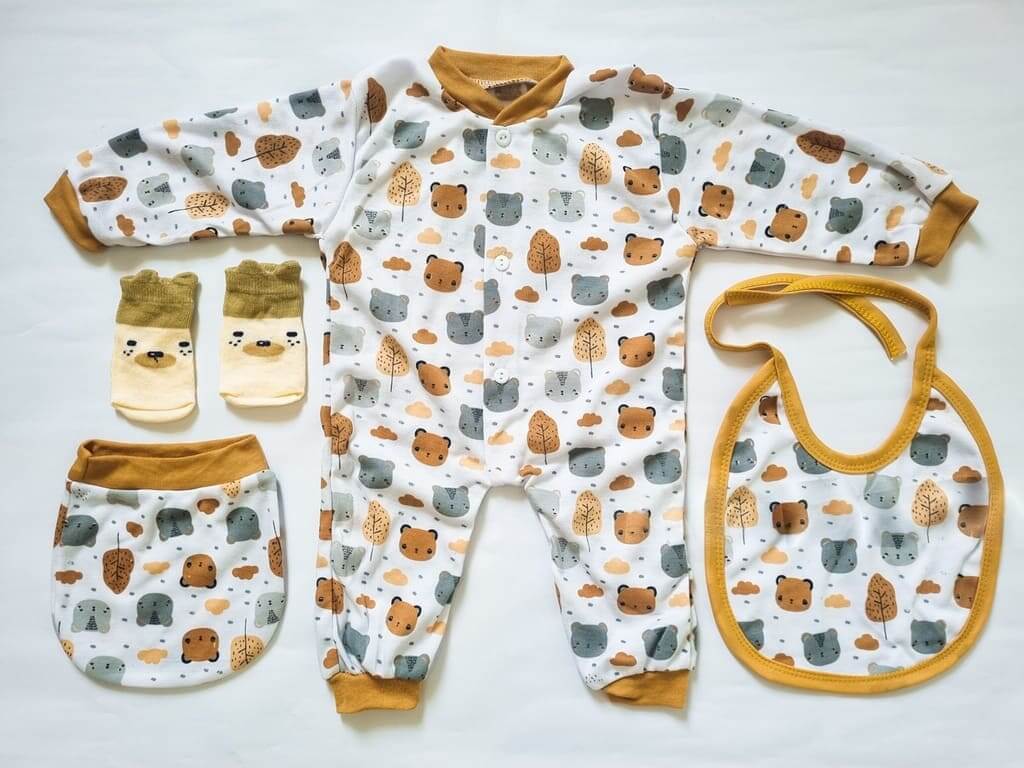
Because interlock is gentle, breathable, and irritation-free, it is one of the most commonly chosen fabrics for onesies, pajamas, rompers, baby bodysuits, and blankets.
✔ Loungewear & Home Comfort Wear
Its softness and stretch make it ideal for leggings, yoga tops, lounge sets, homewear, and maternity clothing.
✔ Activewear Base Layers
Interlock’s moisture absorption and elasticity make it suitable for base layers, light exercise wear, and thermal tops for mild weather.
Pique vs Interlock: Key Differences
Both pique and interlock are beloved cotton-knit fabrics, but they are not interchangeable. Understanding their differences helps brands choose the right fabric for each garment category.
Below is a side-by-side comparison to help you evaluate pique vs interlock fabric differences clearly:
| Feature | Cotton Pique Fabric | Cotton Interlock Fabric |
|---|---|---|
| Texture | Textured (honeycomb / waffle) | Smooth and flat |
| Breathability | High – excellent for hot climates | Medium to high |
| Stretch | Medium (higher if blended with spandex) | High natural stretch |
| Thickness | Mid-weight to heavy | Mid-weight |
| Softness | Medium | Very soft |
| Structure & Shape | Holds shape well; more structured | Flexible and drapey |
| Best For | Polo shirts, sportswear, uniforms | T-shirts, babywear, loungewear |
| Print Compatibility | Moderate (texture affects detail) | Excellent – clean and sharp |
| Embroidery Suitability | Works very well | Works well |
| Durability | Very durable, long-lasting | Durable but softer wear over time |
🧵 Quick Decision Guide
Choose Pique Cotton Fabric if you need:
→ A polished look and structured finish
→ Breathable polos, uniforms, or active tops
Choose Interlock Cotton Fabric if you need:
→ Softness, comfort, and skin-friendly wear
→ Printing-focused apparel, baby clothing, or premium basics
GSM, Weight & Performance Guide
Fabric GSM (grams per square meter) is a key factor in evaluating durability, thickness, breathability, and suitability for different garments. For a detailed reference on fabric weights, see Threads Magazine fabric weight guide
📏 Typical GSM Ranges
| Fabric Type | Standard GSM | Suitable Products |
|---|---|---|
| Cotton Pique | 180–260 GSM | Polos, uniforms, golf shirts, light jackets |
| Cotton Interlock | 160–220 GSM | T-shirts, babywear, loungewear, active base layers |
🪡 Performance Breakdown
Breathability:
Pique: ★★★★★
Interlock: ★★★★☆
Stretch & Comfort:
Pique: ★★★☆☆
Interlock: ★★★★★
Durability:
Pique: ★★★★★
Interlock: ★★★★☆
Print Quality:
Pique: ★★★☆☆
Interlock: ★★★★★ (best for DTG, screen print, and embroidery)
Choosing the Right Fabric for Your Brand or Collection
If sustainability matters to your brand, both pique and interlock are available in organic cotton versions. Choosing GOTS-certified organic fabrics supports clean production and appeals to conscious consumers — an audience segment that is rapidly growing in the global fashion market. Learn more about Textile Exchange cotton standards for certified and sustainable materials.
Selecting between cotton pique fabric and cotton interlock fabric ultimately depends on your brand identity, target customers, garment purpose, and pricing strategy. Below is a practical guide to help you determine which fabric aligns with your apparel goals.
🧩 When to Choose Cotton Pique Fabric
Choose pique if your collection focuses on:
Premium polos or elevated casualwear
Corporate or school uniforms requiring structure and durability
Sportswear or golf apparel designed for airflow and performance
Smart-casual silhouettes where refined texture adds perceived value
Pique’s structured appearance gives garments a polished look, allowing brands to position their products at a higher price point.
☁️ When to Choose Cotton Interlock Fabric
Choose interlock if your focus is on:
Softness, comfort, and skin-friendly wear
Babywear, kidswear, maternity clothing, or loungewear
Premium T-shirts and fashion basics where print and color quality matter
Garments that require stretch and flexibility without using synthetic fibers
Interlock is often the top choice for brands seeking luxury comfort with a minimalist, premium aesthetic.
🌱 Eco-Conscious Considerations
If sustainability matters to your brand, both pique and interlock are available in organic cotton versions. Choosing GOTS-certified organic fabrics supports clean production and appeals to conscious consumers — an audience segment that is rapidly growing in the global fashion market.
To learn more about our expertise in fabric development and custom printing solutions, you can visit our About Us page.
Where to Buy Custom Printed Cotton Pique & Interlock Fabrics
If you’re building a clothing line, sourcing the right fabric partner is just as important as choosing the right fabric. Reliable suppliers can support you with sampling, color accuracy, print testing, and consistent production — all critical to a brand’s long-term success.
We provide custom printing services for both cotton pique fabric and cotton interlock fabric, suitable for brand manufacturing, private label collections, and small to large production runs.
✅ What We Offer:
Custom printing on pique and interlock fabrics
Low MOQ options for startups
Bulk production support for scaling brands
Color matching, sampling & fabric testing
Fast lead times and export support
Whether you’re just starting or preparing for your next product launch, our team is here to help guide you through the process.
If you’d like to understand how custom printing and production work step-by-step, explore our How It Works page.
Ready to request samples or get a quote? Feel free to reach out via our Contact Us page — we’re happy to support your project.
Conclusion
Both cotton pique fabric and cotton interlock fabric play essential roles in modern apparel manufacturing. Their unique textures, comfort levels, and performance characteristics make them staples for brands across sportswear, childrenswear, loungewear, and premium casual fashion.
To recap:
Choose pique for structured, breathable, and polished garments like polos and uniforms.
Choose interlock for soft, stretchy, and skin-friendly clothing like premium tees and babywear.
If you’re creating a clothing line, consider the desired look, comfort, price point, and end customer experience before selecting the fabric. A successful collection often includes a mix of both fabrics to appeal to a wider customer base.
When you’re ready to start sampling or sourcing custom-printed fabrics, we’re here to support your journey from concept to finished product — helping your brand stand out in a competitive market.
📚 FAQs About Pique and Interlock Fabrics
1. Is cotton pique fabric good for summer?
Yes. Cotton pique fabric is highly breathable thanks to its textured knit structure, making it ideal for warm-weather clothing and summer polo shirts.
2. Is cotton interlock fabric suitable for baby clothes?
Absolutely. Cotton interlock fabric is soft, smooth on both sides, and gentle on sensitive skin — making it one of the best fabrics for babywear and kids’ clothing.
3. Can you print on cotton pique fabric?
Yes, but the texture may slightly affect print sharpness. Screen printing and embroidery work well on pique. For detailed designs, cotton interlock offers cleaner printing results.
4. Which lasts longer — pique or interlock?
Pique generally offers higher durability and structure retention, especially for uniforms and polos. Interlock is durable as well but softer, making it more suitable for comfort-driven clothing.
5. Does cotton interlock fabric shrink after washing?
Like most cotton fabrics, slight shrinkage can occur. Pre-shrunk or washed interlock minimizes shrinkage. Always follow proper care instructions.
6. What is the best GSM for cotton interlock fabric?
180–200 GSM is ideal for premium T-shirts, babywear, and loungewear. Heavier options (200+ GSM) work well for warmer climates or structured tops.
7. Is cotton pique fabric stretchy?
Classic pique has medium stretch. For enhanced flexibility, choose stretch cotton pique blended with 3–8% spandex or elastane.
8. What’s the difference between interlock cotton and jersey?
Interlock is thicker, softer, more opaque, and has better natural stretch than jersey. It offers a more premium feel and lasts longer.
9. Which is better for uniforms, pique or interlock?
Pique is generally preferred for uniforms due to its durability, structured look, and wrinkle resistance.
10. Is organic pique or interlock available?
Yes. Both fabrics can be made with organic cotton for eco-friendly and sustainable apparel production.