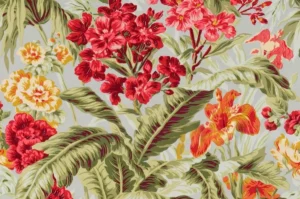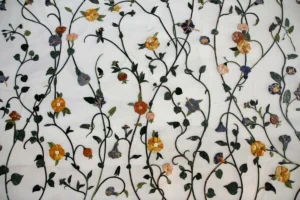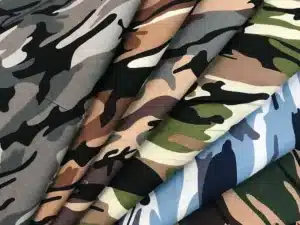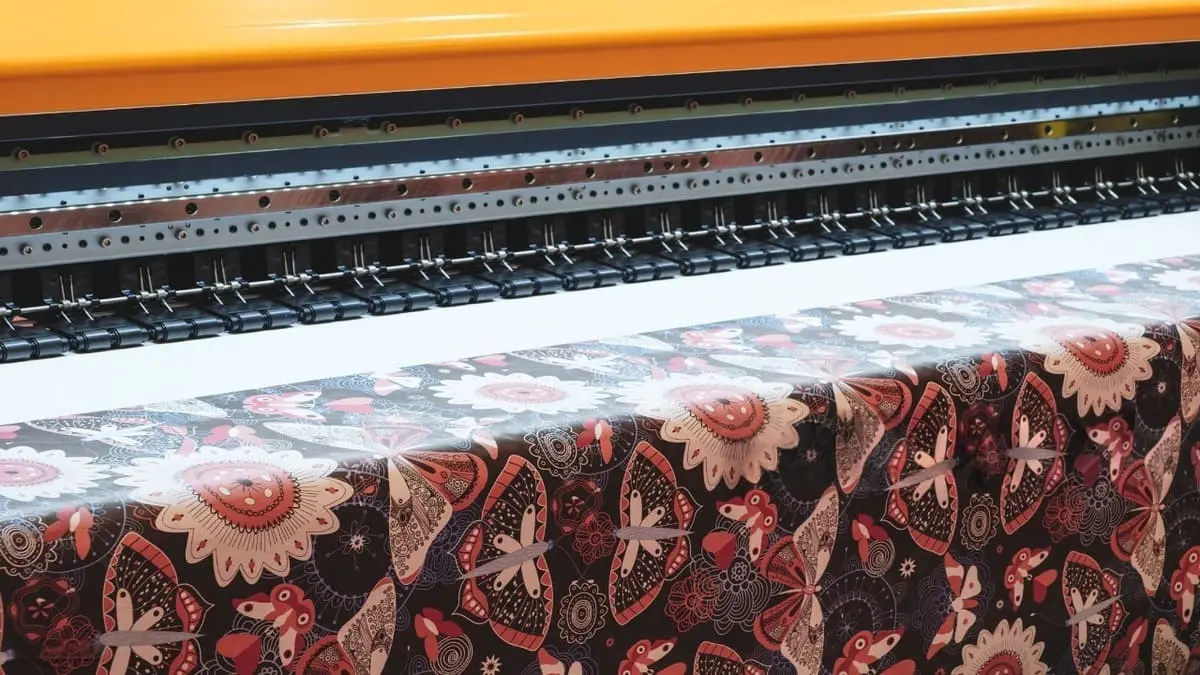
Digital printed fabric has revolutionized the textile industry, enabling designers, brands, and DIY creators to produce highly customized patterns with exceptional color accuracy and flexibility. Unlike traditional screen printing, digital printed fabric allows for on-demand production, lower waste, and unlimited design possibilities.
At JCWTextile, we specialize in premium custom fabric printing services that support both small creative projects and large-scale production with no minimum order requirements.
What is Digital Printed Fabric?
Digital printed fabric refers to textiles printed using advanced inkjet technology where designs are directly applied onto fabric surfaces using specialized textile inks.
This modern method replaces traditional screen printing by:
- Eliminating complex plate-making processes
- Allowing full-color gradient printing
- Supporting highly detailed artwork and photographic designs
Because of its flexibility, digital printing is widely used in fashion, home textiles, accessories, and custom fabric manufacturing.
📌 Explore more about fabrics: our fabrics
How Digital Fabric Printing Works
The process of creating digital printed fabric involves several key steps:
1. Design Preparation
Designs are created digitally using software such as Adobe Illustrator or Photoshop. High-resolution files ensure sharp printing results.
2. Fabric Selection & Pre-treatment
Different fabrics such as cotton, silk, satin, or eco-friendly fibers like ecovero fabric are prepared to ensure proper ink absorption.
3. Digital Printing Process
Inkjet printers apply reactive, pigment, or sublimation inks directly onto the fabric with precise control.
4. Fixation & Finishing
Heat or steam is used to fix the colors, ensuring durability and wash resistance.
Advantages of Digital Printed Fabric
Digital printing offers several advantages over traditional methods:
- ✔ No minimum order quantity (ideal for small businesses & DIY)
- ✔ High-definition color reproduction
- ✔ Faster production time
- ✔ Eco-friendly ink usage
- ✔ Unlimited design flexibility
These benefits make it the preferred choice for modern textile production.
📌 Related reading: blog
Fabric Types & Printing Effects
Different materials produce different visual and tactile effects when digitally printed.
Printed Satin Fabric
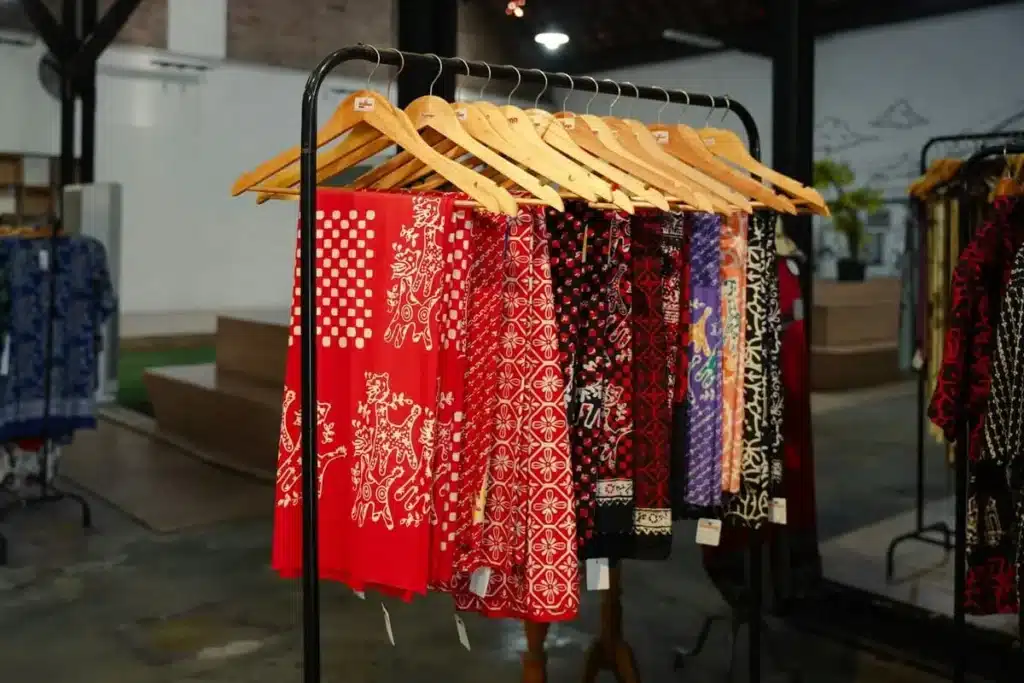
Printed satin fabric offers a smooth, glossy surface that enhances color vibrancy and luxury appearance.
- Ideal for evening dresses, lingerie, and fashion apparel
- Produces rich and reflective color output
- Excellent drape and softness
This makes satin one of the most popular fabrics for premium fashion collections.
Printed Silk Fabric
Printed silk fabric delivers a natural, elegant finish with a soft touch and lightweight feel.
- Perfect for scarves, blouses, and luxury garments
- Naturally breathable and skin-friendly
- High-resolution print absorption
Silk is often used in high-end designer collections due to its premium aesthetic appeal.
Ecovero Fabric (Sustainable Option)
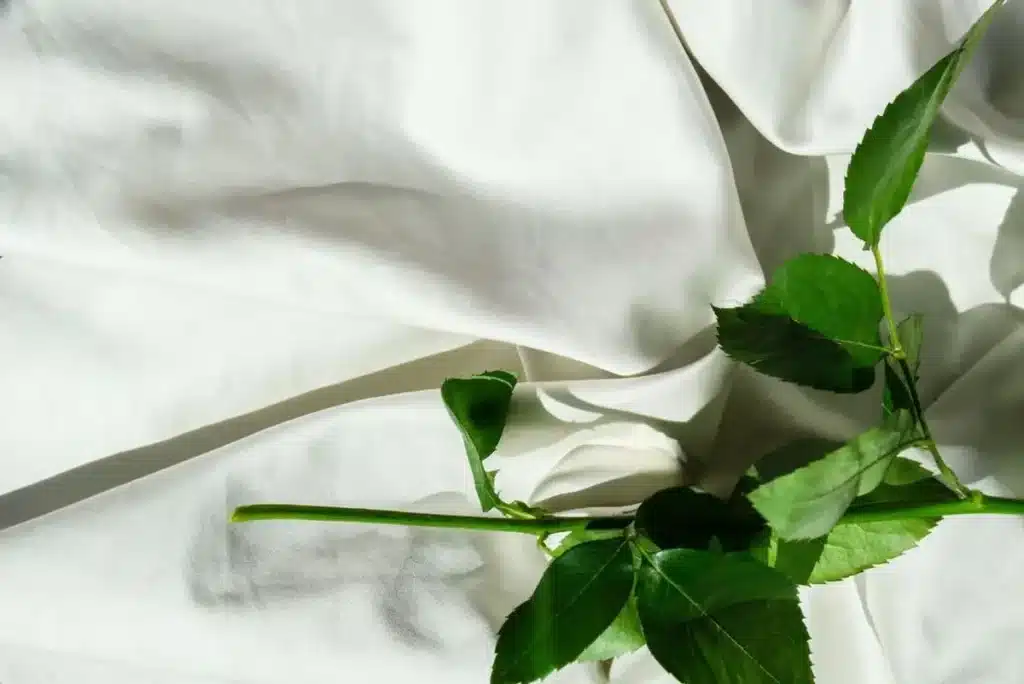
Ecovero fabric is an eco-friendly viscose fiber made from responsibly sourced wood pulp.
- Biodegradable and sustainable
- Lower environmental impact compared to conventional viscose
- Soft texture with excellent print clarity
Sustainable fashion brands increasingly choose Ecovero for ethical production.
Sustainability reference: https://www.goodonyou.eco
Choosing the Right Fabric for Your Project
Selecting the right fabric depends on your application:
For Fashion Designers
- Silk
- Satin
- Chiffon
These materials offer premium aesthetics and high-end appeal.
For DIY Projects
- Cotton
- Polyester blends
These fabrics are easy to handle and cost-effective for small runs.
For Bulk Production
- Polyester fabrics
- Performance blends
Ideal for uniforms, promotional items, and large-scale manufacturing.
Fabric Care & Anti-Fading Tips
To maintain the quality of your digital printed fabric, proper care is essential.
Washing Instructions
- Use cold water only
- Mild detergent recommended
- Avoid bleach or harsh chemicals
Drying Tips
- Air dry whenever possible
- Avoid direct sunlight exposure
Ironing Guidelines
- Use low heat settings
- Iron inside out to protect print quality
Preventing Color Fading
- Wash fabric inside out
- Avoid high-temperature washing cycles
- Do not over-dry in machines
Proper care significantly extends the lifespan of printed textiles.
Digital Printed Fabric for DIY vs Bulk Orders
Digital printing supports both individual creators and large-scale manufacturers.
DIY Creators
- Custom gifts
- Home sewing projects
- Independent fashion design
Bulk Production Brands
- Fashion labels
- Retail collections
- Wholesale textile suppliers
At JCWTextile, we support both flexible sampling and mass production needs.
Why Choose JCWTextile?
JCWTextile is a professional custom fabric printing supplier offering:
- No MOQ (Minimum Order Quantity)
- Wide selection of fabrics
- Eco-friendly printing technology
- Fast international shipping
- Easy design upload system
We help designers turn ideas into real textile products efficiently and affordably.
📌 Learn more: about us
Conclusion
Digital printed fabric represents the future of textile manufacturing, combining creativity, sustainability, and flexibility. Whether you are designing luxury fashion pieces, eco-friendly textiles, or DIY projects, digital printing provides unmatched freedom.
At JCWTextile, we empower creators and brands with high-quality custom fabric printing solutions tailored to every scale of production.
👉 Start your custom fabric journey today: https://jcwtextile.com/design-your-fabric/
📚 Frequently Asked Questions (FAQs)
1. What is digital printed fabric?
Digital printed fabric is textile material printed using advanced inkjet technology, allowing high-resolution, full-color designs to be directly applied onto fabric surfaces without traditional screen printing.
2. What fabrics can be used for digital printing?
Common fabrics include cotton, silk, satin, polyester, and eco-friendly materials like ecovero fabric. Each fabric produces different texture and color effects depending on ink absorption.
3. What is printed satin fabric used for?
Printed satin fabric is commonly used for dresses, lingerie, evening wear, and luxury fashion items due to its smooth surface and glossy finish.
4. Is printed silk fabric durable?
Yes, printed silk fabric is durable when properly cared for. Gentle washing, low temperature ironing, and avoiding harsh detergents help maintain color vibrancy.
5. What is ecovero fabric in digital printing?
Ecovero fabric is a sustainable viscose fiber made from responsibly sourced wood pulp. It is eco-friendly, breathable, and widely used in sustainable fashion printing.
6. Does digital printed fabric fade easily?
High-quality digital printed fabric is designed to be colorfast. However, improper washing or excessive heat can cause fading over time.
7. Can I order small quantities of custom printed fabric?
Yes, JCWTextile supports no minimum order (MOQ), making it suitable for both DIY projects and bulk production.
8. How should I care for digital printed fabric?
Wash in cold water, use mild detergent, avoid bleach, air dry when possible, and iron on low heat to maintain print quality.