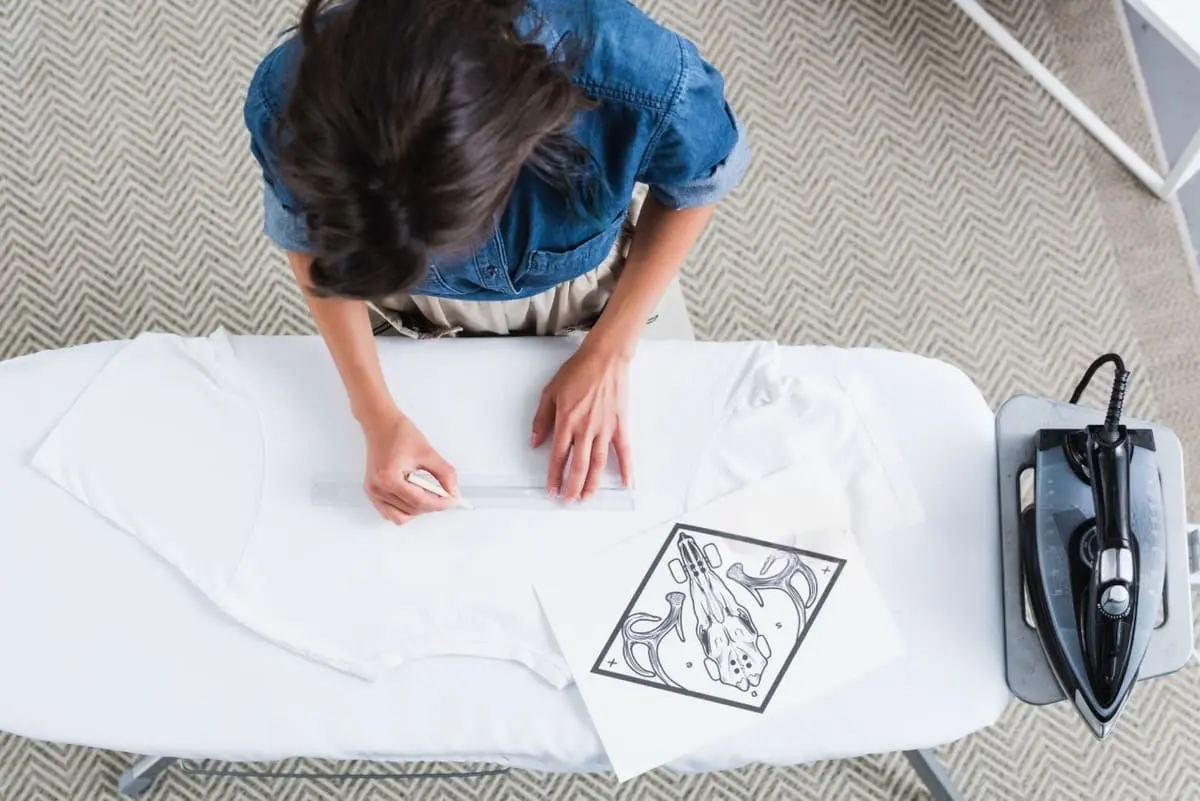
Have you ever wanted to print your own fabric design for a sewing project, custom clothing, home décor, or a small business idea? Thanks to modern DIY techniques, it is easier than ever to create unique patterns and transform plain fabric into personalized textiles.
Whether you’re a crafter, designer, quilter, or entrepreneur, learning how to print your own fabric design gives you complete creative control. Instead of relying on mass-produced patterns, you can create one-of-a-kind printed fabrics that perfectly match your vision.
In this guide, you’ll learn how to print on fabric at home, choose the best materials, explore different printing methods, avoid common mistakes, and discover creative design inspiration. If you eventually need professional-quality results, you can also explore JCW Textile’s custom printing services through our Design Your Fabric page.
Why Print Your Own Fabric Design?
More people are choosing to print your own fabric design because customization has become a major trend in fashion, home décor, and handmade products.
When you print your own fabric design, you can:
- Create completely unique patterns
- Match specific color palettes
- Produce custom gifts
- Design personalized clothing
- Make branded products for small businesses
- Test textile ideas before mass production
Unlike ready-made fabrics, custom printing allows you to decide every detail, from pattern scale to color placement.
Many designers start by learning how to print on fabric at home before moving on to professional digital textile printing.
For detailed tutorials, see The Spruce Crafts.
Benefits of Printing Your Own Fabric
Complete Creative Freedom
The biggest advantage of choosing to print your own fabric design is creative freedom.
You are not limited to patterns available in stores. Instead, you can create:
- Floral prints
- Geometric patterns
- Watercolor artwork
- Children’s illustrations
- Brand logos
- Abstract designs
Every project becomes truly unique.
Cost-Effective for Small Projects
For small quantities, DIY fabric printing can be more affordable than purchasing specialty fabrics.
Projects such as:
- Tote bags
- Pillow covers
- Aprons
- Table runners
- Quilts
can often be completed using inexpensive materials and basic tools.
Ideal for Prototyping
Fashion designers frequently print their own fabric design to test concepts before ordering larger production runs.
This helps identify:
- Color issues
- Pattern scale problems
- Fabric compatibility
- Printing limitations
before investing in bulk manufacturing.
Best Fabrics for DIY Fabric Printing
Choosing the right fabric is one of the most important steps when you print your own fabric design.
Different fabrics absorb inks and dyes differently.
| Fabric Type | Print Quality | Difficulty Level | Recommended For |
|---|---|---|---|
| Cotton Poplin | Excellent | Easy | Beginners |
| Cotton Sateen | Excellent | Easy | Apparel & Home Decor |
| Linen | Very Good | Medium | Table Linen & Curtains |
| Rayon | Good | Medium | Fashion Projects |
| Silk | Excellent | Advanced | Luxury Products |
| Polyester | Good | Medium | Sublimation Printing |
Before printing, always wash your fabric to remove manufacturing residues and improve ink absorption.
If you’re unsure which fabric is best for your project, browse our fabric collection to compare different textile options.
Essential Tools to Print Your Own Fabric Design
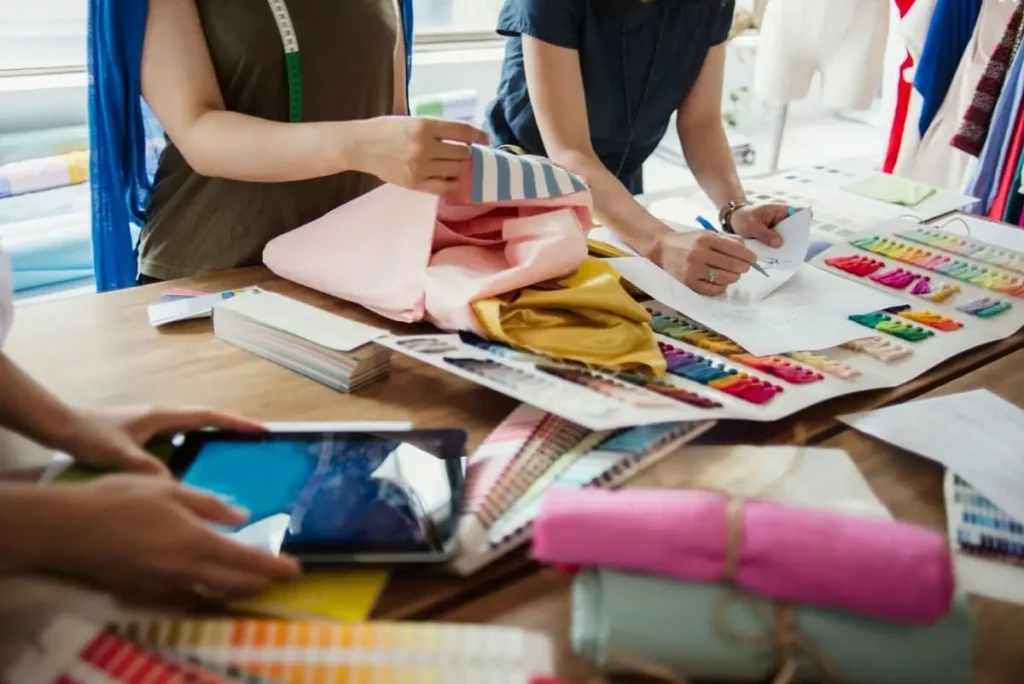
To successfully print your own fabric design, you’ll need a few basic supplies.
Fabric Paints
Fabric paints are perfect for beginners.
Advantages include:
- Easy to use
- Affordable
- Available in many colors
- Suitable for stencils and stamps
Textile Inks
Textile inks provide more professional-looking results.
Benefits:
- Better color saturation
- Longer durability
- Softer fabric feel
Stencils
Stencils make it easy to create repeatable patterns.
Popular stencil designs include:
- Leaves
- Flowers
- Geometric shapes
- Letters
Block Printing Tools
Block printing is one of the oldest ways to print your own fabric design.
Wooden blocks can create beautiful handmade patterns that look artistic and authentic.
Heat Transfer Paper
Heat transfer paper allows you to print digital designs using a standard home printer.
This method is ideal for:
- Photos
- Logos
- Detailed artwork
- Custom graphics
Fabric Printing Machines
For advanced users, dedicated fabric printers offer professional-level quality.
However, they require a larger investment and technical knowledge.
How to Print Your Own Fabric Design at Home
Now let’s walk through the complete process.
Step 1: Create Your Design
Before you can print your own fabric design, you need artwork.
Popular design software includes:
- Canva
- Adobe Illustrator
- Adobe Photoshop
- Procreate
When creating your pattern:
- Use high-resolution images
- Choose compatible colors
- Consider repeat patterns
- Test different scales
Simple designs often produce the best results for beginners.
Step 2: Prepare Your Fabric
Preparation is essential.
Before printing:
- Wash fabric
- Dry completely
- Iron out wrinkles
- Lay flat on a protected surface
Skipping this step can cause uneven printing and poor color adhesion.
Step 3: Select a Printing Method
There are several ways to print your own fabric design.
The best method depends on:
- Budget
- Fabric type
- Project size
- Desired quality
We’ll explore these methods in detail below.
Step 4: Apply the Design
Carefully transfer your design onto the fabric.
Work slowly and consistently.
For stencil printing:
- Secure the stencil
- Apply paint evenly
- Avoid excessive paint buildup
For heat transfer printing:
- Position the transfer paper
- Follow manufacturer instructions
- Apply even heat
Step 5: Heat Set the Design
Most fabric paints and textile inks require heat setting.
Heat setting:
- Improves durability
- Prevents fading
- Increases wash resistance
Use either:
- Household iron
- Heat press
- Dryer (if recommended)
Step 6: Test Wash the Fabric
Always test a sample piece first.
Check for:
- Color fading
- Cracking
- Peeling
- Shrinkage
This helps ensure long-lasting results.
5 Popular Ways to Print Your Own Fabric Design
1. Screen Printing
Screen printing remains one of the most popular methods.
Pros
- Durable prints
- Vibrant colors
- Professional appearance
Cons
- Setup takes time
- Multiple colors require additional screens
Best for:
- T-shirts
- Tote bags
- Promotional products
2. Block Printing
Block printing creates beautiful handcrafted effects.
Ideal for:
- Home décor
- Artistic projects
- Traditional textile designs
Many DIY enthusiasts love block printing because it adds character and uniqueness.
3. Stencil Printing
Stencil printing is beginner-friendly.
Advantages:
- Low cost
- Easy setup
- Repeatable patterns
This is often the simplest way to print your own fabric design for the first time.
4. Heat Transfer Printing
Heat transfer printing allows highly detailed graphics.
Perfect for:
- Photographs
- Logos
- Personalized gifts
It is one of the easiest methods for people learning how to print on fabric at home.
5. Digital Fabric Printing
Digital printing offers professional-level quality.
Benefits include:
- Unlimited colors
- Detailed artwork
- Fast production
- Accurate reproduction
If you want premium results, visit our Design Your Fabric page to create custom printed fabrics professionally.
Common Problems and Solutions
Ink Bleeding
Cause
Too much ink.
Solution
Use lighter coats and allow proper drying.
Faded Colors
Cause
Improper heat setting.
Solution
Follow manufacturer instructions carefully.
Uneven Prints
Cause
Fabric movement during printing.
Solution
Secure the fabric before starting.
Pattern Misalignment
Cause
Incorrect positioning.
Solution
Use guides and measuring tools.
Cracking After Washing
Cause
Poor-quality transfer materials.
Solution
Use high-quality textile inks and transfer products.
Creative Ideas to Print Your Own Fabric Design
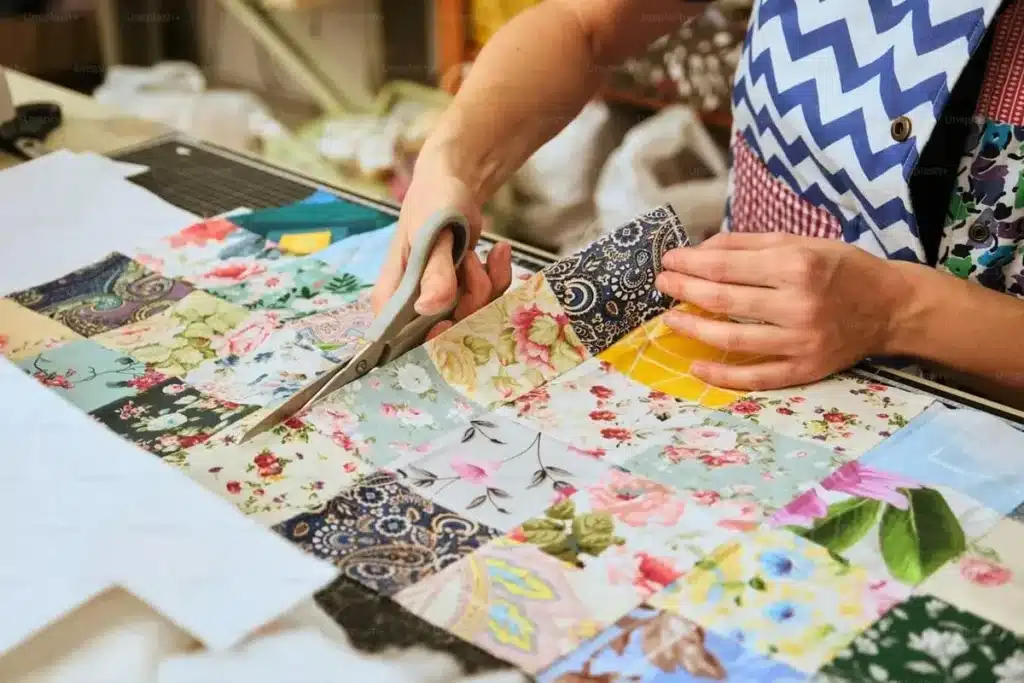
Need inspiration?
Here are some popular projects.
Custom Clothing
Create:
- Dresses
- Shirts
- Jackets
- Children’s wear
Tote Bags
Personalized tote bags remain one of the easiest beginner projects.
Pillow Covers
Custom pillow covers can transform a room instantly.
Curtains
Large-scale patterns work beautifully on curtains.
Quilting Projects
Many quilters print their own fabric design to create exclusive quilt collections.
Pet Accessories
Create custom:
- Pet beds
- Bandanas
- Blankets
Small Business Products
Many Etsy sellers start by learning how to print your own fabric design before launching product lines.
Get more inspiration from Pinterest DIY Fabric Boards.
DIY Fabric Printing vs Professional Fabric Printing
| Feature | DIY Printing | Professional Printing |
|---|---|---|
| Initial Cost | Low | Medium |
| Print Quality | Good | Excellent |
| Color Accuracy | Moderate | High |
| Durability | Moderate | Excellent |
| Production Speed | Slow | Fast |
| Bulk Orders | Difficult | Easy |
DIY methods are great for experimentation.
However, professional digital printing becomes the better option when you need:
- Consistent colors
- Complex designs
- Large quantities
- Commercial quality
Why Choose JCW Textile for Custom Fabric Printing?
After experimenting with DIY methods, many creators eventually want professional results.
JCW Textile provides:
✓ Custom fabric printing
✓ Low minimum order quantities
✓ Multiple fabric options
✓ Worldwide shipping
✓ Fast sampling services
✓ Professional color management
Whether you need cotton, linen, rayon, silk, or polyester fabrics, our team can help transform your artwork into premium-quality printed textiles.
Conclusion
Learning how to print your own fabric design is an exciting way to personalize your creative projects. From simple stencil printing to advanced digital textile printing, there are many techniques available for every skill level.
By choosing the right fabric, using quality tools, and following proven printing methods, you can successfully print your own fabric design at home and create unique textiles for fashion, décor, gifts, or business purposes.
As your projects grow, professional custom printing services can help bring your designs to life with commercial-grade quality and consistency.
Start experimenting today and discover how rewarding it can be to print your own fabric design.
📚 Frequently Asked Questions (FAQs)
1. What is the easiest way to print your own fabric design at home?
The easiest way to print your own fabric design at home is by using heat transfer paper and a standard inkjet printer. This method requires minimal equipment and works well for custom graphics, photos, and personalized projects.
2. How can you print on fabric without a fabric printer?
You can print on fabric using several DIY methods, including stencil printing, block printing, screen printing, fabric paint, and heat transfer paper. These techniques allow you to create unique printed fabric without investing in specialized textile printing equipment.
3. What fabric is best for printing custom designs?
Cotton is generally considered the best fabric for DIY fabric printing because it absorbs ink well and produces sharp, vibrant colors. Linen, rayon, silk, and polyester can also be used depending on the printing method and desired result.
4. How do I print on fabric at home and make it last?
To ensure durability when learning how to print on fabric at home, pre-wash the fabric, use high-quality textile inks or paints, allow sufficient drying time, and heat-set the design according to the manufacturer’s instructions.
5. Can I create my own fabric print using Canva or Photoshop?
Yes. Many designers use Canva, Adobe Photoshop, Illustrator, or Procreate to create own fabric print designs. Once completed, the artwork can be printed using transfer paper, screen printing, or professional digital fabric printing services.
6. What is the difference between DIY fabric printing and professional fabric printing?
DIY fabric printing is ideal for small projects, experimentation, and hobby use. Professional fabric printing offers superior color accuracy, sharper details, better durability, and the ability to produce large quantities of custom printed fabric.
7. Can I print my own fabric design for a small business?
Absolutely. Many Etsy sellers, fashion startups, and handmade product businesses begin by learning to print your own fabric design before scaling up to professional production. Custom printed fabric is commonly used for clothing, accessories, home décor, and branded merchandise.
8. Which printing method produces the most professional-looking results?
Digital fabric printing generally produces the highest-quality results, offering excellent color reproduction, fine details, and unlimited design possibilities. It is ideal for complex patterns and commercial fabric production.
9. How much does it cost to print your own fabric design?
The cost depends on the printing method, fabric type, and project size. Basic DIY fabric printing projects can cost less than $30, while professional custom fabric printing costs vary based on fabric selection, quantity, and design complexity.
10. Where can I get my own fabric design professionally printed?
If you need commercial-quality results, you can upload your artwork and order custom printed fabric through JCW Textile’s Design Your Fabric service. Professional printing ensures accurate colors, durable prints, and a wide selection of fabric options.