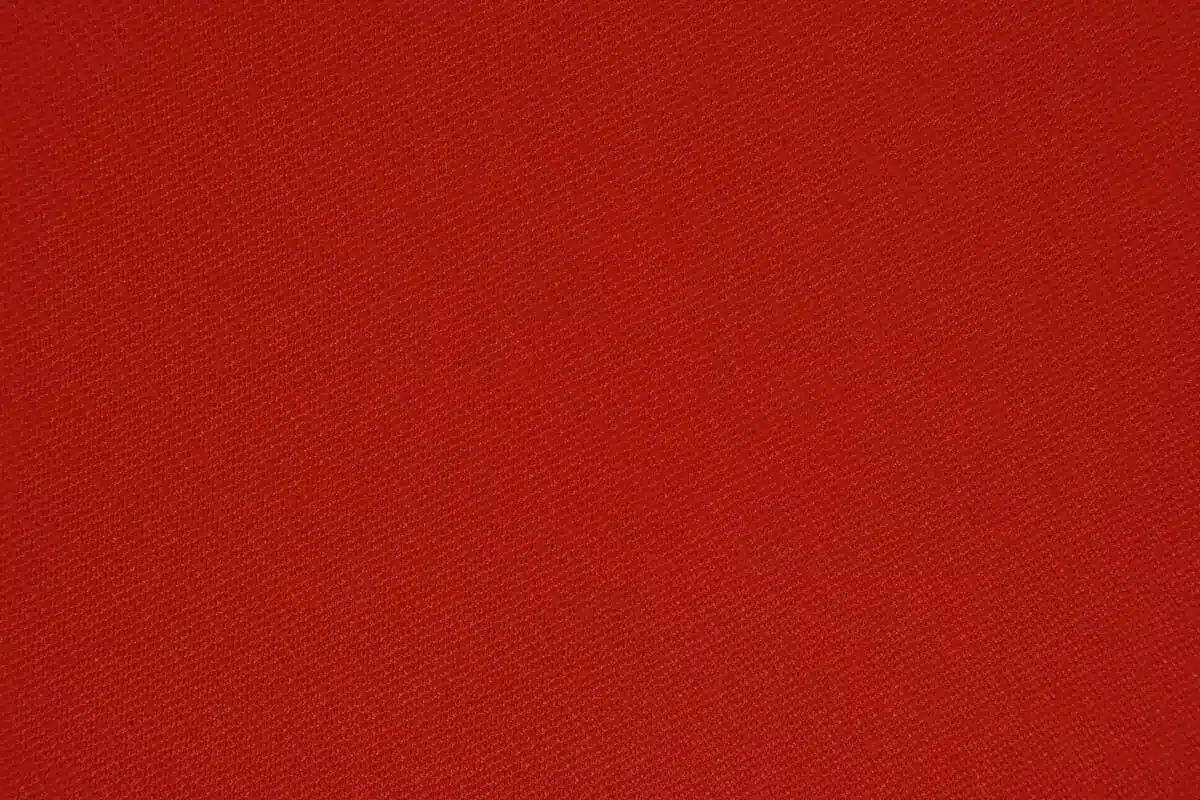
Cotton twill fabric is one of the most versatile and durable textiles used in the fashion, home décor, and industrial textile industries. Known for its diagonal weave pattern, soft texture, and excellent durability, cotton twill cloth is widely used for garments, uniforms, bags, upholstery, and custom printed fabric projects.
Whether you are sourcing fabric for fashion collections, workwear, or home textiles, choosing the right cotton twill fabric can significantly improve the quality and longevity of your products. In this guide, we will explain everything you need to know about cotton fabric twill, including weave structure, fabric weight, printing compatibility, and how to select the best option for your specific project.
If you are looking for premium custom printed fabrics, explore our JCW Textile Fabric Collection for a wide range of printable cotton fabrics.
What Is Cotton Twill Fabric?
Cotton twill fabric is a woven textile made using a twill weave structure. Unlike plain weave fabrics, twill fabrics feature a distinctive diagonal rib pattern created by passing the weft thread over and under multiple warp threads in a staggered sequence.
This weaving technique gives cotton twill cloth several important advantages:
- Better durability
- Increased flexibility
- Softer drape
- Improved wrinkle resistance
- Enhanced texture and appearance
Because of these characteristics, 100 cotton twill fabric is commonly used in both lightweight fashion garments and heavy-duty industrial applications.
Understanding the Twill Weave Structure
The diagonal lines visible on cotton fabric twill are the result of the weaving method. The weave creates a stronger structure than many plain woven fabrics while maintaining softness and comfort.
Popular examples of twill fabrics include:
- Chino fabric
- Denim
- Gabardine
- Workwear twill
- Uniform fabric
Compared with plain cotton fabrics, cotton twill fabric offers greater resistance to wear and tear, making it ideal for products that require long-term durability.
Learn more about our textile manufacturing capabilities on our About Us Page.
Why Cotton Twill Fabric Is So Durable
One of the main reasons cotton twill cloth remains highly popular is its exceptional durability. The tightly woven yarn structure creates a fabric that withstands repeated washing, stretching, and daily use.
Strong Fiber Construction
The twill weave distributes stress more evenly across the fabric surface. This reduces the risk of tearing and extends the lifespan of the material.
Heavy cotton twill fabric is especially suitable for:
- Work uniforms
- Utility clothing
- Tool bags
- Aprons
- Upholstery projects
Better Resistance to Wrinkles
Cotton twill fabric naturally resists wrinkles better than many lightweight plain weave fabrics. This makes it easier to maintain and suitable for professional garments and home textiles.
Comfortable and Breathable
Despite its strength, cotton fabric twill remains breathable and comfortable because it is made primarily from natural cotton fibers. This balance between durability and comfort is one reason why cotton twill fabric is widely used in both fashion and industrial sectors.
Best Uses
The versatility of cotton twill fabric makes it suitable for many different applications.
Fashion and Apparel
Cotton twill cloth is frequently used for:
- Jackets
- Pants
- Chinos
- Skirts
- Dresses
- Uniforms
- Streetwear
Medium-weight cotton twill fabric provides enough structure for tailored garments while remaining soft enough for comfortable daily wear.
Workwear and Industrial Clothing
Because of its abrasion resistance and durability, cotton fabric twill is commonly used in workwear applications such as:
- Chef uniforms
- Construction uniforms
- Industrial aprons
- Protective outerwear
Many companies also use custom printed cotton twill fabric for branded uniforms and promotional apparel.
Home Décor and Upholstery
Heavyweight cotton twill cloth is ideal for home textile projects, including:
- Cushion covers
- Curtains
- Table runners
- Decorative pillows
- Upholstery accents
Its durability helps home décor products maintain their shape and appearance over time.
Bags and Accessories
Cotton twill fabric is also popular for:
- Tote bags
- Cosmetic bags
- Caps
- Backpacks
- Craft projects
If you want to create personalized fabric products, visit our Custom Fabric Printing Service.
Can Cotton Twill Fabric Be Printed?
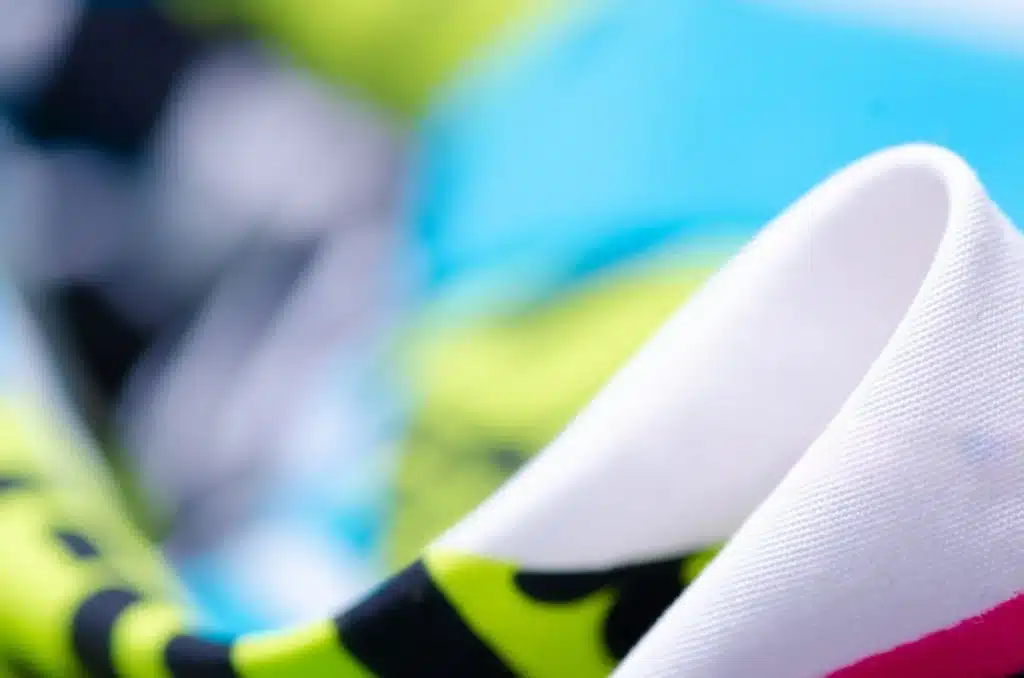
Yes. Cotton twill fabric is an excellent material for custom printing because of its smooth surface and strong color absorption properties.
Why Cotton Twill Works Well for Printing
The weave structure provides a stable and consistent surface for printing detailed designs and vibrant colors. Printed cotton twill fabric can achieve excellent image clarity while maintaining long-term durability.
Advantages include:
- Sharp print details
- Rich color reproduction
- Good wash durability
- Strong fabric stability
Popular Printing Methods for Cotton Twill Cloth
Several printing techniques work well on cotton twill fabric:
Digital Printing
Ideal for:
- Detailed artwork
- Full-color designs
- Small production runs
Screen Printing
Suitable for:
- Bold graphics
- Large quantity production
- Simple color designs
Reactive Printing
Provides:
- Excellent colorfastness
- Soft hand feel
- Bright long-lasting colors
Pigment Printing
Offers:
- Eco-friendly options
- Cost-effective production
- Vintage style appearance
At JCW Textile, we specialize in custom printed cotton fabrics for fashion, home décor, and commercial textile applications.
How to Choose the Right Cotton Twill Fabric Weight
Fabric weight is one of the most important factors when selecting cotton twill fabric.
Different projects require different fabric thicknesses and structures.
Lightweight Cotton Twill Fabric
Typically:
- 120–180 GSM
Best for:
- Shirts
- Dresses
- Summer apparel
- Fashion linings
Lightweight cotton twill cloth offers softness and better drape.
Medium-Weight Cotton Fabric Twill
Typically:
- 180–250 GSM
Best for:
- Chinos
- Uniforms
- Jackets
- Tote bags
This is the most versatile category of cotton twill fabric.
Heavyweight Cotton Twill Cloth
Typically:
- 250–350 GSM
Best for:
- Upholstery
- Workwear
- Heavy-duty bags
- Industrial products
Heavy cotton twill fabric provides maximum durability and structure.
Weight Guide
| Fabric Weight | GSM Range | Common Applications |
|---|---|---|
| Lightweight | 120–180 GSM | Shirts, dresses |
| Medium Weight | 180–250 GSM | Pants, uniforms |
| Heavyweight | 250–350 GSM | Upholstery, bags |
How to Select the Best Cotton Twill Fabric for Your Project
Choosing the right cotton twill cloth depends on several important factors.
Consider the End Use
Before selecting fabric, ask yourself:
- Will the product require high durability?
- Does it need a soft drape?
- Will it be printed?
- Is breathability important?
Fashion garments may require softer medium-weight cotton twill fabric, while industrial applications often require heavyweight options.
Evaluate Texture and Finish
Different finishing treatments affect the appearance and feel of cotton fabric twill.
Common finishes include:
- Brushed twill
- Washed twill
- Mercerized twill
- Stretch twill
Each finish creates different visual and functional properties.
Choose Between Solid Colors and Custom Prints
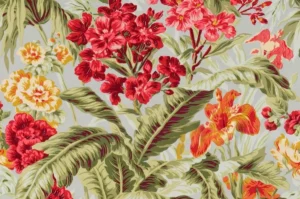
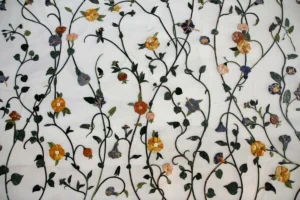
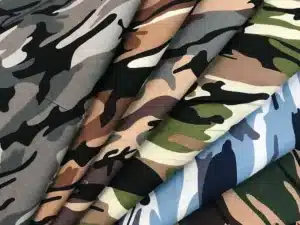
Custom printed cotton twill fabric allows brands and designers to create unique products with personalized patterns and branding elements.
This is especially useful for:
- Fashion collections
- Interior décor
- Brand merchandise
- Promotional products
You can browse more textile inspiration in our Fabric Blog.
Request Samples Before Bulk Production
Testing fabric samples helps verify:
- Print quality
- Shrinkage behavior
- Colorfastness
- Texture
- Thickness
Sampling reduces production risks and ensures the fabric matches project requirements.
Cotton Twill Fabric vs Other Cotton Fabrics
Understanding how cotton twill fabric compares with other materials can help you make better sourcing decisions.
Cotton Twill vs Cotton Canvas
| Feature | Cotton Twill Fabric | Cotton Canvas |
|---|---|---|
| Texture | Softer | Rougher |
| Flexibility | More flexible | Stiffer |
| Appearance | Diagonal weave | Plain weave |
| Best Use | Apparel & décor | Heavy-duty bags |
Cotton Twill vs Cotton Poplin
Cotton poplin is smoother and lighter, while cotton twill cloth is stronger and more durable.
Poplin is better for:
- Dress shirts
- Lightweight apparel
Cotton twill fabric is better for:
- Pants
- Jackets
- Workwear
Cotton Twill vs Denim
Both fabrics use twill weaves, but denim is usually heavier and thicker.
Cotton twill fabric offers:
- More versatility
- Softer texture
- Wider weight options
Sustainable and Eco-Friendly Cotton Twill Options
Sustainability is becoming increasingly important in textile manufacturing.
Many brands now prefer eco-friendly cotton fabric twill options.
Organic Cotton Twill Fabric
Organic cotton reduces the environmental impact of textile production by minimizing pesticide use and supporting sustainable farming practices.
Eco-Friendly Printing Methods
Modern textile printing technologies can reduce water and chemical consumption.
Sustainable options include:
- Water-based inks
- Digital printing
- Low-impact dyes
Learn more about sustainable textile initiatives from Textile Exchange.
Care Tips
Proper care extends the lifespan of cotton twill cloth.
Washing Recommendations
- Wash in cold or warm water
- Avoid excessive bleach
- Use gentle detergents
Ironing Tips
Medium heat ironing helps maintain the fabric’s structure and appearance.
Prevent Shrinkage
Pre-washed or preshrunk cotton twill fabric reduces shrinkage after washing.
Conclusion
Cotton twill fabric is one of the most practical and versatile textiles available for fashion, workwear, upholstery, accessories, and custom printing projects. Its durable weave structure, comfortable feel, and excellent print compatibility make it a preferred choice for designers, manufacturers, and fabric buyers worldwide.
Whether you need lightweight cotton fabric twill for apparel or heavyweight cotton twill cloth for industrial use, selecting the right fabric weight and finish is essential for achieving the best results.
If you are searching for high-quality custom printed fabrics, premium textile sourcing, or professional fabric printing solutions, explore the services offered by JCW Textile.
📚 Frequently Asked Questions (FAQs)
1. What is twill fabric made from?
Twill fabric is usually woven from cotton fibers using a diagonal weave pattern. This structure creates a strong, flexible textile that works well for clothing, bags, uniforms, and upholstery.
2. Why is twill material so popular?
This material is valued for its durability, soft texture, wrinkle resistance, and long lifespan. It is commonly used in both fashion and home décor products.
3. Can twill fabric be custom printed?
Yes. The smooth surface allows detailed artwork and vibrant colors, making it suitable for digital printing, screen printing, and branded textile projects.
4. What products can be made with this fabric?
It is often used for jackets, pants, aprons, tote bags, cushion covers, curtains, and various sewing or craft applications.
5. How can I choose the right fabric weight?
Lightweight options are better for shirts and dresses, medium-weight materials work well for uniforms and casual wear, while heavier versions are ideal for bags and upholstery.
6. Is twill material easy to maintain?
Yes. It is generally easy to wash, resistant to wrinkles, and durable enough for regular everyday use when cared for properly.